Thailand Tooth Extraction Clinics Offering Advanced Treatment Planning
Thailand Tooth Extraction Clinics Offering Advanced Treatment Planning
Thailand Tooth Extraction Clinics Offering Advanced Treatment Planning
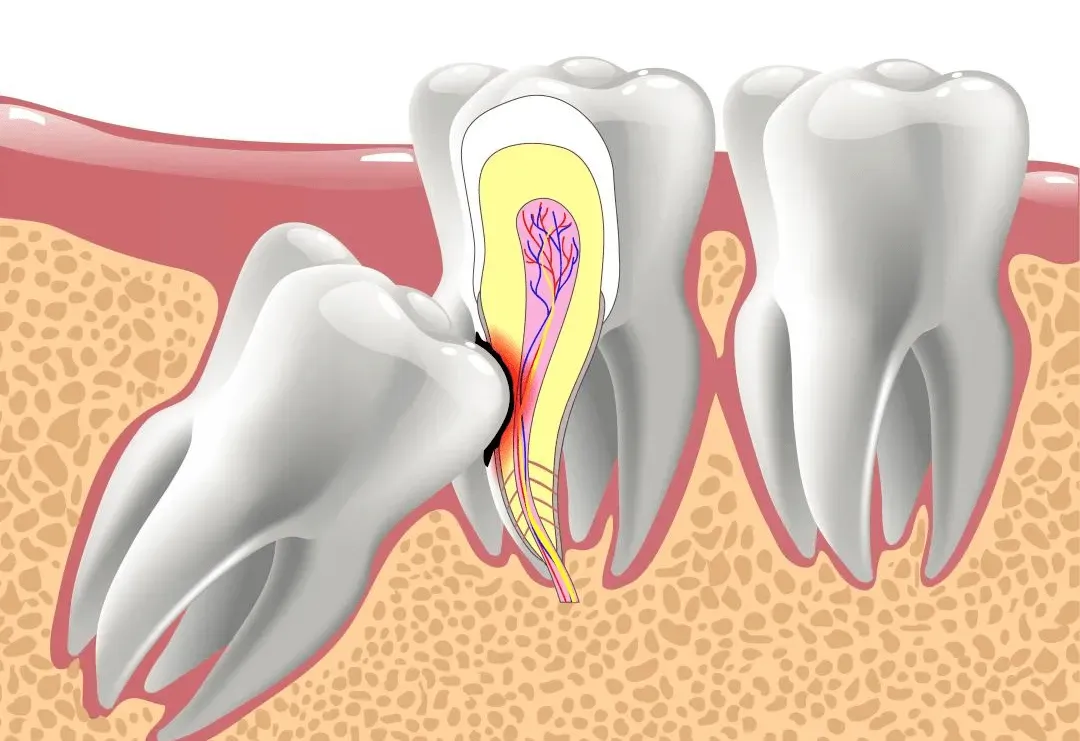
If you need a tooth pulled in Thailand—whether it’s a stubborn wisdom tooth, a cracked molar, or a tooth beyond saving—there’s good news. Many dental clinics across Bangkok, Chiang Mai, Phuket, and beyond now offer advanced treatment planning that makes the process faster, safer, and more comfortable. With English-speaking teams, transparent pricing, and modern technology, getting a tooth extraction in Thailand is straightforward and, as locals say, no worries.
What “advanced treatment planning” really means
Advanced planning is more than just booking a date for the extraction. It’s a structured, step-by-step approach designed to reduce risks and help you heal well.
- Comprehensive assessment: Dentists start with a detailed medical and dental history—checking for allergies, blood thinners, diabetes, or past complications. This is standard in well-run clinics and helps shape a personalised plan.
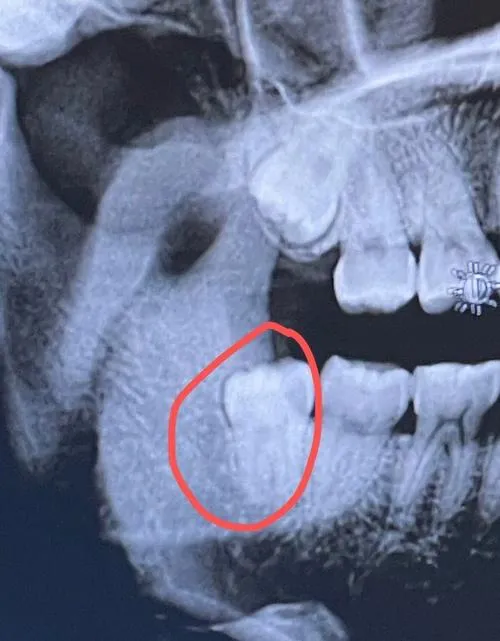
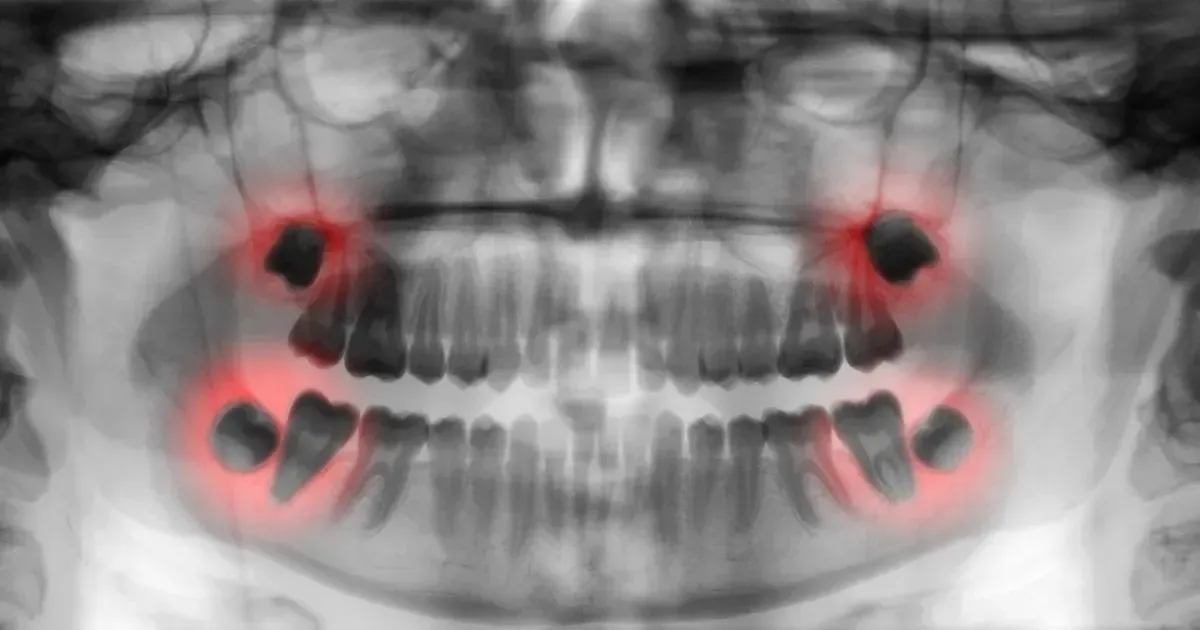
- Digital diagnostics: Expect digital X‑rays and, for tricky wisdom teeth, 3D cone beam CT (CBCT) imaging. These tools map the exact location of roots and nerves, especially the lower jaw’s nerve canal, guiding the dentist to a safer, minimally invasive route.
- Risk mapping and consent: You’ll get a clear explanation of risks, options (simple vs surgical extraction), sedation choices, timelines, and costs before you give consent. Good clinics use visual aids from the scans so you can see what’s going on—same same but different from the old days of guesswork.
- Comfort and sedation planning: From effective local anesthetics to nitrous oxide and IV sedation (available in select clinics and hospitals), the plan covers pain control and anxiety management, particularly helpful for first-timers or anyone who had a rough experience elsewhere.
- Future‑proofing: If an implant or bridge is on your wish list later, your dentist may add socket preservation (bone grafting) to maintain bone volume now, saving time and money down the road.
Technology you’ll commonly see
Thailand’s top dental centers keep up with international standards. Beyond digital X‑rays and CBCT, you may come across:
- Piezosurgery units that cut bone precisely while being gentle on soft tissue.
- PRF (platelet‑rich fibrin), made from your own blood, placed into the socket to support healing and reduce post‑op pain.
- Surgical guides for complex wisdom tooth angles, based on 3D scans.
- Rubber dam isolation and high‑efficiency suction for a cleaner, safer field.
Who benefits most from advanced planning
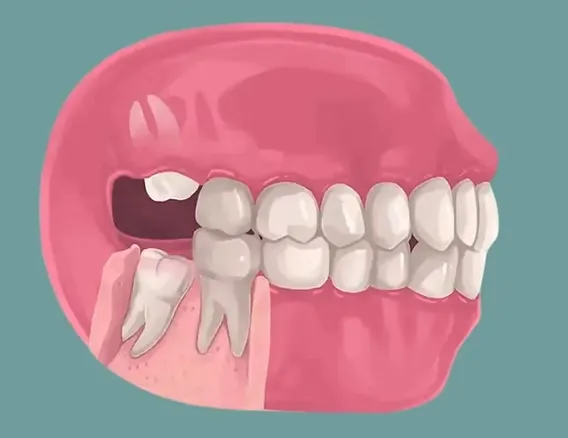
- Impacted wisdom teeth close to nerves or sinuses.
- Patients with medical conditions (hypertension, diabetes, anticoagulants) who need careful coordination.
- Those with dental anxiety who require sedation.
- People planning implants later and wanting socket preservation.
- Anyone who had previous complications like dry socket or infection.
What the process looks like, step by step
1) Booking and pre‑visit: Most clinics accept bookings via phone, email, or LINE, and many can see you same week. You’ll be asked about medications and previous surgeries before you arrive.
2) Consultation and imaging: A dentist examines your mouth, orders X‑rays or CBCT if needed, and discusses findings. You get a breakdown of options, timelines, and fees.
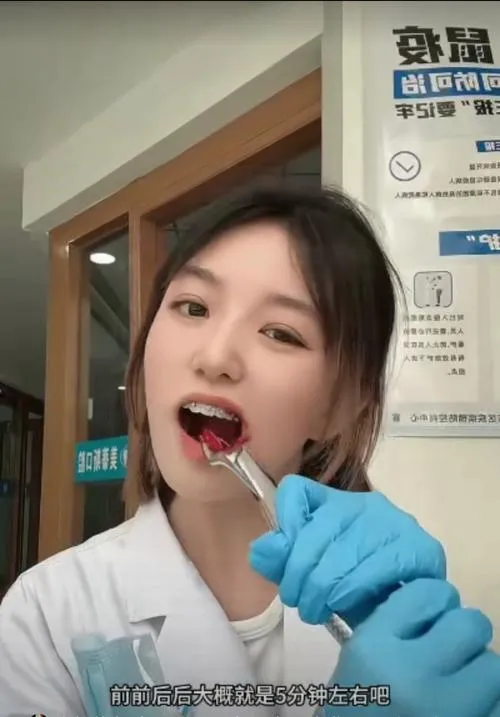
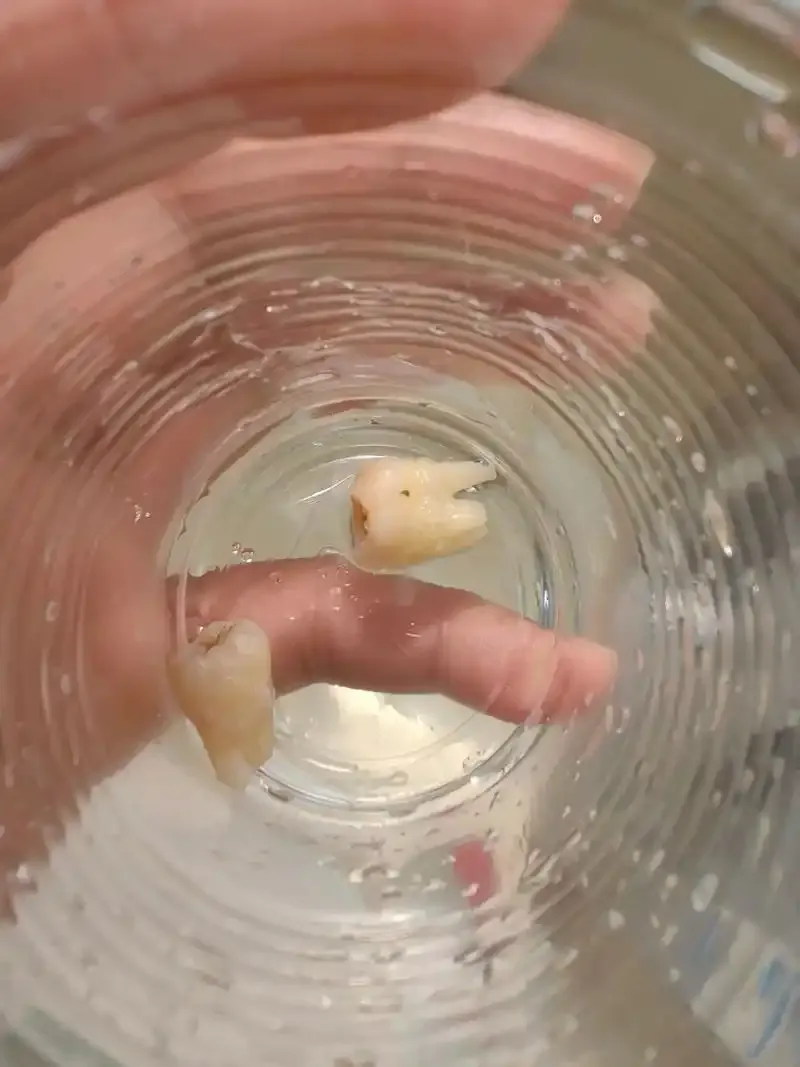
3) Day of extraction: You’ll sign consent, rinse with an antiseptic, and get numbed. For surgical cases, a small flap is made, the tooth may be sectioned, and the site is gently cleaned. With good technique, the whole thing can be surprisingly quick
.
4) Aftercare plan: You leave with written instructions, emergency contact, and—in many clinics—QR codes to message the team if anything feels off. Prescriptions are issued as appropriate.
Pain control and safety
Local anesthesia is standard and very effective. For anxious patients, nitrous oxide or IV sedation can be arranged at clinics equipped for it, or in hospital dental centers. Protocols follow Thai Dental Council guidelines, with sterilisation systems and single‑use disposables where required. If you’re a medical tourist, clinics are used to sharing records and imaging with your dentist back home.
Expected recovery and aftercare tips
- First 24 hours: Expect mild swelling and oozing; bite on gauze as instructed. Keep your head elevated, avoid hot food, smoking, and strenuous exercise. No straw—suction can dislodge the clot.
- Day 2–3: Swelling may peak then settle. Gentle saltwater rinses after meals keep the site clean. Take pain relievers as directed; antibiotics are prescribed when indicated, not automatically.
- Day 4–7: Stitches (if used) may dissolve on their own, or you’ll return for removal. Most people resume normal routines within a day or two, but stick to soft foods until chewing feels comfortable.
- Watch-outs: Severe pain on day 3–4, bad taste, or persistent foul smell may mean dry socket. Message the clinic promptly; an in‑office dressing can fix it fast.
Costs and payment in Thailand
Fees vary by city and clinic, and by complexity:
- Simple tooth extraction: commonly from a modest range into the lower thousands of baht.
- Surgical/impacted wisdom tooth removal: higher, depending on difficulty, imaging, and sedation.
Prices are usually quoted per tooth, with separate charges for CBCT, sedation, or bone grafting. Most clinics accept cash, major cards, and PromptPay QR. International insurance may reimburse out‑of‑network claims; ask for an itemised receipt with diagnosis and procedure codes.
How to choose a good clinic
- Credentials and experience: Look for dentists registered with the Thai Dental Council, with postgraduate training in oral surgery or implantology for complex cases.
- Imaging on site: Clinics offering digital X‑rays and CBCT provide a smoother, safer workflow.
- Clear communication: English-speaking teams that explain risks, costs, and timelines up front are worth their weight in gold.
- Hygiene standards: Ask about sterilisation protocols and how instruments are tracked. Many clinics are happy to show you their system.
- Continuity of care: Post‑op follow‑ups, easy messaging, and quick access if something feels off make a real difference.
- Hospital linkage: For very complex cases or heavy sedation needs, clinics that collaborate with hospital dental centers add a layer of safety.
Special note for expats and visitors
Thailand’s dental scene is well set up for cross‑border patients. Clinics routinely send digital records, provide medical summaries, and schedule around travel plans. If you’re flying out soon, let your dentist know; they can time surgery and follow‑ups to keep you comfortable in transit.
The bottom line
Tooth extraction doesn’t have to be stressful. Thailand’s tooth extraction clinics that embrace advanced treatment planning use smart imaging, careful risk assessment, and modern comfort measures to deliver safe, predictable results. With transparent fees, convenient booking, and aftercare that actually feels caring, you can get your dental problem sorted quickly and get back to feeling sabai—comfortable and at ease—sooner than you might expect.