Thailand Tooth Extraction Clinics With Skilled Surgical Dentists
Thailand Tooth Extraction Clinics With Skilled Surgical Dentists
Thailand Tooth Extraction Clinics With Skilled Surgical Dentists
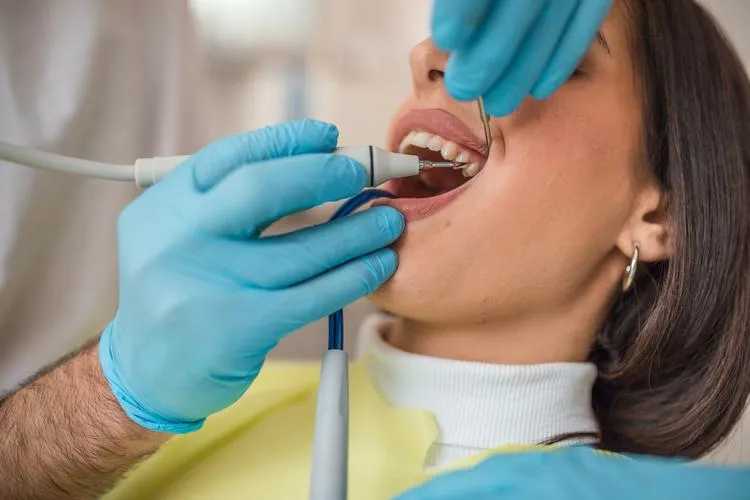
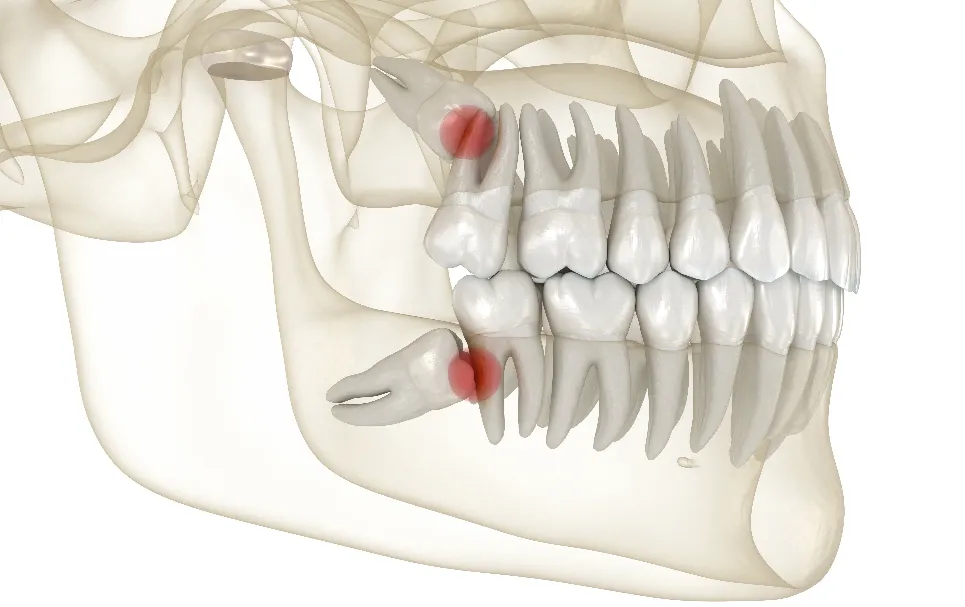
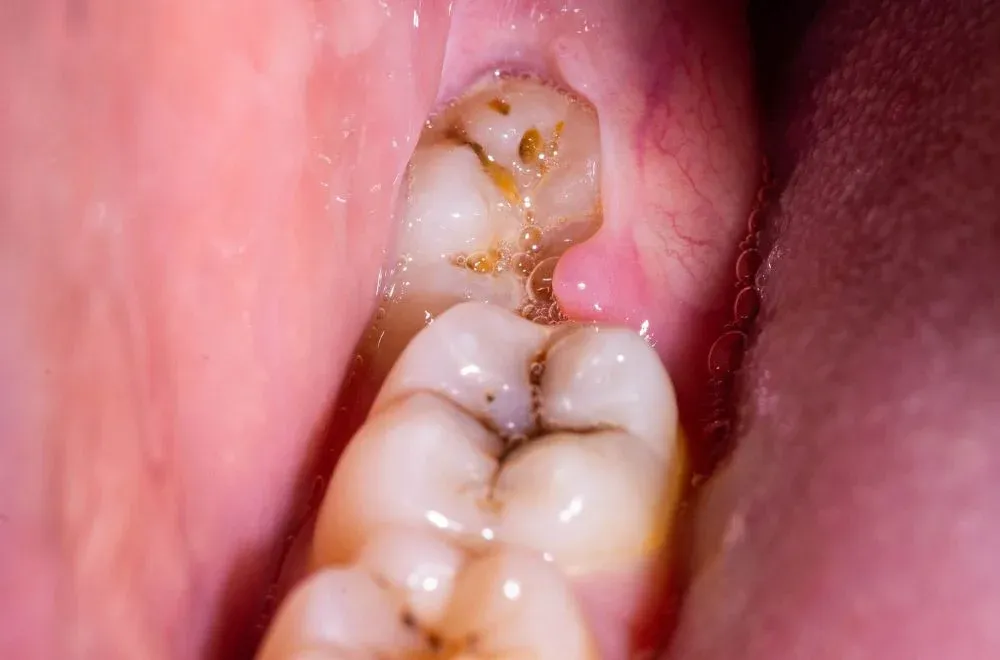
If you’re considering a tooth extraction in Thailand, you’re not alone. Many locals and international visitors choose Thailand tooth extraction clinics because the care is efficient, the fees are fair, and the dentists are calm, service-minded professionals. Whether you need a simple removal or an impacted wisdom tooth taken out by an oral surgeon, clinics across Bangkok, Phuket, Chiang Mai, and other hubs offer international-standard treatment without the stress.
Why Thailand for tooth extractions
- Skilled surgical dentists: Thailand has a strong pool of oral and maxillofacial surgeons and surgical dentists trained to handle complex extractions, including horizontal impactions, residual roots, and re-treatments.
- Clear communication: In most city clinics, English-speaking dentists and staff are standard. The doctor will explain your diagnosis, risks, and aftercare in a way that is easy to follow.
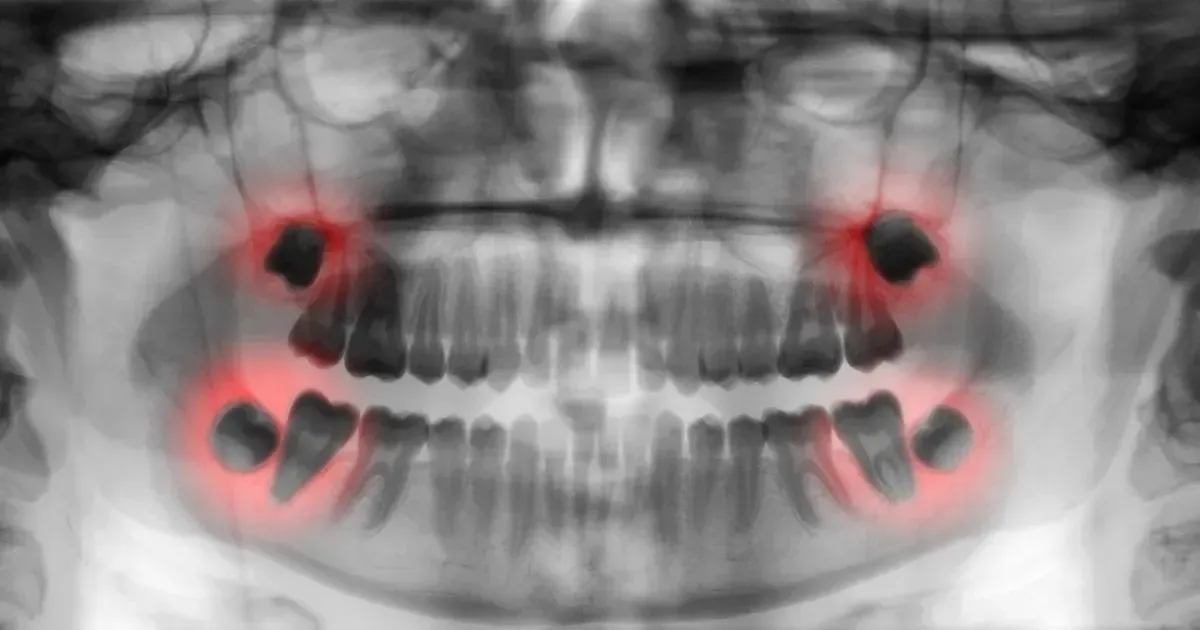
- Modern technology: Expect digital X-rays, panoramic imaging, and CBCT scans when needed, plus sterile instruments and single-use disposables. Many clinics use guided techniques to reduce chair time and swelling.
- Comfortable pain control: Local anesthesia is routine, and for anxious patients or difficult cases, IV sedation or nitrous oxide is available at selected clinics and hospitals.
- Reasonable pricing: Fees are transparent, quoted in baht, and usually shown upfront before you commit. No need to break the bank for safe, professional care.
What “skilled surgical dentist” really means
A skilled surgical dentist in Thailand typically has:
- Board certification and a valid Thai Dental Council license, often with additional training in oral surgery.
- Experience with complex extractions, especially of impacted third molars, infected teeth, or teeth broken at the gum line.
- A systematic approach to imaging, flap design, bone contouring, sectioning, and suturing that minimises trauma.
- A plan for complications such as dry socket, nerve proximity, or sinus exposure, and access to hospital support if needed.
How to choose the right clinic
To find the best fit, look at more than just location:
- Credentials: Check the dentist’s qualifications, years of experience, and surgical case mix. Clinics commonly display dentist profiles on their website or reception wall.
- Technology and safety: Ask if they use CBCT for tricky wisdom teeth, what sterilisation protocols they follow, and whether surgical kits are individually pouched and autoclaved.
- Sedation options: If you are nervous, confirm availability of IV sedation (often done in partnership with a hospital) and who monitors your vitals.
- Transparent fees: Request a written estimate. Good clinics list fees per tooth, plus any charge for X-ray, CBCT, sedation, or stitches removal.
- After-hours support: A clinic with a hotline, Line chat, or weekend on-call policy is reassuring in case of bleeding or pain spikes.
- Location and access: In Bangkok, being near BTS or MRT (e.g., Sukhumvit, Silom, Sathorn, Siam) makes visits easier. In Phuket and Chiang Mai, central areas like Patong, Phuket Town, or Nimmanhaemin are convenient.
- Payment and insurance: Most accept cash, card, and QR PromptPay. If you need reimbursement, ask for a detailed receipt in English with treatment codes.
Typical costs in Thailand
Prices vary by city and clinic level, but a realistic range is:
- Consultation and X-ray: 300–1,200 THB for periapical or panoramic films; CBCT 2,500–5,000 THB when indicated.
- Simple extraction (no surgery): 1,200–3,000 THB per tooth.
- Surgical extraction (soft tissue
or partial bone removal): 3,500–8,000 THB.
- Impacted wisdom tooth (complex): 6,000–25,000 THB per tooth, depending on depth, angle, and nerve proximity.
- Sedation: 10,000–25,000 THB extra if IV sedation is provided in a hospital setting.
Big cities and hospital-based clinics are on the higher end, while community clinics may be lower. Quality clinics will quote clearly before treatment.
What happens during the procedure
1) Assessment: The dentist reviews your symptoms, checks your bite and gums, and orders imaging. For wisdom teeth near the nerve, a CBCT helps map the root and canal.
2) Treatment plan: You’ll get an explanation of the approach—simple elevation or surgical flap—and the estimated time, cost, and recovery.
3) Anesthesia: Local anesthetic ensures you feel pressure but no sharp pain. For sedation cases, your vitals are monitored throughout.
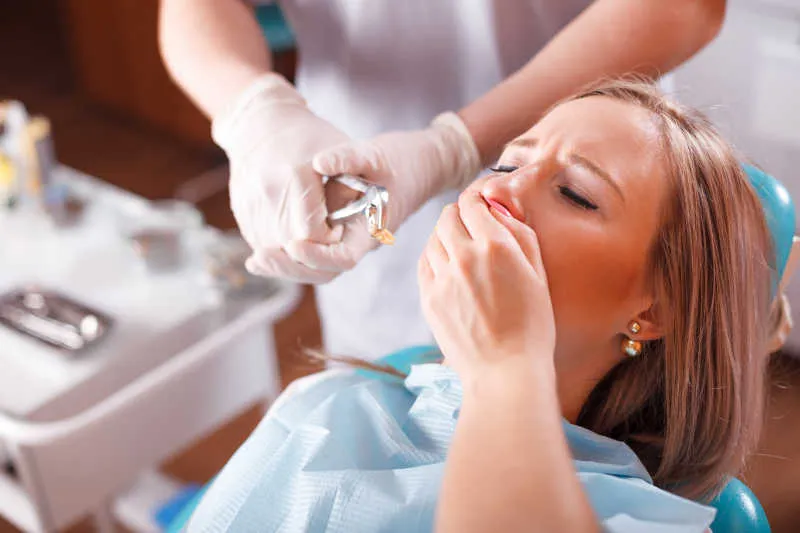
4) Surgical steps: The dentist gently loosens the tooth, and if needed, makes a small incision, removes minimal bone, and sections the tooth so it comes out smoothly.
5) Closure: The site is irrigated, bone edges are smoothed, and sutures are placed if required. You’ll bite on gauze to help stop bleeding.
6) Discharge: You receive written aftercare instructions and medication, usually including pain relief and, when indicated, antibiotics and antiseptic mouthwash.
Aftercare tips Thai clinics commonly recommend
- Bite on gauze for 30–60 minutes to control bleeding.
- No spitting, rinsing, or straw use for the first 24 hours to protect the clot.
- Skip hot soup, alcohol, and smoking. In Thailand, it’s wise to avoid spicy dishes like som tam and sticky rice on the first day to prevent irritation.
- Cold compress outside the cheek for 10 minutes on, 10 minutes off, during the first 24 hours.
- From day two, gentle warm saltwater rinses after meals to keep the site clean.
- Take medicine as prescribed and sleep with head slightly elevated the first night.
- Return for suture removal if non-dissolving stitches were used.
Call the clinic immediately if you have persistent bleeding, fever, increasing swelling after day three, or a bad taste and pain that worsens (possible dry socket).
Travel planning for dental tourists
- Timing: If you’re here for holiday, book the extraction at least 48–72 hours before flights to allow initial recovery. For impacted wisdom teeth, give yourself 5–7 days if possible.
- Activities: Avoid scuba diving, Muay Thai training, and heavy workouts for several days. Island hopping is more enjoyable once swelling settles.
- Peak periods: During Songkran and New Year, clinic hours can change and queues are longer. Pre-book to secure your slot.
- Follow-up: Many clinics offer WhatsApp or Line support. Share photos if you’re unsure about healing; it saves a trip across town.
Where to look
You’ll find excellent Thailand tooth extraction clinics in:
- Bangkok: Along Sukhumvit (Asoke, Phrom Phong, Thonglor), Silom-Sathorn, and near major hospitals and malls. Easy access via BTS/MRT.
- Phuket: Patong and Phuket Town have reputable dental centers used to international patients.
- Chiang Mai: Clinics around Nimmanhaemin and the Old City serve both locals and visitors.
For complex extractions or sedation, consider clinics affiliated with large private hospitals or JCI-accredited medical centers.
Final takeaway
Thailand tooth extraction clinics with skilled surgical dentists combine gentle technique, modern equipment, and friendly, clear communication. With proper screening, transparent pricing, and strong aftercare, you can expect a smooth experience and quick recovery—so you leave the chair feeling relieved, not worried.