Thailand Tooth Extraction Clinics Providing Excellent Treatment Standards
Thailand Tooth Extraction Clinics Providing Excellent Treatment Standards
Thailand Tooth Extraction Clinics Providing Excellent Treatment Standards
If you’re considering a tooth extraction in Thailand, you’ll find that clinics here combine gentle care with international-quality standards. From Bangkok to Chiang Mai, Phuket, and beyond, Thailand tooth extraction clinics are well known for skilled dentists, modern equipment, and a service-minded approach that puts patient comfort first. Whether it’s a straightforward removal or an impacted wisdom tooth that needs an oral surgeon, you can expect clear communication, transparent fees, and careful follow-up.
What excellent standards look like in Thailand
- Licensed professionals: Dentists are registered with the Dental Council of Thailand and many have postgraduate training in oral surgery, implantology, or sedation. You’ll often see certificates displayed at reception.
- Up-to-date technology: Digital X‑rays, panoramic imaging, and in many centres CBCT scans support accurate diagnosis. Rubber dams, surgical guides, and magnification loupes are commonly used for precision and safety.
- Strict sterilisation: Clinics follow Ministry of Public Health guidelines, with sealed autoclave pouches, instrument tracking indicators, and single-use consumables. Staff wear full PPE and ask you to rinse with an antiseptic mouthwash before treatment.
- Pain control tailored to you: Numbing gel and local anaesthetic are standard. For anxious patients, some clinics offer nitrous oxide, oral sedation, or referral to hospital-based IV sedation under monitoring.
- Clear communication and consent: English-speaking dentists and nurses explain the plan, benefits, risks, and alternatives, then provide a written consent form and a breakdown of costs. Pre- and post-op instructions are given verbally and in print.
- Accessible follow-up: Most clinics arrange a quick review to check healing. In case of concerns like swelling or dry socket, you can call, message via LINE, or walk in for assessment.
Types of tooth extraction services available
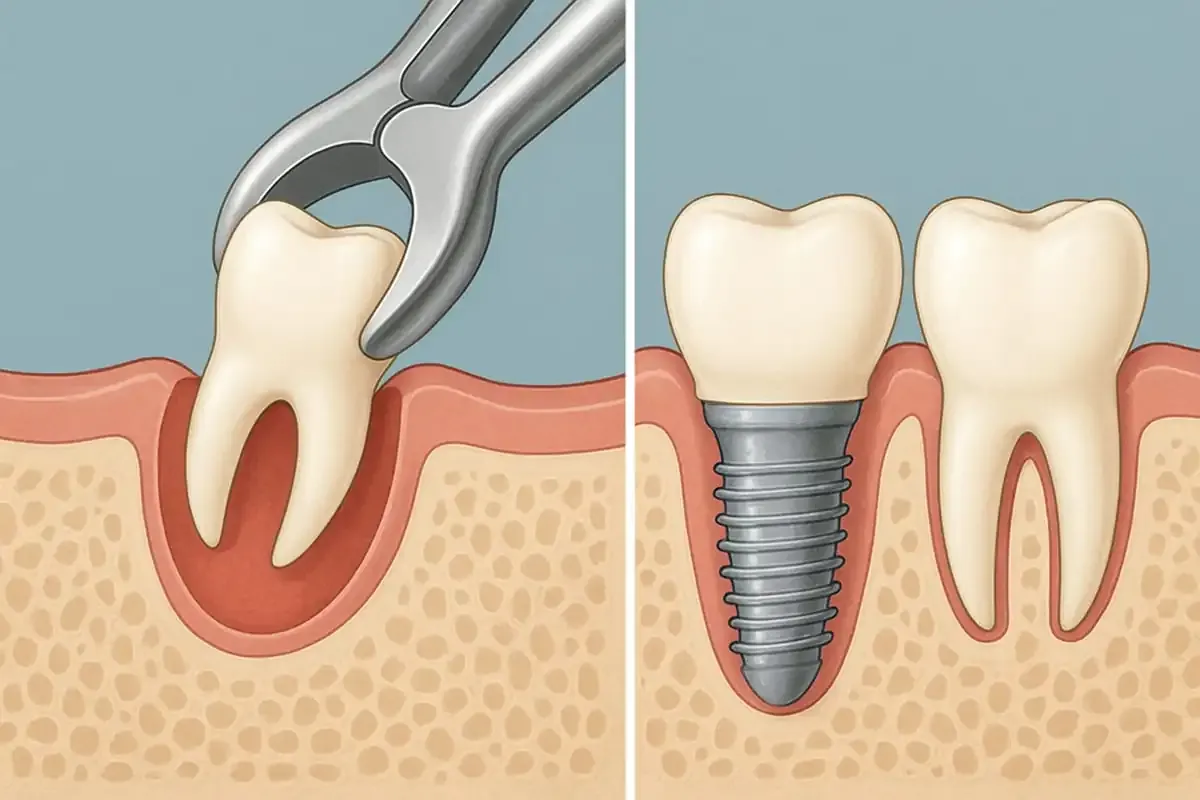
- Simple extraction: For teeth that are mobile or have erupted fully. This is usually quick and minimally invasive.
- Surgical extraction: For broken roots, curved roots, or teeth that need a small incision and sutures. Dentists use gentle techniques to preserve bone and gum.
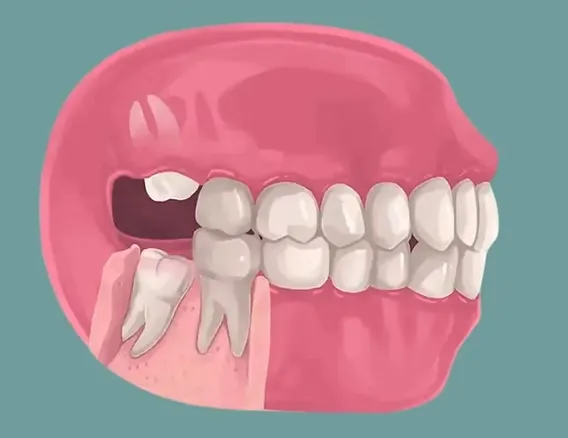
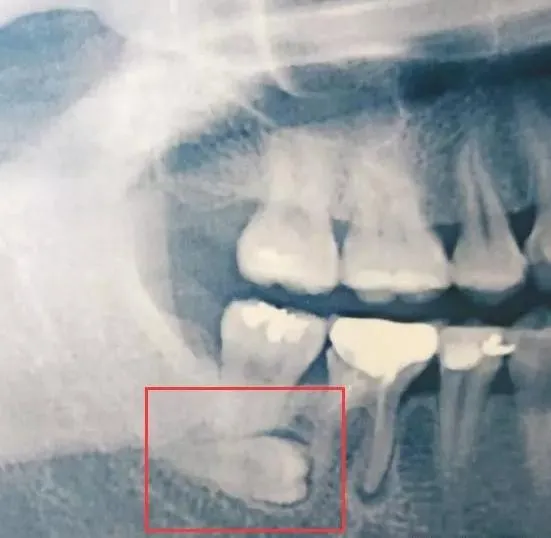
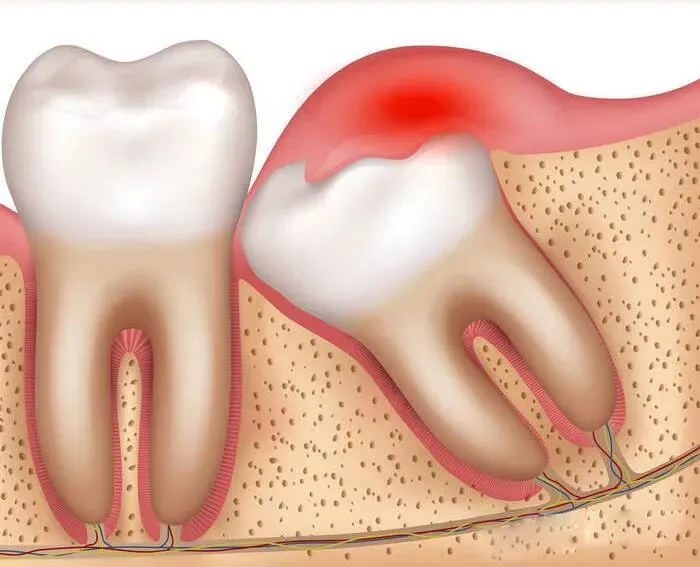
- Wisdom tooth removal: Impacted or partially erupted third molars are handled by experienced general dentists or oral surgeons, depending on complexity. Panoramic X-rays help plan a safe approach.
- Orthodontic-related extraction: When teeth are removed to create space in alignment cases, coordination with the orthodontist ensures timing and healing are optimal.
- Emergency extraction: For severe toothache, infection, or fractured teeth that cannot be restored, clinics offer same-day or next-day slots.
What to expect at your appointment
- Booking and arrival: Appointments can be made by phone, website, Facebook, or LINE Official Account. Many clinics are open late and on weekends. Arrive a bit early to fill in medical history and get your queue number in a clean, air-con waiting area.
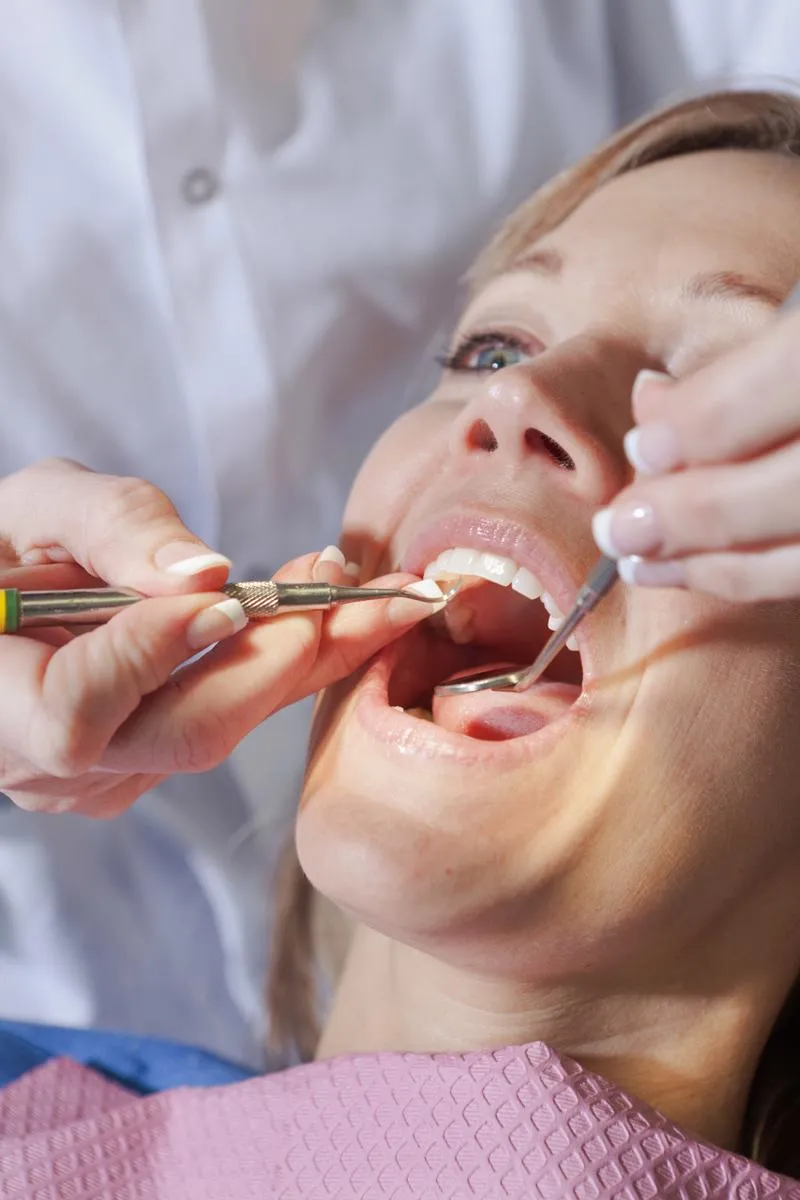
- Assessment: The dentist will examine your mouth and take X-rays to evaluate roots, bone, and nerve position. You’ll discuss options such as root canal versus extraction, timing, costs, and expected recovery.
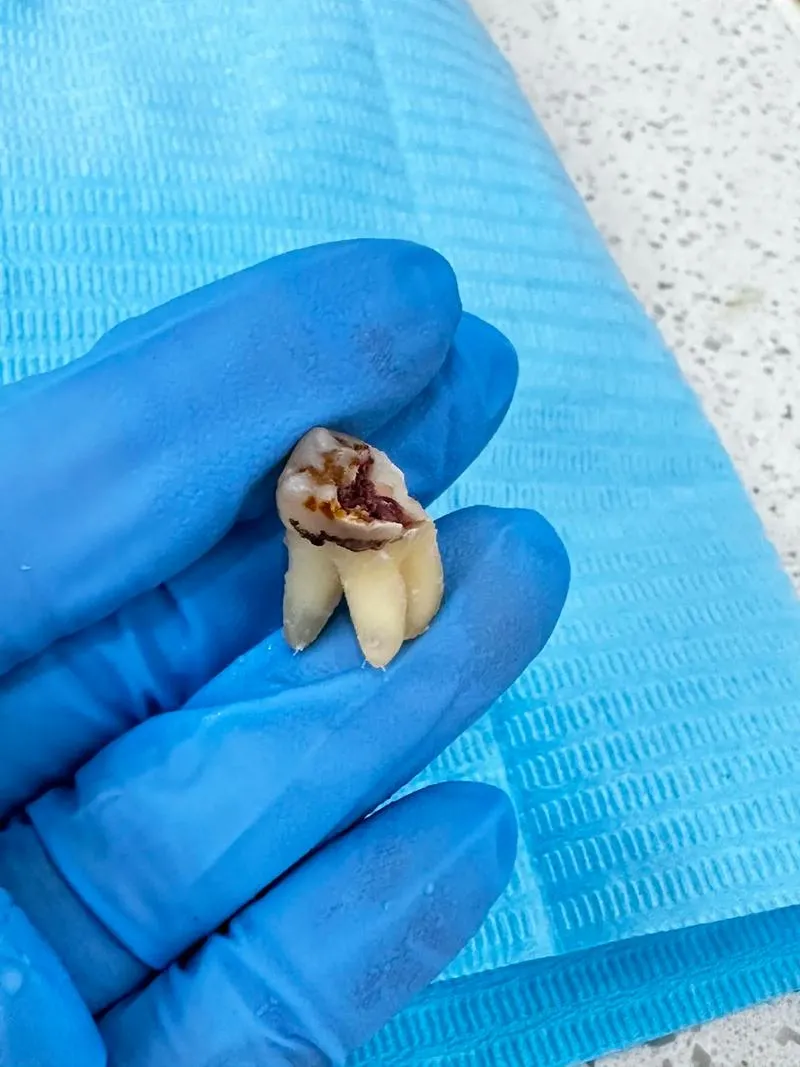
- Anaesthesia and procedure: After numbing, the dentist gently loosens the tooth and removes it. For surgical cases, a small flap may be made; bone smoothing and stitches follow. You’ll feel pressure but not sharp pain. The site is cleaned and a sterile gauze is placed for you to bite on.
- Duration: Simple extractions may take 10–20 minutes once numb; surgical and wisdom teeth can take longer depending on complexity. Plan around 60–90 minutes for consultation, anaesthesia, and post-op instructions.
- Aftercare and medication: You may receive pain relievers and, only when indicated, antibiotics. The team will explain
how to manage swelling, what to eat, and when to return. Many clinics provide a written leaflet and a small aftercare pack.
Costs and insurance basics
Thailand tooth extraction clinics are known for competitive pricing compared with many Western countries. Fees vary by clinic, city, and case complexity. Simple extractions typically cost a modest amount, while surgical or impacted wisdom teeth are higher due to imaging, time, and materials. Most clinics accept cash and major credit cards. If you have international or company insurance, ask for a detailed receipt for claiming; direct billing is less common at small clinics but more available in hospital-based centres. For tourists, travel insurance usually does not cover planned dentistry, but emergency cases may be claimable—check your policy.
How to choose a reliable clinic
- Check credentials: Look for the dentist’s full name and Dental Council registration number displayed. If you need an oral surgeon, ask about specialty training.
- Review technology and protocols: Confirm that the clinic uses digital X‑rays, sealed sterilisation pouches, and single-use needles. Don’t hesitate to ask about infection control; good clinics will answer confidently.
- Read recent reviews: Google Maps reviews with detailed comments on communication, cleanliness, and aftercare are helpful. Consistent 4–5 star feedback is a good sign.
- Ask about the plan: A trustworthy clinic will explain why extraction is advised, show X‑rays, discuss alternatives, and give a clear consent form in English.
- Clarify costs: Request an itemised quote before treatment, including anaesthesia, X‑rays, surgical fees, sutures, and follow-up. Transparent clinics provide a printed price list or a written estimate.
- Consider convenience: If you’re visiting from out of town, choose a clinic close to your hotel or a hospital dental centre with extended hours, especially for wisdom tooth removal.
Popular locations across Thailand
- Bangkok: You’ll find a full range, from neighbourhood clinics to hospital dental centres with oral surgery and sedation services. Areas like Sukhumvit, Silom, and Ari are popular with expats for English-speaking teams.
- Chiang Mai: Well-regarded clinics serve both locals and visitors, with a relaxed pace and competitive fees. Old City and Nimmanhaemin have many options.
- Phuket and Pattaya: Tourist hubs with experienced dentists used to international patients. For more complex cases or IV sedation, hospital dental departments are available.
- Regional cities: Khon Kaen, Hat Yai, and Udon Thani offer quality care with shorter queues. Great choice if you live upcountry.
Aftercare tips for smooth healing
- Keep the gauze in place for the time advised; change as instructed until bleeding stops.
- Avoid spitting, using a straw, smoking, or alcohol for at least 48–72 hours to protect the blood clot.
- Apply a cold compress on and off for the first 24 hours to reduce swelling; sleep with your head slightly elevated.
- Take pain medication exactly as advised. Only take antibiotics if prescribed.
- After 24 hours, rinse gently with warm salt water 2–3 times daily. Continue normal brushing but be careful around the extraction site.
- Eat soft foods: rice porridge (jok), soft tofu, banana, yoghurt, scrambled egg, clear soup. Skip sticky rice, nuts, and spicy dishes like som tam until healing improves.
- Return for suture removal and review as scheduled, or sooner if you have fever, persistent bleeding, increasing pain, or a bad taste.
The bottom line
Thailand tooth extraction clinics deliver high treatment standards with a friendly, patient-first approach. You’ll benefit from experienced dentists, modern equipment, and clear pricing, whether you need a simple removal or a complex wisdom tooth surgery. Book ahead, ask questions, follow the aftercare, and you’ll be all good—comfortable treatment, fair fees, and a healthy, fast recovery.