Thailand Tooth Extraction Clinics Using Advanced Surgical Equipment
Thailand Tooth Extraction Clinics Using Advanced Surgical Equipment
Thailand Tooth Extraction Clinics Using Advanced Surgical Equipment
Thinking about getting a troublesome tooth removed in Thailand? You’re in good company. Across Bangkok, Chiang Mai, Phuket, and Pattaya, modern dental clinics are using advanced surgical equipment and internationally aligned protocols to make tooth extraction—whether simple or impacted wisdom teeth—as safe, precise, and comfortable as possible. Add in reasonable pricing, clear communication in English, and the signature Thai hospitality, and it’s easy to understand why both local residents and travellers book their dental visits here.
Why advanced surgical equipment matters
Tooth extraction is minor surgery. The right tools and clinical systems reduce trauma, shorten chair time, and help you heal with fewer complications. In Thailand’s better-equipped clinics, technology works hand-in-hand with a skilled doctor to protect nearby nerves and sinuses, control infection risk, and keep pain well managed during and after the procedure.
What you’ll commonly see in Thailand’s modern tooth extraction rooms
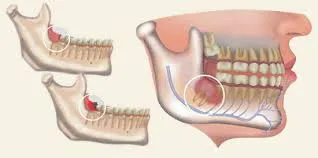
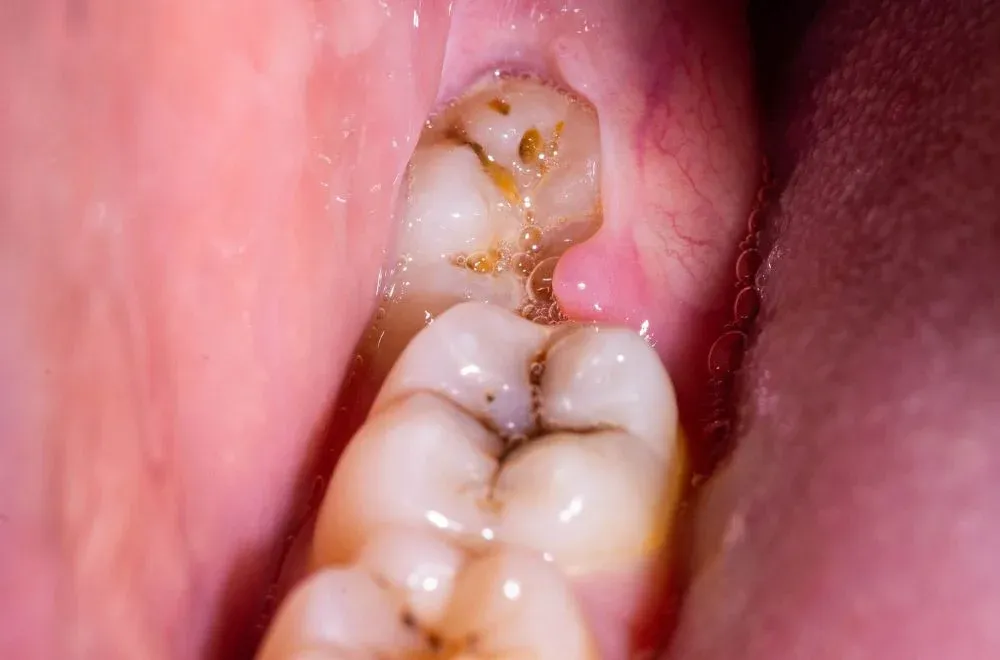
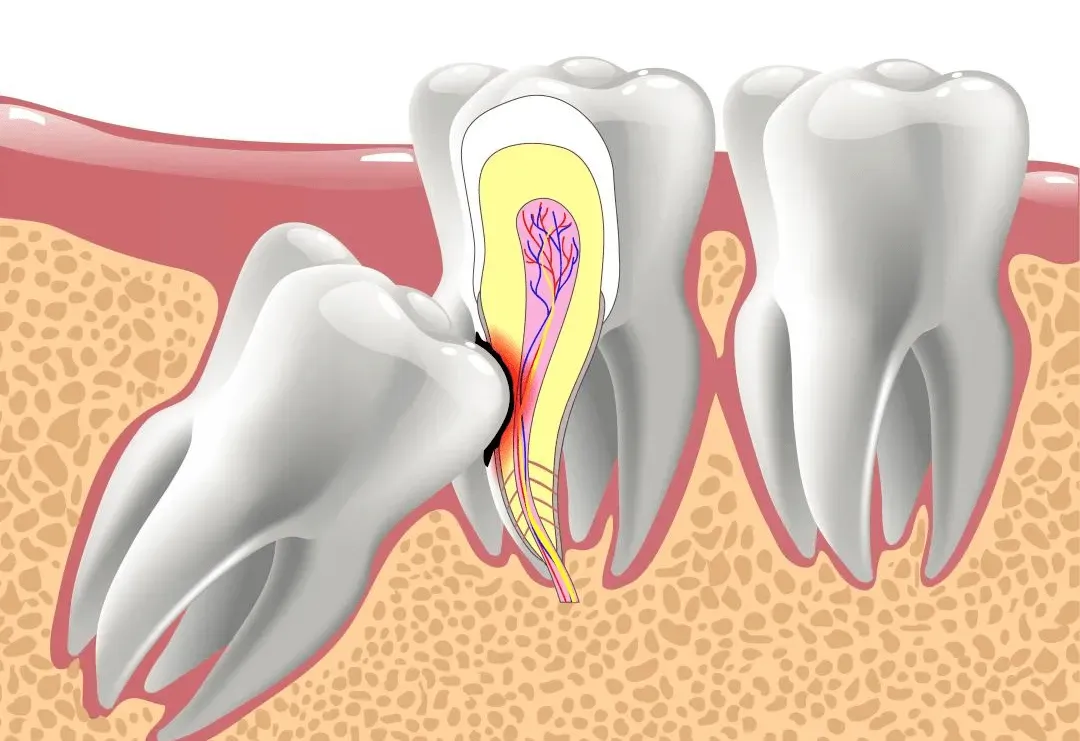
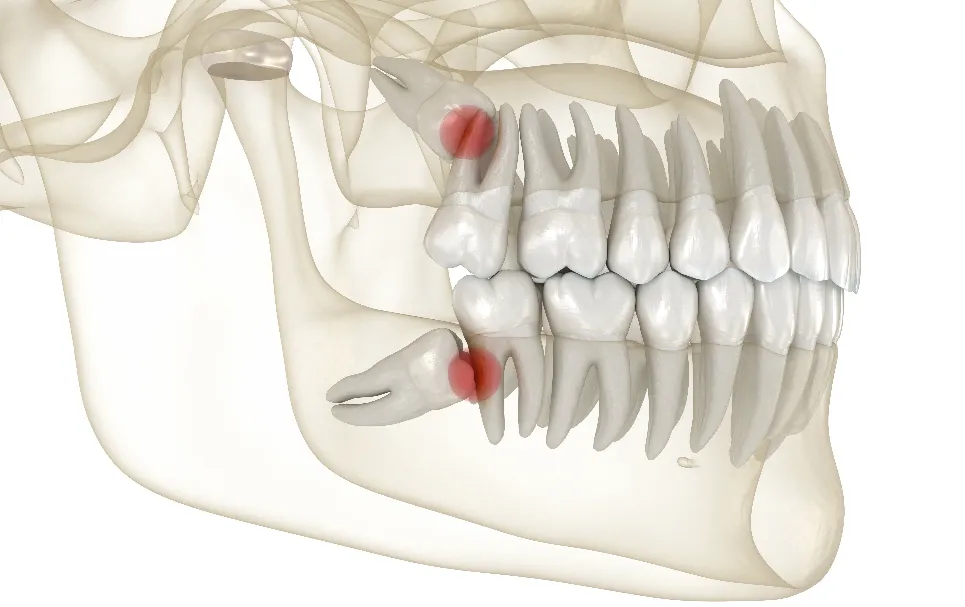
- Digital imaging for accurate planning: Most clinics will take a digital X-ray on the spot; many also have cone-beam CT (CBCT) for 3D views when roots are curved, teeth are impacted, or sinuses are close. Digital systems mean lower radiation and instant images, so the doctor can explain your case clearly.
- Magnification for precision: Surgical loupes or an operating microscope help the doctor see fine structures, remove less bone, and preserve as much healthy tissue as possible. This is especially useful for wisdom teeth and broken roots.
- Atraumatic extraction instruments: Periotomes, fine luxators, and physics forceps are designed to loosen teeth gently, protecting the surrounding bone—and making future implant placement easier if that’s in your plan.
- Ultrasonic and piezosurgery units: These devices cut bone in a controlled way while sparing soft tissue, reducing heat and swelling. They are common in surgical extractions of impacted wisdom teeth.
- Torque-controlled surgical motors: When bone removal or sectioning is needed, physiodispensers with sterile irrigation keep things cool and consistent, which supports faster recovery.
- Soft-tissue lasers: Diode lasers can manage gum tissue with minimal bleeding and cleaner wound edges, improving visibility and comfort.
- PRF and socket preservation: Many clinics have a centrifuge for platelet-rich fibrin (PRF). Using your own blood concentrate over the extraction site can support healing. If you’re planning an implant, doctors may place a bone graft and membrane to preserve the socket.
- Class B autoclaves and strict sterilisation: Look for clinics that pack instruments in sealed pouches, run biological indicators, and log each cycle. You’ll often see cassettes, disposable barriers, and separate “clean/dirty” workflows. Some surgical rooms include HEPA filtration for added air safety.
- Sedation and monitoring: Beyond local anaesthesia, clinics may offer nitrous oxide, oral sedation, or IV sedation with an anaesthesiologist. You should see vital signs monitors, suction backup, and emergency kits checked regularly.
Who will remove your tooth?
In Thailand, uncomplicated extractions are often handled by general dentists with surgical training, while impacted wisdom teeth and complex cases go to oral and maxillofacial surgeons. Reputable clinics list the doctors’ full names and Thai Dental Council registration, plus their residency or fellowship. If you’re not sure, no worries—just ask the reception to share the doctor’s profile before you confirm.
What to expect on the day
- Booking and arrival: Most
clinics take booking via LINE, WhatsApp, or phone, with quick reply in English. Walk-in is possible in some places, but it’s safer to make an appointment to avoid a long queue—especially on weekends and public holidays. Bring your passport if you’re an international patient.
- Consultation and quote: After a quick health check and imaging, the doctor will explain the findings, discuss options (simple vs surgical), anaesthesia choices, expected downtime, and cost. Good clinics give a clear, itemised quote before you proceed and a proper receipt for insurance claims.
- During the procedure: You’ll get numbing first. Many doctors use topical anaesthetic before the injection to keep it more comfortable. With magnification and modern instruments, most extractions are quick. Surgical cases may include a small gum incision and a few stitches. You’ll rest for a short while in recovery before going home.
- Aftercare: You’ll receive written instructions. Expect to bite on gauze for an hour, avoid hot drinks and straws for 24 hours, and use an ice pack off-and-on for swelling on day one. Pain is usually manageable with paracetamol or ibuprofen unless your doctor advises differently. Antibiotics are prescribed only when indicated. Stitches, if not dissolving, are usually removed after 5–7 days. Many clinics provide a LINE contact for any questions—very convenient.
Costs and value for money
Fees vary by city and clinic setup, but you can use these ballpark figures:
- Simple extraction: around THB 1,000–3,000 per tooth
- Surgical wisdom tooth removal: around THB 5,000–12,000 per tooth, depending on complexity
- CBCT scan (if needed): around THB 2,000–4,000
- Sedation: additional, quoted per case (IV sedation costs more and requires an anaesthesiologist)
Private dental hospitals may be higher but can offer operating theatre support for complex cases. Most clinics accept cash, Thai bank transfer, PromptPay, and major credit cards.
Convenience and comfort, Thai-style
Clinics in central Bangkok are often steps from BTS or MRT for easy access—think Asok, Phrom Phong, Thonglor, or Sala Daeng. In Chiang Mai, look around Nimman and the Old City; in Phuket, Patong and Phuket Town; in Pattaya, Central Pattaya and Naklua. Expect clean, air-con waiting areas, free Wi‑Fi, friendly staff, and extended hours on weekdays or weekends. Many places offer same-day consult and extraction if imaging and consent are complete.
How to choose the right clinic
- Check the doctor’s credentials and experience with surgical extractions
- Confirm availability of digital X-ray and CBCT on-site
- Ask about sterilisation protocols (Class B autoclave, sealed pouches, logs)
- Review sedation options and emergency readiness
- Look at recent patient reviews that mention wisdom teeth removal
- Request an upfront, itemised quote and estimated timeline
- Ensure good aftercare support and easy contact via LINE or phone
A quick tip: clinics that explain things clearly, show your images, and take time to answer questions usually deliver better patient experience. No rush is a good sign.
The takeaway
Thailand’s tooth extraction clinics combine advanced surgical equipment with careful technique and warm, efficient service. Whether you need a simple removal or a complicated wisdom tooth surgery, you can expect precise planning, modern instruments, and strict sterilisation—plus straightforward pricing and smooth aftercare. If you plan ahead, choose a well-equipped clinic near your hotel or BTS/MRT, and follow the doctor’s instructions, your recovery should be fast and uneventful. That’s excellent oral care, Thai style: high-tech, value for money, and genuinely patient-first.