Thailand Tooth Extraction Care With Flexible Treatment Arrangements
Thailand Tooth Extraction Care With Flexible Treatment Arrangements
Thailand Tooth Extraction Care With Flexible Treatment Arrangements
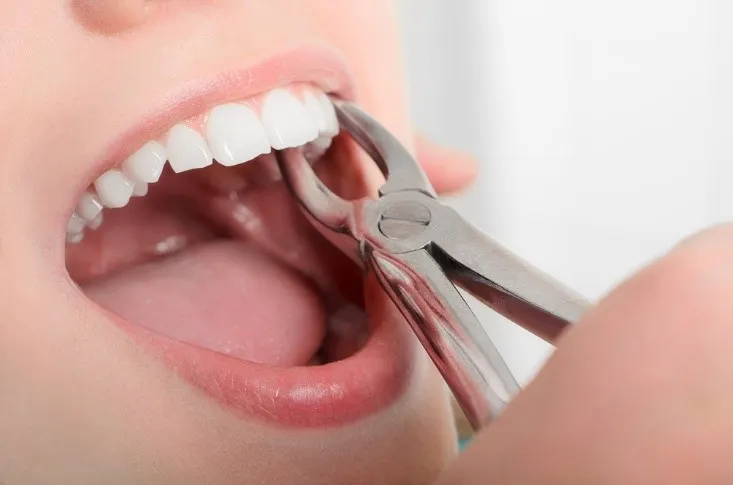
If you’re planning a tooth extraction in Thailand—whether you live here full-time or you’re visiting on holiday—you’ll find that care is gentle, professional, and surprisingly flexible. Clinics across Bangkok, Chiang Mai, Phuket, and other cities understand busy schedules, traffic, and travel plans. Many offer walk-in slots, extended evening hours, weekend appointments, and easy booking through phone, web, or LINE. With the right preparation and a few simple aftercare steps, your recovery can be smooth and stress-free.
Why tooth extractions are done
Not every troubled tooth needs to come out, but there are clear situations where an extraction is best:
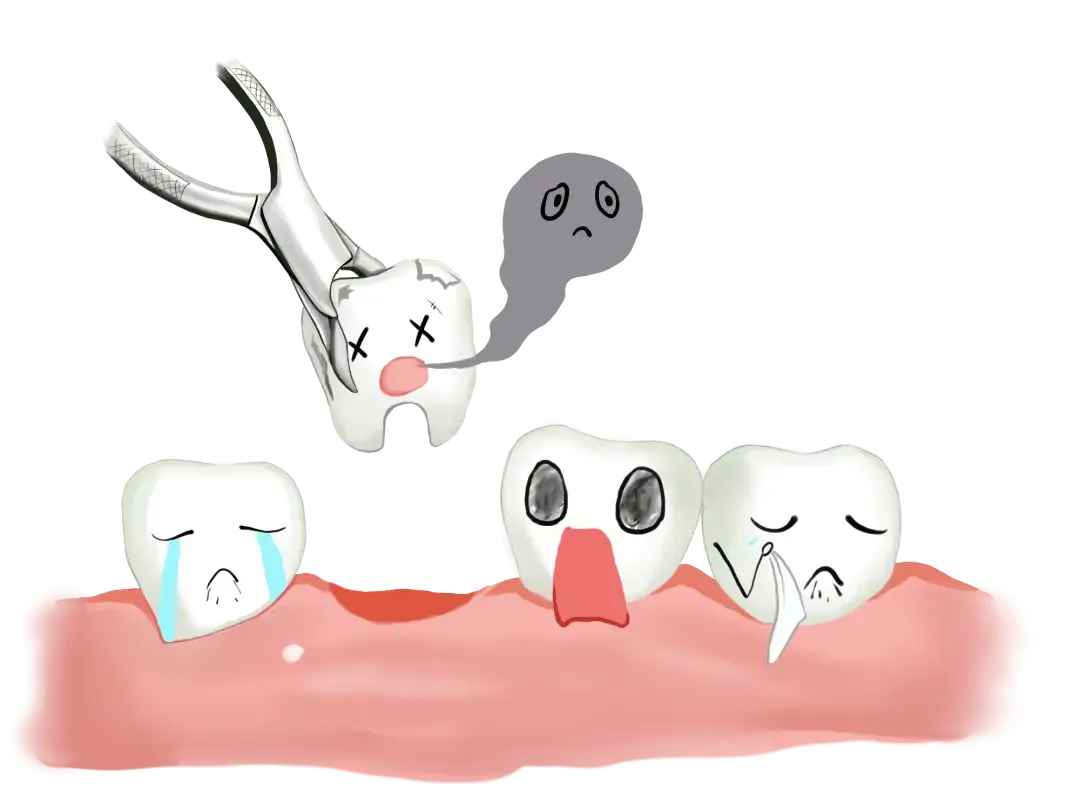
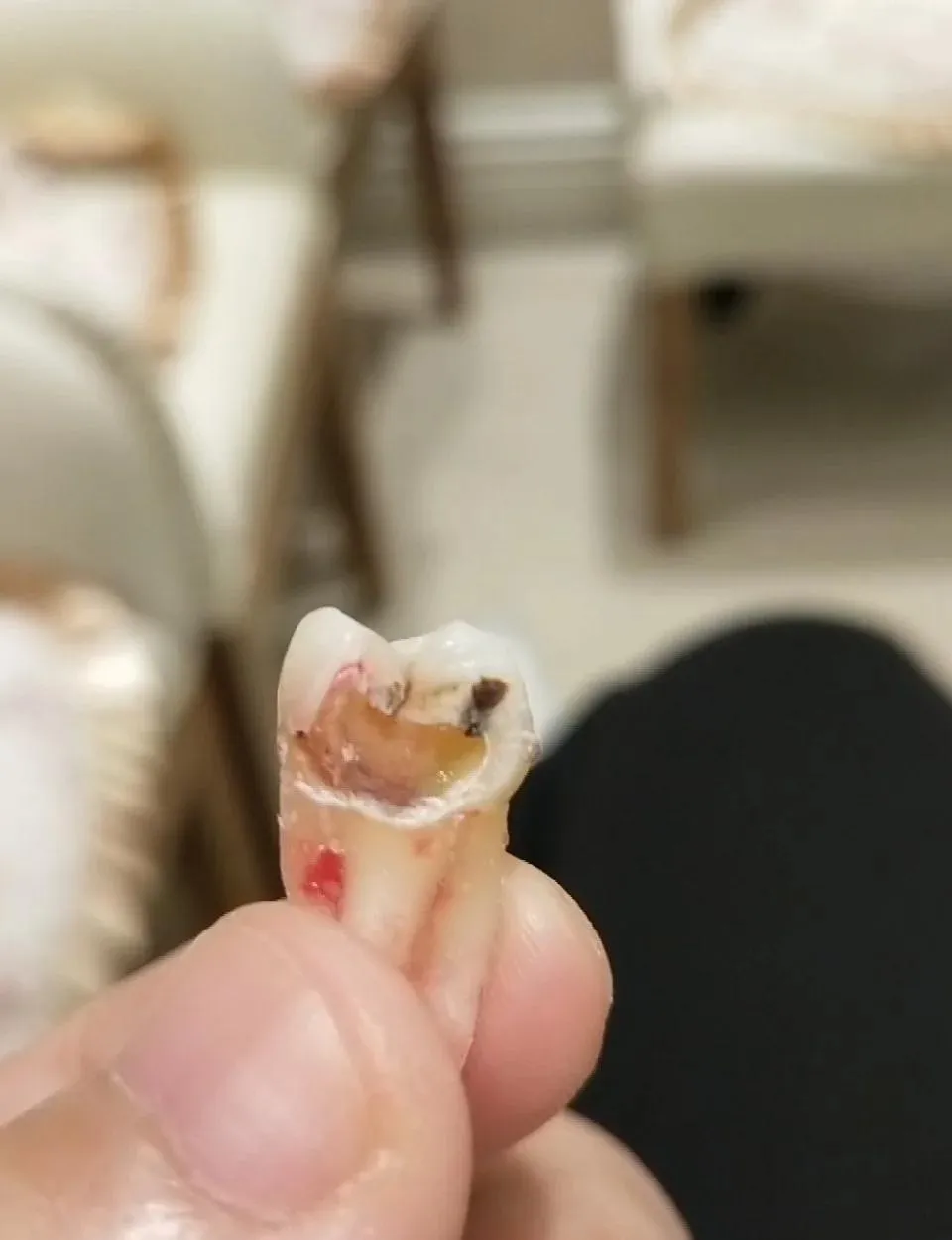
- Severe decay or fracture that cannot be restored
- Persistent infection or failed root canal
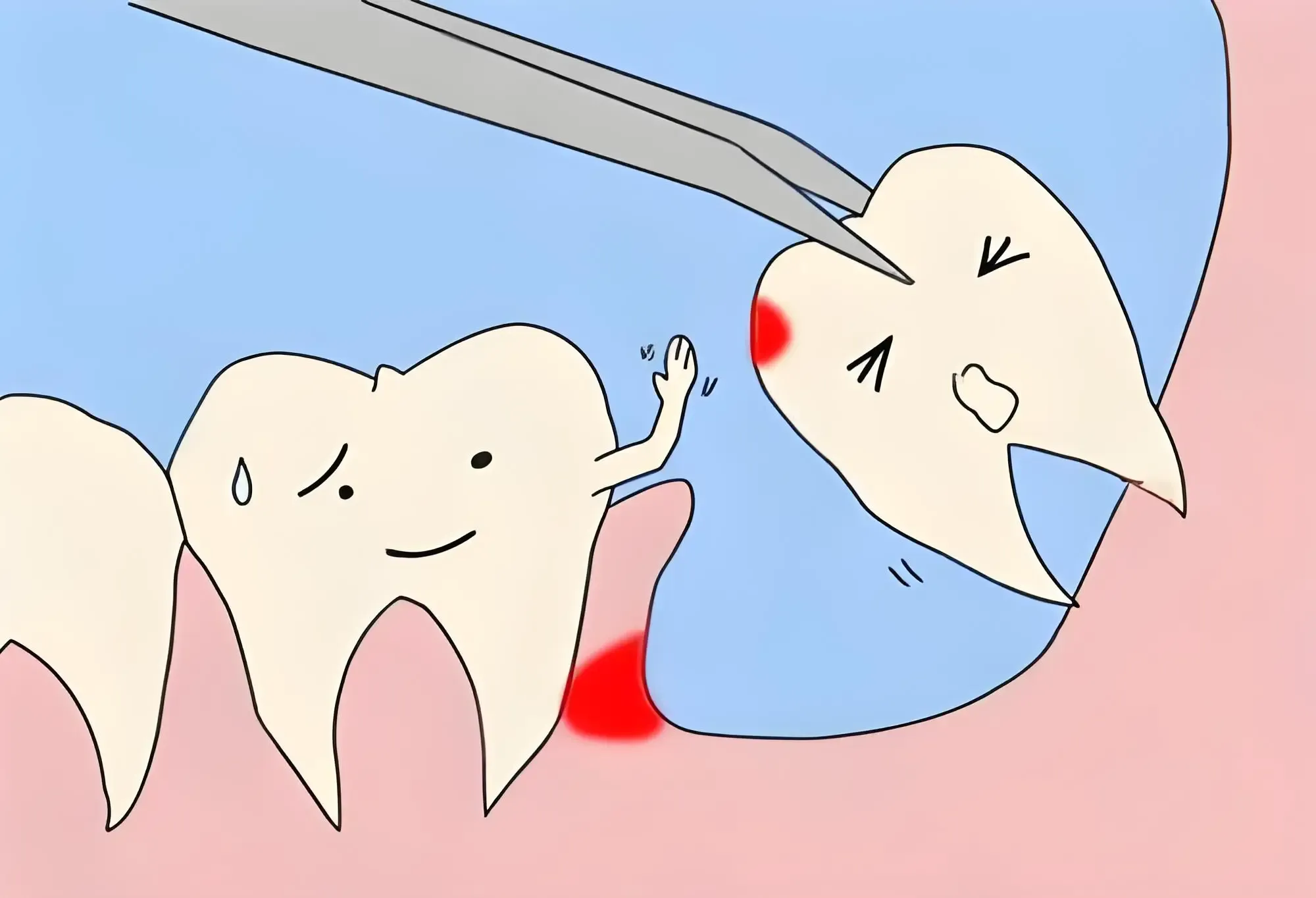
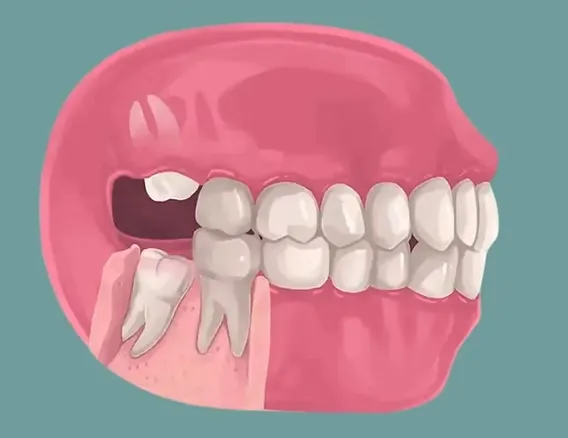
- Impacted wisdom teeth causing pain or crowding
- Orthodontic reasons to create space
- Advanced gum disease with loose teeth
In Thailand, dentists will usually take a small X-ray, explain your options in clear English, and discuss costs before any procedure. If you prefer to think it over or check your insurance, no problem—most clinics will hold a tentative slot for you.
Booking in a way that suits you
Thailand’s clinics are very flexible with arrangements:
- Same-day appointments for urgent pain, often with a queue number for walk-ins
- Evening and weekend hours, sometimes including public holidays
- Quick replies via LINE, Facebook, or call center
- Locations near BTS/MRT stations or with easy parking
- Options at hospitals if you need sedation or have medical conditions
Tip: If you are staying around Sukhumvit, Silom, Nimmanhaemin, or Patong, you can usually find a clinic within 5–10 minutes’ walk. Many are expat-friendly and used to helping international patients with clear communication and upfront pricing.
What happens on the day
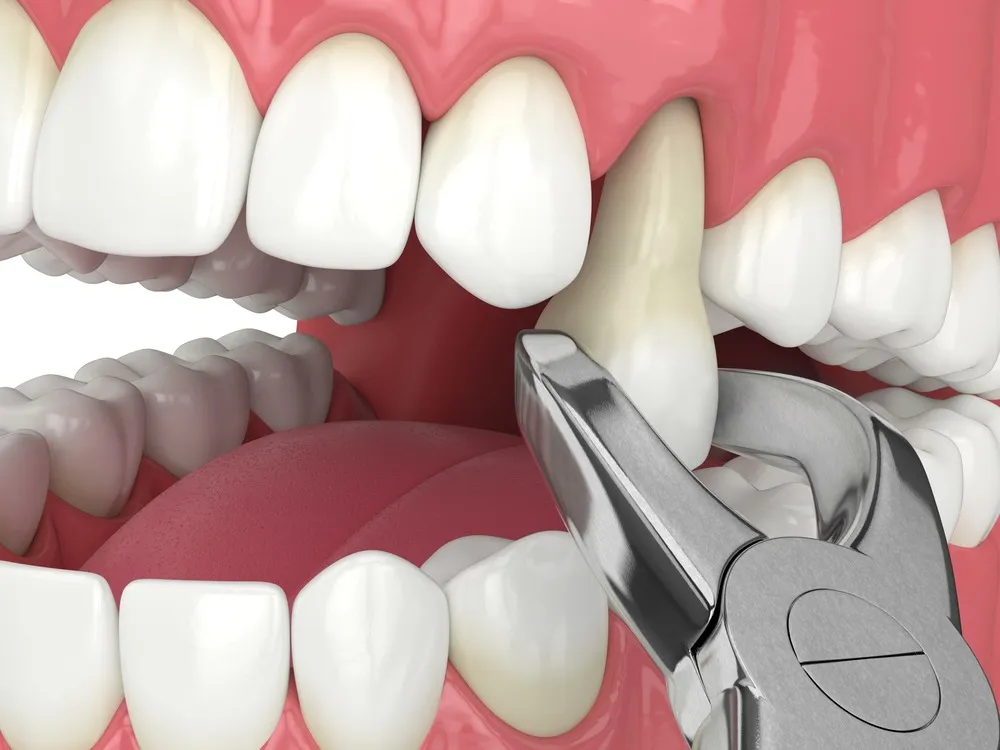
Your dentist will assess the tooth, review any allergies, and check if you’re taking blood thinners or other important medications. You’ll receive local anesthesia to numb the area; most simple extractions are quick and painless. For impacted wisdom teeth or complex cases, minor surgical procedures are done under local anesthesia, sometimes with sedation in a hospital setting if needed.
After the tooth is removed, the dentist will place gauze and ask you to bite down to help form a good blood clot. You’ll get aftercare instructions in English (and usually on LINE as well), plus a follow-up plan. Payment is straightforward—cash, card, or QR PromptPay are common.
Immediate aftercare you can count on
The first 24 hours are key. Treat yourself kindly and follow these simple steps:
- Bite on the gauze as advised, often for 30–60 minutes, replacing it if needed. Keep pressure steady.
- No rinsing, spitting, or drinking through a straw on day one. Avoid vigorous swishing that can dislodge the clot.
- Apply a cold pack outside your cheek for 10–15 minutes on and off during the first few hours to reduce swelling.
- Rest with your head slightly elevated and limit heavy activity.
- If your dentist prescribed pain relief, take it as directed. Paracetamol or ibuprofen are commonly recommended. Avoid aspirin, which can increase bleeding.
- Skip alcohol and smoking for at least 72 hours. Smoking increases the risk of dry socket.
From day two onwards
- Start gentle warm saltwater rinses after meals, two to three times a day. Don’t use strong commercial mouthwashes unless your dentist advises.
- Brush as usual but avoid brushing directly on the e
xtraction site for a few days.
- Stick to soft foods: Thai-style congee (jok), steamed egg, soft rice, bananas, yogurt, tofu, and soups at a comfortable temperature. Avoid very hot or spicy foods on day one if the area feels sensitive. Chew on the opposite side.
- Keep hydrated, but still avoid straws until the area feels settled.
Typical recovery timeline
- Day 0–1: Numbness wears off, mild bleeding or oozing may occur; follow gauze instructions.
- Day 2–3: Swelling may peak, then start improving; pain should be manageable with medication.
- Day 4–7: Gradual healing; you can return to normal brushing and a wider diet as comfort allows.
- 1–2 weeks: Soft tissue usually heals. Your dentist may schedule a review, especially for surgical cases or wisdom teeth.
Warning signs to watch for
Call or message your clinic promptly if you notice:
- Persistent bleeding that doesn’t settle after firm gauze pressure
- Severe, throbbing pain that worsens after day two (possible dry socket)
- Fever, foul taste, or spreading swelling
- Numbness that does not improve after a few hours
- Any reaction to medication
Most Thai clinics welcome quick check-ins via LINE and can offer a short review visit without fuss. If you’re traveling soon, let them know your dates so they can adjust follow-up timing.
Flying and travel plans
If you’ve had a simple extraction, it’s best to avoid flying for at least 24–48 hours; for surgical or wisdom tooth cases, wait 72 hours or as your dentist advises. Changes in cabin pressure can be uncomfortable, and you’ll recover more comfortably on the ground. If you’re on a tight schedule, clinics can arrange earlier morning slots, same-day documentation, and medication packs for your journey.
Cost and transparency
Fees vary by city and complexity. Simple extractions generally cost less, while impacted wisdom teeth cost more due to surgical time and X-rays. Thai clinics tend to be upfront with price ranges and will list what’s included (consultation, X-ray, medications). If you have international insurance, ask about direct billing; otherwise, receipts and treatment codes are provided for claims.
Payment and communication made easy
- Book through LINE or a quick call; many clinics confirm within minutes
- Cash, credit/debit cards, and QR PromptPay widely accepted
- English-speaking staff in most city clinics; some have Chinese, Japanese, or Arabic support
- Clear, printed aftercare instructions; many clinics follow up via chat the next day
A few extra local tips
- Traffic can be heavy. If your clinic is near BTS/MRT, plan to take the train for convenience.
- If you’re sensitive to AC, bring a light jacket; clinics keep rooms cool for infection control.
- For pain relief after, pharmacies like Boots and local drugstores are on almost every corner. Show your prescription or ask the pharmacist for the exact medication and dose recommended by your dentist.
The takeaway
Tooth extraction care in Thailand blends clinical expertise with friendly service and flexibility. Whether you need a quick walk-in for sudden pain or a scheduled wisdom tooth removal with a tight travel plan, clinics will usually find a way to make it work—open late, open weekends, and responsive on LINE. With simple, sensible aftercare—gauze pressure, cold packs, soft foods, gentle rinses—you’ll heal well and be back to your normal routine before you know it. If anything feels off, just reach out. Thai dental teams are well-known for their calm, helpful approach, and they’ll guide you every step of the way.