Thailand Tooth Extraction Services With Transparent Dental Estimates
Thailand Tooth Extraction Services With Transparent Dental Estimates
Thailand Tooth Extraction Services With Transparent Dental Estimates
If you’re in Bangkok, Chiang Mai, Phuket, or any major city in Thailand and that troublesome tooth starts giving you grief, getting it removed doesn’t have to be stressful or confusing. Thailand’s dental clinics are known for efficient service, qualified dentists, and increasingly transparent pricing. Whether you’re a local, an expat living near Sukhumvit, or a traveller on a short stay, you can get a clear, upfront dental estimate for tooth extraction with no surprises on the bill.
Why choose Thailand for tooth extraction
- Clear communication: Many clinics offer bilingual service (Thai and English), with quotations sent by email or Line for convenience.
- Trained professionals: Dentists are licensed by the Thai Dental Council, and many have postgraduate training, especially in oral surgery and wisdom tooth removal.
- Competitive pricing: Costs are typically lower than in Western countries, and the estimates are straightforward—medical services in Thailand are VAT‑exempt, so you won’t see extra tax added on top.
Types of tooth extraction and how that affects cost
- Simple extraction: For a tooth that is loose or easy to access, done under local anaesthesia. This is the most affordable option.
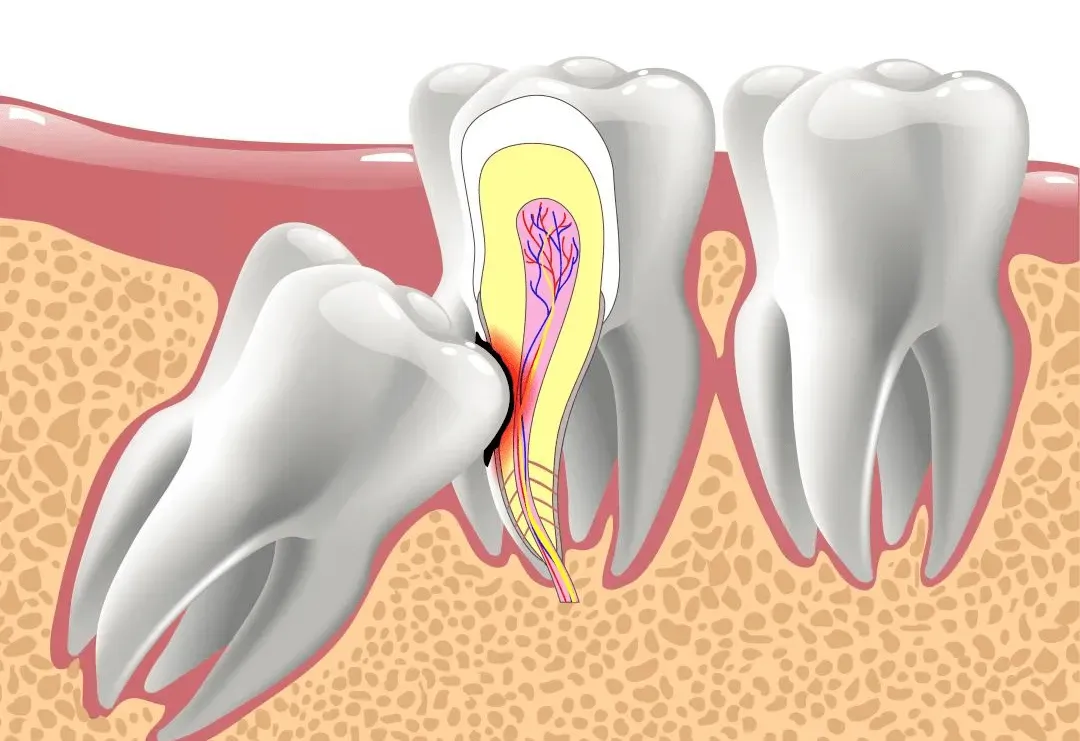
- Surgical extraction: For teeth that are broken, not fully erupted, or impacted (often wisdom teeth). This may involve a small incision and bone removal. It takes longer and costs more.
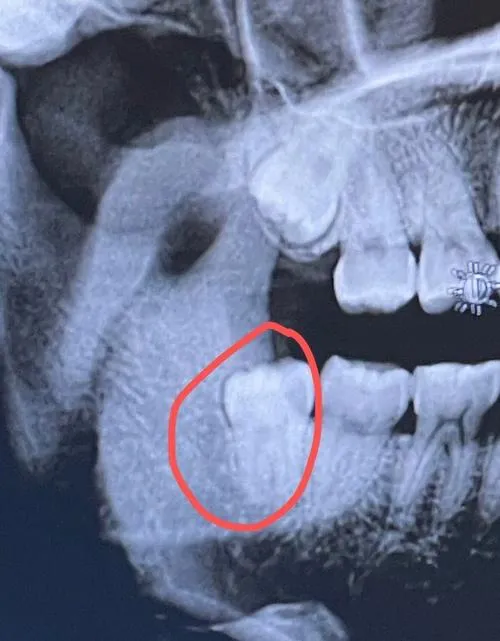
- Wisdom tooth removal: If impacted, it’s considered surgical. A panoramic X‑ray (OPG) or small periapical X‑ray helps the dentist plan the procedure accurately.
What a transparent dental estimate should include
Before you agree to any procedure, a good clinic will provide a line‑by‑line quotation, printed or sent to your Line/WhatsApp. Look for:
- Consultation fee: Often waived if you proceed with treatment the same day.
- X‑ray fees: Periapical X‑ray or panoramic OPG if needed.
- Anaesthesia: Local anaesthetic is standard. IV sedation or general anaesthesia, if required, is usually hospital‑based and quoted separately.
- Extraction fee: Separate prices for simple vs surgical extraction. Wisdom tooth fees vary by complexity.
- Medications: Painkillers, antibiotics if prescribed, and mouth rinse.
- Follow‑up: Suture removal and check‑up are often included.
- Consumables and sterilisation: Reputable clinics include these in the treatment fee; there should be no “hidden” add‑ons.
Typical price ranges in Thailand (subject to city, clinic, and case complexity)
- Simple tooth extraction: roughly 800–2,500 THB in private clinics; higher in private hospitals.
- Surgical extraction (non‑impacted): around 3,000–6,000 THB.
- Impacted wisdom tooth removal: commonly 4,000–10,000 THB per tooth; difficult impactions can go higher.
- Panoramic X‑ray (OPG): about 500–1,500 THB; periapical X‑ray often 150–400 THB.
- IV sedation (if available): additional cost, usually several thousand baht and done in a hospital setting.
These ranges are for guidance only. A transparent dental estimate is always based on your examination and X‑ray, so the clinic can classify the extraction properly.
What to expect during your visit
1) Booking: Many clinics accept bookings by phone or Line. Walk‑in is possible, but there may be a queue during peak hours. Around public holidays or Songkran, check opening times.
2) Consultation and X‑ray: The dentist will review your medical history, check blood pressure if needed, and take an X‑ray to assess roots and nerves.
3) Quotation: You should receive a written quotation showing each it
em and the total. Ask if anything could change and under what condition (for example, if the tooth fractures and needs a surgical approach).
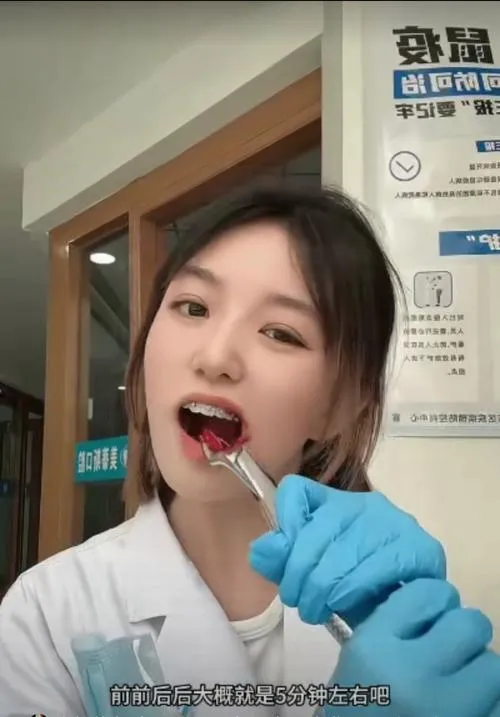
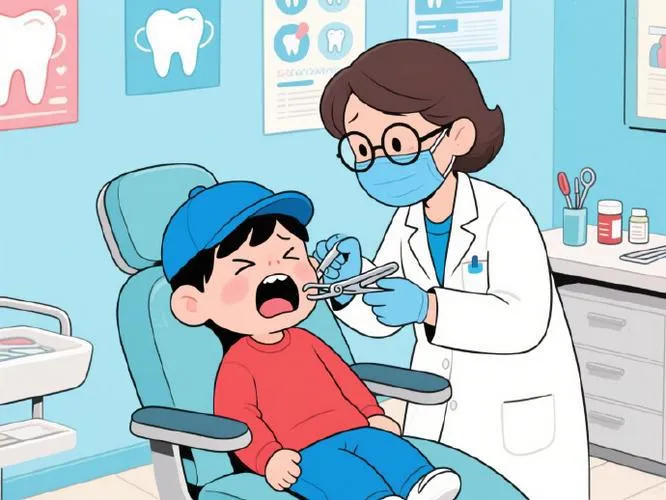
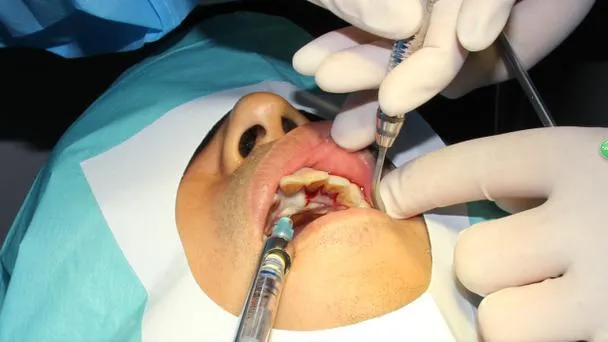
4) Consent and procedure: After you agree on the estimate, the dentist will proceed with local anaesthesia. Most extractions take 15–45 minutes; surgical ones may need longer.
5) Post‑op instructions: You’ll receive written advice and a follow‑up appointment for suture removal if placed. The clinic will remind you via Line or SMS.
How Thai clinics keep pricing transparent
- Public price lists on websites or at reception
- Itemised receipts with procedure codes and dentist’s name
- Clear note if a procedure may shift from simple to surgical and how that affects the fee
- No VAT added to medical services
- English and Thai versions of the treatment plan for clarity
Questions to ask for a clear, no‑surprise bill
- Is the consultation fee waived if I proceed today?
- Which X‑ray do I need and how much is it?
- Is my case simple or surgical? If it changes mid‑procedure, what’s the exact price difference?
- Are medications and follow‑up included?
- Any additional charges for sterilisation or PPE?
- Do you accept PromptPay, credit card, or cash? Any surcharge for cards?
- Can you send the quotation and receipt via Line for my insurance claim?
Preparing for your extraction
- Bring your medication list, especially if you take blood thinners or have diabetes or hypertension.
- Eat a light meal unless you are instructed otherwise (for IV sedation, follow fasting instructions).
- If you’re anxious, ask about numbing options and schedule more time. In Thailand, most extractions are comfortably done with local anaesthesia.
- For travellers, carry your passport; some clinics require ID for records.
Aftercare tips that suit Thailand’s food and climate
- Bite on gauze for 30–60 minutes to stop bleeding. Rest and avoid heavy exercise on day one.
- Skip hot soup, very spicy dishes like som tam and tom yum, and alcohol for 48 hours—they can disturb the clot and cause bleeding or dry socket.
- Avoid using a straw and don’t smoke for at least 72 hours.
- Rinse gently with warm salt water after 24 hours. Keep the area clean but don’t disturb the socket.
- If swelling increases after day two, or you have fever, contact the clinic immediately. They will arrange a quick check—usually no extra fee if it’s a post‑op review.
Where to go
- Private dental clinics in central areas (near BTS/MRT in Bangkok, Nimman in Chiang Mai, or Patong in Phuket) often have extended hours and English‑speaking staff.
- University dental hospitals (e.g., in Bangkok) offer good value but may have longer queues.
- Private hospitals with dental departments provide IV sedation and operating theatres for complex cases, at higher fees.
Payment and insurance
- Most clinics accept cash, PromptPay, and major credit cards. Some may request a small deposit for surgical slots.
- Ask for an itemised receipt with clinic details; this helps if you claim with expat dental insurance. Travel insurance usually covers trauma‑related dental issues only, not routine extractions.
A final word on peace of mind
Tooth extraction is a common, safe procedure in Thailand, and transparent dental estimates make it easy to plan both your treatment and your budget. If you prefer a quick chat before deciding, most clinics are happy to send a rough quote based on your X‑ray via Line and then confirm everything in person. With clear pricing, skilled dentists, and friendly service, you can sort out that aching tooth and get back to your daily life—no hidden charges, no worries.