Thailand Tooth Extraction Treatment for Serious Tooth Conditions
Thailand Tooth Extraction Treatment for Serious Tooth Conditions
Thailand Tooth Extraction Treatment for Serious Tooth Conditions
If a tooth is badly damaged, painful, or infected, tooth extraction can be the safest way to protect your overall health. In Thailand, tooth extraction is a routine, well-managed treatment available in private clinics, dental hospitals, and university hospitals across Bangkok, Chiang Mai, Phuket, and beyond. Whether you live here or are visiting, dentists in Thailand follow international standards, offer clear explanations, and provide options to keep you comfortable from start to finish. Here’s what to expect with Thailand tooth extraction treatment for serious tooth conditions.
When extraction is recommended
Dentists prefer to save teeth when possible, but certain serious conditions make removal the best choice:
- Extensive decay that reaches the nerve and cannot be restored with a crown or root canal
- Vertical root fractures or a tooth broken below the gum line
- Severe periodontitis (gum disease) causing loose teeth and recurrent infections
- Failed or re-infected root canal with persistent abscess
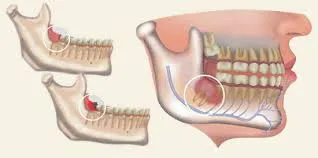
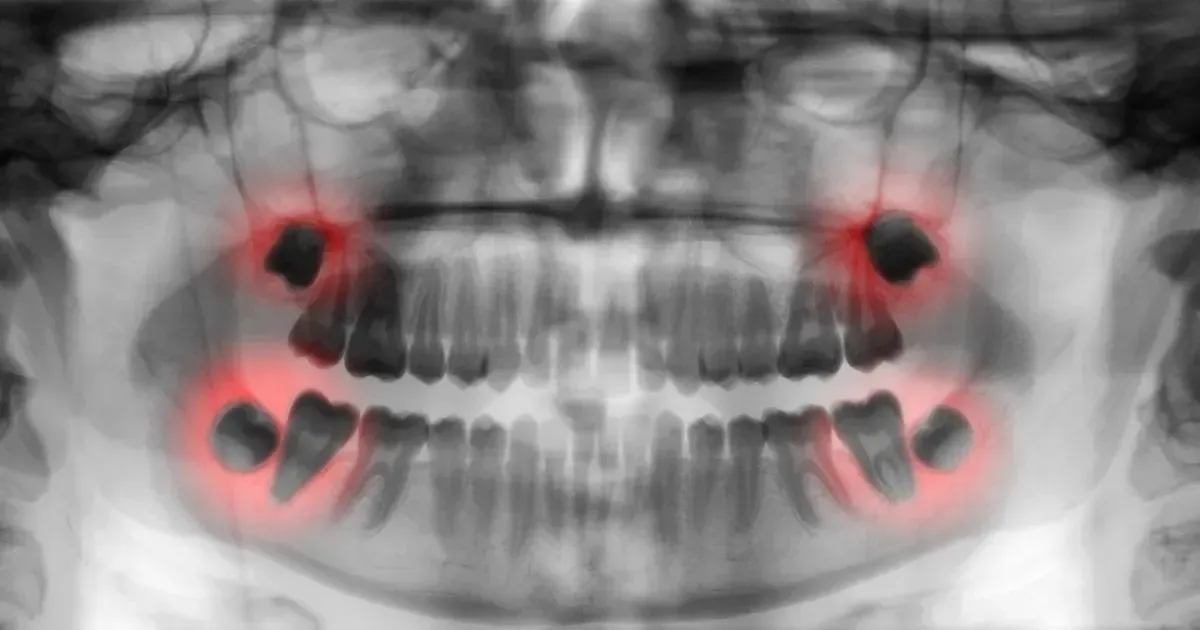
- Impacted or partially erupted wisdom teeth causing pain, cysts, or damage to neighboring teeth
- Teeth that must be removed to create space for orthodontic treatment in complicated cases
Types of tooth extraction in Thailand
- Simple extraction: For visible, mobile teeth. The dentist uses instruments to gently loosen and remove the tooth under local anesthesia. Appointment time is usually 20–40 minutes.
- Surgical extraction: For impacted or severely broken teeth. A minor gum incision may be needed, sometimes with bone trimming or sectioning of the tooth. Stitches are placed. Appointment time is usually 45–90 minutes.
How Thai dentists assess your case
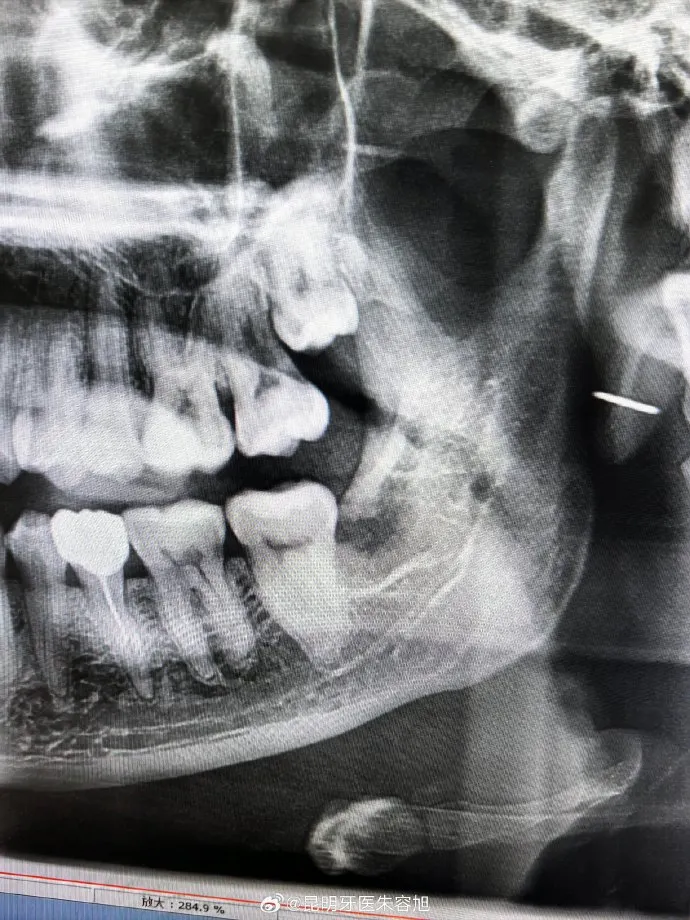
Your visit normally includes a consultation, X-rays (periapical or panoramic), and sometimes CBCT 3D imaging for complex wisdom teeth or root fractures. You’ll be asked about medical history, allergies, and medications (especially blood thinners). Thai dentists are known for their friendly, calm approach—expect clear options: save the tooth if feasible, or extract to stop infection from spreading. Antibiotics may be prescribed if there’s swelling or systemic infection, but they don’t replace definitive treatment.
Comfort and anesthesia options
Local anesthesia is standard and very effective, so you should feel pressure but not sharp pain. For anxious patients or long surgical cases, clinics and hospitals can arrange:
- Nitrous oxide (laughing gas) to take the edge off
- IV sedation with an anesthesiologist in a hospital setting
- General anesthesia for special cases
If you choose sedation, you’ll need to fast beforehand and bring a friend or family member to escort you home. No worries—your dental team will guide you step by step so you can feel sabai again.
What happens during the procedure
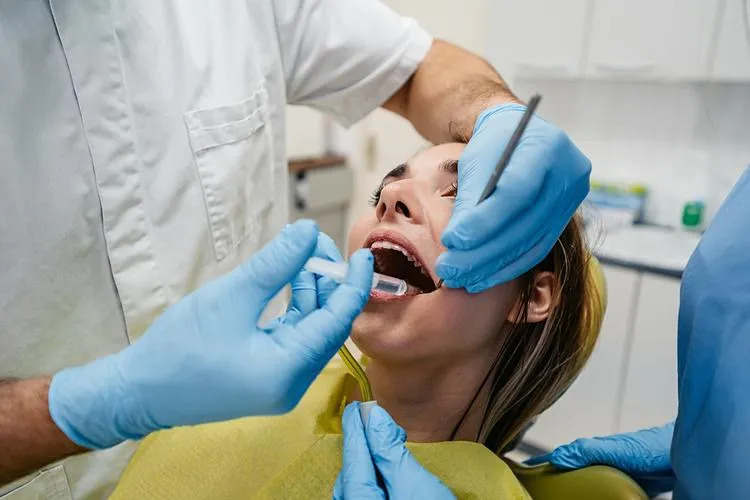
The area is numbed, the tooth is loosened, and removed. For surgical cases, a small flap may be made, and the tooth is sectioned into pieces for gentle removal. After extraction, the site is cleaned, sometimes grafted if you plan a future implant, and then stitched. You’ll bite on sterile gauze to stop bleeding. Most people are in and out in under an hour for simple cases.
Aftercare for smooth healing
Follow your dentist’s instructions carefully. Typical guidance includes:
- Bite on gauze for 30–45 minutes; replace if bleeding persists
- Avoid spitting, smoking, or using a straw for 24 hours to prevent dry socket
- No vigorous rinsing on day one; from day two, rinse gently with warm salt water after meals
- Keep th
e head elevated when resting on the first night
- Cold compress on the cheek for 10 minutes on, 10 minutes off during the first day
- Soft foods for 2–3 days: khao tom (rice soup), yogurt, eggs, bananas; avoid spicy, very hot, or sticky foods at first
- Brush gently around the area; skip the socket itself for the first day
- Return for suture removal in 5–7 days if non-dissolving stitches were used
Seek help immediately if you notice heavy bleeding that won’t stop, severe pain after day three (possible dry socket), fever, or facial swelling that’s worsening.
Pain control and medications
Most patients do well with ibuprofen or paracetamol as advised by the dentist. If you have swelling or a spreading infection, antibiotics may be prescribed. A chlorhexidine mouthwash might be recommended from day two. Always follow the dosing schedule and inform your dentist of any allergies or stomach issues.
Costs and typical fees in Thailand
Prices vary by city, clinic, and complexity, but general ranges are:
- Consultation and X-ray: 300–1,500 THB (panoramic X-ray can be higher)
- Simple extraction: 800–2,500 THB per tooth
- Surgical/impacted wisdom tooth removal: 3,000–12,000 THB per tooth
- CBCT scan (if needed): 2,000–4,500 THB
- Sedation fees (if applicable): 8,000–20,000+ THB depending on hospital setting and duration
Many clinics post a clear price list and promotions. Payment by cash, card, or QR is commonly accepted. International insurance coverage depends on your plan; check in advance if direct billing is available or if you need to pay first and claim later.
Where to get treatment
- Private dental clinics: Convenient locations, including near BTS/MRT in Bangkok, with extended hours and English-speaking staff. Good for most extractions.
- Dental hospitals and university hospitals: Best for complex wisdom teeth, medically compromised patients, or when IV sedation is needed. Expect a longer queue but comprehensive care.
- Emergency dental services: Many clinics offer same-day appointments for severe pain or swelling. It’s wise to call or message via LINE to confirm availability.
Safety and standards
Clinics use sterile protocols with autoclaved instruments, single-use consumables, and PPE. Many dentists trained locally and abroad, and larger hospitals follow ISO or international accreditation standards. Don’t hesitate to ask about sterilization or the dentist’s experience—Thai providers are happy to explain.
Travel tips for visitors
If you’re combining dental care with travel, plan rest time after extraction. Avoid diving or intense gym sessions for about a week after surgical removal. Flying is generally fine after 24–48 hours for simple cases, but if you had sedation or a complicated surgery, confirm with your dentist. Keep your follow-up appointment before leaving Thailand, especially if stitches need removal.
Alternatives to extraction
In some serious cases, a root canal with a crown, periodontal therapy, or crown lengthening may save the tooth. Your dentist will outline pros and cons. If extraction is chosen, you can discuss replacement options like dental implants, bridges, or partial dentures once healing is complete.
The bottom line
Tooth extraction in Thailand is safe, efficient, and cost-effective when serious tooth conditions arise. With experienced dentists, modern imaging, and calm, patient-centered care, you can get out of pain quickly and heal well. Book an assessment early—delaying treatment often makes the problem bigger—and follow the aftercare plan so you’re back to feeling sabai as soon as possible.