Thailand Tooth Extraction Clinics Offering Gentle Oral Surgery
Thailand Tooth Extraction Clinics Offering Gentle Oral Surgery
Thailand Tooth Extraction Clinics Offering Gentle Oral Surgery
If the thought of a tooth extraction makes you tense up, you’re not alone. The good news is that across Thailand—especially in Bangkok, Chiang Mai, Phuket, and Pattaya—modern dental clinics are making tooth removal surprisingly calm and comfortable. With a focus on gentle oral surgery, clear communication, and efficient service, Thailand’s dentists deliver a “sabai-sabai” experience that prioritises your comfort from start to finish.
What “gentle oral surgery” really means
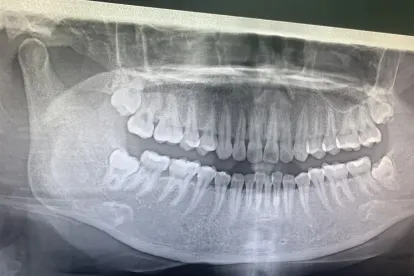
Gentle oral surgery isn’t just a marketing buzzword. In leading Thai dental clinics, it typically includes thorough pre-exam imaging (digital X-rays or CBCT for wisdom teeth), numbing gel before local anaesthetic, slow injection technique to reduce sting, and minimally invasive tools that preserve bone and gum tissue. Many clinics use microsurgical instruments and piezosurgery to cut with less trauma. Where needed, you can also request nitrous oxide (laughing gas) or IV sedation with an anaesthetist on standby. The overall goal is less pain, less swelling, and a faster recovery—no heroics required.
Why Thailand is a top pick for tooth extraction
- Experienced dentists: Many Thai dentists are board-certified, with postgraduate training in oral and maxillofacial surgery, and often speak clear English.
- Tech-forward clinics: CBCT scanners, high-magnification loupes, and aseptic protocols are widely available in city centres.
- Fair, transparent pricing: Clinics usually share a price range upfront in THB, and there’s no pressure selling.
- Easy access: Plenty of clinics sit right by BTS and MRT stations; in Bangkok, Sukhumvit, Sathorn, and Silom are popular, while Chiang Mai’s Nimmanhaemin and Phuket’s Patong/Kathu areas are convenient for travellers.
- Hospitality culture: Thai clinics tend to be patient, polite, and reassuring—think calm music, clear aftercare instructions, and “no worries, we’ll take care of you.”
Types of extractions commonly done
- Simple extraction: For mobile or straightforward teeth, often completed in minutes under local anaesthetic.
- Surgical extraction: For broken roots or teeth stuck under gum or bone, involving a small flap and careful sectioning.
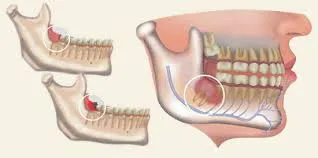
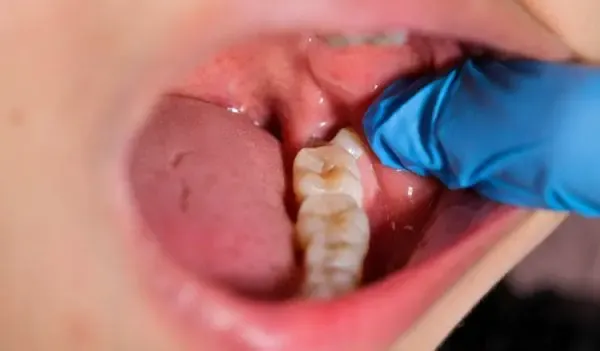
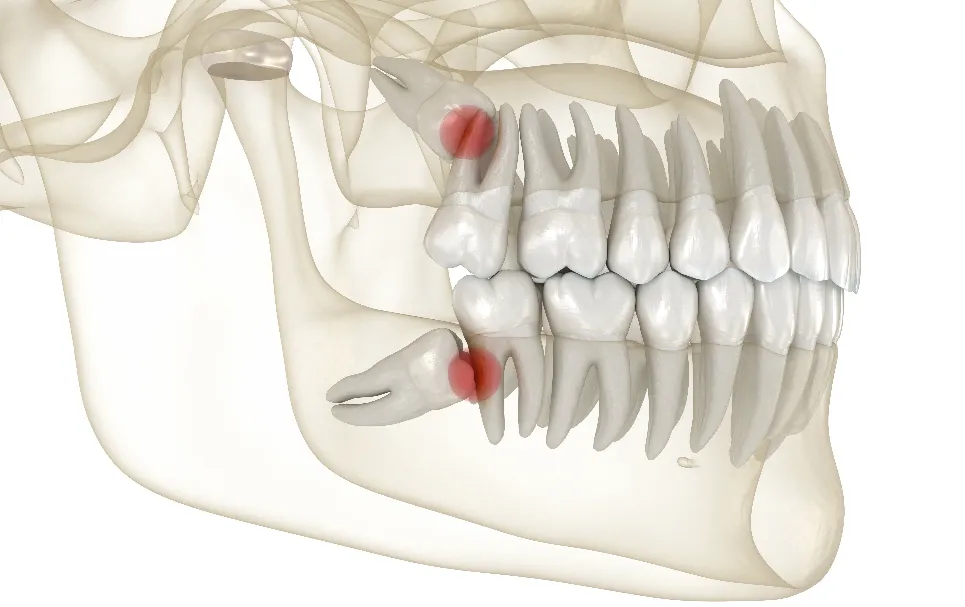
- Wisdom tooth removal: Impacted or partially erupted wisdom teeth are planned with CBCT to map nerves and roots, minimising risks.
How clinics reduce pain and anxiety
From your first chat (often available via LINE or WhatsApp) to the follow-up call, the process is built around comfort. Expect a friendly consult, clear treatment plan, and consent forms that explain risks and benefits in plain English. On the day, you’ll get topical gel before anaesthetic, and the dentist will test for numbness before starting. Many practices offer noise-cancelling headphones, Netflix on the ceiling screen, and short, efficient appointments to reduce fatigue. After surgery, you’ll receive cold packs, detailed post-op instructions, and hotline contact if you need extra support. If you’re nervous, just say so—Thai clinicians are generally very accommodating, “mai pen rai” style.
Typical costs in Thailand (ballpark)
- Simple extraction: THB 1,500–3,500 per tooth
- Surgical extraction: THB 5,000–12,000 per tooth
- Impacted wisdom tooth removal: THB 6,000–18,000 per tooth (depending on complexity and position)
- Sedation (if chosen): THB 8,000–20,000+ depending on method and duration
Fees vary by city
, clinic reputation, complexity, and whether the procedure takes place in a clinic or hospital setting. Most accept cash or card; some add 7% VAT. If you have international insurance, ask the clinic for a medical invoice with procedure codes to claim later.
How to choose the right clinic
- Check credentials: Look for a dentist with DDS plus specific training (e.g., Oral and Maxillofacial Surgery). Membership in the Dental Council of Thailand is a must.
- Ask about imaging and planning: CBCT is ideal for impacted wisdom teeth.
- Confirm pain control options: Local anaesthetic, nitrous, or IV sedation if you’re anxious.
- Review sterilisation standards: Autoclave use, single-use disposables, and proper PPE.
- Read recent reviews: Focus on communication, bedside manner, and aftercare support, not just price.
- Consider convenience: Near BTS/MRT is handy. Avoid a long ride right after surgery.
What your appointment timeline looks like
- Before the visit: Share your medical history, allergies, and meds. If you’re choosing sedation, you may need to fast for a few hours.
- At the clinic: X-rays or CBCT, discussion of options, cost breakdown, and consent. The numbing process takes just a few minutes; most patients feel pressure, not pain.
- The procedure: Simple extractions are quick; surgical cases take longer but are performed gently with careful tissue handling. Stitches may be placed and removed 5–7 days later, or they may be dissolvable.
- Aftercare: You’ll go home with gauze, pain relief guidance, and instructions to minimise swelling and protect the blood clot.
Smart aftercare tips to heal faster
- Bite on gauze for 30–60 minutes to control bleeding.
- Avoid hot, spicy, or hard foods on day one; think lukewarm soups, yoghurt, soft rice porridge, and smoothies (no straw).
- Skip sticky rice and crunchy snacks until the area settles.
- No smoking, alcohol, or vigorous rinsing for 24 hours to prevent dry socket.
- From day two, rinse gently with warm salt water after meals.
- Sleep with your head slightly elevated and use a cold pack on-and-off for the first day.
- Take only the meds recommended by your dentist; antibiotics are prescribed when clinically indicated.
Planning for travellers and expats
If you’re flying to Thailand for tooth extraction, book a consultation day and keep the procedure for the following day to allow proper planning. For wisdom teeth, give yourself a few recovery days before island hopping or work meetings. Save your clinic’s LINE contact, and keep evenings light after surgery—no need to be a hero. If you’re on a tight itinerary, tell the clinic upfront so they can schedule suture removal or a video check-in accordingly.
Red flags to avoid
Extreme pain that worsens after day two, bad taste with fever, or persistent numbness should be reported immediately. Reputable Thai clinics respond quickly and will ask you to “come by laew laew” (as soon as possible) if they suspect an issue.
The bottom line
Thailand’s tooth extraction clinics have raised the bar with gentle oral surgery that blends skill, technology, and signature Thai hospitality. Whether it’s a simple tooth removal or a tricky wisdom tooth, you can expect clear pricing, compassionate care, and a recovery plan that lets you get back to your routine with minimal fuss. If comfort and peace of mind rank high on your list, Thailand is an excellent place to get it done—calm, careful, and truly patient-first.