Thailand Tooth Extraction Care for Tourists Seeking Affordable Tooth Removal
Thailand Tooth Extraction Care for Tourists Seeking Affordable Tooth Removal
《Thailand Tooth Extraction Care for Tourists Seeking Affordable Tooth Removal》
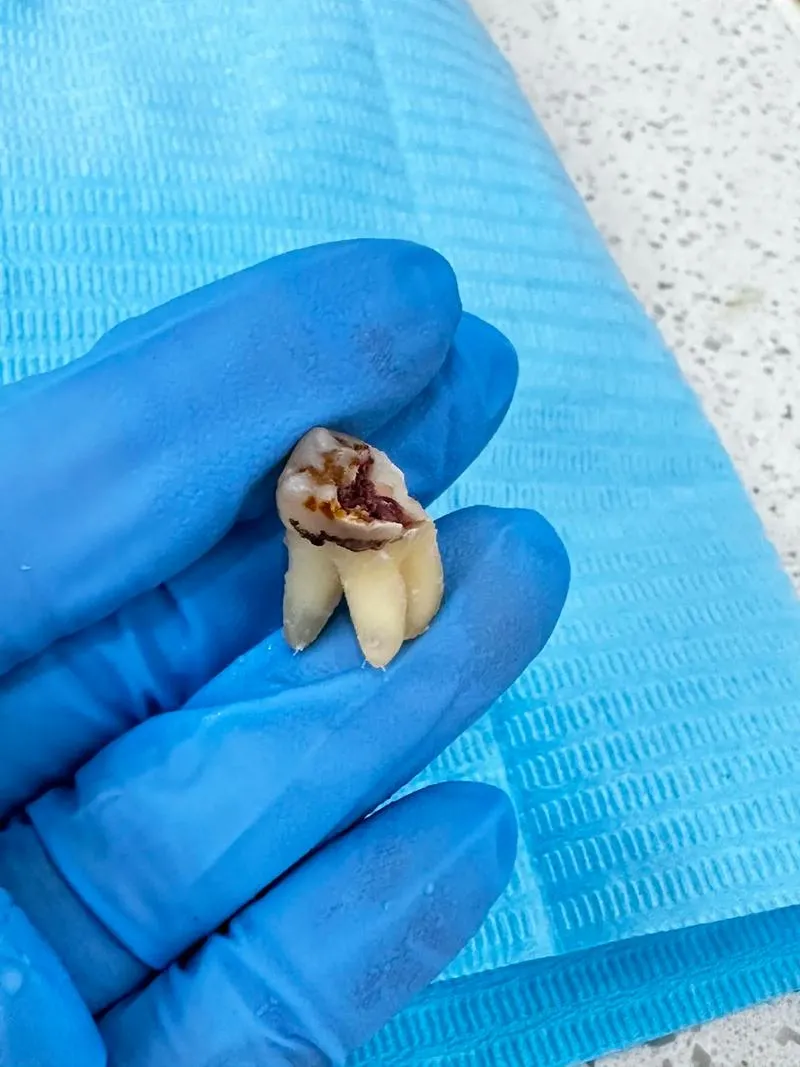
Thinking about getting a troublesome tooth out while you’re in Thailand? Many travelers do exactly that. With skilled dentists, clear pricing, and clinics that speak your language, Thailand is a practical place for affordable tooth removal—whether you’re in Bangkok, Phuket, Pattaya, or Chiang Mai. Here’s a friendly, no-stress guide to help you plan, compare costs, and take care of yourself before and after an extraction.
Why tourists choose Thailand for tooth extraction
- Affordable and transparent pricing: Routine extractions are commonly priced and posted at clinics. As a ballpark, a simple extraction can start around 800–2,000 baht at local clinics, and a surgical extraction (for impacted or broken teeth) can range 3,000–8,000 baht or more, depending on complexity and city. X‑rays are usually 200–500 baht.
- English-speaking dentists: Many clinics are “expat-friendly,” with English-speaking dentists and staff. Call, message on LINE, or check Google Maps reviews to confirm.
- Convenient access: Private clinics open late or on weekends. Walk-in is possible, but booking ahead on LINE or Facebook is common. Larger hospitals and dental schools also have good standards and fair prices, though waits can be longer.
- Modern standards: Licensed dentists display their Dental Council of Thailand registration. Clinics use sterile packs, digital X‑rays, and proper infection control. You can always ask about sterilization—staff will happily explain.
How to choose a clinic
- Check Google Maps reviews and before/after photos on the clinic’s Facebook page.
- Ask the clinic for a price range based on a photo and symptoms; final fees depend on X‑ray and exam.
- Confirm what’s included: consultation, X‑ray, anesthesia, surgical fee, meds, and follow-up.
- Payment: Cash and credit card are common; PromptPay QR is widely accepted. Some clinics add a small card surcharge.
- Location and timing: In busy areas (Asok, Thonglor, Nimmanhaemin, Patong), book ahead, especially evenings and weekends.
What to expect at your appointment
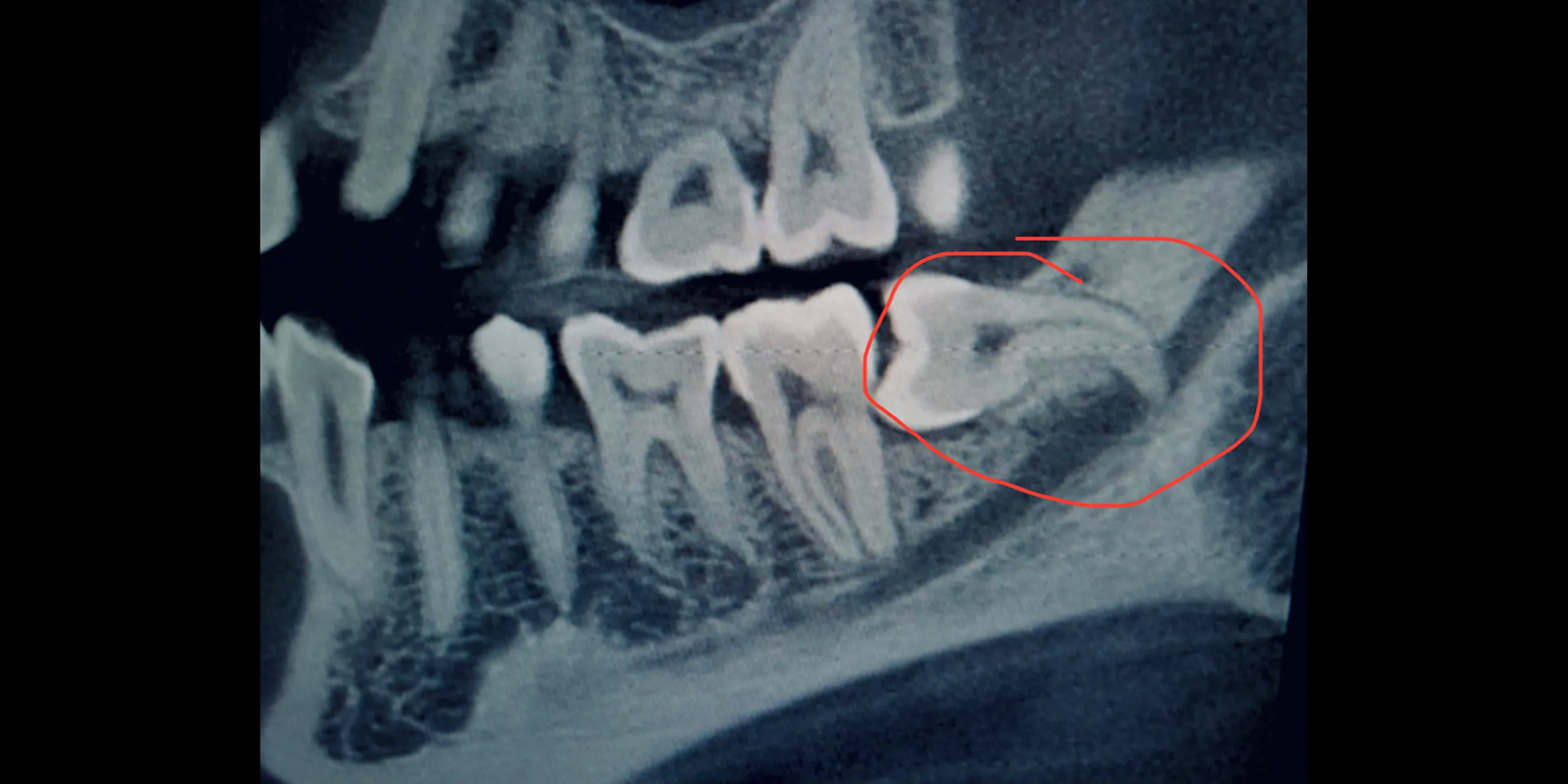
1) Registration and X‑ray: You’ll fill out a health form and do an X‑ray so the dentist can see roots, nerves, and sinus position. Share allergies, meds, and health conditions.
2) Consultation and consent: The dentist explains whether it’s a simple or surgical extraction, anesthesia options, and risks like dry socket. You’ll sign a consent (often bilingual).
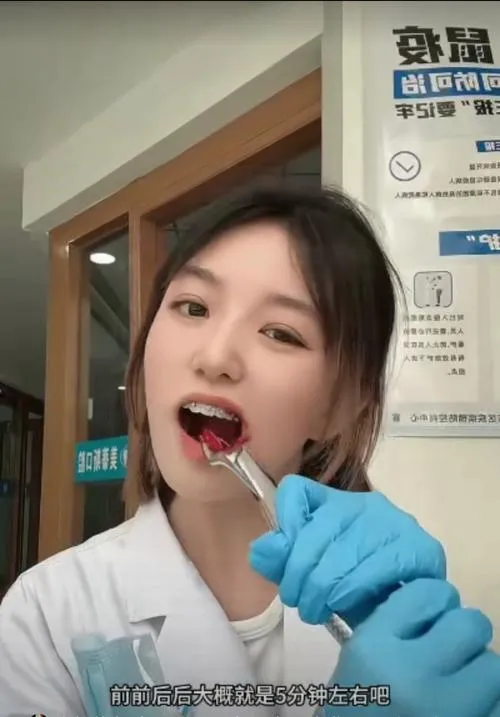
3) Anesthesia and extraction: Numbing injection is standard. You’ll feel pressure but not sharp pain. For anxious patients, some clinics offer nitrous oxide or IV sedation (pre-book and expect extra fees).
4) Aftercare briefing: You’ll get gauze, instructions, and usually painkillers and, if needed, antibiotics. Ask for an English receipt for insurance and a medical certificate if you need rest time.
Estimated timeline for travelers
- Uncomplicated extraction: About 30–60 minutes in the chair. Rest the same day; gentle sightseeing next day is usually okay.
- Surgical or impacted tooth: Allow more time at the clinic and 48–72 hours of easier activities. Best to avoid booking this right before island trips or long travel days.
Practical aftercare you’ll hear in Thai clinics
- Bite on gauze for 30–45 minutes to control bleeding. If it bleeds again later, fresh gauze and firm bite for another 30 minutes. Slight oozing is nor
mal for up to 24 hours.
- No spitting, no straw, and no smoking for at least 48–72 hours. These can dislodge the clot and cause dry socket.
- Ice pack on-and-off (10 minutes on, 10 off) for the first 6–8 hours to reduce swelling.
- Keep head elevated when resting the first night.
- Pain relief: Follow your dentist’s plan. Common meds are ibuprofen or paracetamol. Avoid aspirin as it can increase bleeding. If you have stomach issues or are on other meds, tell your dentist before taking anything.
- Saltwater rinse after 24 hours: Half a teaspoon of salt in a cup of warm water. Gently rinse 3–4 times a day, especially after meals. Don’t rinse vigorously.
- Keep the area clean: Brush your other teeth as normal, but be gentle near the extraction site for a few days.
What to eat—and what to skip—in Thailand
- Good choices: lukewarm congee (jok), soft rice, yogurt, mashed banana, scrambled eggs, smoothies without straws, and cool soups.
- Avoid for a few days: spicy dishes (som tam, tom yum), sticky rice, hard or crunchy snacks, hot soup, alcohol, and anything with small seeds.
- Hydrate well, but sip slowly without a straw.
Signs you should call the clinic
- Increasing pain after day 2–3, bad taste or smell, or pain spreading to the ear—possible dry socket.
- Fever, persistent heavy bleeding, or swelling that worsens sharply after 48 hours.
- Numbness that lasts beyond the first day, or difficulty opening the mouth.
Travel tips specific to Thailand
- Plan buffer days: If you can, schedule the extraction when you’ll be in one city for 2–3 days for follow-up if needed.
- Flights and activities: Many people fly 24–48 hours after a simple extraction without issues, but it’s more comfortable to rest first. Skip scuba diving and Muay Thai training for a few days due to pressure and impact.
- Pharmacies: 24-hour pharmacies (Boots, Watsons, and local shops) are common in tourist areas. Stick to what your dentist prescribes; don’t add antibiotics on your own.
- Transport: If you feel lightheaded after the procedure, grab a taxi or use Grab. Avoid riding a motorbike taxi right after anesthesia.
Costs and value in plain terms
- Simple extraction: 800–2,000 baht at many private clinics; hospitals may be similar or slightly higher depending on facilities and hours.
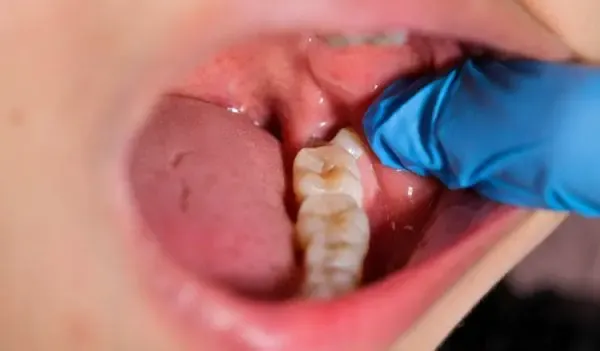
- Surgical extraction: 3,000–8,000+ baht depending on complexity (impacted wisdom teeth can be on the higher side).
- Extras: X‑ray (200–500 baht), sedation (varies widely), meds (usually modest). Always confirm before you sit in the chair.
- Insurance: Keep your itemized receipt. Many travel insurers reimburse urgent dental care caused by acute pain or injury—check your policy.
Language and communication tips
- When messaging on LINE or Facebook, send a clear photo of the tooth area and describe symptoms: how long, pain level, swelling, any fever, difficulty opening mouth.
- Ask for “English-speaking dentist, please” when you call. Most city clinics will arrange it.
- If you need rest time for work or travel changes, request a “medical certificate.”
Bottom line
Thailand offers reliable, budget-friendly tooth extraction with a smooth experience from booking to aftercare. Choose a reputable clinic, plan one or two easy days after the procedure, and follow the dentist’s instructions. With sensible timing and a little sabai-sabai mindset, you’ll be back to enjoying your trip—pain-free and smiling—before you know it.