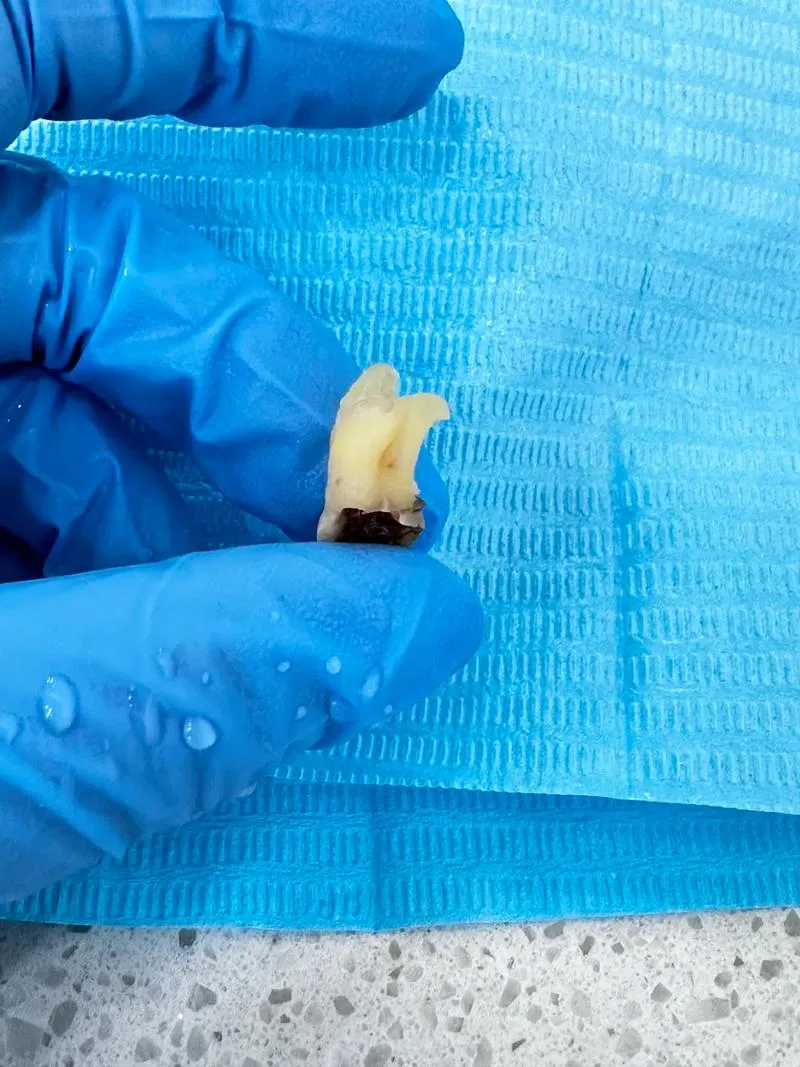
Thailand Tooth Extraction Clinics Offering Trusted Dental Treatments
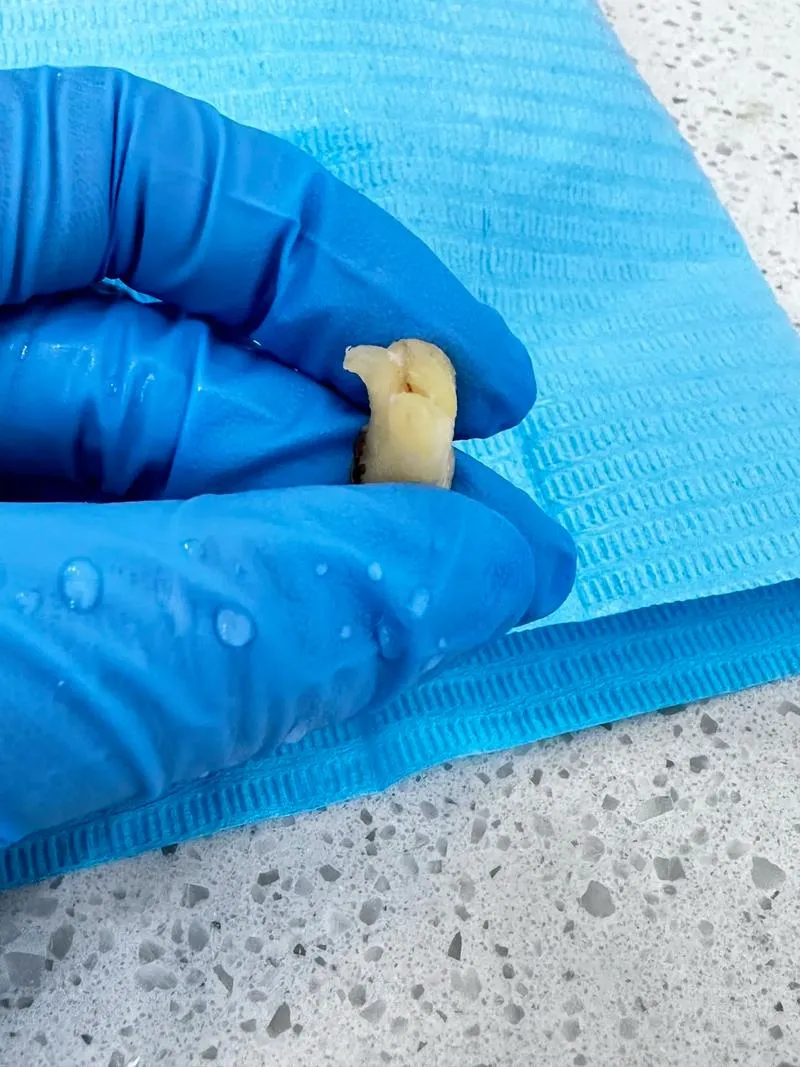
Thailand Tooth Extraction Clinics Offering Trusted Dental Treatments
Thailand Tooth Extraction Clinics Offering Trusted Dental Treatments
Thinking about getting a tooth pulled in Thailand? You’re not alone. From Bangkok to Chiang Mai, Phuket to Pattaya, Thailand’s tooth extraction clinics are known for trusted dental treatments that are clean, affordable, and handled with sabai-sabai care. Whether you’re a local, an expat, or visiting for dental tourism, you’ll find modern equipment, English-speaking dentists, and transparent pricing, often within walking distance of BTS or MRT stations or tucked inside a convenient soi.
Why Thailand for tooth extraction
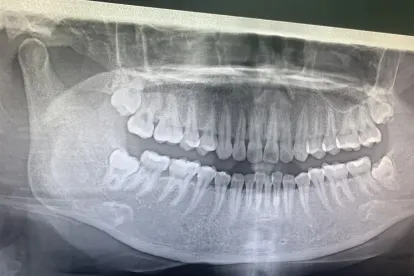
Thailand’s dentists are licensed by the Dental Council of Thailand, and many have international training. Clinics use strict sterilization protocols (think sealed instrument pouches and on-site autoclaves), and panoramic X-rays (OPG) or 3D scans (CBCT) are common, even in smaller clinics. For complex cases, large hospitals with JCI accreditation are available, while neighborhood dental clinics handle most extractions, including impacted wisdom teeth, with gentle techniques and clear explanations. Same-day or next-day appointments are common, weekend hours are not unusual, and many clinics accept bookings via phone, email, or LINE, which is handy if you’re on the go.
Types of extractions offered
- Simple extraction: for loose or visible teeth, often due to decay or gum disease.
- Surgical extraction: for broken roots or teeth that sit below the gum line.
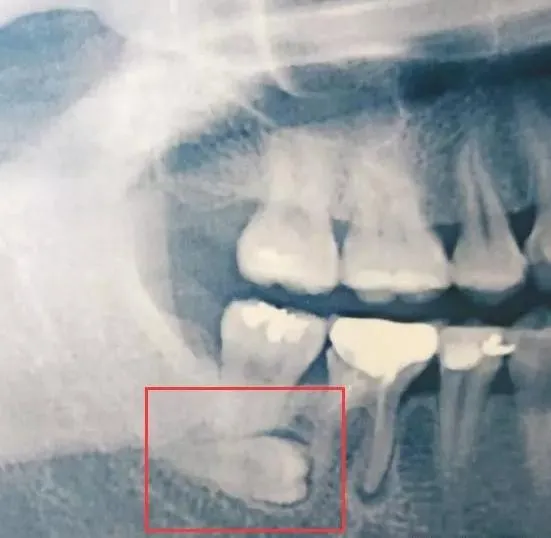
- Wisdom tooth removal: including impacted teeth (vertical, mesioangular, horizontal). Sedation can be arranged at selected clinics or hospitals if you’re nervous or the case is complicated.
- Emergency extraction: for severe pain, swelling, or infections that don’t respond to medication.
What to expect at a Thai dental clinic
- Warm welcome and quick check-in. Staff usually speak English, and forms are straightforward. If you have health conditions or take blood thinners, mention these upfront.
- Diagnostic imaging. Expect a periapical X-ray for simple cases, or an OPG/CBCT for wisdom teeth to see nerve positions and sinus proximity.
- Clear treatment plan and fees. A dentist will explain options, show the X-rays, and quote a fee before anything starts. No surprises is the norm.
- Comfortable anesthesia. Local anesthetic (lidocaine or articaine) is gently administered. You might feel pressure but not sharp pain. If you do, just raise your hand—Thai dentists are generally patient and happy to top up anesthesia.
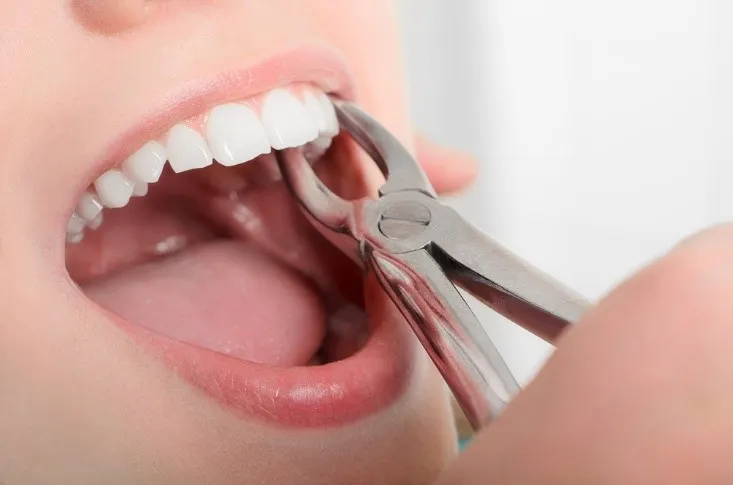
- Gentle, efficient extraction. Using elevators and forceps, the tooth is loosened and removed. Surgical cases may involve a small incision and bone trimming. Stitches can be dissolving or removed after about a week.
- Medication and aftercare kit. Most clinics provide gauze, instructions, and prescriptions for painkillers and anti-inflammatory meds. Antibiotics are prescribed only when necessary.
How much does tooth extraction cost in Thailand?
Prices vary by city, clinic reputation, and complexity, but you’ll typically see:
- Simple extraction: around 800–2,500 THB per tooth
- Surgical extraction (non-impacted): 2,500–5,000 THB
- Impacted wisdom tooth removal: 4,500–12,000 THB per tooth, more if very deep or near nerves
- X-rays: periapical 200–500 THB, OPG 800–1,500 THB, CBCT 2,500–4,500 THB
These are ballpark figures; always confirm at consultation. Many clinics run packages or promotions, display fee lists in reception, and accept cash, cards, or QR PromptPay.
How to choose a t
rusted clinic
- Check credentials. Look for the dentist’s full name and license number; clinics often display certificates. You can verify with the Dental Council of Thailand.
- Look for modern imaging and sterilization. Ask if they use sealed pouches, biological indicators for autoclave testing, and digital X-rays. Clean, organized operatories are a good sign.
- Read recent reviews. Focus on comments about communication, pain control, and aftercare support. High ratings across multiple platforms suggest consistency.
- Ask about sedation options if you’re anxious. Some clinics offer oral sedation; hospitals can provide IV sedation under monitoring.
- Consider location and access. If you’re in Bangkok, a clinic near BTS Asok, Thonglor, or Silom can save you time. In Chiang Mai, Nimman or Old City is convenient; in Phuket, Patong or Phuket Town is common.
- Clarify fees and follow-up. Get a written plan with itemized costs. Ask about suture removal fees (often included) and how to reach the clinic after hours.
For travelers and expats
- Plan your schedule. After a surgical or wisdom tooth extraction, give yourself 48–72 hours to rest before island hopping or long bus rides. Avoid strenuous gym sessions for a few days.
- Insurance and receipts. Many clinics can issue detailed receipts for insurance claims. Confirm before starting.
- Communication is easy. Most clinics handle English well and can share X-rays via email or LINE. If you need a medical certificate for work or school, just ask.
- Emergency dentist in Bangkok and beyond. If a tooth breaks on a weekend, you can usually find clinics open on Saturdays and Sundays. Call ahead for a slot; walk-ins are often accepted.
Aftercare tips to heal faster
- Bite firmly on the gauze for 30–60 minutes to control bleeding. Replace if needed. A small ooze is normal on day one.
- Ice packs on-and-off (20 minutes each) for the first day reduce swelling.
- Skip hot and spicy food on day one. Choose soft Thai-friendly options like jok (rice porridge), khao tom (rice soup), soft tofu, yogurt, ripe banana, and scrambled eggs.
- No straw, no smoking for at least 48–72 hours to avoid dry socket.
- Start gentle warm salt water rinses after 24 hours, 3–5 times daily, especially after meals.
- Sleep with your head slightly elevated the first night.
- Take medications as prescribed. If pain worsens after day three, or you have fever, bad taste, or swelling that’s getting bigger, contact the clinic right away.
- Return for suture removal if non-dissolving stitches were used, usually after 5–7 days.
Common questions
Is wisdom tooth removal painful? With proper anesthesia, you should not feel sharp pain—only pressure. Post-op discomfort is manageable with medications and ice.
Can I fly after extraction? For simple cases, flying is generally fine. After surgical or upper molar extractions, it’s safer to wait at least 48 hours and follow your dentist’s advice.
Will I need antibiotics? Not always. Dentists in Thailand prescribe based on infection risk, not routinely.
The bottom line
Thailand tooth extraction clinics combine skilled dentists, friendly service, and sensible pricing to deliver trusted dental treatments. Whether you need a simple tooth pulled or a complex wisdom tooth surgery, you can expect clear communication, clean facilities, and practical aftercare. Do your homework, choose a convenient clinic with strong reviews and transparent fees, and you’ll be in good hands—no worries, ka/krub.