Thailand Tooth Extraction Care for Travelers Seeking Reliable Clinics
Thailand Tooth Extraction Care for Travelers Seeking Reliable Clinics
Thailand Tooth Extraction Care for Travelers Seeking Reliable Clinics
Visiting Thailand for a beach escape or a city break and suddenly facing a troublesome tooth? Don’t worry—Thailand is well known for modern dental care, friendly service, and reasonable prices. Whether you’re in Bangkok, Chiang Mai, Phuket, or Pattaya, you can find reliable dental clinics where English-speaking dentists handle tooth extractions with care. With a little planning and the right aftercare, you can be back to feeling sabai-sabai without missing too much of your trip.
How to find a reliable dental clinic in Thailand
- Look for licensed dentists. Reputable clinics will proudly show the dentist’s full name and Dental Council of Thailand registration number on their website or at reception. If you cannot find it, ask—no problem.
- Check recent reviews. Google Maps reviews, clinic Facebook pages, and travel forums help you gauge service quality, cleanliness, and communication. Pay attention to comments about sterilization, wait times, and follow-up.
- Choose clinics with clear communication. Many clinics have English-speaking staff and reply quickly via email, WhatsApp, or LINE Official. If they can send a rough quote and confirm X-ray availability before you come, even better.
- Prioritize location and hours. In Bangkok, being near the BTS/MRT makes visits easy. Many clinics open late and on weekends. If you need urgent care, search “emergency dental” with your area name.
What to expect during a tooth extraction in Thailand
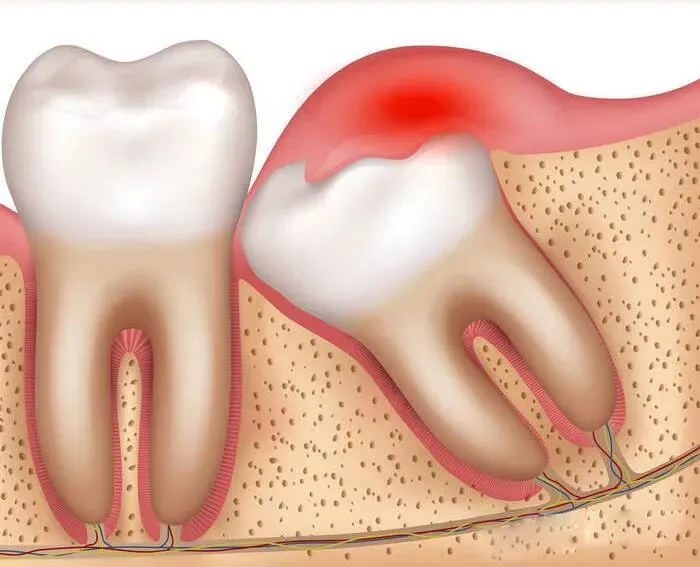
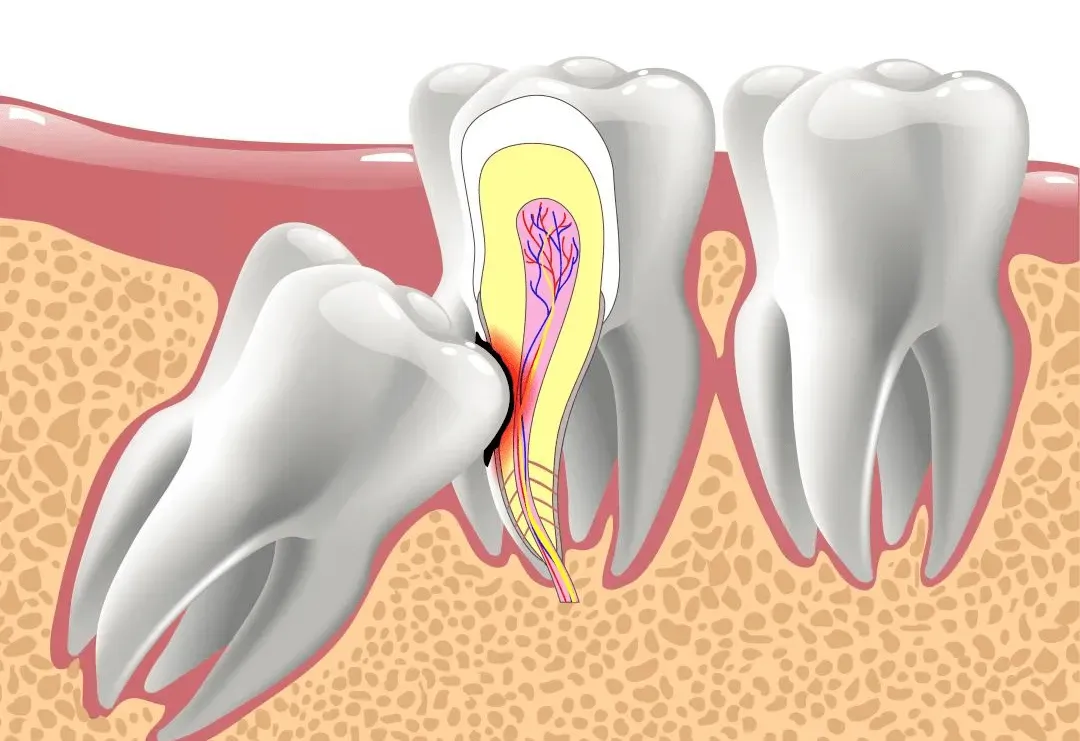
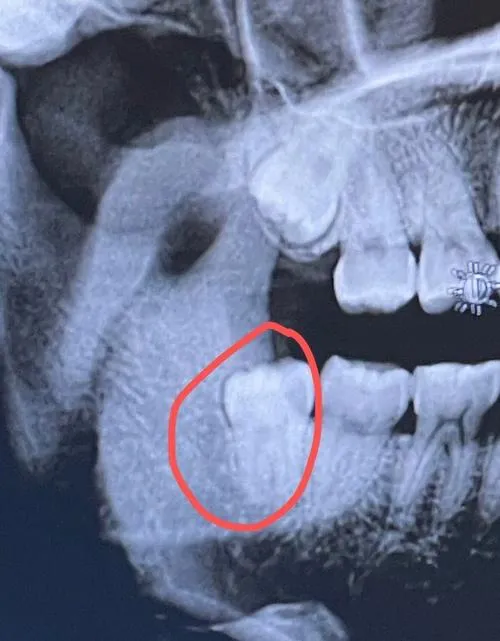
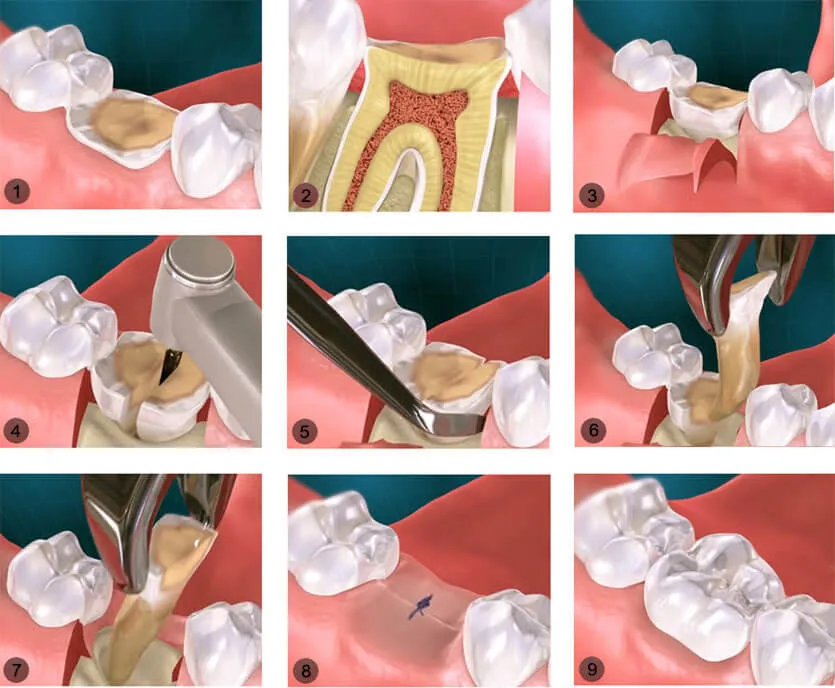
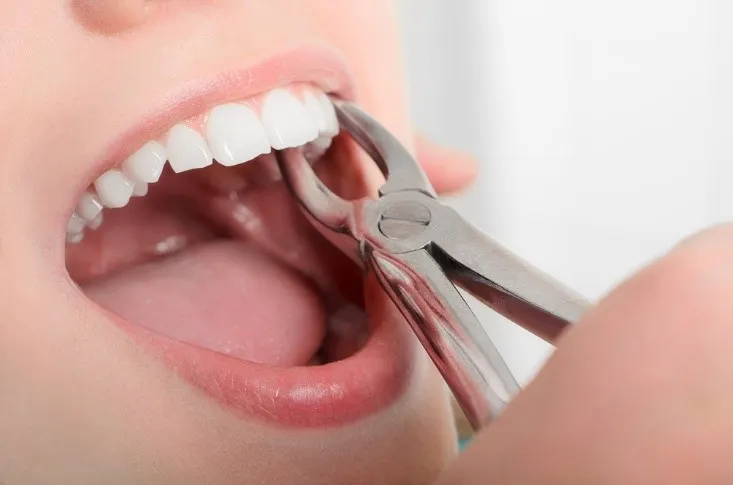
A proper extraction starts with a consultation and X-ray. Your dentist will ask about your medical history, allergies, and any medications or supplements. You’ll receive a cost estimate, sign consent forms, and discuss anesthesia. Most extractions are done with local anesthesia; you’ll feel pressure but not sharp pain. Complex or impacted teeth may require a surgical extraction with a small incision. The procedure usually takes 20 to 60 minutes, depending on complexity.
Thai clinics often explain each step clearly. If you don’t understand, just say, “Please explain slowly.” Thai staff are typically patient and polite—expect lots of “OK ka/krap” and “no worries.” If you prefer a female or male dentist, ask in advance; many clinics can accommodate.
Pre-extraction tips for travelers
- Plan your schedule. Avoid booking extractions right before island-hopping or long bus rides. Give yourself 48–72 hours nearby in case you need a review.
- Eat a light meal beforehand. You may need to avoid chewing on the treatment side after.
- Skip alcohol and smoking before your visit. They can affect healing.
- Bring your passport for registration and travel insurance details if any.
- Inform the dentist about blood thinners, heart conditions, diabetes, or recent illnesses. This helps them plan safe care.
- Ask for an itemized invoice and medical report for insurance claims.
Aftercare essentials to heal fast and stay comfortable
The first 24 hours decide how smoothly you recover. Follow your dentist’s instructions closely, even if you feel “mai pen rai” (never mind). Good aftercare is the difference between quick recovery and complications.
- Bite on the gauze. Keep pressure for the time advised to help the blood clot form.
- Rest and keep your head elevated. Use an extra pillow for the first night.
- Ice the outside of your cheek. 15
minutes on, 15 minutes off during the first few hours to reduce swelling.
- Take pain relief as prescribed. Paracetamol or ibuprofen are commonly used. Avoid aspirin unless your doctor says otherwise.
- No rinsing, spitting, or straws for 24 hours. Suction can dislodge the clot and cause dry socket.
- After 24 hours, rinse gently with warm saltwater. Do this a few times daily to keep the area clean.
- Eat soft, cool foods. In Thailand, go for jok (rice porridge), khao tom (rice soup), steamed egg, tofu, yogurt, or ripe banana. Avoid hot, spicy, crunchy, or sticky foods, and keep papaya salad and sticky rice for later.
- Skip alcohol and smoking for at least 48–72 hours. They delay healing and increase infection risk.
- Keep the area clean. Brush gently around the extraction site and avoid poking the wound with your tongue.
Watch for signs you should return to the clinic
Mild swelling and discomfort are common. However, contact the clinic if you notice:
- Severe pain that worsens after day two (possible dry socket)
- Bad taste or smell, pus, fever, or increasing swelling
- Numbness that persists beyond the dentist’s expected timeframe
Thai clinics are usually responsive and will arrange a quick check. Many are open late—just send a LINE message or call and they’ll guide you.
Flying and travel timing after an extraction
If you can, avoid flying for at least 24–48 hours after a simple extraction and up to 72 hours for surgical cases. Cabin pressure changes and dry air may aggravate discomfort. Keep your follow-up appointment before leaving the city; many clinics offer a quick five-minute review to make sure you’re healing well.
Costs, payment, and insurance
Prices vary by city, clinic, and complexity. As a rough guide, a simple extraction may start from a few hundred to a couple of thousand baht, while surgical or impacted extractions can be higher. Ask for:
- An itemized quote including X-ray, anesthesia, medications, and follow-up
- A stamped receipt with diagnosis for insurance claims
Most clinics accept cash and major cards. If you need antibiotics or mouthwash, the clinic can dispense them or give you a script to pick up at a nearby pharmacy.
Hygiene and safety standards
Reputable Thai clinics follow strict sterilization protocols. Look for sealed, single-use items where appropriate, sterilized instruments, protective gear, and clean treatment rooms. Digital X-rays are common, and many clinics use updated equipment. If you’re unsure, politely ask, “Do you use autoclave sterilization?” You’ll likely get a confident “Yes, of course.”
Cultural and communication tips
- Use simple, clear English and confirm understanding. “So I should come back on Friday, right?”
- If you’re nervous, say so. “I’m a bit scared, please go slowly.” Thai dentists are used to anxious patients and will move sabai-sabai.
- Don’t let “mai pen rai” make you ignore symptoms. Be relaxed, but if something feels off, go back—no problem.
The bottom line
Tooth extraction in Thailand can be smooth, safe, and surprisingly convenient when you choose a reliable clinic and follow good aftercare. Plan a buffer in your itinerary, verify the dentist’s credentials, get clear instructions in English, and stick to gentle food and smart hygiene. With the right care, you’ll heal well and be back to enjoying temples, street food, and island sunsets in no time.