Thailand Tooth Extraction Care for Dental Vacation Planning
Thailand Tooth Extraction Care for Dental Vacation Planning
Thailand Tooth Extraction Care for Dental Vacation Planning
Planning a dental vacation to Thailand and expecting a tooth extraction? Good idea, lah. The Land of Smiles is known for skilled dentists, modern clinics, straightforward pricing, and warm service. With a bit of smart planning, you can combine high-quality treatment and a relaxing trip without drama. Here’s a practical guide to Thailand tooth extraction care, tailored to how things really work on the ground.
Why Thailand for extractions
- Quality and safety: Dentists are regulated by the Thai Dental Council, and many practitioners trained overseas. Leading hospitals in Bangkok, Phuket, and Chiang Mai use international-standard sterilization.
- Easy access: English-speaking dentists are common in major cities. Clinics are used to international patients and communicate via email, WhatsApp, or LINE.
- Value for money: Prices are transparent and typically lower than in many Western countries.
Pre-trip planning timeline
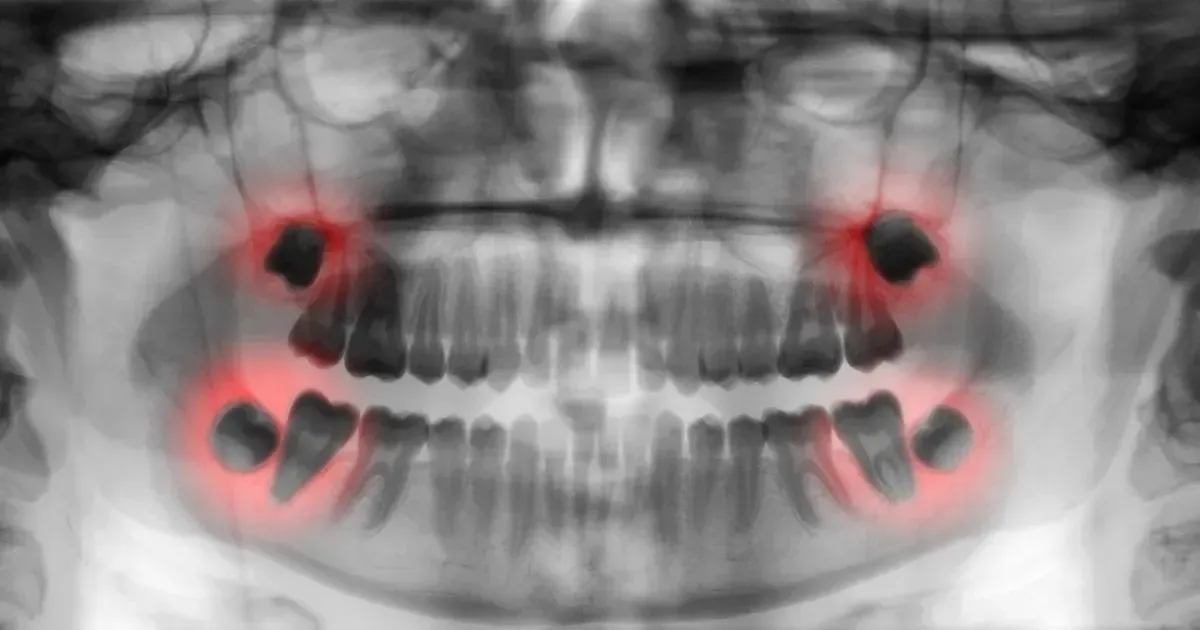
- 3–4 weeks before arrival: Shortlist clinics in Bangkok, Chiang Mai, Phuket, or Pattaya. Look for clear credentials, before–after photos, and reviews mentioning infection control and aftercare. Ask for a ballpark quote and whether your case is likely a simple or surgical extraction (X-ray helps).
- 2 weeks before arrival: Secure an appointment early in your trip. For a simple extraction, keep at least 3 full days buffer before island hopping or onward flights; for surgical or wisdom tooth extractions, plan 5–10 days buffer for swelling and possible suture removal.
- 1 week before arrival: Check Thai public holidays. Songkran (mid-April) and New Year can affect clinic hours. Confirm clinic location near BTS/MRT (Bangkok) to avoid traffic, or use Grab for easy rides. Arrange travel insurance that covers dental emergencies.
Typical costs (as a guide; clinics may vary)
- Simple extraction: around 1,000–3,000 THB per tooth.
- Surgical/impacted wisdom tooth extraction: often 5,000–12,000 THB per tooth.
Ask if the quote includes X-ray, consultation, stitches, meds, and follow-up. Most clinics accept cards; request a receipt and medical report if you plan to claim insurance.
What to pack
- Soft-bristle toothbrush and alcohol-free mouthwash (or buy locally at Boots/Watsons).
- Reusable ice pack or use a chilled towel from your hotel mini fridge.
- Travel pillow to keep your head slightly elevated after the procedure.
- A list of medications and allergies for your dentist.
On the day of extraction
Arrive a little early. Clinics in Thailand are friendly and efficient—shoes may be left at the entrance in some practices, and you’ll likely fill out a health form. Expect a consultation, X-ray, clear consent, and a straightforward explanation in English. Local anesthesia is standard; sedation can be arranged in hospital settings if required. After, you’ll be given gauze and meds, plus a LINE or WhatsApp contact for questions. No worries—staff are used to guiding tourists.
Aftercare in Thailand: the essentials
- Bite on gauze for 30–60 minutes to control bleeding. If it oozes, replace with fresh gauze and bite with firm pressure.
- Take pain relief as prescribed. Ibuprofen or paracetamol is commonly used; avoid aspirin unless your doctor says otherwise. Only take antibiotics if prescribed.
- Ice the cheek for the first 6–8 hours, 10 minutes on, 10 minutes off, to reduce swelling.
- No vigorous rinsing, spitting, or straw use for 24 hours—protect the blood clot and reduce dry socket risk.
- Start saltwater rinses gently after 24 hours (half a teaspoon of salt in a cup of lukewarm water), 3–4 times daily, especially
after meals.
- Skip smoking, vaping, and alcohol for 48–72 hours. If you must, wait as long as possible—smoking is a major dry socket trigger.
- Keep meals soft, mild, and cool: Thai jok (rice porridge), plain khao tom, soft scrambled eggs, yoghurt, ripe bananas, tofu, mango blended and sipped from a cup (no straw), and coconut water. Avoid spicy, very hot, crunchy, or sticky foods like som tam, tom yum, deep-fried snacks, and sticky rice for a few days.
- Sleep with your head elevated on the first night. A travel pillow helps.
- Keep the area clean but brush gently, avoiding the socket for the first 24 hours.
Activities and travel timing
- Flights: If it’s a simple extraction, flying after 24–48 hours is usually fine; for surgical or multiple extractions, give yourself 72 hours or more. Cabin pressure won’t cause infection, but pain and swelling can be worse mid-air.
- Islands and beaches: Avoid swimming pools and the sea for 24–48 hours after a simple extraction, longer for surgical cases. Sand, bacteria, and exertion are not your friends on day two.
- Spa and sauna: Hold off on steam rooms, hot yoga, face massages, or strong Thai massage for at least 48–72 hours. Gentle foot massage is okay.
- Sports: Skip Muay Thai training, running, or heavy lifting for a few days. Keep it sabai, sabai—take it easy.
- Diving: Postpone scuba for about a week after extractions; the mouthpiece and pressure can be uncomfortable.
Follow-up and communication
Many clinics schedule a quick review within 2–3 days, and suture removal at 5–7 days if non-dissolving stitches are used. If you’re hopping between cities, ask for a written summary and a copy of your X-ray; clinics in different cities can coordinate. Add the clinic on LINE for easy updates and photos if you’re unsure about healing.
Where to get supplies
7-Eleven is everywhere and convenient for bottled water, yoghurt, soft bread, and sometimes gauze. Boots and Watsons pharmacies stock saline, gauze, and alcohol-free mouthwash. In Thailand, pharmacists are approachable; bring your prescription or clinic note if you need more pain medication.
Red flags—call the clinic if you notice
- Severe pain that worsens on day 2–4, bad taste or smell, or visible bone in the socket (possible dry socket).
- Persistent bleeding that doesn’t slow after firm pressure and gauze.
- Fever, spreading swelling, or difficulty swallowing.
- Allergic reactions to medication.
Useful numbers
- Ambulance/medical emergency: 1669
- Tourist Police (English): 1155
Cultural and practical tips
- Polite greetings go a long way. A simple smile and “sawasdee krub/ka” is appreciated.
- Traffic can be heavy—choose clinics near BTS/MRT in Bangkok (Sukhumvit, Silom, Phrom Phong) or allow extra time for taxis.
- Rainy season is June–October; plan buffer days in case of travel delays.
- Keep receipts; some insurers need the dentist’s license number and clinic stamp.
A sample easy itinerary
- Day 1: Arrive Bangkok, light dinner, good sleep.
- Day 2: Morning consultation and extraction, rest at hotel with ice packs and soft foods.
- Day 3: Gentle city stroll in an air-conditioned mall; follow saltwater rinses; no spicy food yet.
- Day 4: Clinic review; if comfortable, fly to Chiang Mai or Phuket for relaxed sightseeing.
- Day 5–7: Soft diet continues if surgical; avoid intense activities. Suture removal if needed.
With thoughtful timing, sensible aftercare, and the right clinic, Thailand tooth extraction care fits neatly into a stress-free dental vacation. Prioritize healing first, then enjoy the beaches, temples, and café culture—calm, comfortable, and ready to smile again.