Thailand Tooth Extraction Clinics With Experienced Tooth Removal Specialists
Thailand Tooth Extraction Clinics With Experienced Tooth Removal Specialists
Thailand Tooth Extraction Clinics With Experienced Tooth Removal Specialists
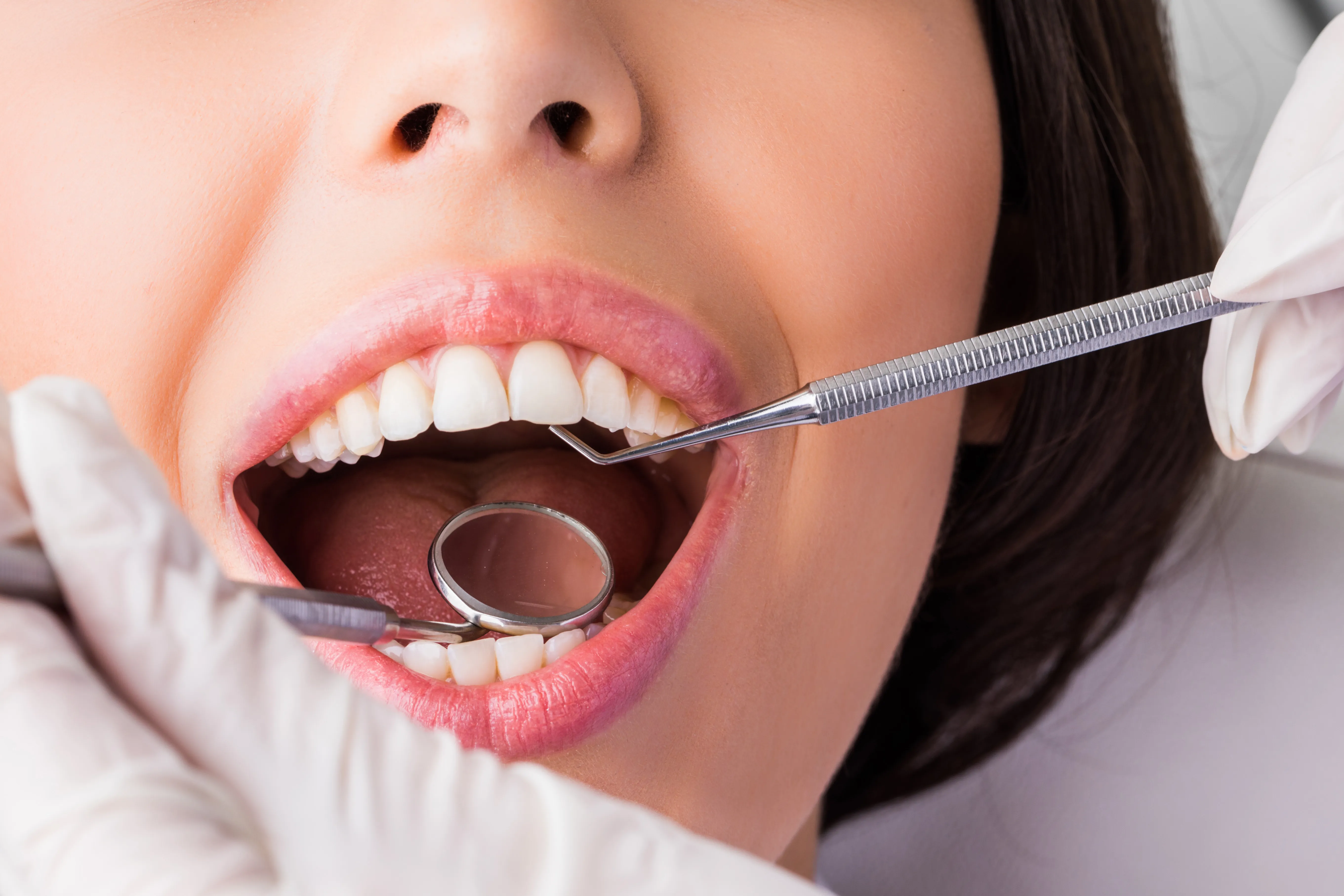
When a tooth needs to come out, you want a doctor with a gentle hand, clear communication, and a clinic that’s clean, safe, and easy to reach. Thailand tooth extraction clinics are well-known for experienced tooth removal specialists, modern equipment, and a service-minded approach that makes patients feel calm. Whether you live here or you’re flying in for dental care, it’s easy to find dentists and oral surgeons who can handle simple extractions, surgical removals, and wisdom tooth cases with professional care.
Why Thailand is a solid choice
- Experienced dentists and oral surgeons: Many clinicians hold DDS degrees with additional training in oral surgery or orthodontics. For complex or impacted wisdom teeth, clinics commonly refer to an oral and maxillofacial surgeon to ensure safe removal.
- International-standard sterilisation: Clinics routinely use autoclaves, single-use consumables, and strict protocols. Many follow standards in line with HA (Healthcare Accreditation Institute) and international guidelines.
- English-friendly service: In Bangkok, Phuket, Pattaya, Chiang Mai, and other hubs, staff can explain procedures, risks, and aftercare in clear English. It’s common to see X-rays on a screen and get a step-by-step explanation before any treatment.
- Convenient locations and hours: You’ll find clinics near BTS/MRT stations, in popular sois, or inside malls. Many open late or on weekends. Walk-in is often welcome, but booking is better during busy hours.
Who performs tooth extractions in Thailand
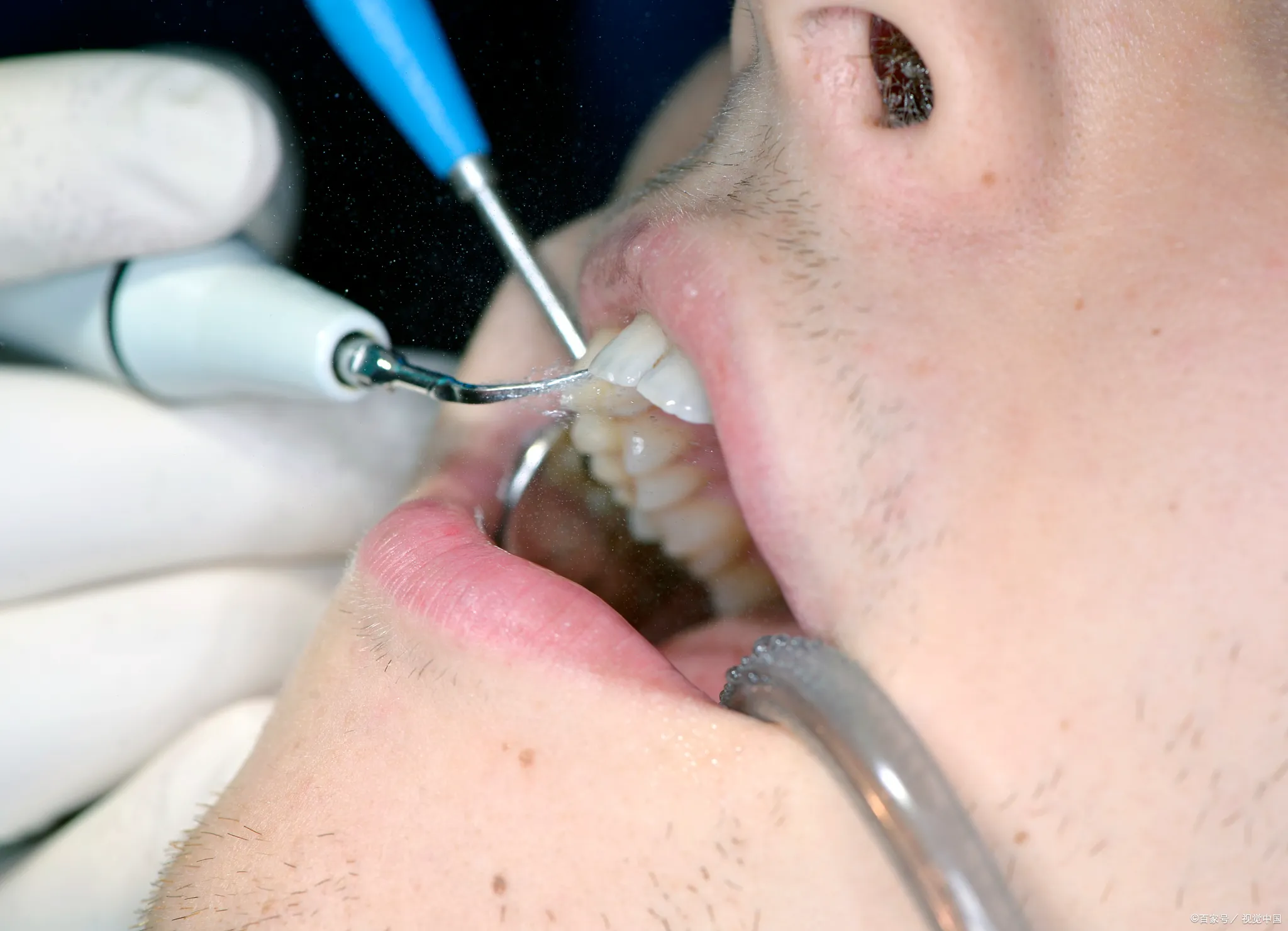
- General dentists: Handle routine extractions for mobile or non-impacted teeth, including baby teeth, badly decayed teeth, or teeth with advanced gum disease.
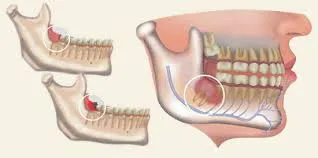
- Oral and maxillofacial surgeons: Manage surgical extractions, impacted or horizontal wisdom teeth, roots close to nerves or sinuses, and cases requiring incision and bone removal. If your X-ray shows a complicated root shape or impaction, the clinic will usually recommend a surgeon for safety.
Types of tooth removal you’ll see on the price list
- Simple extraction: The doctor numbs the area and gently loosens the tooth. This is straightforward and quick for many cases.
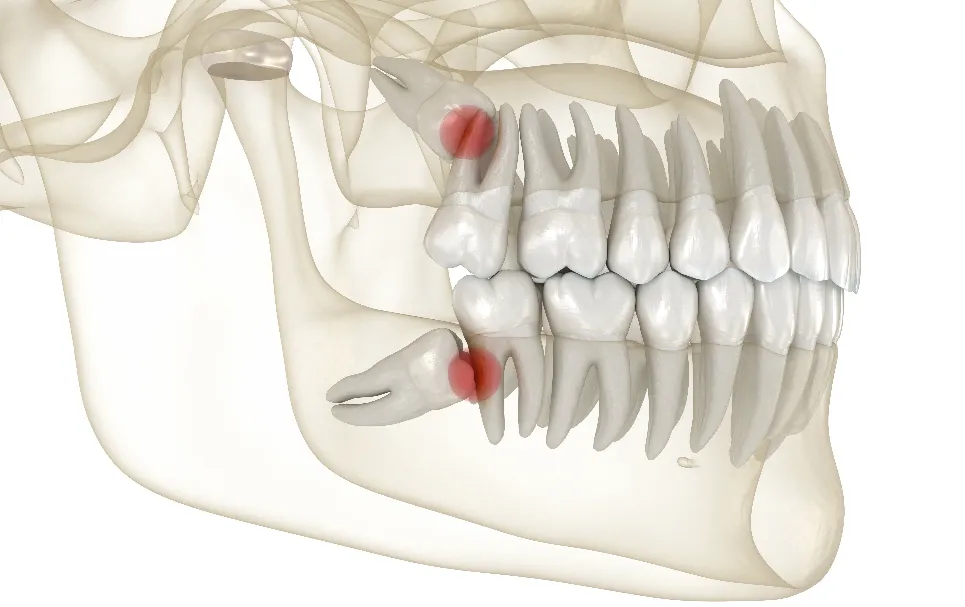
- Surgical extraction: For broken, brittle, or impacted teeth, the doctor will make a small incision and may remove a little bone. Wisdom tooth surgery is the most common reason for this.
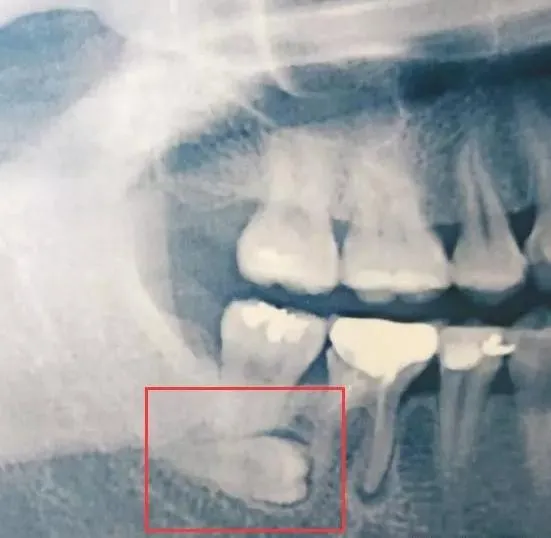
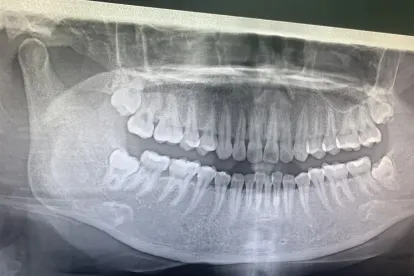
- Wisdom tooth removal: Can be simple or surgical. A panoramic X-ray (OPG) helps the doctor see nerve positions and level of impaction before planning.
How to choose a good clinic for extraction
- Check credentials: Look for a dentist or surgeon registered with the Thai Dental Council. Clinics often display certificates at reception or on their website.
- Ask about imaging: A pre-op X-ray (periapical or panoramic) is standard. It guides treatment and helps reduce complications.
- Confirm sterilisation and safety: Don’t be shy to ask about autoclave use, instrument tracking, and single-use items.
- Pain control options: Local anaesthetic is standard. For anxious patients or complex surgery, ask about IV sedation or nitrous oxide with a trained team and monitoring.
- Clear quotation: Request a breakdown that may include consultation, X-ray, extraction fee, surgical fee (if any), medication, and follow-up.
- Location and access: If you’ll come by BTS/MRT or need parking, choose a clinic that’s easy for you. After surgery, it’s nice when the trip home is not stressful.
- Communication: Cho
ose a team that explains risks like dry socket, nerve tingling (in lower wisdom teeth cases), or sinus exposure (in upper molars), and how they manage them.
Expected fees and value
Costs vary by city, clinic setting, and case complexity. As a general guide:
- Simple extractions often start from around the low thousands of baht at private clinics.
- Surgical or impacted wisdom tooth removals usually cost more, reflecting surgical time, difficulty, and specialist involvement.
- Hospitals and high-end clinics may have higher fees but offer extended facilities and sedation services.
Always request a written estimate after your X-ray. Some clinics offer package pricing inclusive of X-ray, extraction, and standard medication.
What happens during the procedure
1) Consultation and X-ray: The doctor reviews your medical history, allergies, and any medications. They’ll examine the tooth and surrounding bone with an X-ray.
2) Anaesthesia: A numbing injection is given; you’ll feel pressure but not sharp pain. If you’re nervous, tell the team—they’re used to helping patients feel comfortable.
3) Removal: For simple cases, the tooth is loosened and lifted out. For surgical cases, a small incision and controlled bone trimming may be done. Stitches may be placed, sometimes dissolvable.
4) Immediate aftercare: You’ll bite on gauze to stop bleeding and receive instructions plus medication if needed.
Aftercare tips commonly advised in Thailand
- Bite on the gauze for 30–60 minutes to control bleeding. A little oozing is normal.
- No vigorous rinsing, spitting, or using straws for 24 hours to protect the blood clot.
- Apply cold compress on and off for the first 6–8 hours to limit swelling.
- From day 2, gently rinse with warm salt water after meals, unless the doctor advises otherwise.
- Eat soft foods (congee, yogurt, soft eggs) and drink plenty of water. Avoid very hot, spicy, or hard foods for a few days.
- Do not smoke for at least 48–72 hours; smoking increases the risk of dry socket.
- Take pain relief as prescribed. Antibiotics are given only when clinically indicated—follow your doctor’s instructions.
- Come back for stitch removal or review as scheduled.
When to contact the clinic urgently
- Heavy bleeding that doesn’t slow after firm pressure on gauze
- Fever, spreading swelling, or pus discharge
- Numbness that doesn’t improve after the expected recovery time
- Severe pain after day 3 that feels worse than day 1 (possible dry socket)
Practical notes for Thailand
- Booking: Many clinics accept appointments via phone, Facebook, or Line. Walk-in is okay in some places, but booking helps avoid a long queue.
- Language: In major cities, reception and doctors usually speak English. If you’re outside big hubs, message the clinic first to check.
- Payment: Cash and card are common; ask about insurance claim forms if you need them. Some clinics offer official receipts for international insurance.
- Timing: If you’re flying soon after a surgical extraction, ask the doctor about recommended waiting periods, especially for wisdom tooth surgery.
The bottom line
Thailand tooth extraction clinics combine experienced tooth removal specialists, clear pricing, and a friendly, service-minded approach. With proper imaging, gentle techniques, and good aftercare, most extractions are straightforward and recovery is smooth. Choose a clinic that communicates well, follows strict safety standards, and is convenient for you—near BTS/MRT or your soi—and you’ll be in good hands from consult to follow-up.