Thailand Tooth Extraction Procedures for International Dental Patients
Thailand Tooth Extraction Procedures for International Dental Patients
Thailand Tooth Extraction Procedures for International Dental Patients
Thinking about getting a tooth extraction in Thailand? You’re not alone. Many international dental patients choose Thailand for reliable care, clear communication, and fair pricing in baht. With skilled dentists, modern equipment, and friendly service, the process is smooth from consultation to aftercare. Here’s a practical guide to help you plan confidently.
Who usually needs an extraction
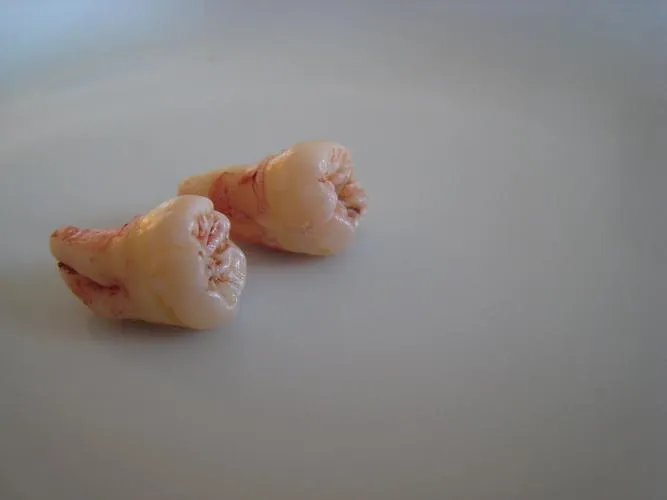
Tooth removal may be recommended if a tooth is severely decayed, cracked below the gum line, loose from advanced gum disease, or if wisdom teeth are impacted and causing pain or infection. Thai dentists aim to save teeth when possible, but when extraction is the safest choice, they focus on a painless, clean, and fast procedure with proper follow-up.
Choosing the right clinic
Thailand has many reputable dental clinics in Bangkok, Phuket, Chiang Mai, and resort towns. When comparing options:
- Check that the dentist is licensed by the Thai Dental Council.
- Look for clinics with digital X-ray or CBCT imaging, proper sterilisation protocols, and transparent pricing.
- Ask if the doctor and staff communicate in English; many do. Some clinics have coordinators for international patients.
- Consider whether you prefer a private clinic (quicker appointment, competitive price) or a hospital dental centre (more comprehensive facilities).
- Request a detailed quote in baht that includes consultation, X-rays, extraction type, medications, and follow-up.
What to expect on the day
1) Registration and medical history: You’ll fill out a form and share any medical conditions, allergies, and medications. Bring a list of your current meds and any past dental X-rays if available.
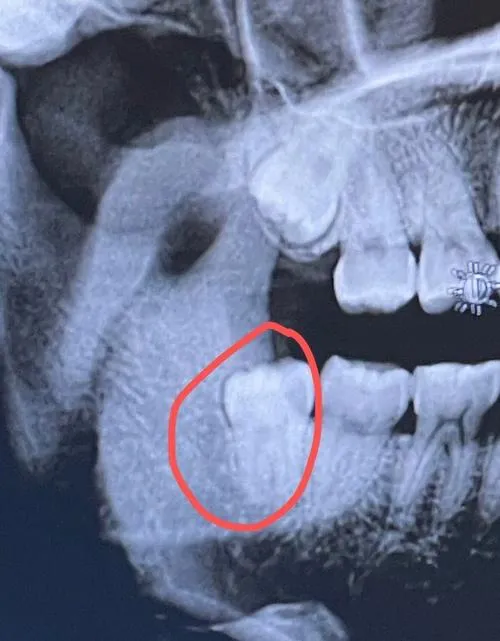
2) Examination and imaging: The dentist will do a clinical exam and usually take a panoramic X-ray. For complex cases or wisdom teeth near nerves or sinuses, a CBCT scan may be advised.
3) Discussion and consent: The doctor will explain the findings, whether the extraction will be simple or surgical, possible risks, and the fee. You’ll get a consent form to sign, and you can ask questions freely.
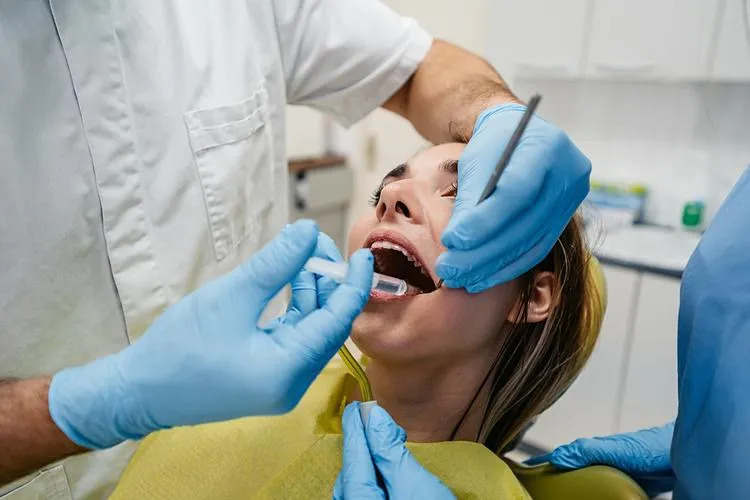
4) Anaesthesia: Most extractions are done under local anaesthesia only—the area is numbed and you won’t feel pain, just pressure. If you have high dental anxiety, some clinics offer oral sedation or IV sedation at an extra cost. General anaesthesia is uncommon for routine cases.
5) The procedure:
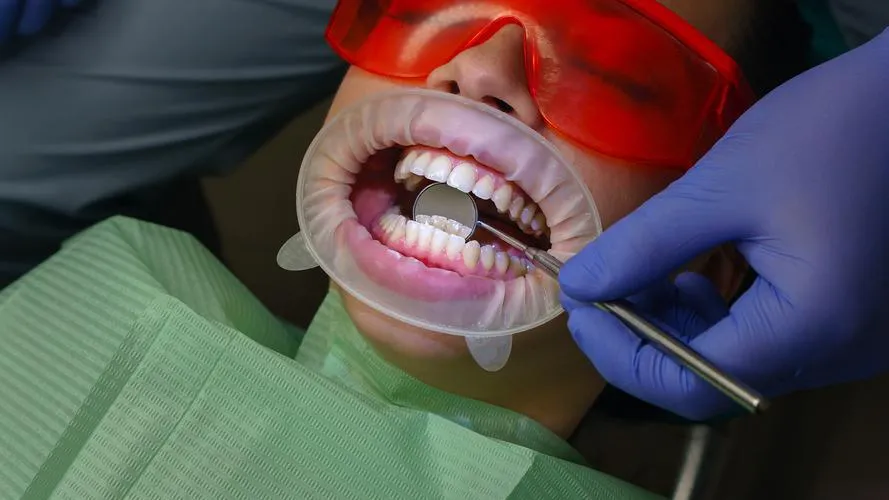
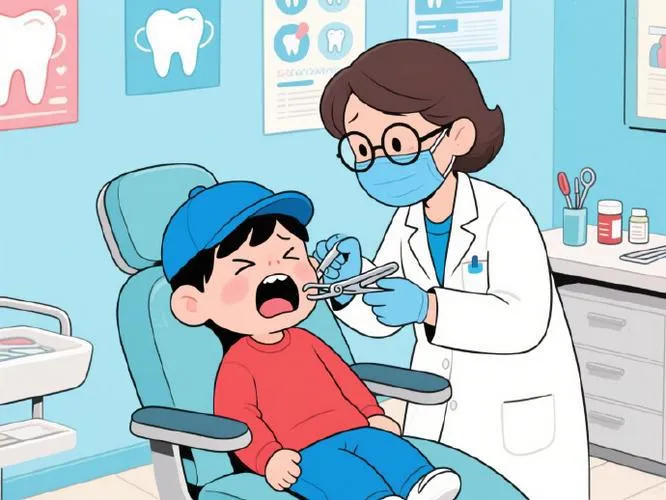
- Simple extraction: For a mobile or erupted tooth, the dentist loosens it and removes it in minutes.
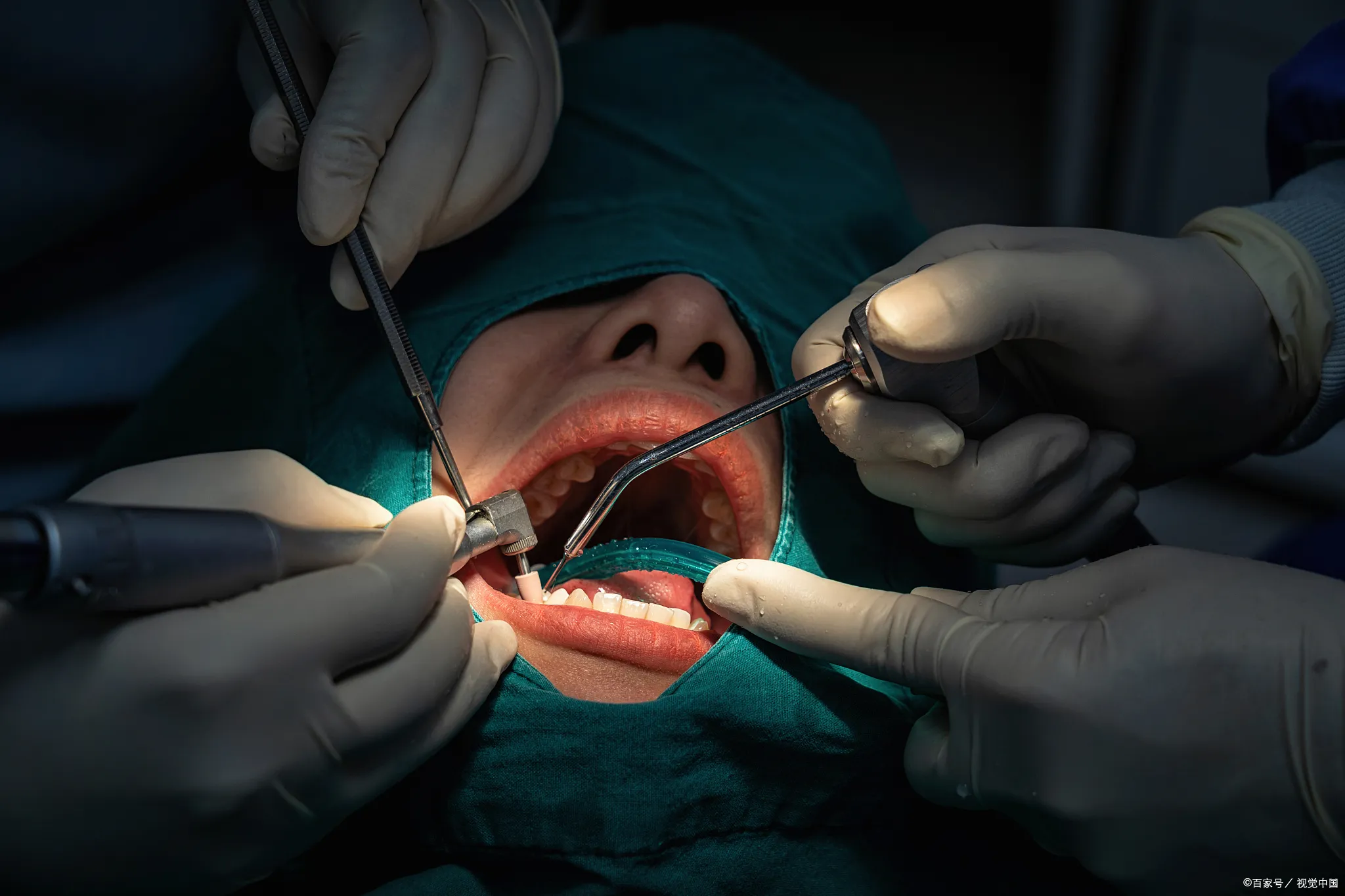
- Surgical extraction: For impacted or broken teeth, the doctor may open the gum slightly, remove a small amount of bone, and section the tooth for easier removal. Stitches may be placed; many clinics use dissolvable sutures.
6) Immediate aftercare: You’ll bite on gauze for 30–45 minutes to control bleeding. The team will give instructions and medicine before you go.
How long it takes
A straightforward extraction can be completed in 20–30 minutes. Surgical wisdom teeth may take 45–60 minutes per tooth, sometimes longer. Allow extra time for check-in, imaging, and recovery, so plan about 1.5–2 hours at the clinic.
Cost overview in Thailand
Fees vary by city and clinic, but typical private clinic ranges are:
- Consultation and X-ray: 500–1,500 THB
- Simple extraction: 1,000–3,000 THB per tooth
- Surgical or impacted wisdom tooth: 4
,000–12,000 THB per tooth
- CBCT scan (if needed): 1,500–3,500 THB
- Optional sedation: from 8,000 THB and up
Hospital-based clinics may be higher. Quotes are usually inclusive of basic meds and a follow-up check. Most clinics accept cash and major credit cards; ask about any service charges and get an itemised receipt for your records or insurance.
Pain control and medication
Once the numbness wears off, mild to moderate soreness is normal. Your doctor will usually recommend paracetamol or ibuprofen. Antibiotics are prescribed only when clinically indicated, such as for swelling or surgical removal. Use a cold compress outside your cheek for the first 24 hours (10 minutes on, 10 minutes off) to reduce swelling. Sleep with your head elevated on the first night.
Aftercare tips that fit Thailand’s lifestyle
- Keep the gauze in place as instructed; a little oozing is normal.
- Avoid rinsing vigorously, spitting, or using a straw for 24 hours to protect the clot.
- From day two, rinse gently with warm salt water after meals.
- No smoking and no alcohol for at least 48–72 hours.
- Choose soft, non-spicy foods for the first two days. Congee, khao tom, yoghurt, scrambled eggs, soft tofu, and ripe bananas are good options. Avoid very hot soup, crispy pork, sticky rice on the extraction side, and crunchy snacks.
- Brush gently, avoiding the socket area at first; keep the rest of your mouth clean.
- If stitches are non-dissolving, you’ll be scheduled for removal in about a week.
When to contact the clinic
Reach out if you have severe pain after day three (possible dry socket), persistent bleeding, fever, foul taste or pus, numbness that doesn’t improve, or swelling that worsens. Most clinics share a phone, Line, or WhatsApp contact for quick support, and 24-hour pharmacies are easy to find in major cities.
Planning around travel
Give yourself a buffer. For a simple extraction, most patients can fly after 24–48 hours; for surgical wisdom teeth, plan 3–5 days before a long-haul flight. Avoid strenuous activities, Muay Thai classes, diving, or sauna/steam for a few days. If you’re combining your trip with other dental work, ask about timing—extractions heal best with minimal disturbance in the early phase.
Future treatment options
If a back tooth is removed, your dentist may discuss options such as a dental implant, bridge, or partial denture. Implants can require 2–3 months of healing before placement, or longer in some cases. Some clinics offer immediate implants in selected situations; this must be planned carefully with imaging and may still require a second visit to Thailand. Clarify your timeline and expectations before your flight.
Safety and standards
Reputable Thai clinics follow strict infection control with autoclaved instruments, single-use disposables, and PPE. Don’t hesitate to ask about their sterilisation process or view their certifications. Many dentists have international training or continuing education and are happy to explain their protocols.
Final take
Thailand offers a comfortable, efficient pathway for tooth extractions, with experienced dentists, modern technology, and friendly, patient-centred care. By choosing a licensed clinic, agreeing a clear plan and fee in baht, and following simple aftercare, international dental patients can expect a smooth experience—and more time to enjoy the Land of Smiles, sabai sabai.