Thailand Tooth Extraction Care With Safe and Effective Techniques

Thailand Tooth Extraction Care With Safe and Effective Techniques
Thailand Tooth Extraction Care With Safe and Effective Techniques
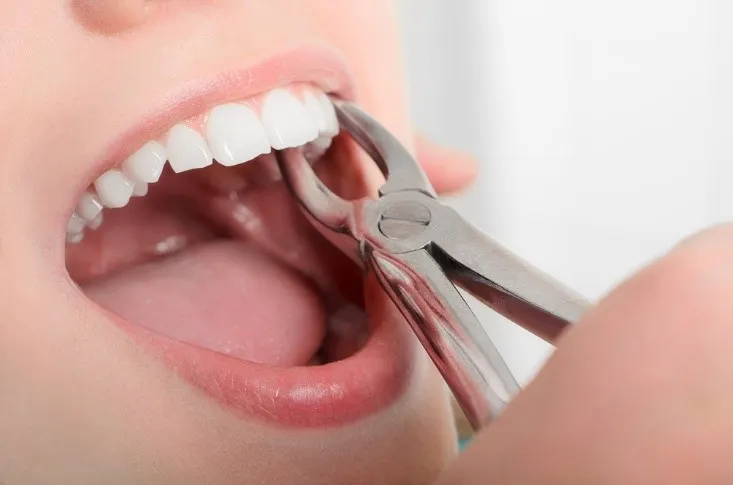
If you’re in Bangkok, Chiang Mai, Phuket, or anywhere upcountry and need a tooth removed, there’s no need to worry. Thailand’s dentists handle extractions every day using safe, modern techniques and clear aftercare that helps you heal fast. Whether it’s a loose tooth, a badly decayed molar, or an impacted wisdom tooth, the right approach and good home care make all the difference.
Why Thailand is a reliable place for tooth extraction
- Skilled dentists and specialists: Many Thai dentists are trained locally and abroad, and oral surgeons handle complex cases like impacted wisdom teeth.
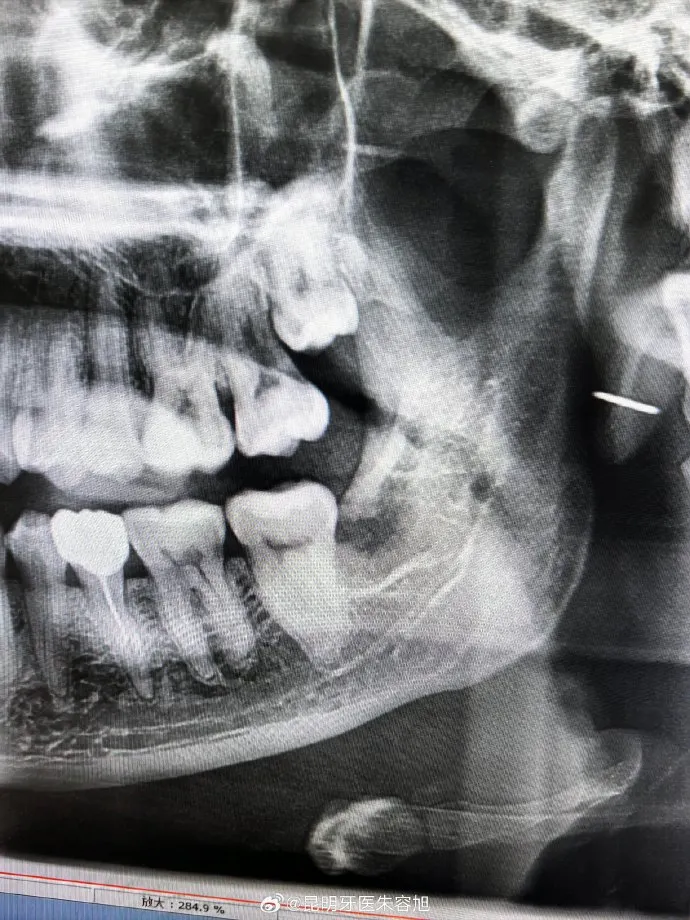
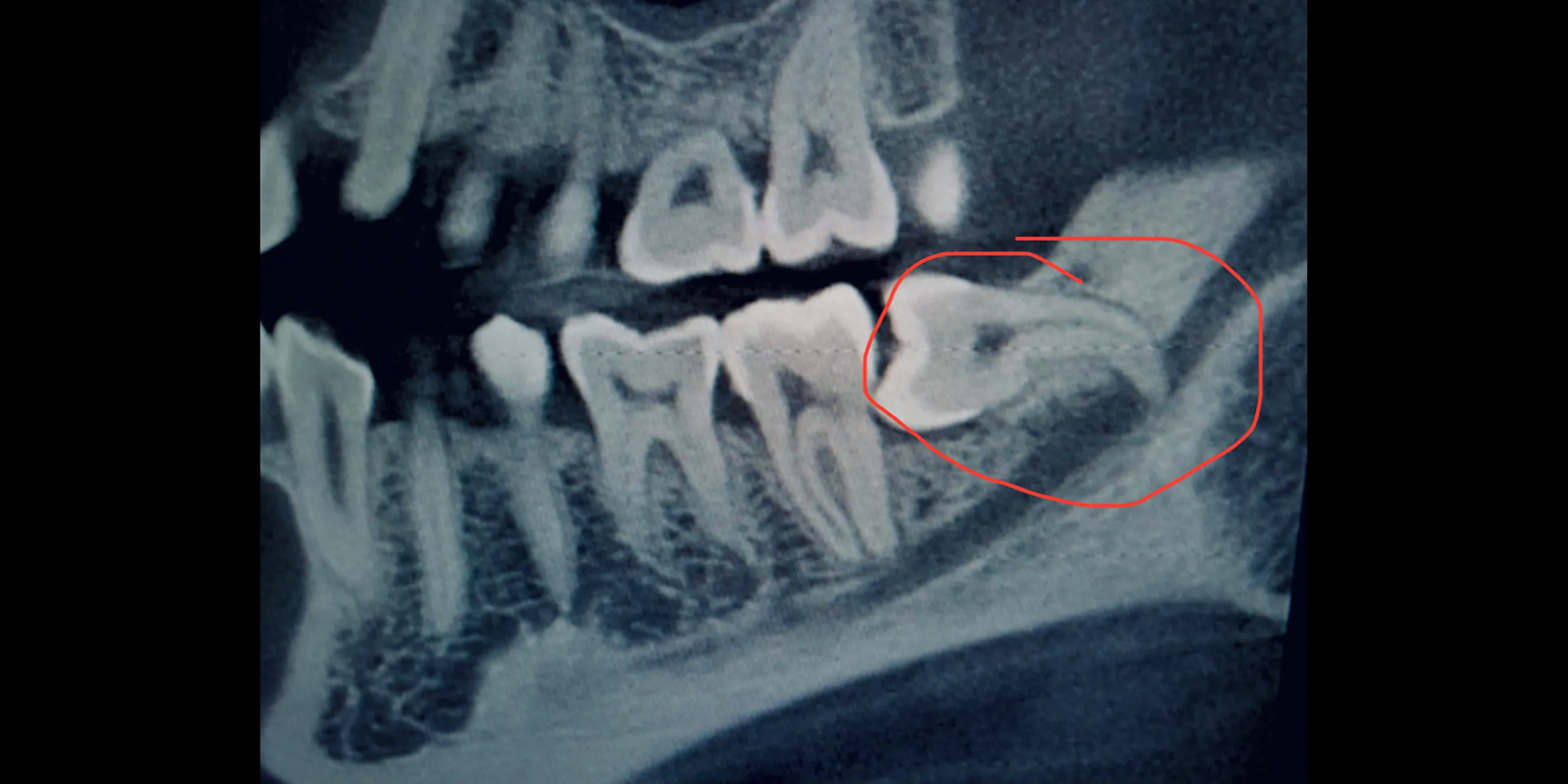
- Modern technology: Digital X‑rays and 3D CBCT scans are common, helping doctors plan the safest, most effective techniques.
- Strong safety standards: Licensed clinics follow strict sterilization with autoclaves and single‑use disposables. Larger dental hospitals often meet international benchmarks and have emergency protocols on standby.
Before your extraction: simple preparation
- Share your medical history: Tell the dentist about allergies, heart conditions, diabetes, bleeding disorders, or if you’re pregnant. Bring a list of medicines and supplements you take.
- Ask about anesthesia: For most, local anesthesia is enough. If you’re very anxious, some clinics offer nitrous oxide or IV sedation under monitoring.
- Eat a light meal: Have a small meal 1–2 hours before your appointment unless your dentist says otherwise. If you’ll have sedation, follow fasting instructions.
- Arrange transport: After surgical extractions or sedation, it’s better to have a friend or Grab ride you home.
- Plan your schedule: Try to rest after the extraction. If you’re flying, allow at least 48–72 hours after a simple extraction, and 5–7 days after a surgical wisdom tooth removal.
What happens during the procedure
- Numbing the area: A topical gel followed by local anesthetic injections ensures the area is fully numb. You’ll feel pressure but no sharp pain.
- Atraumatic technique: Dentists use fine instruments (periotomes, elevators) and controlled movements to loosen the tooth gently, protecting bone and gums.
- Surgical steps when needed: For difficult or impacted teeth, the doctor may make a small flap, section the tooth into pieces, and place sutures. This method reduces trauma and supports faster healing.
- Clean-up and stability: The socket is cleaned, sometimes with sterile saline. In select cases, a small bone graft or a platelet concentrate may be used to support healing. You’ll bite on gauze to control bleeding.
Tooth extraction care in the first 24 hours
- Bite firmly on gauze for 30–60 minutes to stop bleeding. If oozing continues, replace with fresh gauze or a clean tea bag and bite again. Slight pink saliva is normal.
- No spitting, no straws, no smoking, and no alcohol. Suction and smoke can dislodge the blood clot and cause dry socket.
- Ice the area: Apply an ice pack to the cheek 15 minutes on, 15 minutes off for the first day to limit swelling.
- Rest with your head up: Keep your head elevated on pillows and take it easy. Avoid heavy exercise and hot showers that can increase bleeding.
- Take medicine as advised: In Thailand, ibuprofen or paracetamol (acetaminophen) are common. Many dentists advise alternating or combining them safely for stronger relief. Avoid aspirin as it can increase bleeding. Only take antibiotics if your dentist prescribes them.
Day 2 to day 7: effecti
ve recovery habits
- Gentle rinsing: From day 2, rinse with warm salt water (half a teaspoon of salt in a cup of warm water) after meals, 3–4 times daily. Do not rinse too hard.
- Keep it clean: Brush your other teeth as normal, but be gentle near the extraction site. If you were given a medicated mouthwash, use as directed.
- Switch from ice to warmth: If there’s stiffness after 48 hours, a warm compress can feel better.
- Look after stitches: Some sutures dissolve in 1–2 weeks; others need removal at your follow‑up visit. Keep them clean and don’t fiddle with them.
- Watch for dry socket: A deep, throbbing pain 2–4 days after extraction that radiates to the ear or temple can mean the clot was dislodged. Contact your clinic promptly for dressing and pain relief.
What to eat (and avoid) in Thailand after an extraction
- Good choices: Soft, cool or lukewarm foods are best. Think jok or khao tom (rice porridge), soft boiled eggs, yogurt, tofu, ripe banana, smoothies without a straw, clear soups without bones, mashed pumpkin or potato.
- Be careful with spices and textures: Go easy on chili, hot soups, and crispy or sticky items for a few days. Sticky rice, crunchy pork crackling, and seeds can disturb the socket.
- Hydrate well: Drink plenty of water. Avoid alcohol for at least 48–72 hours as it can delay healing.
Safe and effective techniques you’ll see in Thai clinics
- Minimally traumatic extraction: Using slim instruments and sectioning when necessary protects bone and reduces post‑op pain and swelling.
- Precise imaging: Digital radiographs and CBCT help locate nerves and roots, especially for lower wisdom teeth close to the nerve canal.
- Hemostasis and suturing: Dentists use pressure, hemostatic sponges, and well‑placed sutures to stabilize the clot and reduce bleeding.
- Antibiotic stewardship: Not every extraction needs antibiotics. Thai dentists follow evidence‑based guidelines to avoid unnecessary medication while protecting you from infection.
- Clear aftercare: You’ll receive printed or digital instructions, and many clinics are reachable on Line or phone if you have questions.
Travel and timing tips for residents and visitors
- Plan downtime: Even with an easy extraction, give yourself 1–2 quiet days. For surgical wisdom teeth, plan 3–5 days of light activity.
- Flights and diving: Pressure changes can worsen discomfort. Delay flights at least 2–3 days for simple cases and 5–7 days for surgical cases. Avoid diving until your dentist says it’s okay.
- Follow‑up: If you’re a medical tourist, try to keep your follow‑up appointment before you leave Thailand, especially if you have non‑dissolving stitches.
When to call your dentist
- Bleeding that doesn’t slow after 2–3 hours of firm pressure
- Swelling that worsens after day 3, or fever and chills
- Severe pain not relieved by prescribed medicine
- Pus, a foul taste or smell, or difficulty opening your mouth
- Persistent numbness of your lip, chin, or tongue
- Signs of allergy such as rash or breathing difficulty (seek urgent care)
A friendly reminder
Tooth extraction care in Thailand is safe and straightforward when you follow your dentist’s advice. Make your appointment with a licensed dental clinic or hospital, bring your medical history, and take things slowly for a few days. With modern techniques, careful aftercare, and a little Thai common sense—rest well, eat soft, and avoid heat and spice—you’ll heal smoothly and be back to your usual routine in no time.