Thailand Root Canal Final Filling Methods
**Thailand Root Canal Final Filling Methods**
Root canal treatment is one of the most common dental procedures in Thailand for saving damaged or infected teeth. While many people focus on the cleaning and shaping stage of the treatment, the final filling stage is just as important. It ensures that bacteria do not re-enter the tooth and that the tooth structure remains strong for everyday use. In Thai dental clinics, patients often ask what methods are used for the final filling and which option might suit them best. Let’s take a closer look at how dentists in Thailand approach this crucial step and what it means for your long-term oral health.
**Why the Final Filling Matters**
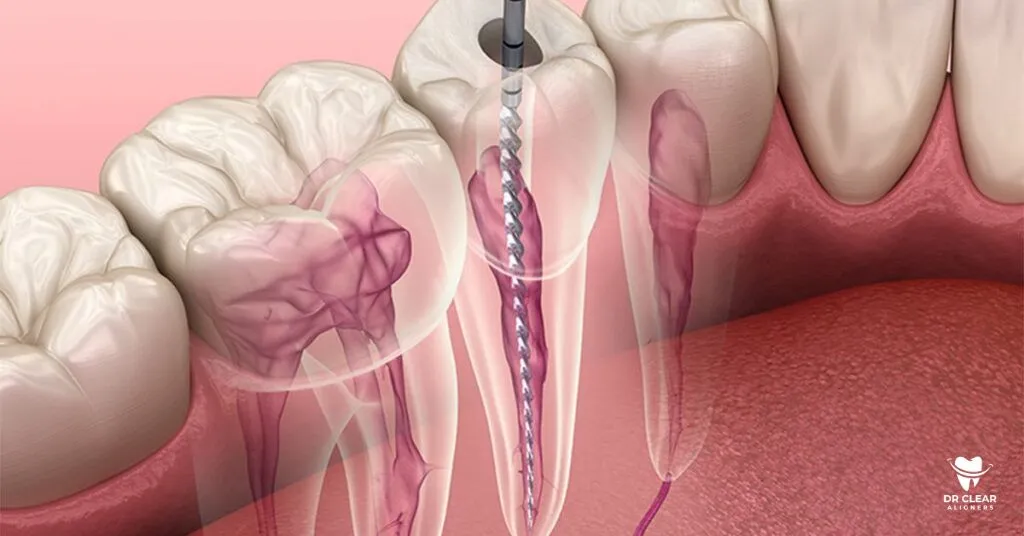
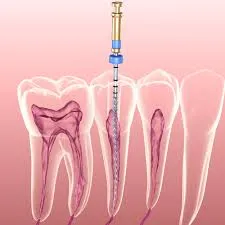
In a root canal procedure, the dentist removes infected or inflamed pulp tissue, cleans the canals, and shapes them for filling. If the canals are not sealed properly during the final stage, bacteria can find their way back in, which could lead to reinfection. In Thailand, dentists emphasise the importance of a long-lasting seal — especially because tropical climates can make oral bacteria more active. Patients here often appreciate that a well-done final filling can give a treated tooth another decade or more of healthy function.
**Common Materials Used in Thailand**
Dentists in Thailand have access to both internationally recognised and locally preferred materials. Some of the most common ones include:
- **Gutta-percha**: This is a biocompatible material derived from natural latex. It’s popular worldwide, and Thai dentists prefer it because it can adapt well to the shape of the canal and is easy to work with.
- **Bioceramic sealers**: These modern materials bond tightly to the canal walls and have antibacterial properties. They are increasingly used in advanced clinics in Bangkok, Chiang Mai, and Phuket.
- **Resin-based sealers**: While less common today, these can still be found in some clinics and are valued for their durability.
**Final Filling Techniques Used in Thai Clinics**
Thailand’s dental industry follows international standards but also adapts certain techniques to local patient needs. Here are the most common methods for the final filling stage:
1. **Cold Lateral Condensation**
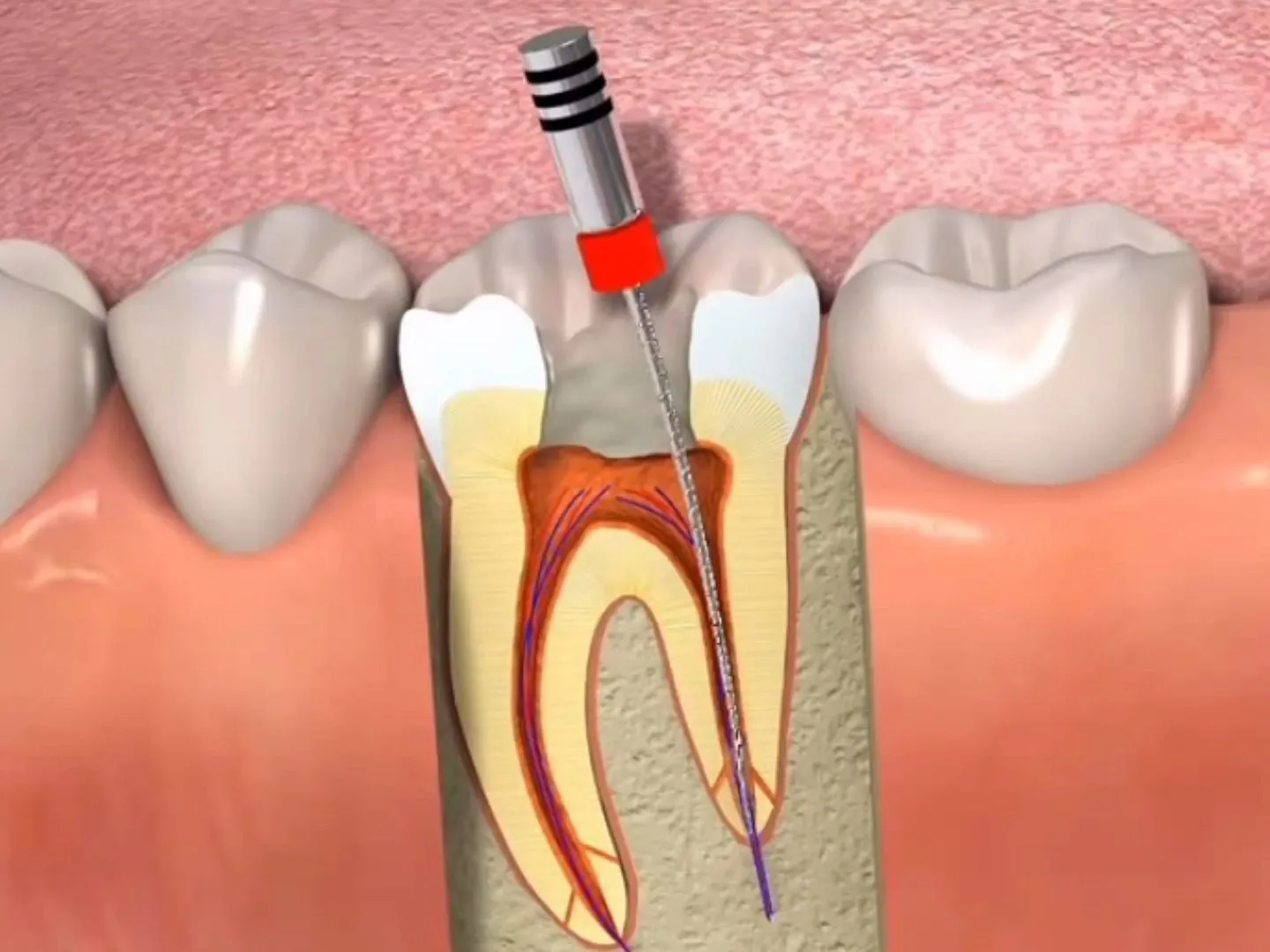
This technique involves placing gutta-percha cones into the canal and pressing them laterally with a special tool to fill the space completely. It’s a reliable and cost-effective method, making it a common choice in provincial clinics where affordability is important.
2. **Warm Vertical Condensation**
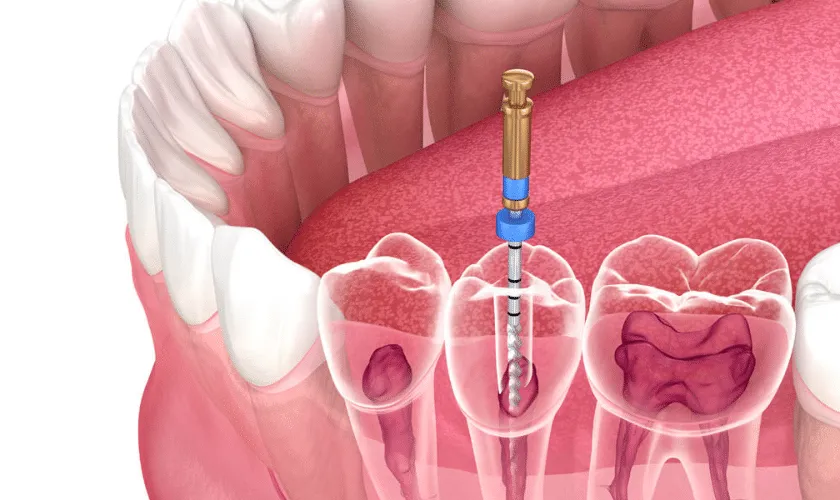
In this method, gutta-percha is softened with heat and packed down vertically into the canal. Dentists in cities like Bangkok often use this technique for more precise sealing in complex canal shapes. Patients who choose this option may pay a little more, but they benefit from excellent adaptation of the material to irregular canal walls.
3. **Thermoplasticised Injection**
This advanced approach uses devices that heat gutta-percha and inject it directly into the canal. I

t’s especially useful for difficult cases with curved or branched canals. Thai clinicians who specialise in endodontics often recommend it for maximum sealing efficiency.
**How Dentists in Thailand Decide on a Method**
The choice of final filling technique can depend on several factors:
- The shape and complexity of the tooth’s root canals
- The equipment available at the clinic
- The patient’s budget
- The dentist’s training and familiarity with specific methods
In high-end dental centres in Bangkok or Pattaya, advanced equipment and specialist expertise mean patients often have more options. In rural areas, dentists might focus on proven, cost-effective techniques that still deliver safe results.
**Post-Filling Care and Advice**
After the final filling is complete, Thai dentists typically place a temporary or permanent crown to protect the tooth. Patients are advised to avoid chewing hard or sticky foods on the treated tooth for at least a few days. Maintaining regular dental check-ups is important — in Thailand, many clinics send friendly reminder messages via LINE or WhatsApp to help patients stay on track.
**Advantages of Choosing a Thai Dental Clinic for Root Canal Fillings**
Thailand is well known for high-quality yet affordable dental care. Many dentists trained overseas bring international techniques back to local practice. Patients benefit from:
- Competitive pricing compared to Western countries
- English-speaking staff in major cities
- Modern equipment and infection control standards
- A warm, service-oriented approach that makes appointments less stressful
It’s common for visitors from neighbouring ASEAN countries to come to Thailand specifically for dental work, including root canal treatments, because the quality often matches that of much more expensive clinics abroad.
**Practical Tips for Patients in Thailand**
If you are considering root canal treatment in Thailand, here are a few steps to make sure the final filling stage goes smoothly:
- Ask your dentist to explain the filling method they plan to use and why it suits your case.
- Inquire about the type of sealer or filling material — especially if you have allergies.
- Check whether the clinic has modern endodontic equipment for more complex techniques.
- Follow all post-treatment care instructions to protect the filled tooth.
**Conclusion**
The root canal final filling stage is a vital part of ensuring your treated tooth stays healthy for years to come. In Thailand, dentists have access to a range of effective materials and techniques, from simple cold lateral condensation to advanced thermoplasticised systems. Whether you visit a clinic in Bangkok’s business district or a local practice in Chiang Rai, you can expect professional care designed to keep your smile strong and infection-free. By understanding your options and working closely with your dentist, you can make informed decisions that lead to a painless recovery and long-lasting results.
 collect
Hospitals included




Products included




Suggested reads