Thailand Root Canal for Kids and Teenagers
**Thailand Root Canal for Kids and Teenagers: What Parents Should Know**
When it comes to dental care for children and teenagers in Thailand, most parents think about braces, cavities, or regular cleanings. But sometimes, more serious treatment is needed — such as a root canal. While root canals are often associated with adults, they can be necessary for younger patients too, especially if tooth decay or injury affects the tooths pulp. If you’re a parent living in Thailand or visiting the country, understanding how root canal treatment for kids and teenagers works here can help you make confident decisions about your child’s oral health.
---
### Why a Root Canal May Be Needed for Younger Patients
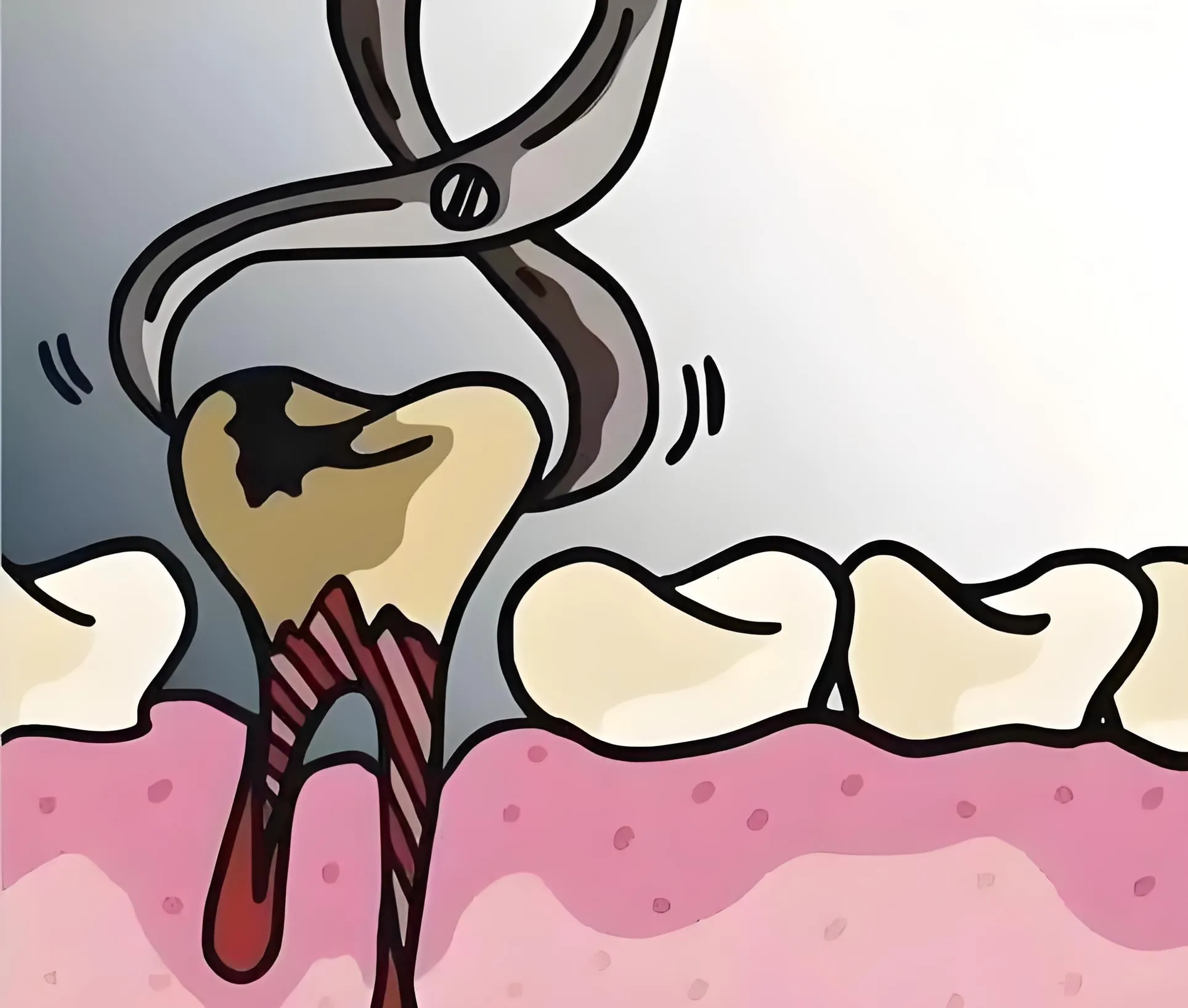
In Thailand, dentists often see children with severe tooth decay caused by sugary snacks, sweetened drinks, or irregular brushing habits. While minor cavities can be fixed with simple fillings, deeper infections can reach the tooth’s nerve, causing pain, swelling, or sensitivity.
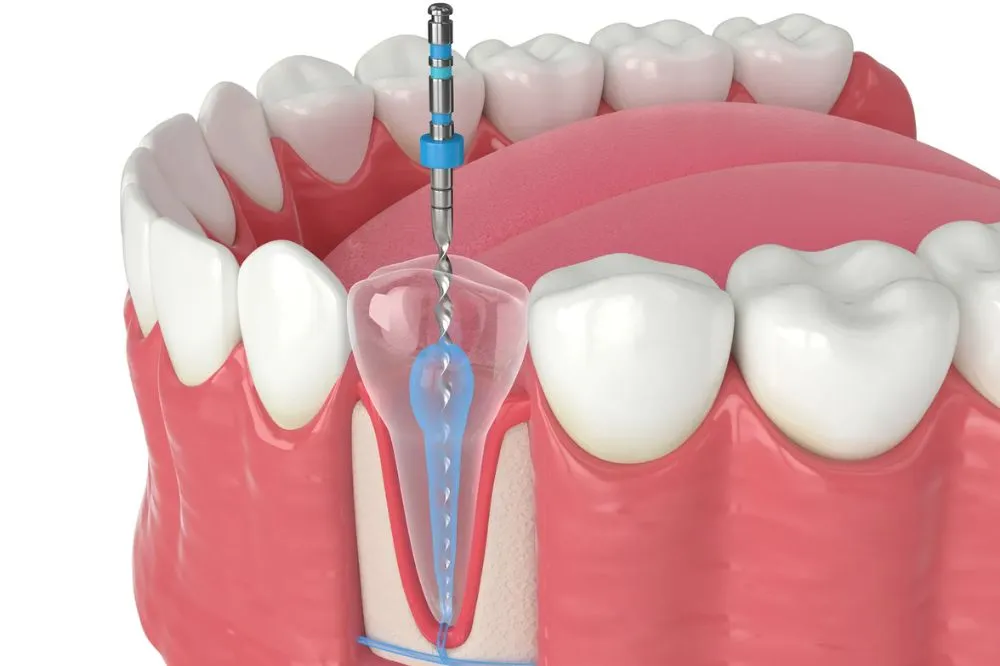
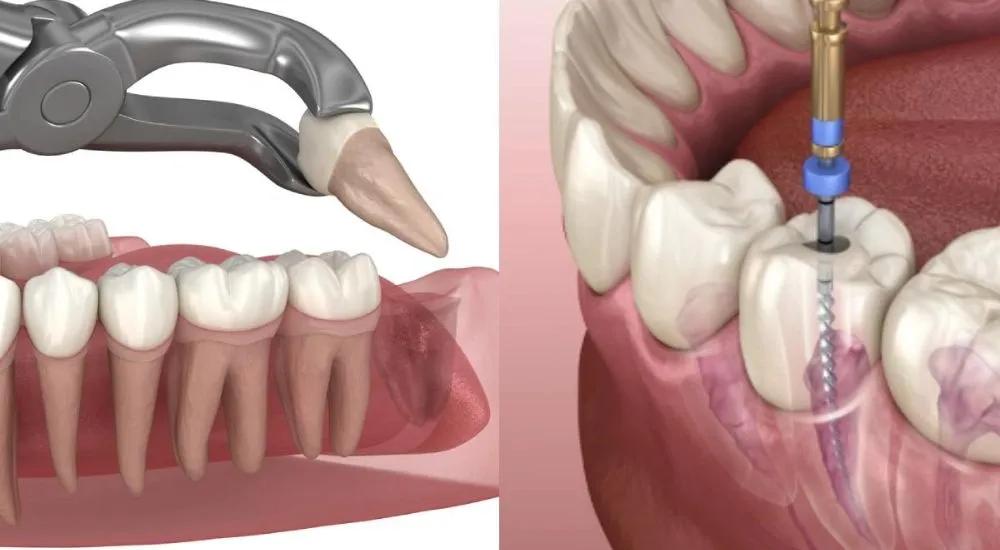
For teenagers who play contact sports or have accidents, cracked or broken teeth can also expose the dental pulp, increasing the risk of infection. A root canal involves cleaning out the infected tissue inside the tooth, disinfecting it, and filling the inner space to prevent further problems.
Unlike permanent teeth in adults, children’s teeth — especially the molars — still play a big role in guiding proper jaw development. Preserving these teeth whenever possible helps maintain normal chewing function and allows for proper growth until the permanent teeth come in.
---
### The Difference Between Adult and Pediatric Root Canal Treatment
Thai dentists often explain that a “root canal” for kids might be slightly different compared to adults. For baby teeth, procedures such as **pulpotomy** or **pulpectomy** are performed, depending on the level of infection. These treatments are designed to keep the tooth in place until it naturally falls out, preventing misalignment or bite problems.
For teenagers with fully developed permanent teeth, root canal therapy follows a process similar to adults:
1. Local anesthesia to ensure comfort.
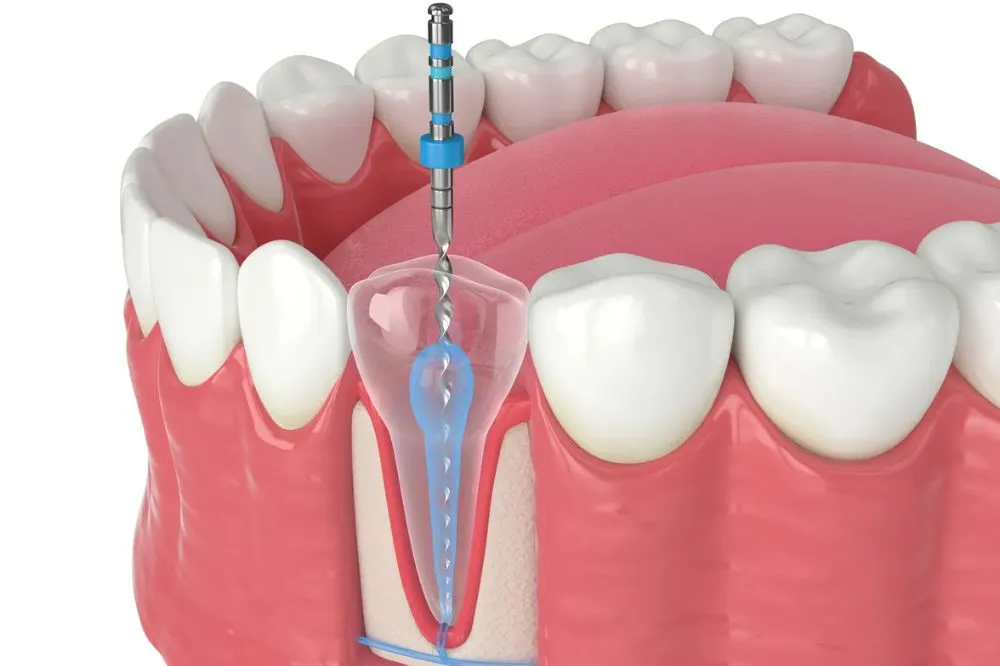
2. Removal of infected pulp tissue.
3. Cleaning and shaping the canals inside the root.
4. Filling and sealing the space.
5. Occasionally, a dental crown to strengthen the tooth.
Thai pediatric dental clinics emphasize a gentle, patient-focused approach, using child-friendly explanations so young patients feel less anxious.
---
### Finding a Pediatric Dentist in Thailand
In major cities like Bangkok, Chiang Mai, and Phuket, parents can easily find clinics specializing in pediatric dentistry. Many of these clinics feature bright, colorful designs, play areas, and staff trained to work with children. They also follow strict sterilization standards in line with international guidelines.
When searching online for **“pediatric root canal Thailand”**, you’ll find options ranging from local clinics to hospital dental departments. If you are based in a smaller town, it’s worth checking regional hospitals or contacting dental schools, such as the ones at Chulalongkorn University or Mahidol University, which
often have pediatric departments and experienced staff.
---
### How Much Does a Root Canal Cost in Thailand?
Prices can vary depending on the city, clinic reputation, and tooth location. In general:
- **Baby teeth treatments (pulpotomy or pulpectomy)**: around 1,500–3,500 THB per tooth.
- **Permanent teeth root canal for teenagers**: typically 6,000–12,000 THB, depending on complexity and whether a crown is needed.
Many Thai dental clinics are upfront about costs and offer installment plans. For expat families, some international health insurance policies may cover dental emergencies, including root canal therapy.
---
### Managing Your Child’s Comfort During Treatment
One reason parents hesitate about root canals is the fear that their child will experience pain. In Thailand, pediatric dentists are skilled at using local anesthesia and sometimes mild sedation for highly anxious patients. They aim to make each step as stress-free as possible.
It’s helpful to prepare your child by explaining that the dentist’s job is to “fix” the hurting tooth and help it feel better. Thai dentists often use familiar comparisons such as “washing the tooth” or “cleaning the tooth’s house” so little ones can understand without fear.
---
### Recovery and Aftercare
After a root canal in Thailand, children usually recover quickly. Some mild tenderness can occur for a day or two, and dentists may recommend over-the-counter pain relievers if needed. Parents should ensure:
- The child avoids overly hard or sticky foods for a few days.
- Proper brushing and flossing habits are kept.
- Follow-up visits are attended to check healing and restoration integrity.
For teenagers who receive a dental crown, extra care should be taken to avoid biting ice cubes or using teeth to open packages — habits that can damage the crown.
---
### Preventing Future Root Canal Needs
In Thailand, preventive dental care is becoming more popular among families. Regular check-ups every six months allow dentists to catch problems before they worsen. Limiting sugary snacks and drinks, encouraging twice-daily brushing, and teaching proper flossing techniques are the simplest ways to avoid deep decay and the need for root canals.
Many Thai schools and communities also run dental health projects, offering free check-ups, fluoride treatments, and educational activities — especially during National Dental Health Week in February. Joining these programs can help reinforce good habits at home.
---
### Key Takeaway for Parents
A root canal for kids and teenagers may sound intimidating, but in Thailand, pediatric dental professionals are experienced in easing young patients through the process. With modern technology, gentle techniques, and clear communication, treatment can preserve natural teeth, protect oral health, and prevent more serious issues later in life.
Choosing a trusted pediatric dentist, understanding the treatment steps, and following post-care guidelines will ensure your child’s smile stays healthy, confident, and pain-free. And as they say in Thailand — “สุขภาพฟันดี เริ่มต้นตั้งแต่เด็ก” — good dental health starts from childhood.
 collect
Hospitals included




Products included

Suggested reads