Thailand Root Canal Treatments Explained
**Thailand Root Canal Treatments Explained**
When it comes to dental care, Thailand has built a strong reputation for offering high-quality treatment at affordable prices, attracting both locals and international patients. One procedure that often raises a lot of questions is the *root canal treatment*, known locally simply as “root canal” or sometimes “treatment to save the tooth.” If you’ve heard mixed stories about it — from painless experiences to lingering discomfort — this guide will walk you through exactly what it is, why it’s needed, and how it’s done in Thailand.
---
### What Is a Root Canal Treatment?
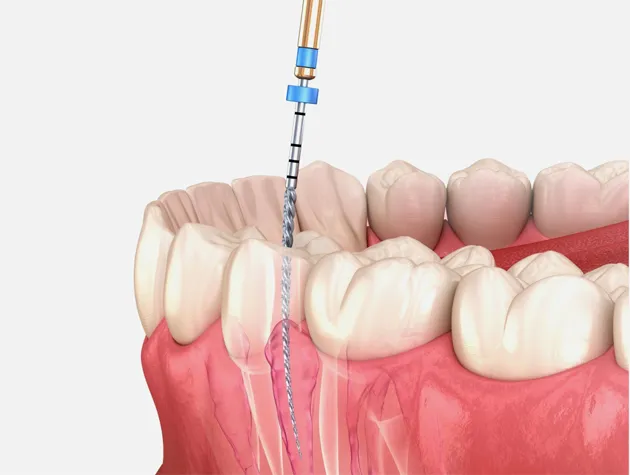
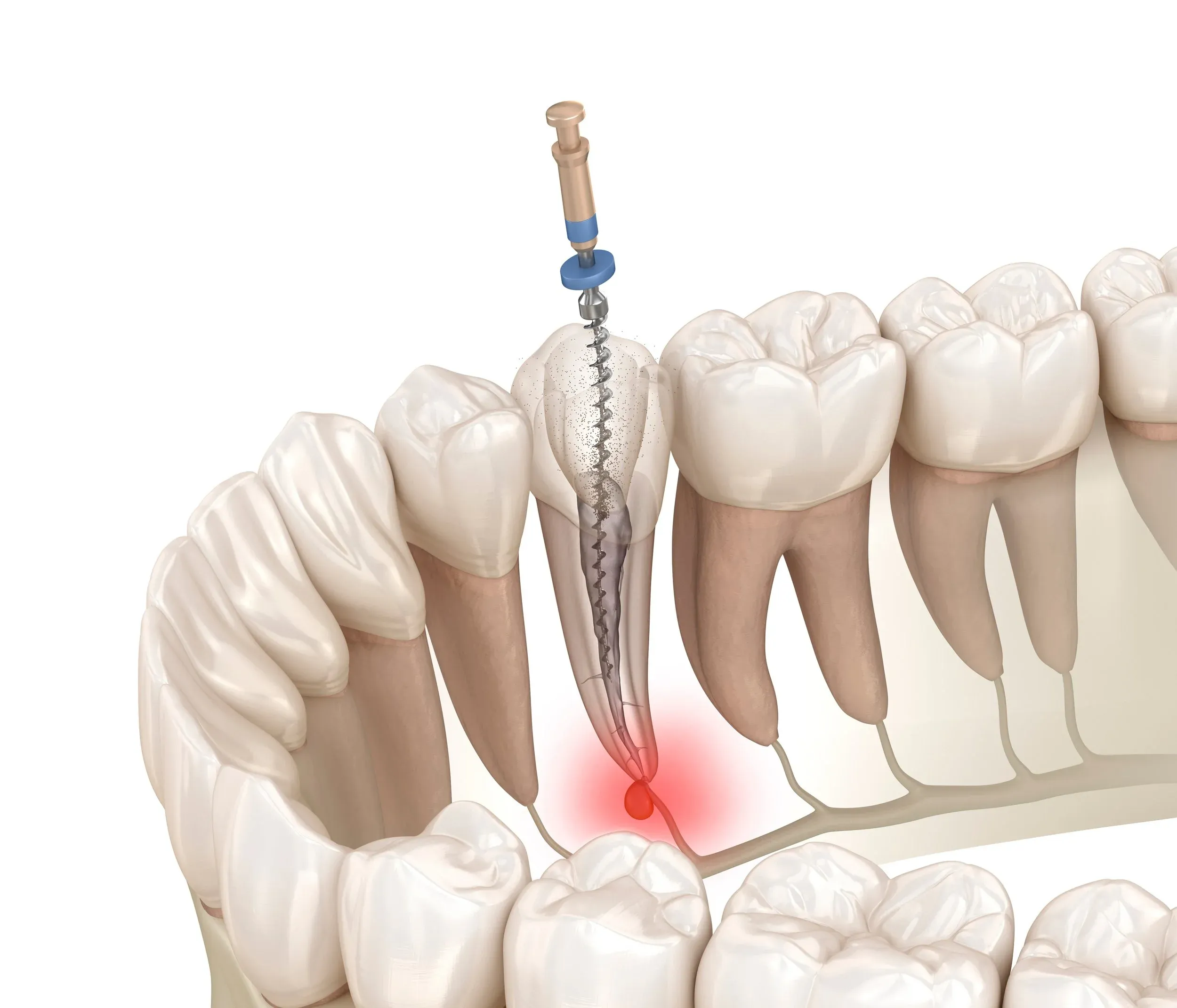
A root canal treatment is a dental procedure used to treat infection inside a tooth. Beneath the hard enamel and dentin layers lies the pulp — a soft tissue containing nerves and blood vessels. If the pulp becomes infected, usually due to deep decay, cracks, or trauma, you may experience sharp tooth pain or sensitivity. Left untreated, the infection can spread to surrounding tissues, leading to swelling, abscesses, and even tooth loss.
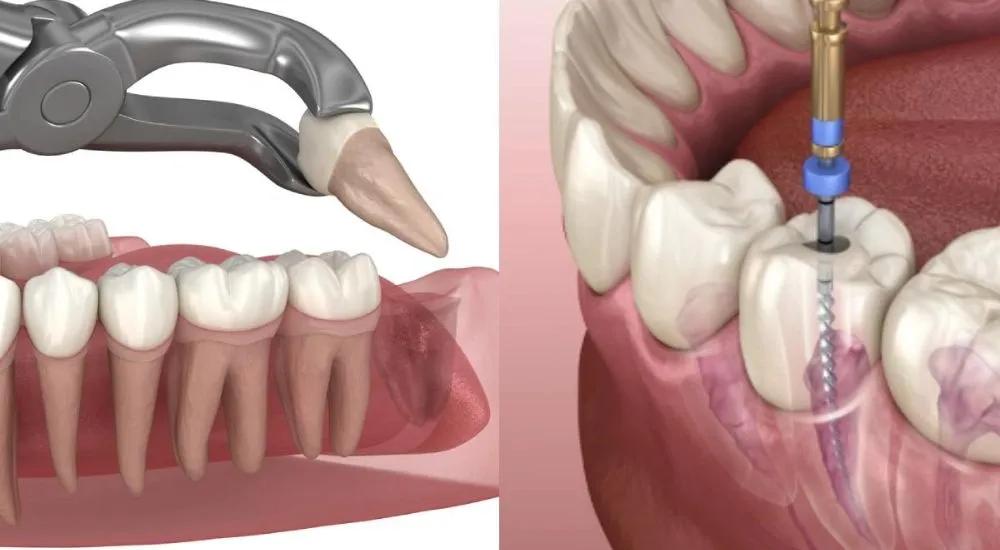
Instead of removing the tooth, a root canal saves it by cleaning out the infected pulp, disinfecting the internal canals, and sealing them to prevent further infection. This restores function and allows the tooth to remain in place for chewing and maintaining proper bite alignment.
---
### Why Choose Root Canal Treatment in Thailand?
Thailand’s dental industry is known for combining affordability, professional service, and modern technology. Whether you’re visiting a clinic in Bangkok, Chiang Mai, Phuket, or Pattaya, you’ll find the following benefits:
- **Lower Costs:** Prices for root canal treatment here are often much lower compared to Western countries, even when including travel expenses.
- **Experienced Dentists:** Many Thai dentists have international training and stay updated with global standards.
- **Advanced Technology:** Clinics use digital X-rays, rotary instruments, and modern anesthetics to make treatments faster and more comfortable.
- **Convenience:** Appointments can often be booked quickly, and some clinics even cater to tourists for short-term visits.
---
### Signs You Might Need a Root Canal
It’s not always obvious that you need this treatment, but some common symptoms include:
- Persistent toothache, especially when chewing or applying pressure
- Sensitivity to hot or cold that lingers after exposure
- Swelling or tenderness in the gums
- Darkened or discolored tooth
- Presence of a small pimple-like bump on the gums
If you notice any of these signs, don’t wait — schedule a dental check-up to get a proper diagnosis.
---
### How the Procedure Is Done in Thailand
Many people think root canals are painful, but with modern techniques and local anesthesia, most patients report very little discomfort during the procedure itself. In Thailand, the process usually goes like t
his:
1. **Exam and X-ray** – The dentist will assess the tooth and take an X-ray to understand the extent of the infection.
2. **Numbing the Area** – Local anesthesia ensures you won’t feel pain during the treatment.
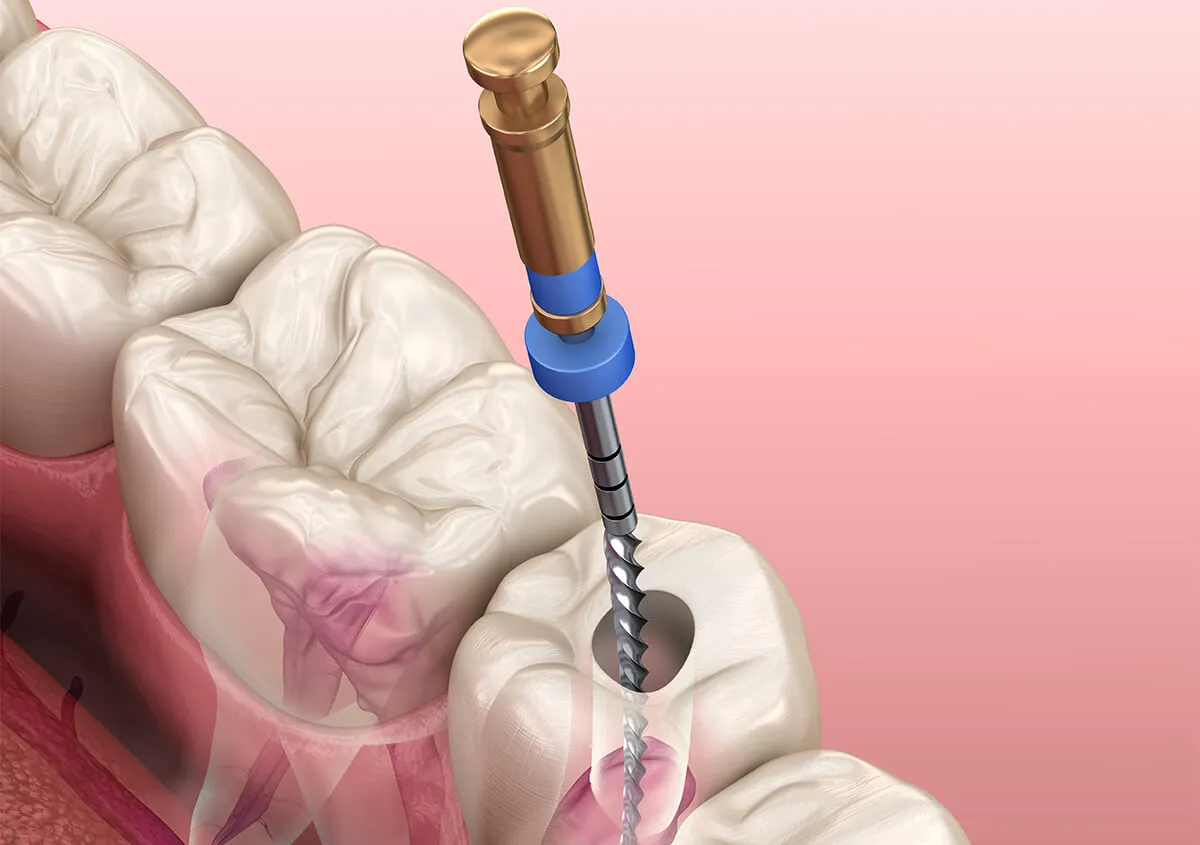
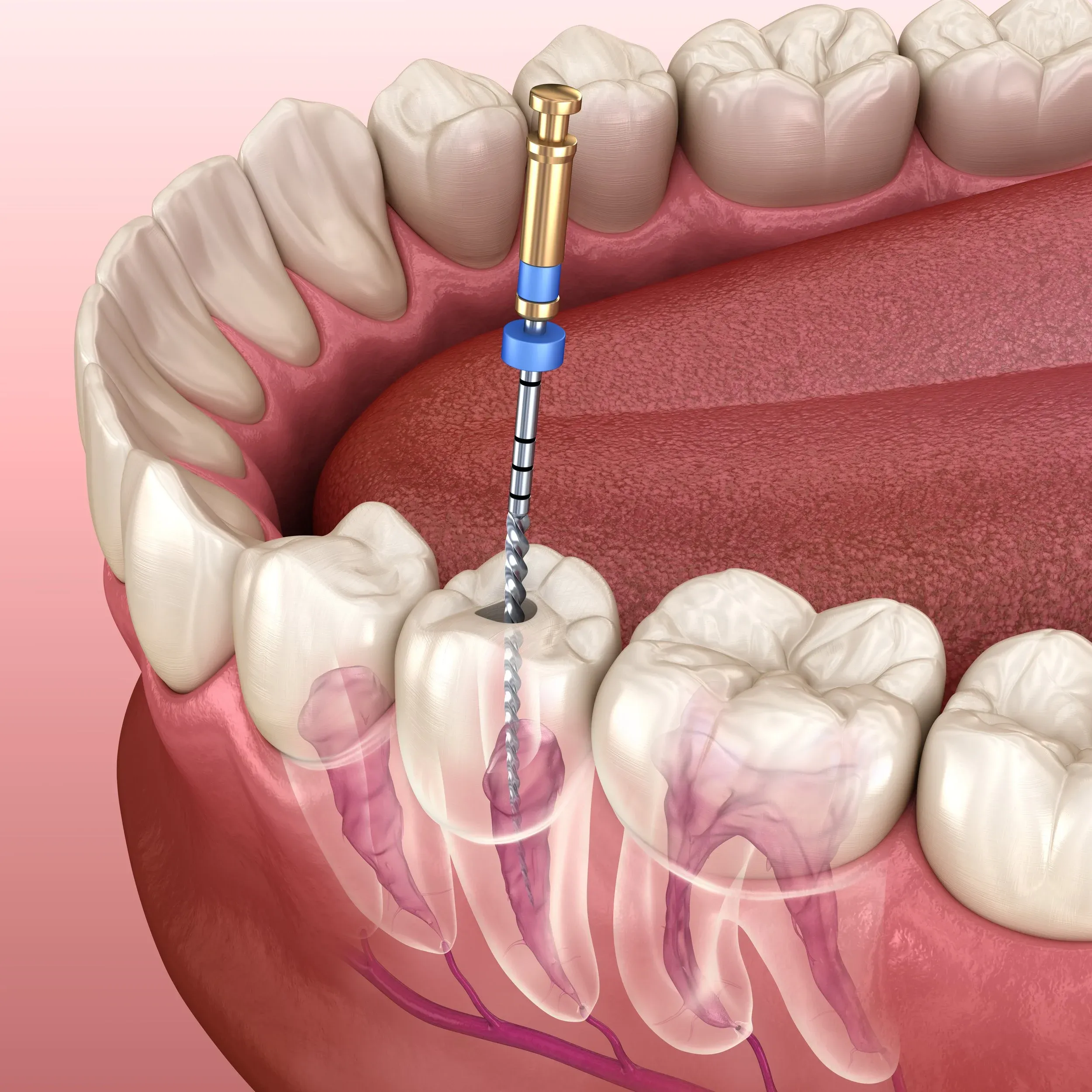
3. **Accessing the Pulp** – A small opening is made in the tooth to reach the infected pulp.
4. **Cleaning and Shaping** – Special tools are used to remove the pulp and clean the canals thoroughly.
5. **Filling the Canals** – The cleaned canals are filled with a biocompatible material (like gutta-percha) to seal them.
6. **Restoration** – Depending on the tooth’s condition, the dentist may place a crown to protect it and restore normal function.
Most root canals in Thailand require one to two visits, depending on the complexity. Front teeth usually have one canal, while molars may have three or more.
---
### Aftercare and Recovery
After a root canal, it’s normal to feel mild soreness for a few days, especially when chewing. Dentists often advise:
- Avoid biting hard foods on the treated tooth until full recovery
- Maintain good oral hygiene — gentle brushing and daily flossing
- Follow any antibiotics or pain relief medications prescribed
- Schedule follow-up visits if advised
With proper care, a tooth treated with a root canal can last for many years, often for a lifetime.
---
### Cost Expectations
In Thailand, the price of a root canal can vary widely based on the tooth type, clinic location, and whether a crown is needed afterwards. On average:
- **Front tooth:** 5,000 – 8,000 THB
- **Premolar:** 7,000 – 10,000 THB
- **Molar:** 9,000 – 15,000 THB
- **Dental crown (if needed):** 8,000 – 18,000 THB
International visitors often find these costs significantly lower than what they would pay at home, while still enjoying professional, modern service.
---
### Tips for Choosing the Right Clinic in Thailand
- **Check credentials:** Look for dentists registered with the Dental Council of Thailand.
- **Read reviews:** Patient feedback can be a good indicator of quality.
- **Ask about technology:** Clinics using modern equipment often provide faster, smoother treatments.
- **Confirm English communication:** Many dentists and staff speak English, especially in well-known tourist cities.
---
### Final Thoughts
Root canal treatment in Thailand offers a reliable way to save a damaged tooth without breaking the bank. With skilled dentists, advanced technology, and patient-focused service, you can expect quality care whether you’re a local or visiting from overseas.
If you suspect you might need a root canal, don’t delay — early treatment not only prevents complications but can also spare you unnecessary pain and cost in the future. In Thailand, you’ll find the combination of gentle care, reasonable pricing, and modern dentistry that turns a dreaded procedure into a manageable, even positive, experience.
---
 collect
Hospitals included




Products included



Suggested reads