Thailand Root Canal for Gum Infection
**Thailand Root Canal for Gum Infection**
If you are living in Thailand or planning to visit for dental treatment, you might have heard locals and expats talk about having a root canal done for gum infection. While root canals are usually associated with tooth decay, in some cases, they can also be an important treatment option when gum problems start affecting the inner health of the tooth. Understanding why and how this is done can help you feel more at ease before visiting the dentist.
---
### What Is a Root Canal and How It Relates to Gum Infection
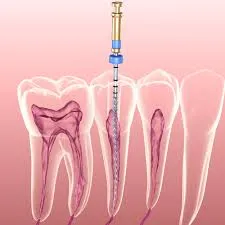
A root canal is a dental treatment that cleans and seals the inside of the tooth, particularly the pulp and root canals. In Thailand, dentists often explain it in simple terms: it’s like cleaning out the “inside nerve house” of the tooth and closing it up to protect it from further harm.
Gum infection, or periodontitis, happens when bacteria in plaque build up along and under the gumline. If left untreated, the infection can travel deeper, affecting the root of the tooth and even the bone beneath. When this happens, the nerve inside the tooth pulp can become infected too. At this stage, scaling or gum treatment alone is not enough – the infection inside the tooth may require a root canal to save it.
---
### Why Consider Getting a Root Canal in Thailand
Thailand has gained a solid reputation for dental services that are high quality yet much more affordable compared to many Western countries. Cities like Bangkok, Chiang Mai, and Phuket have modern dental clinics equipped with advanced technology such as digital X-rays, rotary endodontic tools, and microscope-assisted procedures.
Some advantages you might notice when getting a root canal in Thailand include:
- **Affordable Pricing:** Even in big cities, root canal treatment can cost significantly less than in the US, Australia, or Europe.
- **Internationally Trained Dentists:** Many Thai dentists have studied abroad and speak excellent English, making communication clear for foreign patients.
- **Efficient Service:** Dental tourism is common here, so clinics are used to completing treatment in fewer visits wherever possible.
- **Friendly Patient Care:** The local culture values hospitality, and you often feel genuinely cared for during your visits.
---
### Treatment Process for Gum Infection Leading to Root Canal
If your gum infection is severe and has spread to the tooth pulp, the Thai dentist will likely follow these steps:
1. **Diagnosis and Examination** – The dentist will check your gum condition with probing measurements and X-rays to see if the infection has reached the root.
2. **Initial Infection Control** – Antibiotics, deep cleaning, or root planing may be done first to reduce surface inflammation.
3. **Root Canal Procedure** – Local anaesthetic is used to make sure you are comfortable. The dentist will open the tooth, remove the infected pulp, clean the canal, and apply antibacterial medication inside.
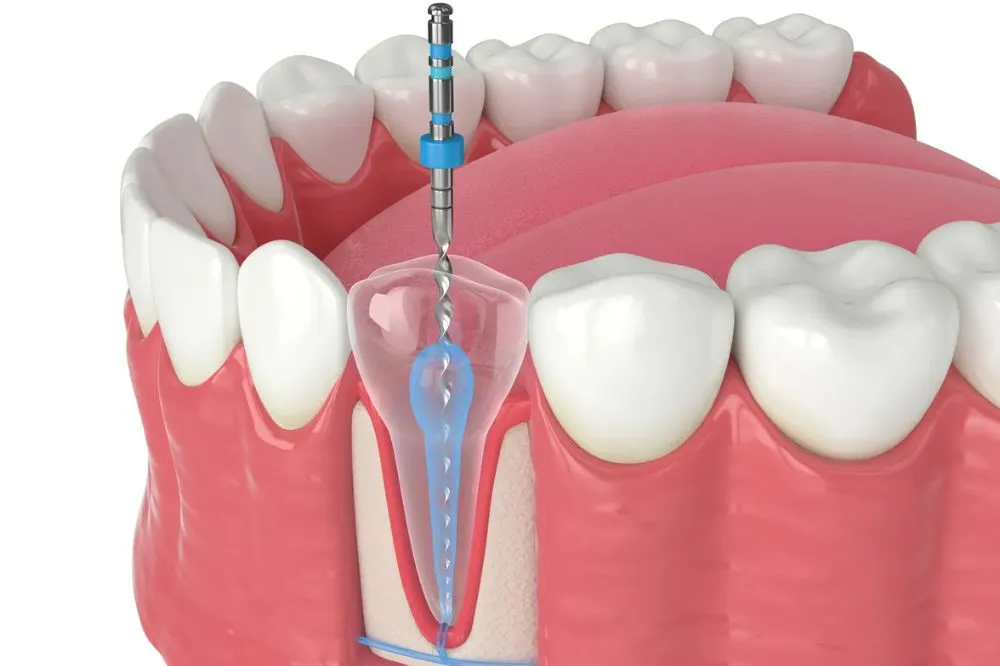
4. **Temporary Filling** – A temporary filling or crown will be placed while the tooth heals. In some cases, the dentist may space the root canal treatment into two or three visits to ensure the infection has fully cleared.
5. **Permanent Restoration** – After the tooth is infection-free, a crown or permanent filling is added for strength and protection.
---
### Common Questions Patients Ask in Thailand
**“Will it hurt?”**
Dentists often reassure patients that with modern anaesthesia, pain is minimal. You may feel mild pressure but not sharp pain. After the procedure, some soreness is normal but usually manageable with over-the-counter medication.
**“How many visits will it take?”**
This depends on the severity of the infection. Some cases can be done in one visit, but if the gum infection was severe, two or more visits may be necessary.
**“Can I travel after treatment?”**
Yes, as long as you do not have lingering swelling or pain. Many dental tourists plan their visits to include sightseeing before or after treatment, but it’s smarter to allow some rest days after a root canal.
---
### Aftercare and Recovery in Thailand
Taking care of your tooth and gums after a root canal is straightforward. Thai dentists typically recommend:
- Avoid chewing hard foods on the treated tooth until it’s permanently restored.
- Maintain regular brushing and flossing to prevent further gum issues.
- Use an antiseptic mouthwash or warm saltwater rinse to aid healing.
- Attend follow-up appointments as scheduled, especially if you are still in Thailand.
If you are visiting from overseas, your dentist can provide a detailed treatment summary that you can share with your local dentist back home.
---
### Preventing Future Gum Infections
To avoid another situation that could lead to a root canal, focus on keeping your gums healthy:
- Brush twice a day with fluoride toothpaste.
- Floss at least once daily to remove plaque between teeth.
- Get regular dental check-ups – in Thailand, these are usually very affordable.
- Limit sugary snacks and drinks, which encourage bacterial growth.
- Avoid smoking, as it increases the risk of gum disease.
---
### Final Thoughts
A gum infection that reaches the inside of your tooth can be painful and risky, but with proper treatment like a root canal, you can save the tooth and restore your oral health. In Thailand, this procedure is not only professional and safe but also more accessible in terms of price and scheduling. Whether you are a resident or a visitor, knowing that skilled and friendly dentists are available to treat complex gum and tooth problems can give you peace of mind.
If you address gum issues early and follow good aftercare, you’ll greatly reduce the chances of needing another root canal in the future. Thailand’s combination of modern dental technology, experienced dentists, and caring cultural approach makes it a great place to restore your smile and oral health.
 collect
Hospitals included




Products included



Suggested reads