Thailand Tooth Nerve Treatment Safety
**Thailand Tooth Nerve Treatment Safety**
When you think about dental care in Thailand, one of the treatments that often comes up is tooth nerve treatment, more commonly known as root canal therapy. Whether you’re a local resident in Bangkok or an expat living in Chiang Mai, you’ll find that dental clinics in Thailand place a strong focus on safety, comfort, and modern techniques. In this article, we’ll explore the safety aspects of tooth nerve treatment in Thailand, what makes local dental services stand out, and how you can ensure a smooth and worry-free experience.
---
### Understanding Tooth Nerve Treatment
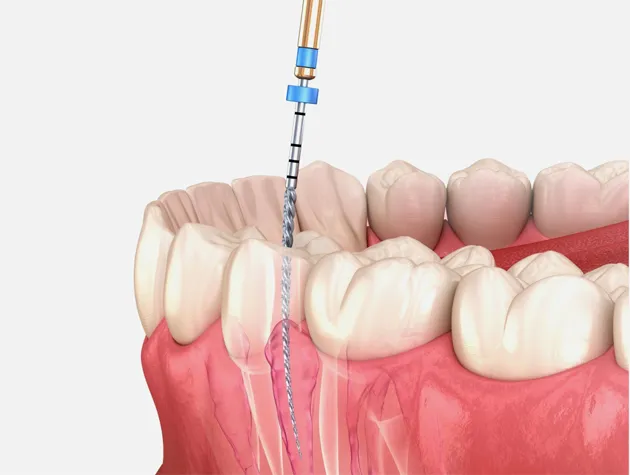
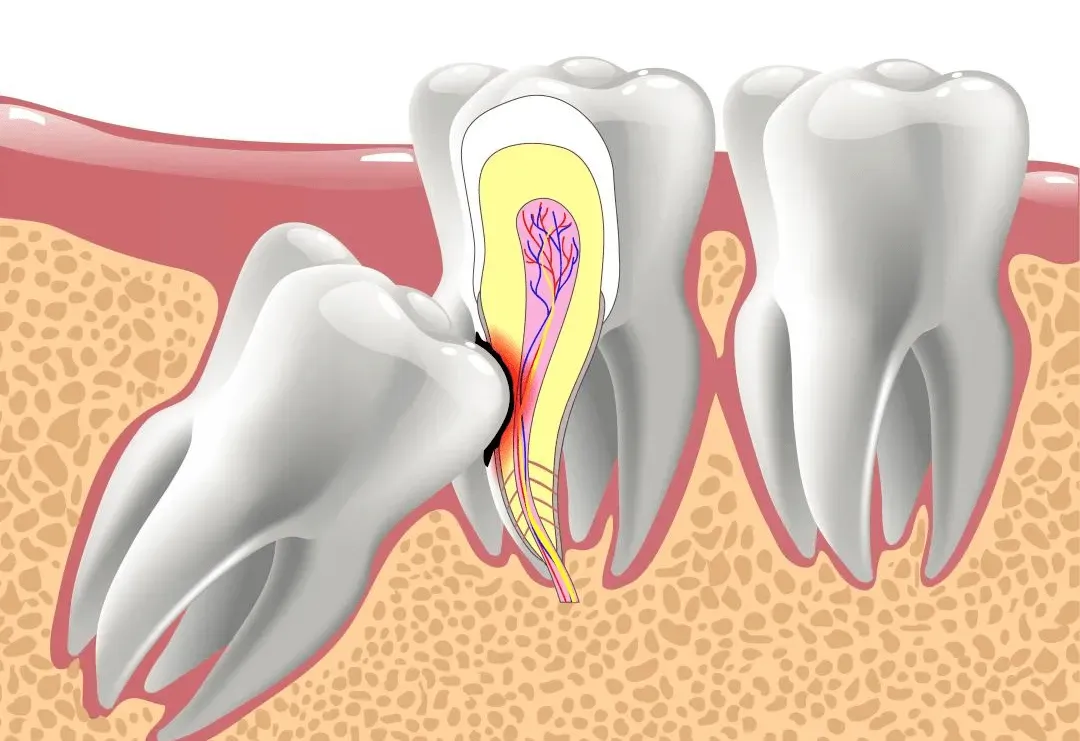
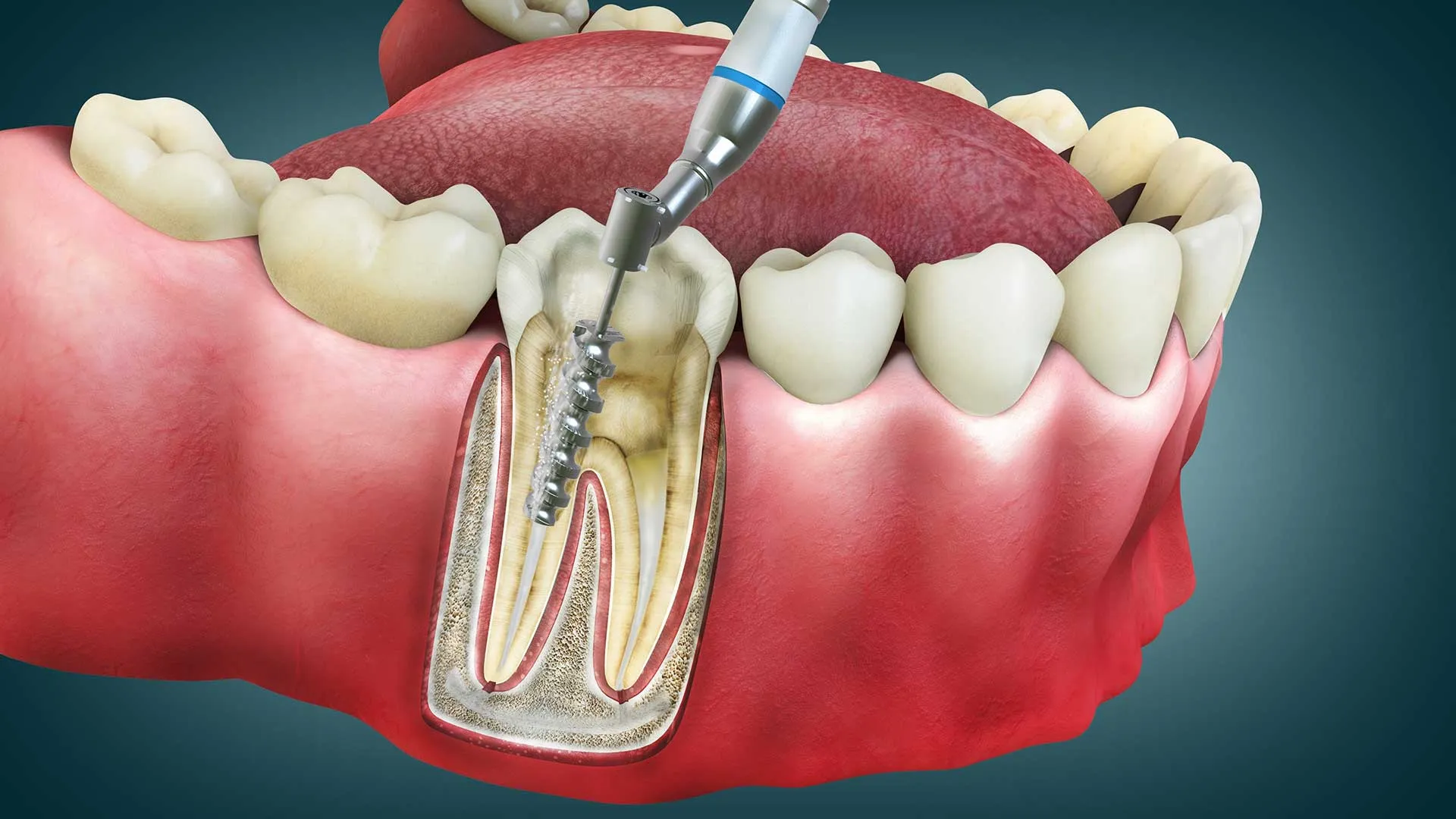
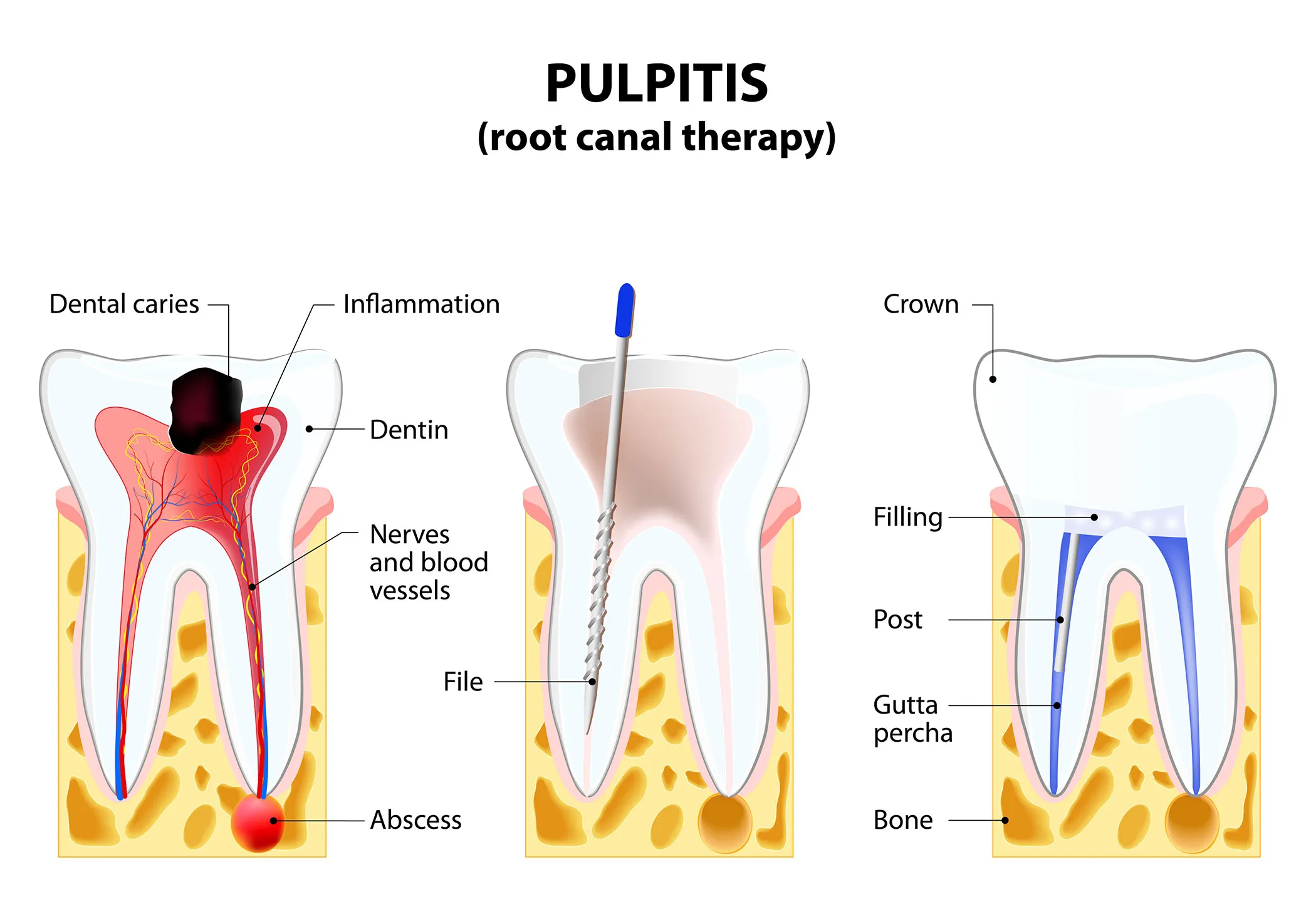
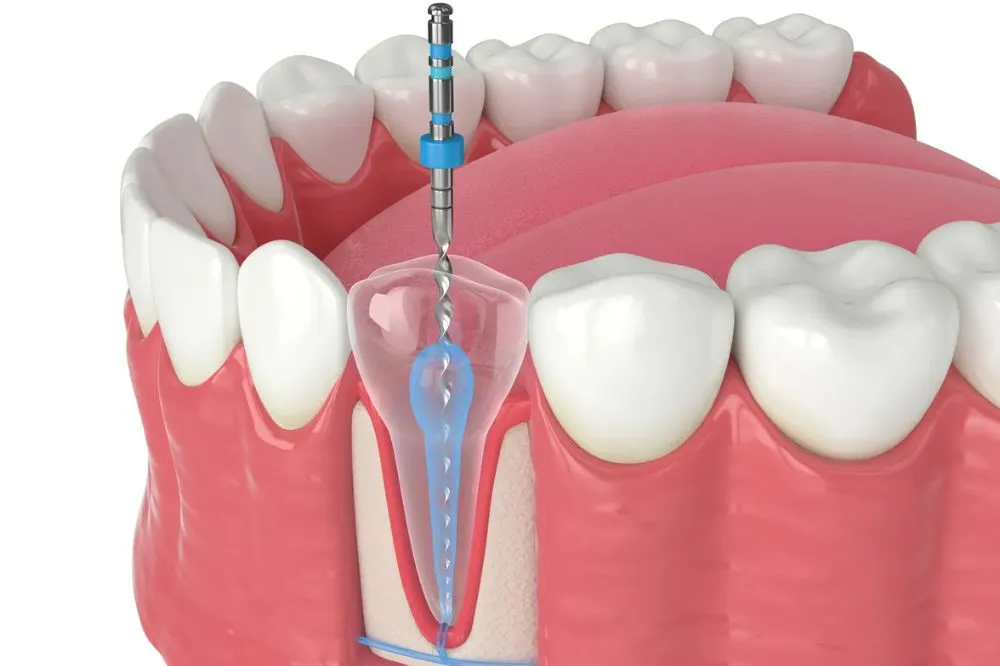
Tooth nerve treatment is a procedure designed to save a tooth that has been badly damaged by decay, infection, or injury. Dentists remove the infected pulp, clean the inside of the tooth, and then seal it to prevent further problems. In Thailand, many dental clinics offer this treatment using advanced equipment such as digital X-rays, rotary tools, and microscopic guidance.
For patients, knowing that the clinic follows proper safety procedures is just as important as the skill of the dentist. Infection control, proper diagnosis, and pain management all play key roles in ensuring safe treatment.
---
### High Safety Standards in Thailand’s Dental Clinics
One thing that patients often notice is that safety standards in reputable Thai dental clinics are on par with international guidelines. The Ministry of Public Health enforces strict regulations, and many private dental clinics voluntarily meet or exceed these requirements.
Some ways dental clinics in Thailand maintain safety include:
- **Sterilization Protocols:** Equipment like drills, files, and suction tips are sterilized using autoclaves after every procedure. Disposable gloves, masks, and protective eyewear are standard for all treatments.
- **Accurate Diagnostics:** Before a tooth nerve treatment is started, panoramic or periapical X-rays are taken to fully understand the condition of the tooth and surrounding bone. This minimizes unnecessary procedures and ensures precision.
- **Pain Management:** Thai dentists are known for their gentle approach. Local anesthesia is carefully administered, and patients are regularly asked about their comfort level during the treatment.
---
### Modern Technology for Safer Results
Thailand’s urban dental clinics are equipped with modern technology that makes tooth nerve treatment safer and more comfortable. Digital imaging reduces radiation exposure compared to traditional X-rays, and rotary endodontic systems allow dentists to treat the tooth more quickly and efficiently.
In Bangkok, Phuket, and Pattaya, many dental centers also offer microscope-assisted root canal treatment. This ensures the dentist can see even the tiniest canals and clean them thoroughly, reducing the risk of reinfection later.
---
### Skilled Dentists with International Tra
ining
Many Thai dentists who perform tooth nerve treatments have received training overseas, in countries like the USA, Australia, or Japan. This international experience helps them stay updated with global best practices, but they also adapt these methods to suit patient expectations in Thailand.
Language is another factor that ensures safety and comfort. In major cities and tourist areas, dentists often speak fluent English, which helps foreign patients understand the procedure, potential risks, and aftercare instructions.
---
### Cost and Value – The Thai Advantage
One reason Thailand is popular for dental work is the balance between affordability and quality. Tooth nerve treatment here can be significantly less expensive than in Western countries, without compromising on safety or results. While lower cost doesn’t always mean lower quality, it’s crucial to choose a clinic with proven credentials, clear communication, and transparent pricing.
---
### How to Choose a Safe Dental Clinic in Thailand
Selecting the right clinic is a big part of ensuring safe tooth nerve treatment. Here are some practical tips:
1. **Check Credentials:** Make sure the dental clinic is licensed, and that the dentist is registered with the Thai Dental Council.
2. **Look for Reviews:** Online reviews from local and international patients can give you valuable insight into a clinic’s safety standards and patient care.
3. **Ask About Equipment:** Don’t hesitate to inquire about the sterilization process, imaging technology, and safety protocols.
4. **Confirm Communication:** Ensure you can communicate freely with the dentist about your symptoms, treatment plan, and aftercare.
5. **Emergency Readiness:** A good clinic should have a clear policy for handling emergencies, even after normal operating hours.
---
### Recovery and Aftercare
Safety doesn’t end once the tooth nerve treatment is completed. Many Thai dentists provide thorough guidance on aftercare, including:
- Avoiding chewing on the treated tooth for a few days.
- Taking prescribed antibiotics or pain relief medication as directed.
- Returning for follow-up visits to check the restoration’s stability.
Following these steps not only ensures better healing but also prevents complications.
---
### The Bottom Line
Thailand has built a strong reputation for safe and reliable tooth nerve treatments. With strict safety standards, advanced technology, skilled dentists, and competitive pricing, patients can feel confident about receiving care here. Whether you’re seeking treatment at a city dental hospital or a private clinic in a tourist hub, you’ll find that safety is a top priority.
If you take the time to choose a trustworthy clinic and follow the recommended aftercare, tooth nerve treatment in Thailand can be a smooth, pain-free experience that preserves your natural smile for years to come.
---
 collect
Hospitals included




Products included

Suggested reads