Thailand Root Canal for Pulpitis Patients
**Thailand Root Canal for Pulpitis Patients**
If you have ever experienced a sharp, throbbing pain in your tooth that just won’t go away, there’s a chance it could be pulpitis. In Thailand, dental clinics see this condition quite often, especially because many people delay treatment until the pain becomes unbearable. Fortunately, modern root canal therapy offers a safe and effective solution for pulpitis patients, restoring dental health and protecting your natural teeth.
---
### Understanding Pulpitis
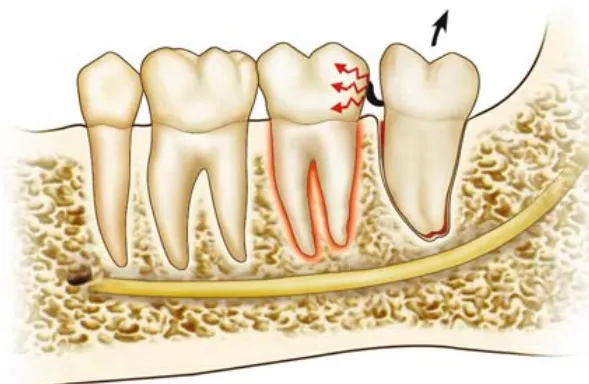
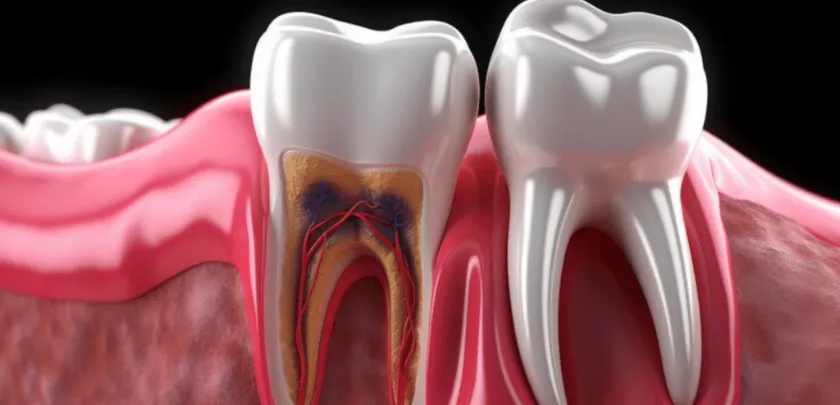
Pulpitis is an inflammation of the dental pulp – the innermost part of the tooth containing nerves and blood vessels. In many cases, it’s caused by untreated tooth decay, cracks in the enamel, or repeated dental procedures. This inflammation can be reversible if treated early, but when it progresses to irreversible pulpitis, the pain tends to be severe and constant.
Common symptoms include:
- Intense toothache, often worsening at night
- Sensitivity to hot or cold drinks
- Swelling around the affected tooth
- Pain when biting or chewing
In Thailand, many patients initially try home remedies or herbal treatments to relieve pain. While these might offer brief comfort, they don’t address the root cause. That’s where root canal therapy comes in.
---
### Why a Root Canal is Needed
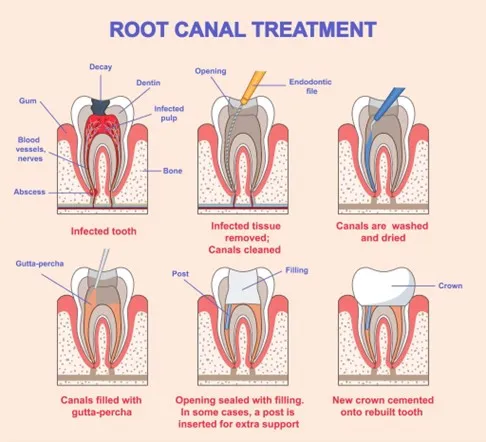
For irreversible pulpitis, extraction is not the only option. A root canal procedure can save your tooth by removing the infected pulp, cleaning the canal space, and sealing it to prevent further infection.
Thai dentists often recommend this procedure for several key reasons:
- **Preserve natural teeth** instead of removing them
- **Prevent the spread of infection** to neighbouring teeth
- **Maintain proper chewing function** and jaw alignment
- **Avoid costly future problems** caused by missing teeth
Unlike the painful reputation root canals used to have, modern techniques in Thailand make the process far more comfortable, often requiring only one or two visits to the dental clinic.
---
### The Root Canal Process in Thailand
If you are seeking treatment for pulpitis in Thailand, here’s what typically happens:
1. **Diagnosis**
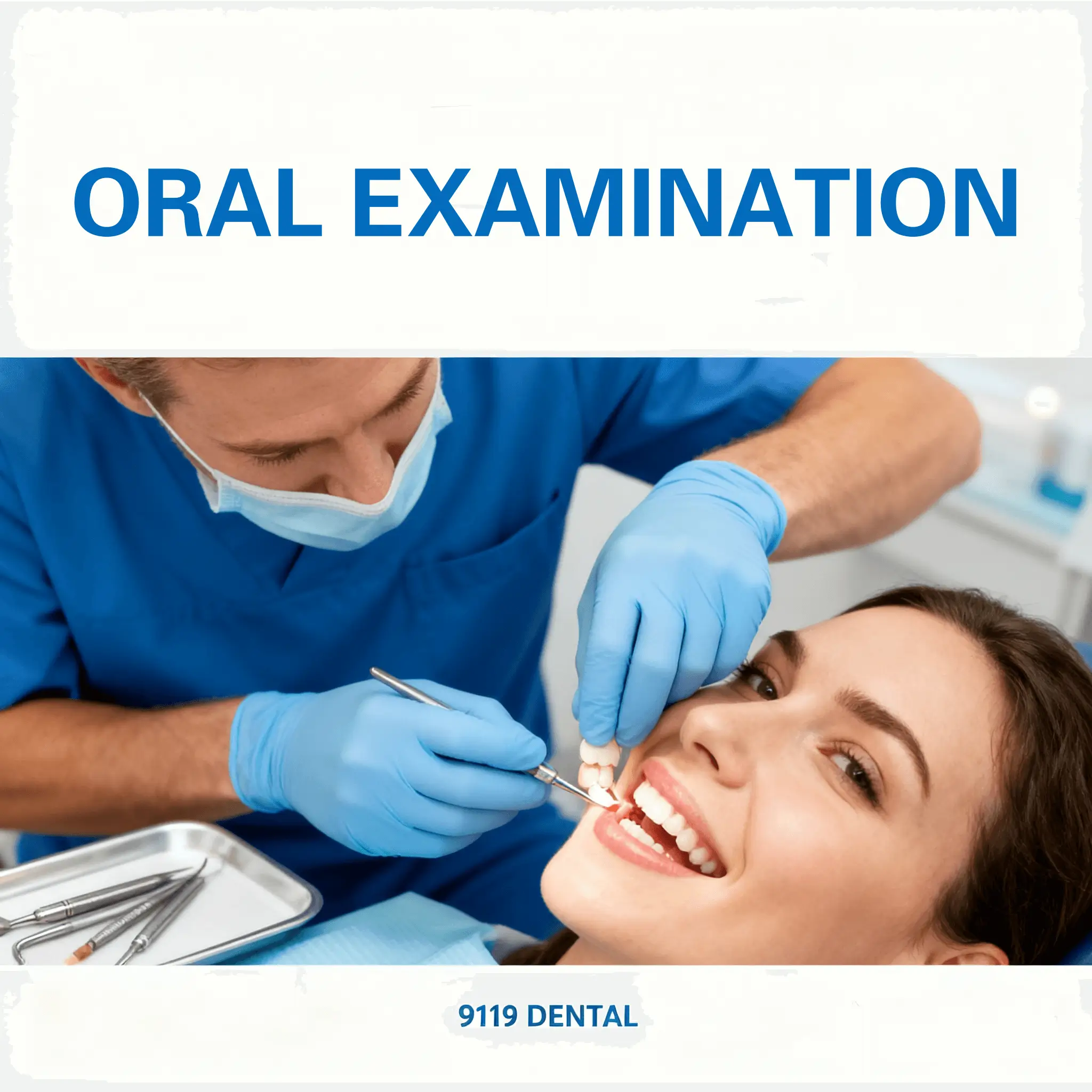
Your dentist will perform a clinical examination and may request X-rays to see the extent of the infection. This step ensures the problem is indeed pulpitis and not gum disease or another dental issue.
2. **Anesthesia**
Thai dentists are known for being gentle and considerate. They administer local anaesthesia to make sure you don’t feel pain during the procedure.
3. **Pulp Removal**
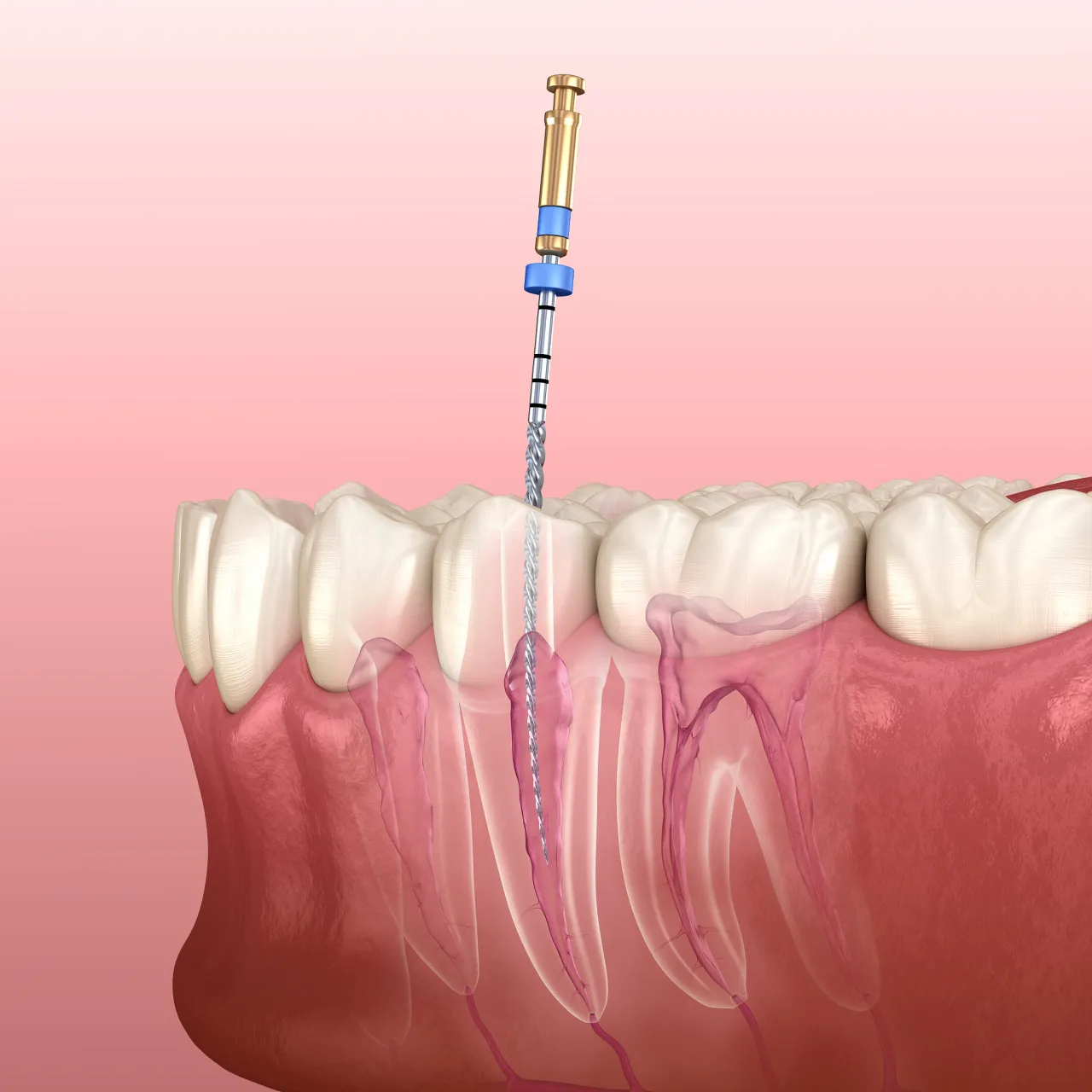
The infected pulp tissue is carefully removed from the canal. This step eliminates bacteria and relieves pressure inside the tooth.
4. **Cleaning and Shaping**
The dentist will thoroughly clean and shape the inside of the root canal using special files and irrigation solutions.
5. **Filling and Sealing**
Once the canal is disinfected, it’s filled with a biocompatible material to prevent reinfection, and then sealed.
6. **Restoration**
Often, the treated tooth will be covered with a crown to restore its strength and appearance, especially if the tooth structure is weakened.
---
### Costs and Accessibility
One of the reasons Thailand is such a popular destination for dental care is the balance of quality and affordability. Root canal costs vary depending on the tooth type (front or molar) and whether you need a crown, but they typically range from 4,000 to 8,000 THB for a single tooth in standard private clinics.
Many clinics in Bangkok, Chiang Mai, Phuket, and Pattaya cater to both Thai and international patients, with English-speaking staff and modern equipment. Dental tourism packages often include airport transfer and hotel booking services, making treatment convenient for foreigners.
---
### Recovery and Aftercare
After the root canal procedure, it’s normal to feel mild tenderness or sensitivity for a few days. Thai dentists usually recommend:
- Avoiding hard or sticky foods on the treated tooth until the final restoration is in place
- Keeping up with regular brushing and flossing
- Scheduling follow-up visits for examination
- Using anti-inflammatory medications if prescribed
With proper care, a root canal-treated tooth can last for many years – sometimes for a lifetime.
---
### Preventing Pulpitis in the Future
Root canal therapy is highly effective, but prevention is always better. In Thailand, dental professionals encourage patients to:
- Visit the dentist twice a year for check-ups
- Limit sugary drinks like iced coffee, Thai tea, and bubble milk tea
- Wear mouthguards during sports
- Address small cavities before they become serious
Good dental hygiene habits combined with regular professional care dramatically reduce the risk of pulpitis.
---
### Choosing the Right Dentist in Thailand
When selecting a Thai dental clinic for root canal treatment, consider:
- Clinic’s reputation and patient reviews
- Dentist’s qualifications and experience
- Availability of modern equipment such as digital X-rays or microscopes
- Clear communication, especially if you are a foreign patient
Many Thai dental clinics post their qualifications and treatment photos on their websites and social media pages, making it easier to research before booking an appointment.
---
### Final Thoughts
For pulpitis patients in Thailand, root canal therapy is more than just a dental procedure – it’s a chance to save your natural smile and get relief from debilitating pain. Whether you are a local resident or a visitor seeking high-quality care, Thai dental clinics offer professional treatment with a warm, welcoming approach.
By addressing pulpitis early and choosing a skilled dentist, you can preserve your teeth, enjoy better oral health, and continue to smile with confidence for years to come.
If you’re feeling that constant toothache right now, don’t wait until it worsens – in Thailand, relief and lasting care are just one dental visit away.
 collect
Hospitals included




Products included



Suggested reads