Thailand Treatment for Nerve Exposure Pain
**Thailand Treatment for Nerve Exposure Pain**
When you feel a sharp, sudden pain in your teeth while drinking iced water or hot coffee, there’s a chance it could be nerve exposure. In Thailand, dental problems like this are not uncommon, especially in areas where sweet drinks and spicy food are a daily part of life. Nerve exposure pain often happens when the protective layers of your teeth are damaged, allowing stimuli to reach the inner nerve. Understanding what causes it and how Thailand’s dental care system addresses it can help you find relief quickly and avoid further complications.
### Understanding Nerve Exposure Pain
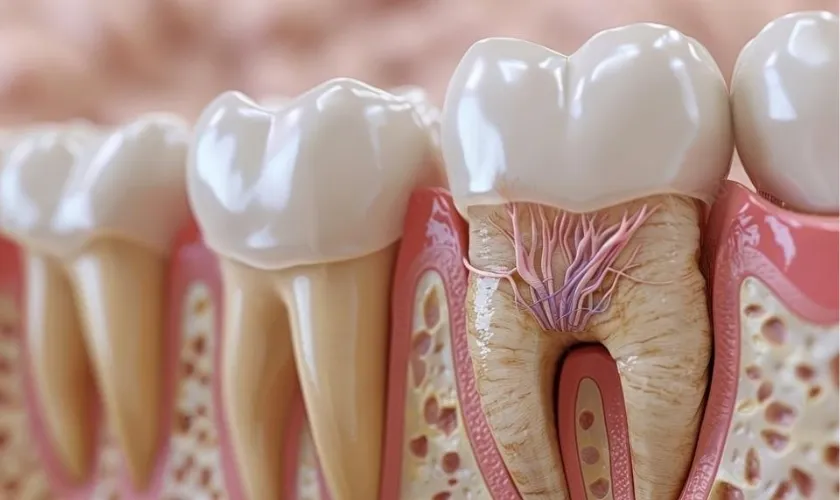
Nerve exposure pain usually occurs when the pulp inside your tooth becomes uncovered due to conditions like severe decay, cracked teeth, or advanced gum recession. In Thailand, people sometimes refer to this as “tooth pain that goes straight into the head” because of its intense, radiating sensation. The pain may come and go, but when it’s triggered by cold, hot, or sweet foods, that’s a clear sign something deeper is going on.
Ignoring nerve pain is never a good idea. In tropical climates like Thailand’s, bacteria grow quickly, increasing the risk of infection once the nerve is exposed. Without prompt treatment, you can end up with swelling, abscesses, and even systemic health problems.
### Common Causes in Thai Daily Life
Several lifestyle factors in Thailand contribute to dental nerve exposure cases:
1. **High Sugar Diet** – Thai iced tea, bubble milk tea, and desserts like mango sticky rice are delicious but can lead to tooth decay over time.
2. **Street Food Habits** – Crunchy snacks and sticky candies are popular, yet they can cause chips and cracks in teeth.
3. **Limited Routine Checkups** – While urban areas like Bangkok and Chiang Mai have many dental clinics, some rural communities have fewer options, meaning dental issues often go untreated until pain becomes severe.
4. **Chewing on Hard Objects** – Betel nut chewing, common among older generations, can wear down enamel and expose nerves.
### How Thailand Tackles the Problem
Thailand’s dental care system offers several effective treatments for nerve exposure pain. Most dentists focus on addressing both immediate relief and long-term prevention.
1. **Root Canal Treatment (RCT)**
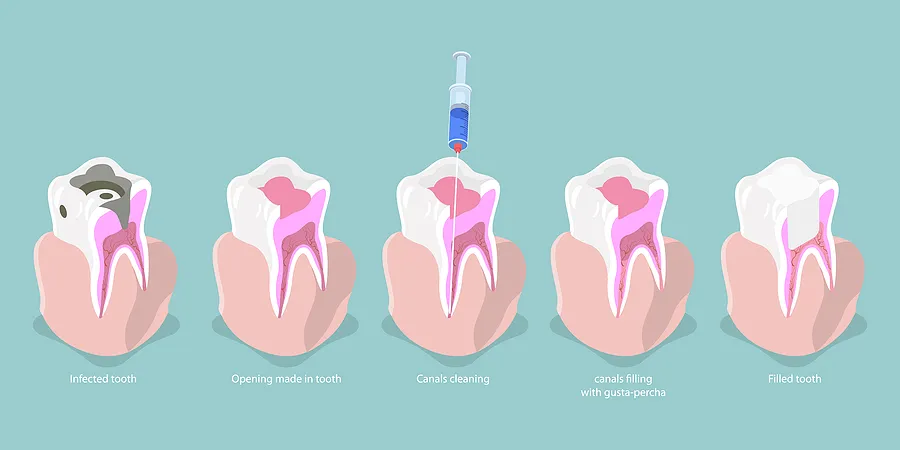
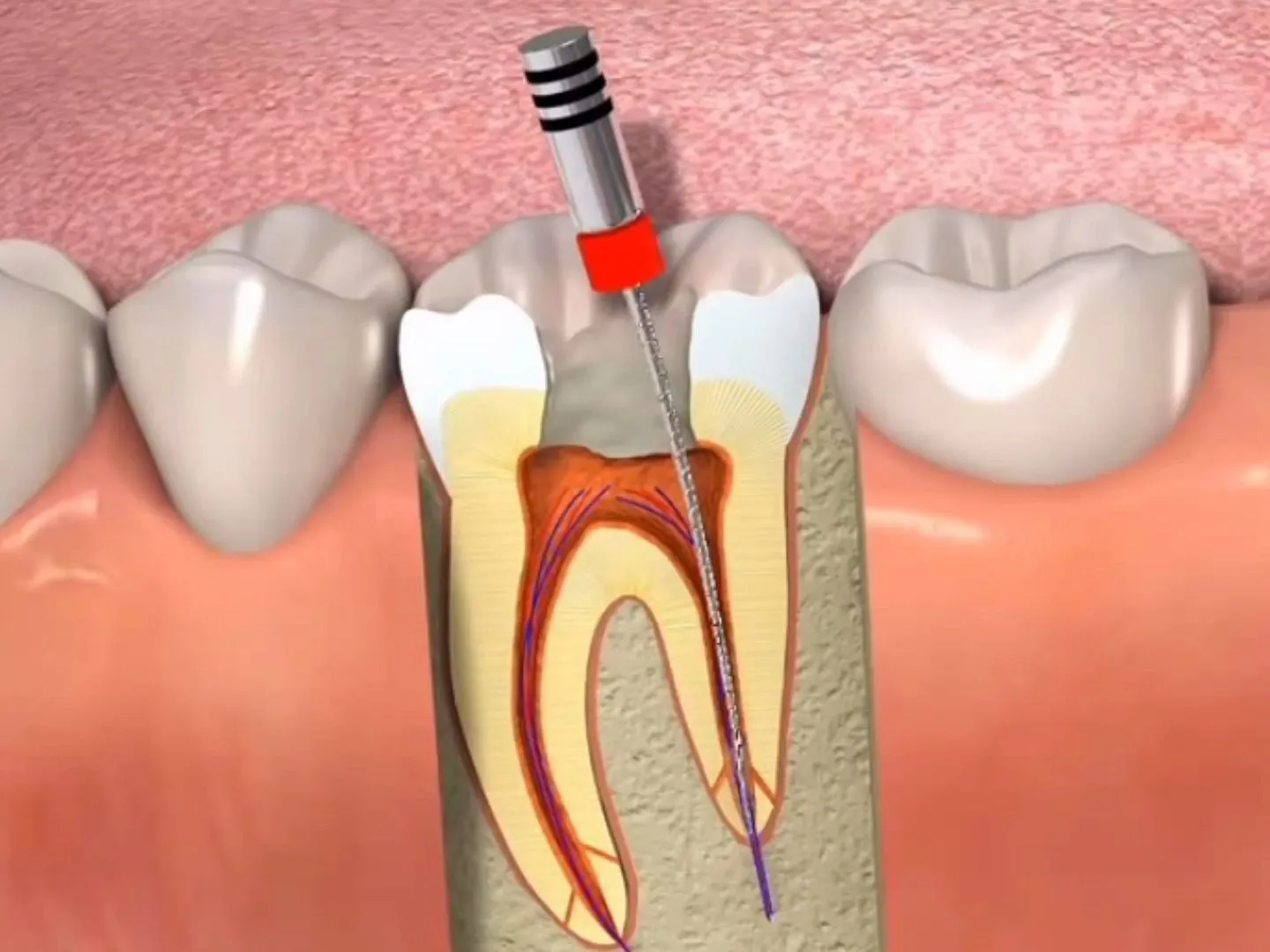
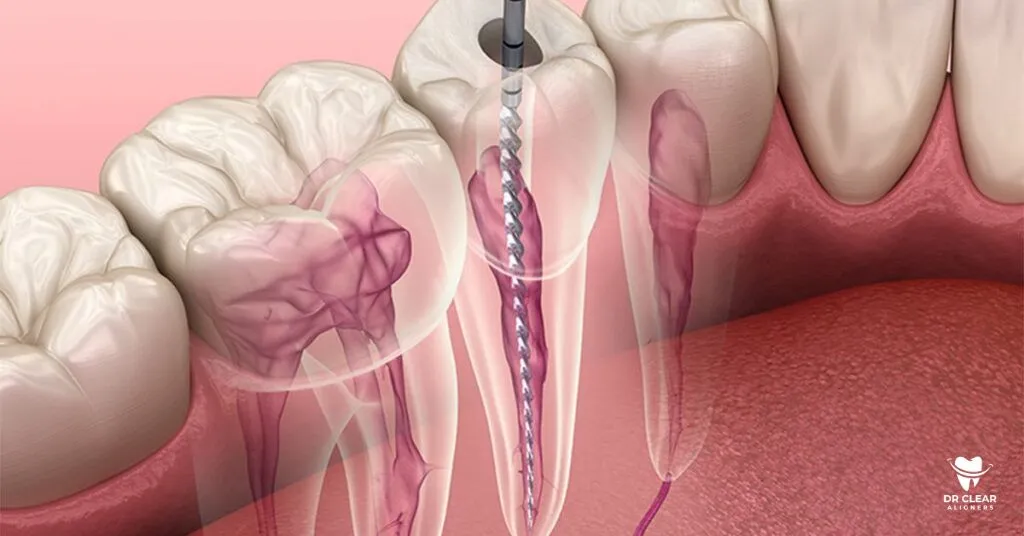
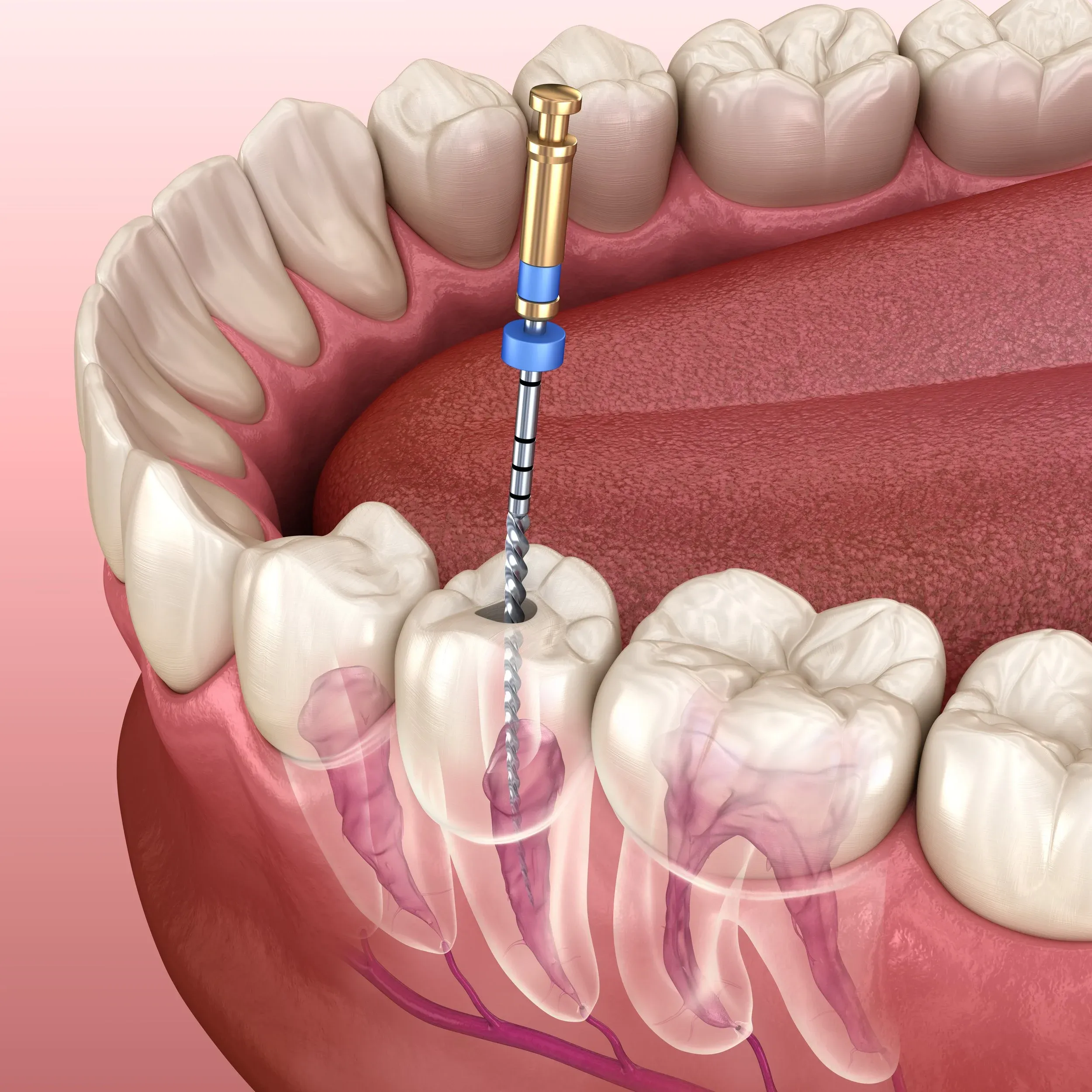
This is often the go-to solution if the nerve is exposed but the tooth can still be saved. Dentists remove the damaged pulp, clean the inner canals, and seal the tooth to prevent infection. In Thai clinics, RCT is done with modern equipment and anesthetics, ensuring comfort throughout the process.
2. **Dental Crown Placement**
If the tooth structure is weakened, a crown can protect it from further damage. Crowns are made from materials like porcelain or metal, and in Thailand, many clinics offer affordable options that look natural and fit well with the rest of your teeth.
3. **Extraction**
When tooth damage is beyond repair, removal might be necessary. This is common in
cases where patients delay treatment. Thai dentists always try to save the tooth first, but will recommend extraction if keeping it poses a health risk.
4. **Pain Management and Antibiotics**
Before major treatment, dentists may provide temporary relief with painkillers and antibiotics, especially if swelling is present. These are prescribed carefully to match the patient’s health condition.
### What to Expect When Visiting a Dentist in Thailand
The experience can vary depending on whether you’re in a modern Bangkok clinic or a provincial hospital. In major cities, English-speaking dentists are common, making communication easier for foreigners. In more rural settings, Thai is usually the main language, but clear explanations are still given, often in a friendly, reassuring manner.
Dental fees in Thailand are generally more affordable compared to Western countries. For example, a root canal might cost around 5,000–8,000 THB, while crowns range from 8,000–15,000 THB depending on materials. Many clinics accept walk-ins for emergencies, so if nerve pain becomes unbearable, you can seek treatment quickly without a long wait.
### Home Remedies for Immediate Comfort
While professional treatment is essential, you might want quick relief before you can get to a clinic. Some home methods used in Thailand include:
- **Gargling with salt water** – Helps reduce bacteria and soothe irritation.
- **Avoiding extreme temperatures** – Stick to room-temperature food and drinks until treatment is done.
- **Clove oil application** – A traditional remedy used for temporary pain relief.
These methods can help manage discomfort but they cannot replace proper dental care.
### Prevention Tips Favored by Thai Dentists
To reduce the risk of nerve exposure pain, dentists in Thailand recommend:
- Brushing twice a day with fluoride toothpaste.
- Using dental floss or interdental brushes regularly.
- Limiting sugary snacks and drinks.
- Wearing a mouthguard if you grind your teeth at night.
- Visiting the dentist at least once a year for checkups, even if you have no pain.
In Thai culture, keeping a bright smile is important for social and professional reasons, so preventative care is viewed as an investment in both health and confidence.
### Final Thoughts
Nerve exposure pain is more than just a discomfort—it’s a warning sign from your body. In Thailand, high-quality dental care is accessible, and treatments range from modern root canal procedures to preventive education. The key is to act fast, especially because the country’s warm climate can speed up dental infections.
By understanding the causes, recognizing the symptoms early, and making use of Thailand’s dental expertise, you can stop nerve pain from affecting your quality of life. Whether you are a local resident or a foreign visitor enjoying the Land of Smiles, knowing how to handle nerve exposure pain will help you keep your teeth healthy and enjoy Thailand’s food and lifestyle without fear.
 collect
Hospitals included



Products included
Suggested reads