Thailand Tooth Nerve Dead Thailand Treatment Guide
**Thailand Tooth Nerve Dead? Thailand Treatment Guide**
If you’ve been feeling a sharp or lingering toothache in Thailand, or maybe you’ve noticed that one tooth feels "different"—less sensitive, darker, or strangely numb—you might be dealing with a dead tooth nerve. Many people here in Thailand hear this term from their dentists and wonder, “What does it mean? Is it serious? How do I fix it?” This guide will give you a clear, easy-to-follow explanation of what a dead tooth nerve is, why it happens, and what treatment options are available in Thailand.
---
### **What Does “Tooth Nerve Dead” Mean?**
Inside every tooth, there’s soft tissue called the pulp. This pulp contains nerves, blood vessels, and connective tissue that keep the tooth alive. When the pulp is damaged—whether from injury, deep decay, or infection—it can lose its ability to function, leading to what dentists call “pulpal necrosis” or simply a dead nerve. In everyday terms, it means your tooth is no longer alive and won’t heal on its own.
---
### **Common Causes of Dead Tooth Nerves in Thailand**
Living in Thailand, we interact daily with local food culture and habits that can affect our oral health. Some common reasons why tooth nerves die include:
1. **Deep Tooth Decay** – Street food sweets, sticky Thai desserts, and frequent sugary drinks can increase the risk of cavities. If untreated, decay can go deep enough to affect the nerve.
2. **Trauma or Injury** – An accidental fall, sports injury, or even biting into something hard can damage a tooth’s nerve.
3. **Repeated Dental Procedures** – Multiple fillings or restorations on the same tooth can irritate the pulp over time.
4. **Untreated Cracks** – Tiny cracks in teeth, common from chewing ice (a habit many Thais enjoy), can allow bacteria to enter and damage the nerve.
---
### **Signs You Might Have a Dead Tooth Nerve**
A dead tooth nerve doesn’t always cause pain, so it’s important to look for other signs:
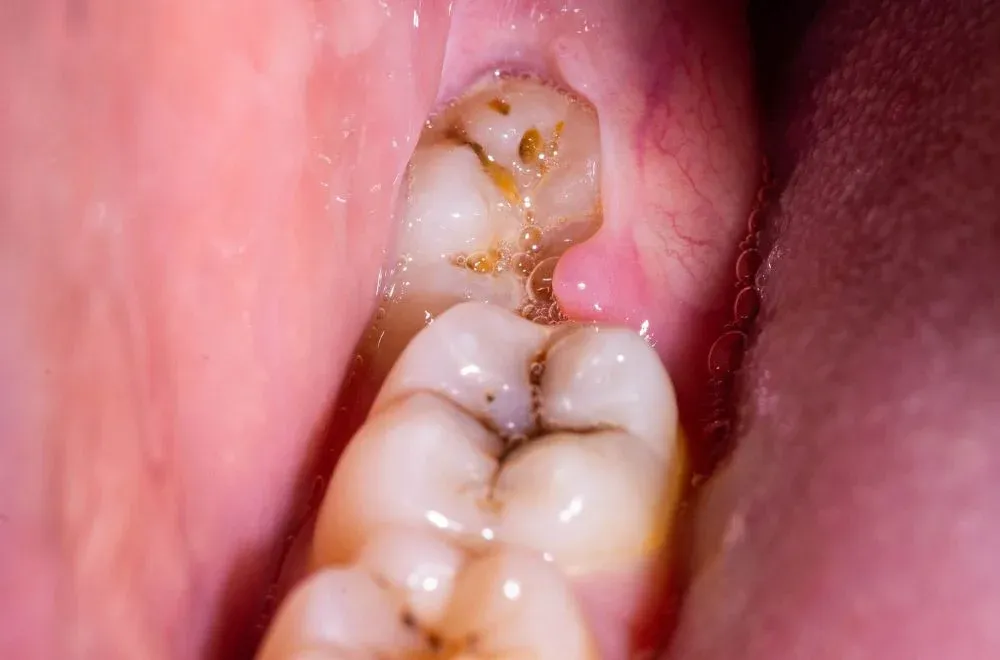
- Tooth discoloration (gray, yellow, or darker shade)
- Persistent bad breath or taste in the mouth
- Gum swelling near one tooth
- Absence of sensitivity to hot or cold in that tooth
- Occasional mild pain or discomfort when chewing
In Thailand’s warm climate, dental infections can progress quickly, so regular checkups are highly recommended.
---
### **Why You Should Treat a Dead Tooth Immediately**
Ignoring a dead tooth nerve can lead to infection spreading to surrounding gums, bone, and even facial tissue. This can cause abscesses—painful swellings that sometimes require emergency treatment. In severe cases, untreated infections can affect overall health. A dead nerve needs professional dental care as soon as possible, not just for comfort, but also for preventing bigger medical bills down the road.
---
### **Treatment Options in Thailand**
Thai dental clinics offer modern, internationally recognized treatment methods for dead tooth nerves. Here are the most common:
#### **1. Root Canal Treatment (RCT)**
This is the most common and effective way to save a tooth with a dead nerve. The dentist removes the damaged pulp, cleans the inside of the tooth, and seals it with a special filling. Many clinics in Bangkok, C
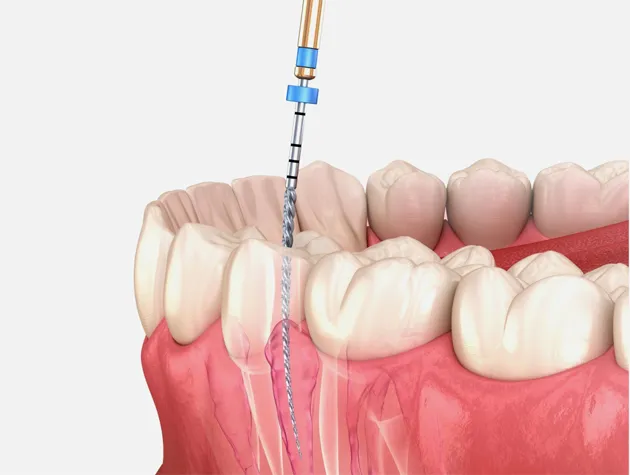
hiang Mai, Phuket, and Pattaya have English-speaking dentists who use the latest tools, making the procedure comfortable and safe.
#### **2. Dental Crown After RCT**
After a root canal, a crown is often recommended to strengthen the tooth. Thailand offers a range of crown materials—from metal-ceramic to all-ceramic—at competitive prices compared to Western countries.
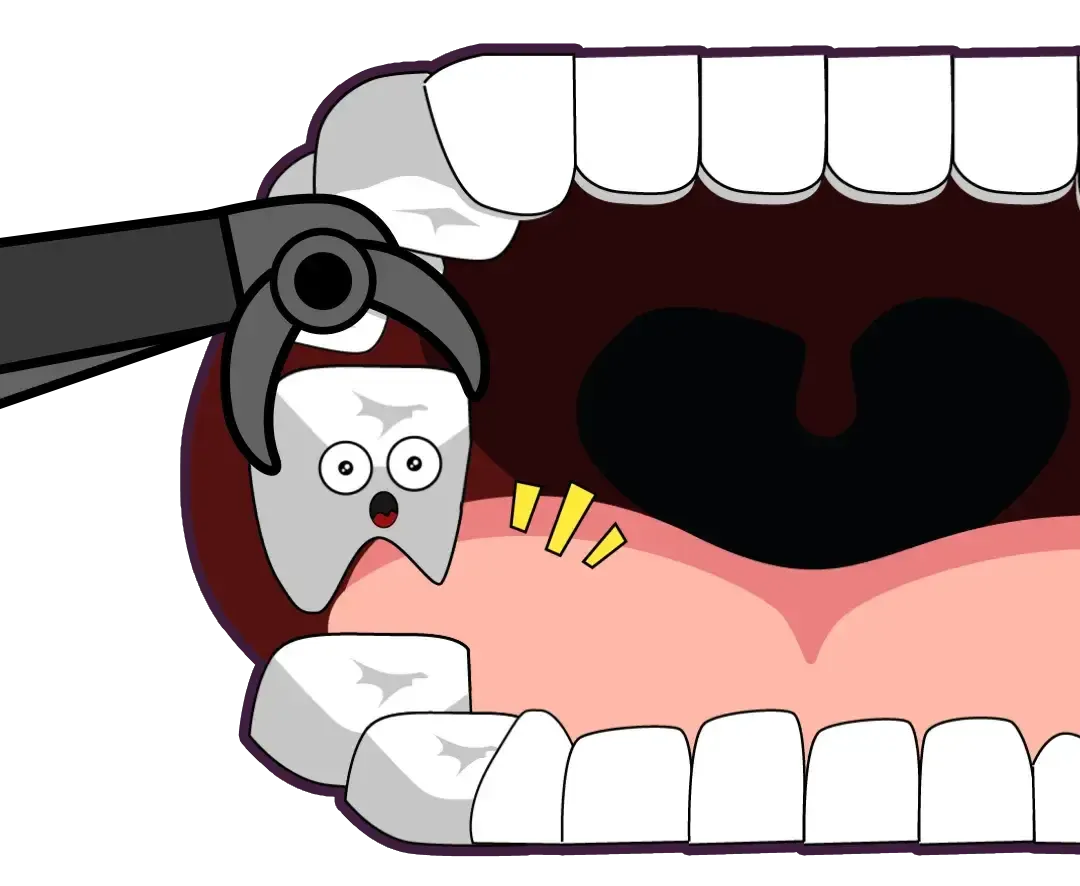
#### **3. Tooth Extraction**
If the tooth can’t be saved, the dentist may recommend removal. After extraction, replacements like dental implants or bridges can restore both function and appearance.
#### **4. Antibiotics for Infection**
If there’s infection before any procedure, antibiotics may be prescribed. In Thailand, most dentists work with pharmacies closely, so getting your medication after the appointment is quick and convenient.
---
### **Costs of Dead Tooth Nerve Treatment in Thailand**
Thailand is known for affordable but high-quality dental care. While prices vary depending on the city and clinic:
- Root Canal (Front tooth): Approx. 3,000–6,000 THB
- Root Canal (Molar): Approx. 6,000–12,000 THB
- Dental Crowns: Approx. 8,000–20,000 THB depending on material
- Extraction: Approx. 1,000–3,000 THB
International visitors come to Thailand specifically for dental tourism because the costs are often much lower compared to Europe, Australia, or the U.S., yet standards remain high.
---
### **Finding the Right Dentist in Thailand**
When choosing a clinic, consider:
- **Certification & Experience** – Look for dentists certified by the Dental Council of Thailand.
- **Facilities** – Modern equipment like digital X-rays and rotary endodontic tools make treatments faster and more precise.
- **Languages Spoken** – Many urban clinics have dentists fluent in English, which is helpful if you’re an expat or traveler.
- **Reviews** – Search online for real patient feedback. Use terms like “Thailand root canal review” or “Bangkok dental clinic” to find popular results.
---
### **Prevention Tips in the Thai Lifestyle**
Of course, prevention is always better than treatment. Here’s how to reduce your risk of nerve damage:
1. **Limit Sugar Intake** – Reduce frequency of sweet Thai tea, iced coffee, and desserts.
2. **Regular Dental Checkups** – Visit the dentist every 6 months, even if you feel fine.
3. **Avoid Chewing Hard Ice or Bones** – These common habits can crack teeth.
4. **Wear Mouthguards** – If you play sports, especially football or Muay Thai training.
---
### **Bottom Line**
A dead tooth nerve can sound alarming, but in Thailand, quality dental help is easily accessible. Whether you’re a local, an expat, or a traveler, acting quickly can save your tooth, protect your health, and avoid bigger costs in the future. With Thailand’s skilled dentists, advanced technology, and friendly patient care, you have all the resources you need to get your smile back in top shape.
If you suspect your tooth nerve is dead, don’t wait—book an appointment today and take the first step toward healthy teeth and confident smiles.
---
If youd like, I can also create a **meta title and meta description** for better Google indexing that fits this article’s keywords. Would you like me to do that next?
 collect
Hospitals included




Products included
Suggested reads