Thailand Root Canal for Painful Molars
**Thailand Root Canal for Painful Molars**
If you’ve ever woken up in Bangkok or Chiang Mai with a throbbing molar, you know the feeling can be unbearable. In Thailand, dental pain can escalate quickly if left untreated—especially when it’s caused by deep decay or infection. One of the most reliable solutions that Thai dentists recommend for saving a tooth in this situation is a root canal treatment. This procedure has earned a strong reputation in Thai dentistry, not only for relieving pain but also for preserving natural teeth for years to come.
### Understanding Root Canal Treatment in Thailand
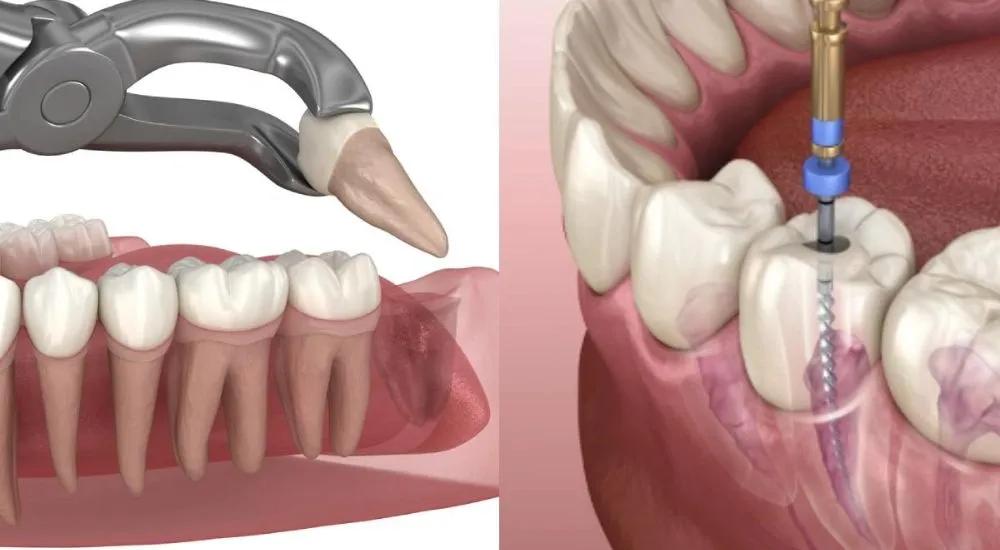
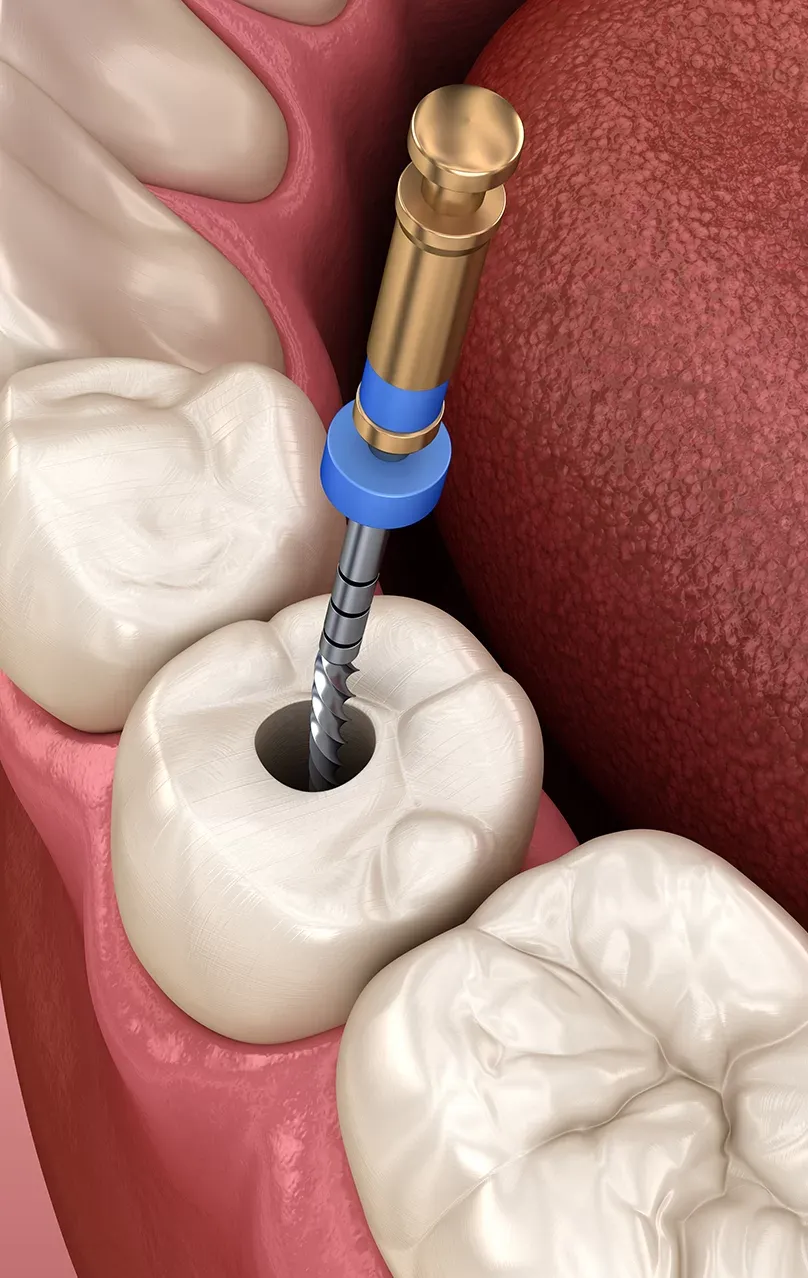
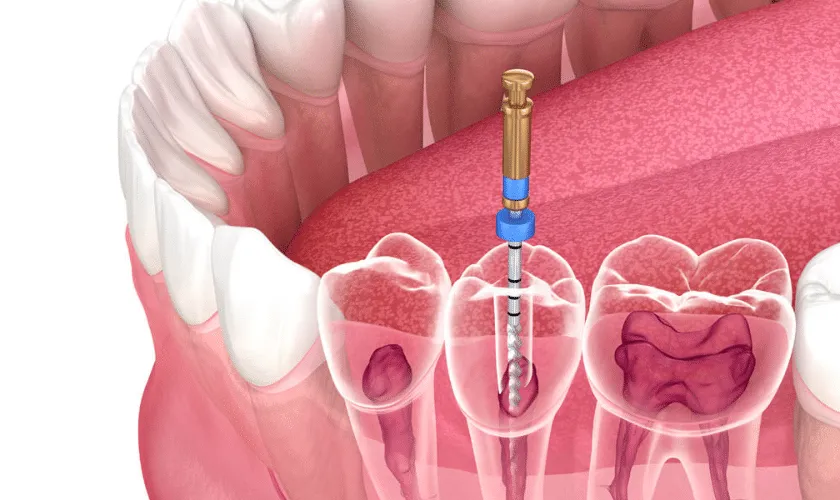
Many people living in or visiting Thailand are familiar with regular fillings or extractions, but a root canal is a bit different. In Thai dental clinics, a root canal is typically called *รักษารากฟัน* (rak-sa rak fan), literally meaning “treat the tooth’s root.” This treatment focuses on removing infected pulp from the inside of the tooth, cleaning out the canals thoroughly, and sealing them to prevent further infection.
Thai dentists, whether in Bangkok’s modern dental centers or Phuket’s cozy local clinics, follow internationally recognized procedures. The treatment usually involves local anesthesia, so you won’t feel pain during the process. In most cases, it’s completed in two or three visits, depending on the severity of the infection and the tooth’s condition.
### Why Painful Molars Often Need a Root Canal
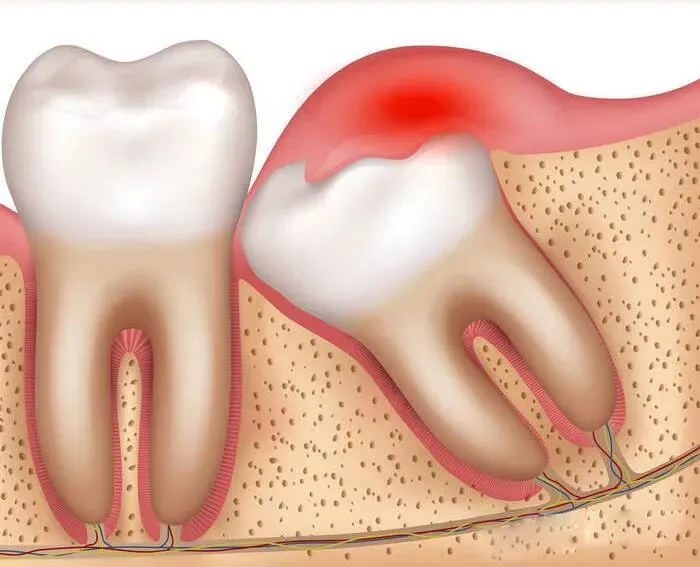
Molars, the big teeth at the back, do most of the chewing. Because of their deep grooves and multiple roots, they are more prone to trapping food and bacteria. In Thailand, where spicy soups, sticky sweets like *kanom krok*, and iced drinks are part of daily life, molars can become vulnerable to decay and cracks.
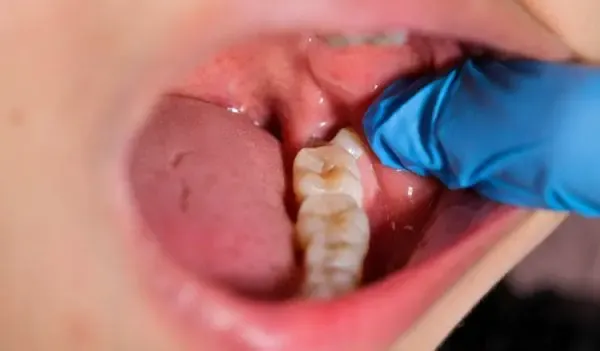
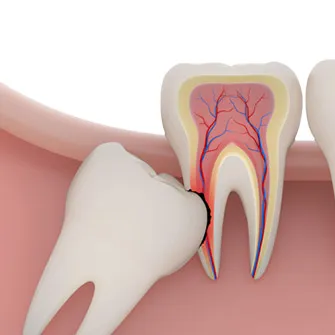
When decay reaches the pulp—the soft tissue containing nerves and blood vessels—a simple filling won’t be enough. The tooth starts to ache even without chewing, and temperature sensitivity grows worse. Thai dentists will often recommend a root canal before considering extraction, as saving the natural tooth helps maintain proper bite alignment and chewing ability.
### Benefits of Choosing Root Canal Treatment in Thailand
One of the main advantages of doing root canal therapy here is accessibility. Thailand’s dental care network is extensive, from high-end clinics in Sukhumvit to government hospitals in provincial towns. You will find:
1. **Affordable Costs** – Prices for root canal in Thailand are generally lower than in Western countries, even at modern private clinics.
2. **Experienced Dentists** – Many Thai dentists study abroad or receive advanced training locally, ensuring high-quality care.
3. **Modern Equipment** – Digital X-rays, rotary instruments, and advanced sterilization methods are now common in well-established Thai dental centers.
4. **Convenient Locations** – Whether you’re in tourist areas like Pattaya or rural districts, there is likely a dental clinic within a short ride.
For expats and visitors, finding an English-speaking dentist in Thailand is relatively
easy. Larger clinics often have multilingual staff to help explain the steps clearly.
### The Step-by-Step Process in a Thai Clinic
If you decide to get a root canal for a painful molar in Thailand, here’s what typically happens:
1. **Initial Examination**
Your dentist will take X-rays to check the extent of infection and to plan the treatment. This is usually done using digital systems for quick results.
2. **Local Anesthesia**
Even if the tooth is extremely sore, the anesthesia used in Thailand works well to numb the area quickly.
3. **Cleaning the Tooth**
The dentist will make a small opening in the molar to reach the pulp chamber, then remove the infected tissue carefully.
4. **Shaping and Disinfecting Canals**
Rotary tools and disinfectants are used to clean and shape the canals for a secure seal.
5. **Temporary Filling**
In some cases, a temporary seal is placed and you’ll return for the final filling or crown.
6. **Permanent Restoration**
A crown is often recommended for molars after root canal therapy to protect the tooth from future cracking.
### Aftercare Tips Thai Dentists Suggest
Thai dentists usually give practical, easy-to-follow advice after the treatment:
- Avoid chewing hard or sticky foods on the treated side for a few days.
- Keep up daily brushing and flossing, even if the tooth feels sensitive.
- Rinse with warm salt water to soothe the gums.
- Return for follow-up visits to ensure the tooth has healed properly.
Since Thailand’s tropical climate can make sugary snacks and iced drinks more tempting, dentists often remind patients to limit these to protect the treated tooth and prevent new cavities.
### Choosing the Right Dental Clinic in Thailand
While root canal therapy is straightforward in trained hands, the dentist’s experience plays a major role in success. Look for clinics with:
- Clear treatment plans and transparent pricing, often posted in English.
- Modern sterilization standards.
- Positive reviews from locals and expatriates.
- Convenient access via BTS, MRT, or local transport if you are in Bangkok.
In tourist areas like Hua Hin or Koh Samui, you can also find dental clinics catering specifically to international patients, offering appointment booking via WhatsApp or LINE—popular messaging tools in Thailand.
### Conclusion
For anyone struggling with a painful molar in Thailand, a root canal can be a tooth-saving solution that combines advanced dental techniques with affordable care. Whether you are a local resident, an expat, or just visiting, the country’s dentists are well-equipped to provide relief and restore your smile.
Ignoring molar pain is rarely a good idea—it can escalate quickly in Thailand’s warm and humid climate. Seek prompt care, follow aftercare instructions, and you’ll likely find that your root canal experience here is far smoother than you imagined. By choosing a reputable Thai dental clinic, you not only ease your discomfort but also protect your oral health for the long term.
 collect
Hospitals included




Products included


Suggested reads