Thailand Root Canal for Fragile Teeth
**Thailand Root Canal for Fragile Teeth**
When you have fragile teeth, even a small cavity or crack can cause big problems. In Thailand, many people face dental issues due to diet, lifestyle, or even genetics. One of the most common treatments for saving weak or damaged teeth is a root canal. If you are living in Thailand or planning dental treatment here, understanding how a root canal works, especially for fragile teeth, can help you make confident decisions.
### Why Fragile Teeth Need Special Care
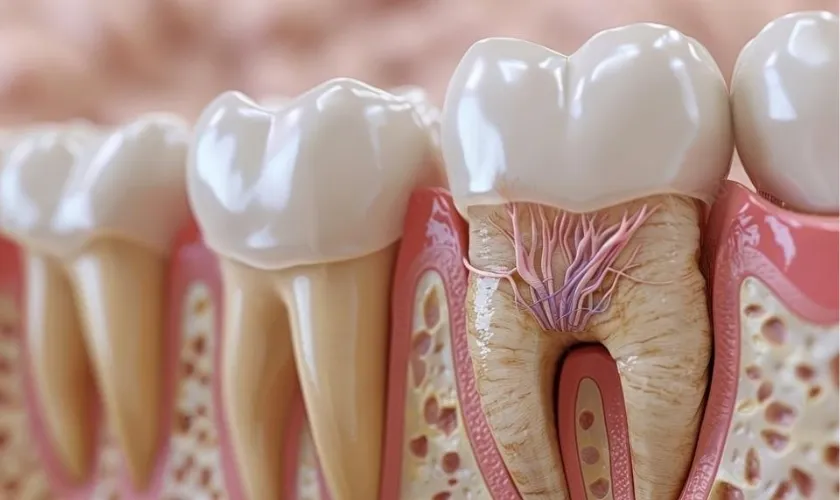
Fragile teeth can come from several causes: tooth decay that has weakened the structure, enamel erosion from acidic foods, grinding at night, or damage from accidents. Once a tooth becomes fragile, it’s more prone to sensitivity and breakage. In Thailand, popular local dishes such as som tam (papaya salad) or crispy fried snacks can be hard on weak teeth. If not treated early, damage may reach the inner pulp – the part of the tooth that contains nerves and blood vessels – leading to pain and possible infection.
### What Is a Root Canal?
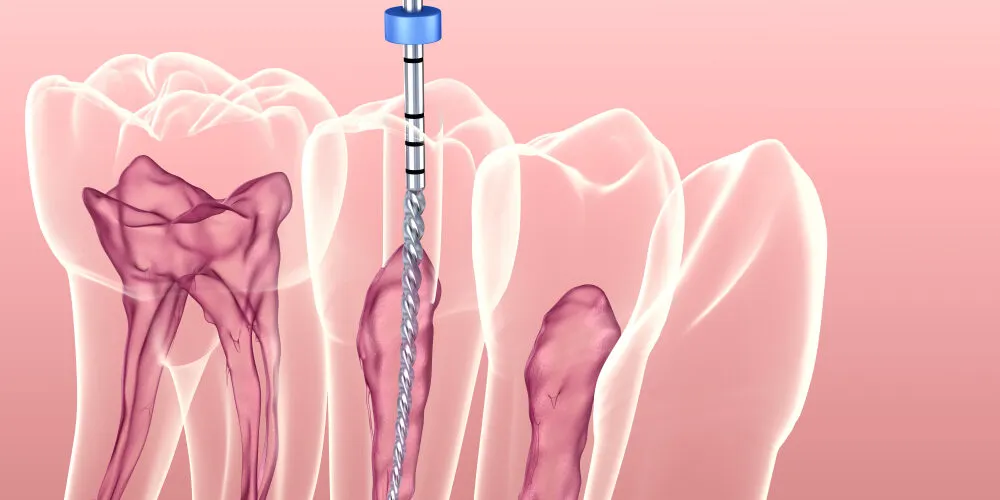
A root canal is a dental procedure used to remove infected or damaged pulp from inside the tooth. The space is then cleaned, disinfected, and filled to prevent further problems. This procedure allows you to keep your natural tooth instead of extracting it, which is important for chewing comfort and maintaining a natural smile.
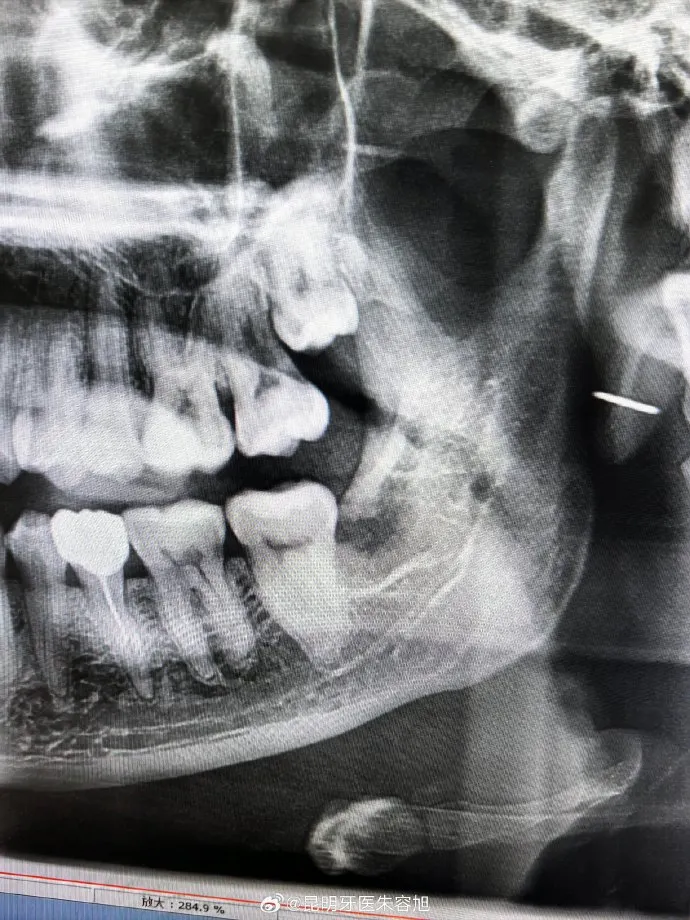
In Thailand’s dental clinics, root canal treatments are performed using advanced equipment and sterilization techniques. For fragile teeth, dentists pay extra attention to preserving as much of the natural structure as possible. Many clinics use digital X-rays to precisely locate damage, ensuring accurate treatment with minimal stress on the surrounding tooth material.
### Signs You May Need a Root Canal
If you have fragile teeth, it’s important to watch for early warning signs, such as:
- Persistent toothache or sharp pain when chewing
- Sensitivity to hot or cold that doesn’t go away quickly
- Swelling or tenderness around the gums
- Discoloration of the tooth, especially a darkening shade
In Thailand, people often delay treatment until pain becomes intense, but dentists recommend acting early. Quick action can prevent complications and help keep the tooth strong for longer.
### The Root Canal Process in Thailand
A typical root canal in Thailand involves several steps:
1. **Examination and Diagnosis** – The dentist will check the tooth visually and through X-rays. Fragile teeth need an extra careful evaluation to avoid unnecessary stress during treatment.
2. **Pain Management** – Local anesthesia ensures you feel no pain during the procedure. Many Thai clinics use gentle numbing techniques, especially for patients nervous about dental visits.
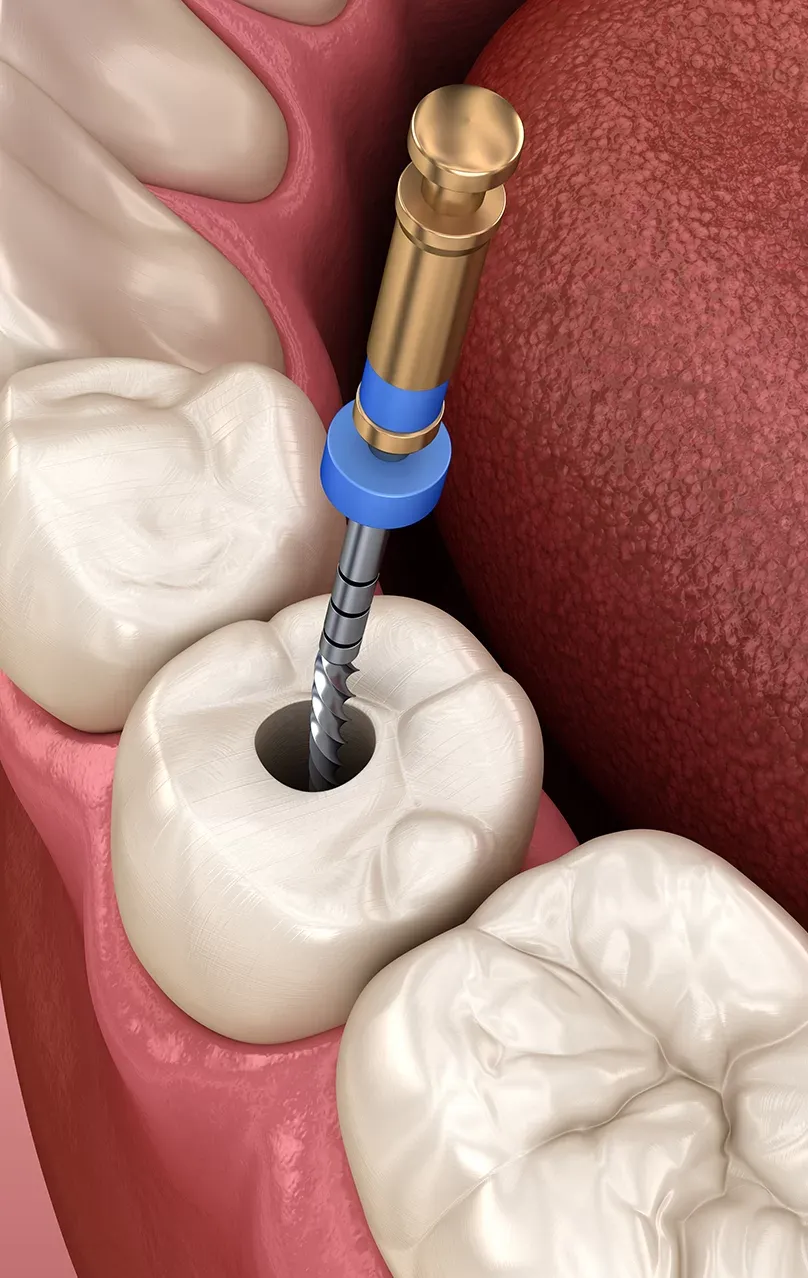
3. **Removal of the Pulp** – Using fine instruments, the dentist removes the damaged pulp while keeping the

tooth’s outer shell intact.
4. **Cleaning and Shaping** – The canal is thoroughly cleaned to remove bacteria, then shaped for filling.
5. **Filling** – Special materials are used to seal the canal and protect it from future infection.
6. **Final Restoration** – For fragile teeth, a dental crown is often recommended. In Thailand, crowns can be made from porcelain, zirconia, or metal alloys depending on your needs and budget.
### Why Choose Thailand for Root Canal Treatment
Thailand is well known for its dental tourism, and for good reason. Treatments here often cost less than in many Western countries, without sacrificing quality. Many dentists in Bangkok, Chiang Mai, and Phuket have international training, speak fluent English, and use modern technology.
For patients with fragile teeth, Thai dentists often take extra care in treatment planning. There is a strong focus on preserving natural teeth rather than replacing them, which suits people who value a long-term solution. Additionally, clinics here are accustomed to treating international patients, making communication smooth and stress-free.
### Recovery and Aftercare for Fragile Teeth
After a root canal, the tooth needs protection to prevent cracks or chips. Dentists in Thailand often recommend getting a crown soon after treatment, especially if the tooth had significant structural loss. You should also:
- Avoid biting hard foods immediately after treatment
- Maintain gentle brushing and flossing habits
- Visit the dentist for regular check-ups
- Consider a night guard if you grind your teeth
Many Thai dental clinics offer affordable follow-up appointments, making it easier to keep fragile teeth healthy over time.
### Preventing Future Problems
Whether you live in Thailand or just visit, caring for fragile teeth means preventing future decay and damage. Limiting sugary drinks such as Thai iced tea, avoiding excessive chewing on hard snacks, and practicing good oral hygiene go a long way. Regular dental visits help catch issues before they become serious.
Some clinics also provide dietary advice tailored to local food culture, so you can still enjoy Thailand’s famous cuisine without harming your teeth.
### Final Thoughts
A root canal can feel intimidating, especially if your teeth are already weak, but in Thailand, the procedure is handled with precision and care. Fragile teeth require a gentle, detail-oriented approach, and Thai dentists are experienced in providing that. By acting early, following aftercare instructions, and choosing a reputable clinic, you can save your natural teeth and keep your smile healthy for years.
Thailand combines high-quality dentistry with reasonable prices and warm, friendly service. If you need a root canal for fragile teeth, seeking treatment here might be one of the best decisions you make for your dental health.
 collect
Hospitals included




Products included


Suggested reads