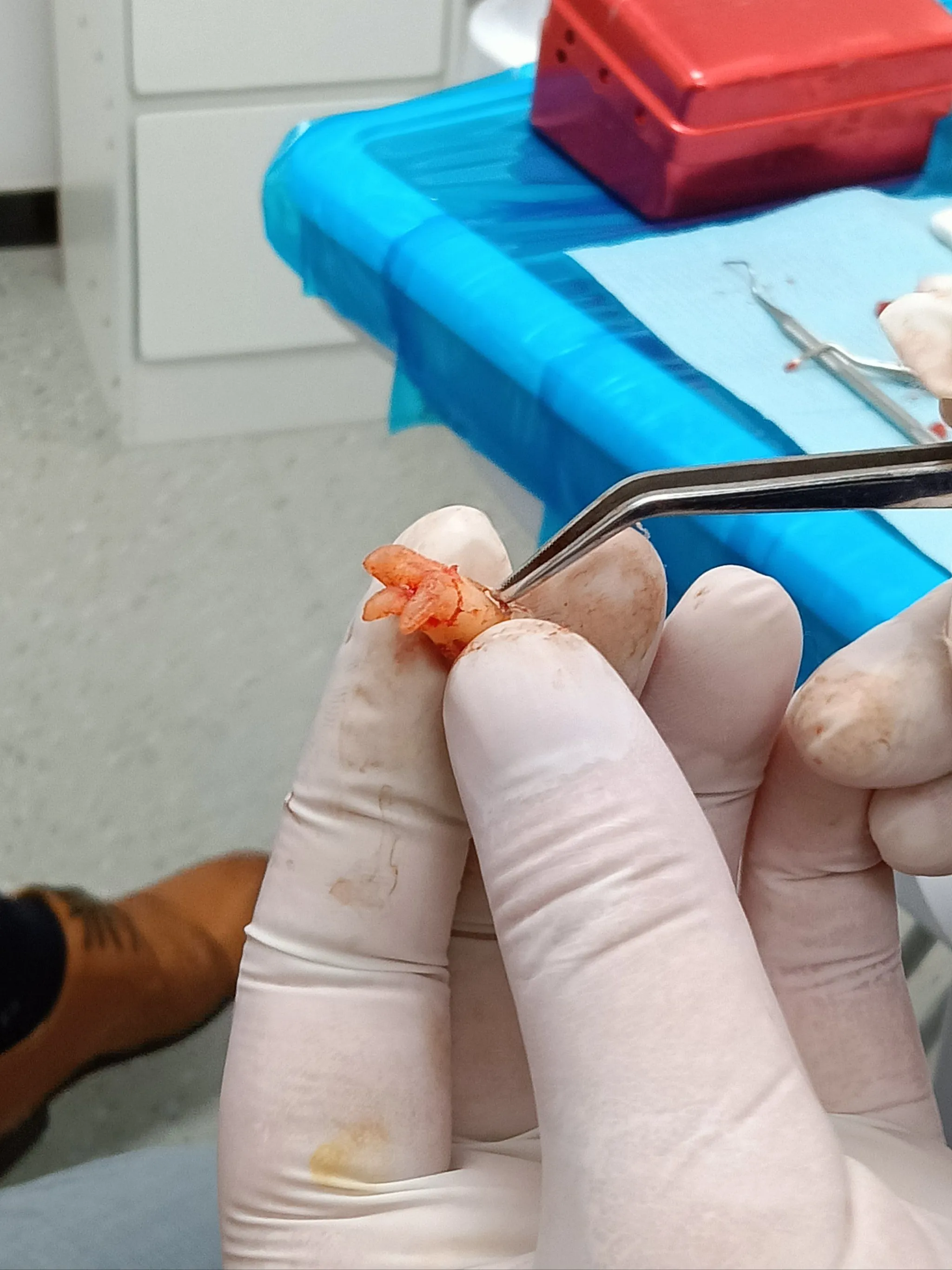
Thailand Root Canal Process Under Local Anesthesia
**Thailand Root Canal Process Under Local Anesthesia**
If you live in Thailand or plan to visit for dental treatment, you’ll find that root canal therapy is a common and effective way to save damaged teeth. In many Thai dental clinics, especially in Bangkok, Chiang Mai, and Phuket, the root canal process is performed under local anesthesia, making it comfortable and pain-free for most patients. Understanding the step-by-step procedure and what to expect can help you feel more confident before walking into the dental chair.
### Why Root Canal Treatment Is Needed
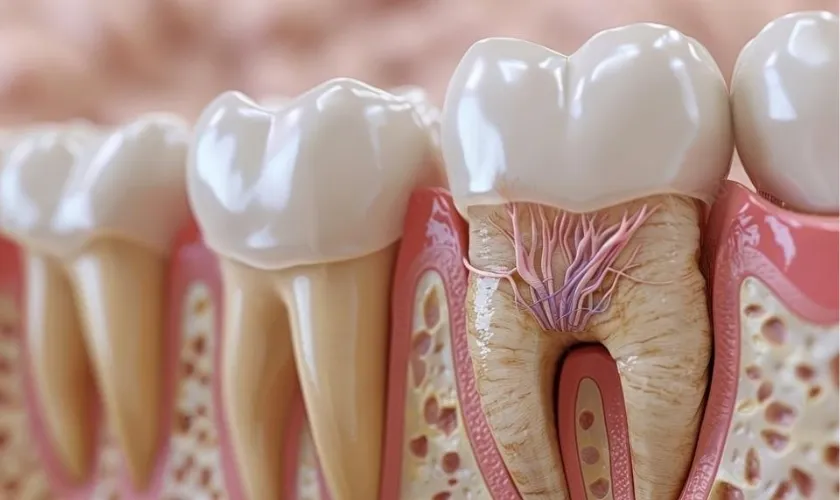
A root canal is usually recommended when the pulp inside your tooth becomes infected or severely inflamed. This can be the result of deep decay, a cracked tooth, or even repeated dental procedures on the same tooth. In Thailand, dentists often explain the situation clearly to patients, using simple terms and sometimes even showing X-ray images right on a screen, so you can see what’s going on inside your tooth.
If the infection is not treated, it can cause intense pain, swelling, and in some cases lead to abscess formation. This is why Thai dentists encourage patients not to delay treatment. Many clinics in major cities also offer quick online appointment bookings, so you can secure a slot without unnecessary waiting.
### Step-by-Step Root Canal Process in Thailand
**1. Initial Consultation and Examination**
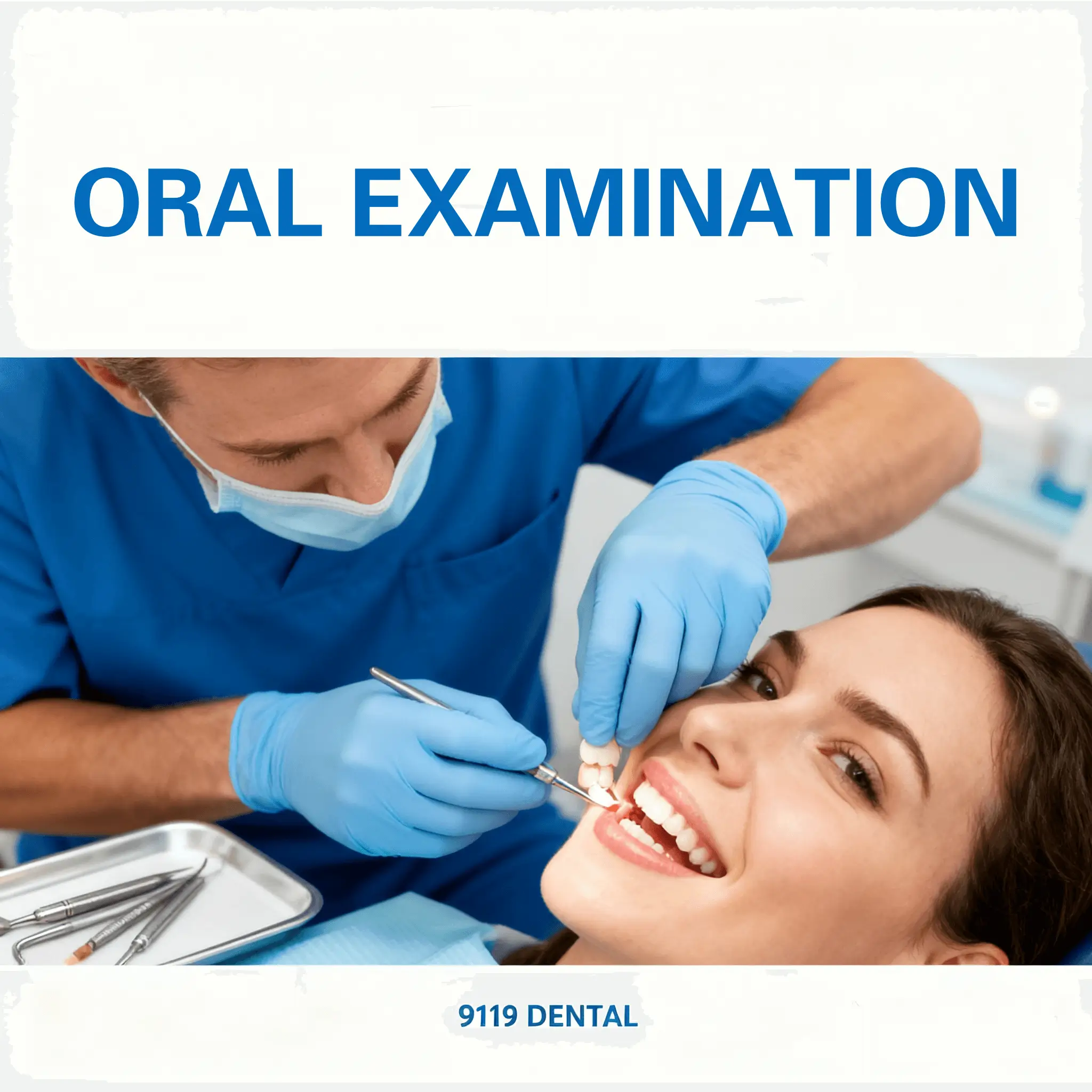
Your first visit normally involves a check-up and diagnostic imaging, such as periapical or panoramic X-rays. The dentist will discuss the condition of your tooth, give treatment options, and explain the costs upfront. Transparency in pricing is a common practice in Thailand, which helps patients feel reassured.
**2. Administration of Local Anesthesia**
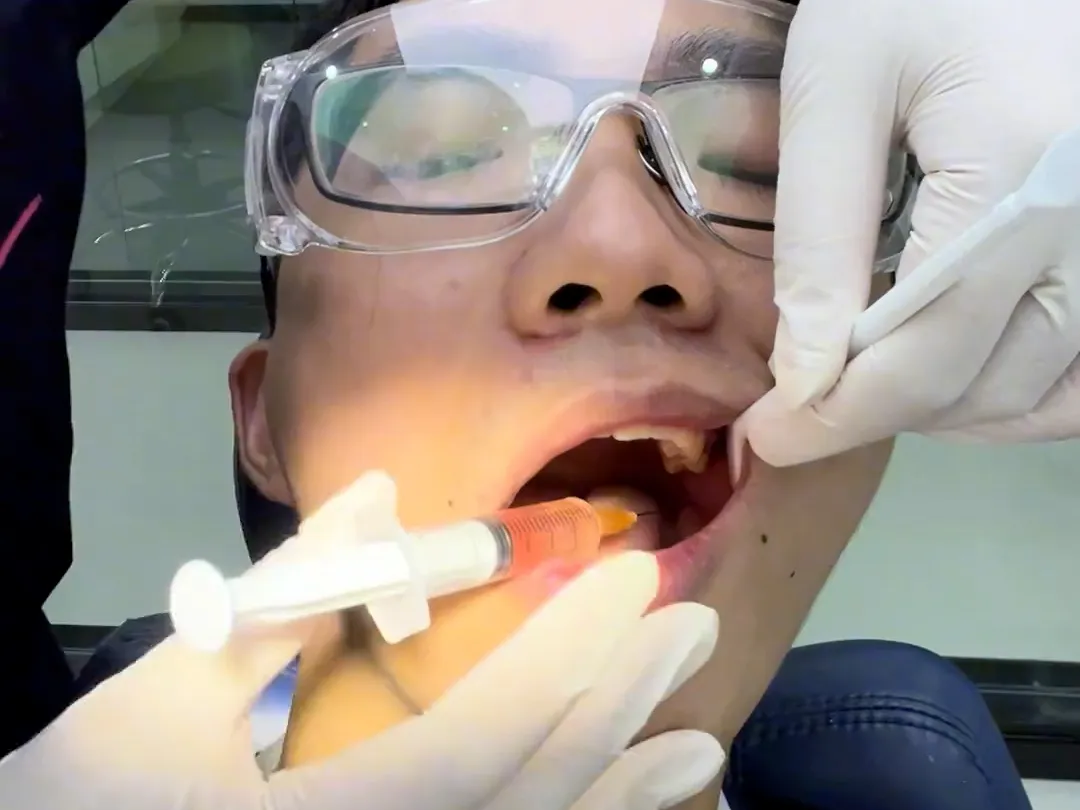
When it’s time for the actual procedure, the dentist will numb the affected area with local anesthesia. In most Thai dental clinics, this injection is handled gently, often with a topical anesthetic applied beforehand to minimize the sting. Patients usually report feeling only a slight pinch, and within minutes, the tooth and surrounding area lose sensation.
**3. Removing the Infected Pulp**
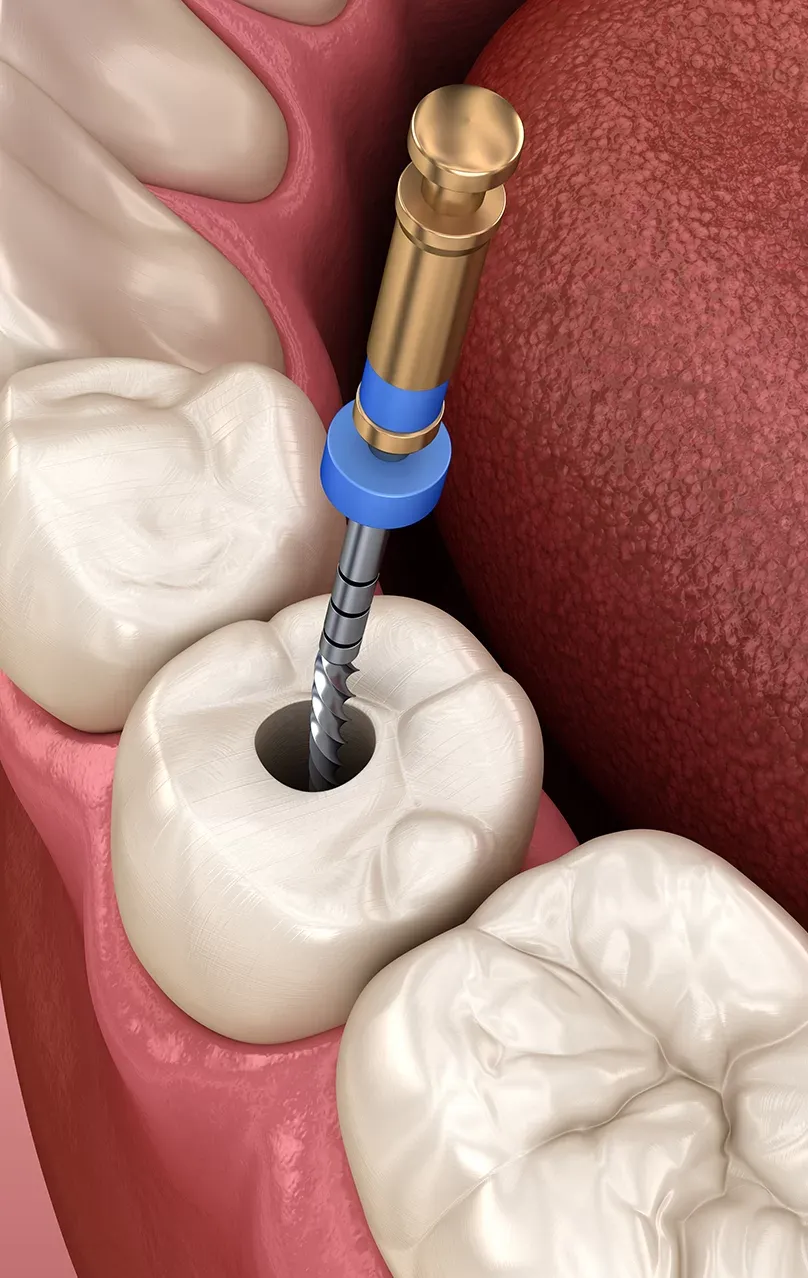
Once the anesthesia takes effect, the dentist uses a small drill to open the tooth and gain access to the pulp chamber. Specialized instruments are then used to carefully remove the infected or damaged tissue. Since you’re under local anesthesia, you won’t feel pain during this step. Thai dentists tend to work efficiently but also take time to ensure all infected material is removed.
**4. Cleaning and Shaping the Root Canals**
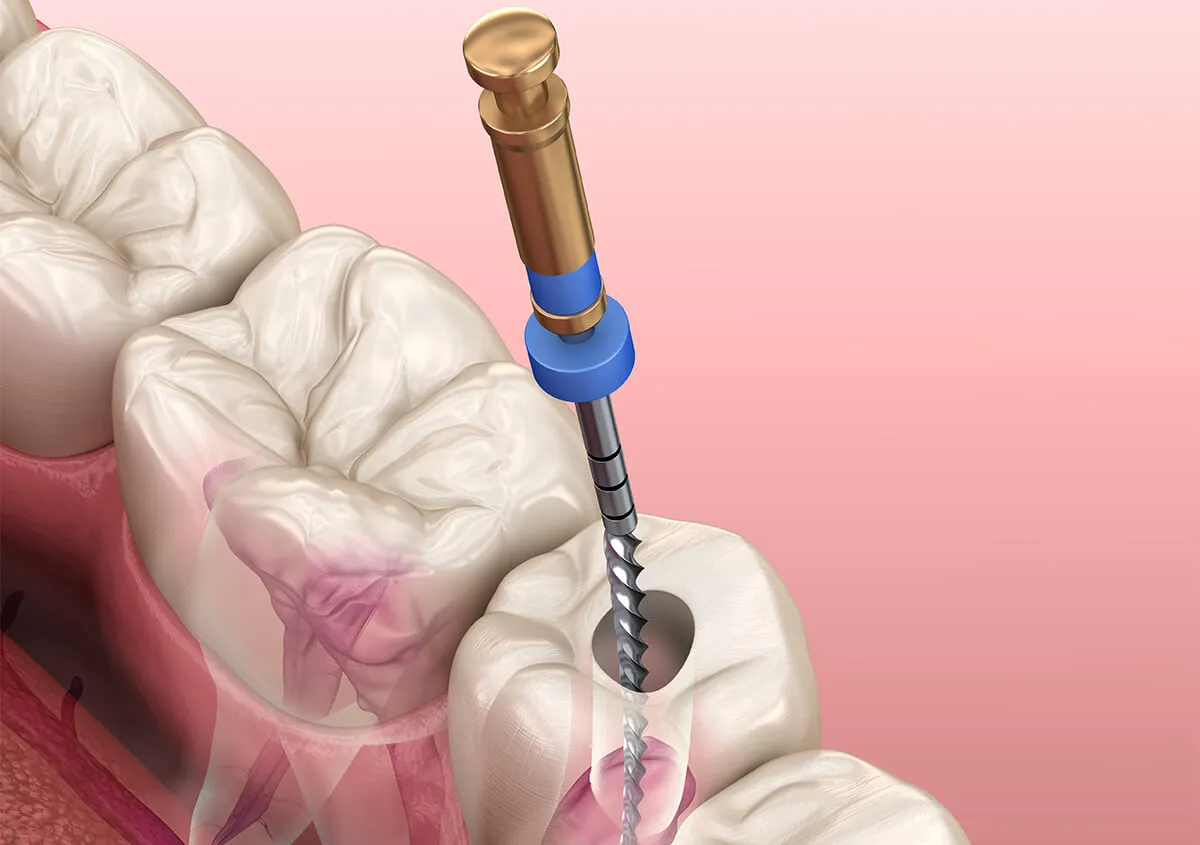
After removing the pulp, the canals are cleaned to eliminate bacteria and debris. In Thailand, many clinics use modern rotary instruments and sometimes electronic apex locators to ensure precise cleaning. The dentist shapes the canals in preparation for filling, making sure the space is smooth and free from infection.
**5. Filling the Canals**
When the canals are ready, they are filled with a biocompatible material, usually gutta-percha. This seals the canals and prevents future infection. A te
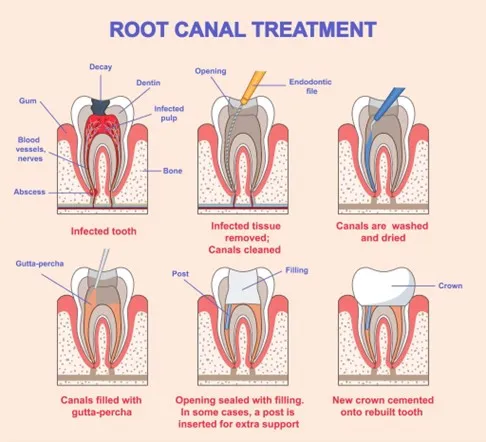
mporary filling may be placed if the procedure is split into two visits, which is sometimes the case when infection is severe.
**6. Permanent Restoration**
Once the root canal is complete, your tooth will need a permanent restoration — often a crown — to protect it from fracture. Many Thai dental clinics can prepare and place crowns quite quickly, especially those equipped with in-house CAD/CAM technology.
### Comfort and Safety in Thai Dental Care
Thailand has a strong reputation for patient comfort and professional dentistry. Local anesthesia is not only safe but also allows you to stay relaxed during the procedure without the grogginess of general anesthesia. Dentists and assistants often check on you frequently during treatment, making sure you’re comfortable.
In addition, infection control standards in Thailand are high, with sterilized instruments and clean, modern treatment rooms. Clinics catering to both locals and international patients use clear communication, often providing instructions in both Thai and English.
### Recovery and Aftercare
After your root canal under local anesthesia, the numbness will wear off in a few hours. Some tenderness or mild discomfort when chewing is normal for a few days, but Thai dentists usually provide simple pain relief advice or prescribe medication if needed. They may recommend avoiding hard or sticky foods until the permanent crown is placed.
Follow-up appointments are common, as dentists want to ensure proper healing. Many Thai clinics offer these check-ups at no additional cost within a certain period after the procedure, which is a nice customer-focused touch.
### Costs and Value in Thailand
One reason patients choose Thailand for dental work is the balance between quality and cost. Root canal treatments here are typically more affordable than in many Western countries, even at premium clinics. Costs can vary depending on the tooth type — molars generally require more work than front teeth — and whether additional procedures like crowns are needed.
What’s important to note is that lower prices don’t mean lower standards. Many Thai dentists are internationally trained and keep up with the latest technologies. With strong emphasis on clear communication, patient comfort, and precise work, the treatment experience can be both professional and friendly.
### Final Thoughts
If you’re facing a root canal, understanding the process under local anesthesia can erase much of the anxiety. In Thailand, dentistry combines skilled techniques, modern equipment, and a welcoming atmosphere. From the first consultation to post-treatment care, the approach is designed to make patients feel at ease while ensuring long-term results.
Choosing a reputable clinic with experienced dentists will give you the confidence that your root canal treatment will be effective, comfortable, and worth every baht. So whether you’re a local or visiting Thailand for dental tourism, know that this procedure, done under local anesthesia, is a safe path to restoring your dental health without unnecessary pain.
 collect
Hospitals included




Products included

Suggested reads