Thailand Root Canal Treatment With Antibiotics
**Thailand Root Canal Treatment With Antibiotics**
When it comes to dental care, Thailand has built a strong reputation as one of Asia’s most trusted destinations. From routine cleanings to advanced procedures, Thai dental clinics are known for friendly service, modern equipment, and reasonable prices. For people dealing with severe tooth pain or deep infection, a root canal treatment is often the recommended solution. In certain cases, antibiotics may also be part of the treatment plan. If you are thinking about getting root canal treatment with antibiotics in Thailand, here’s everything you need to know.
---
### Understanding Root Canal Treatment
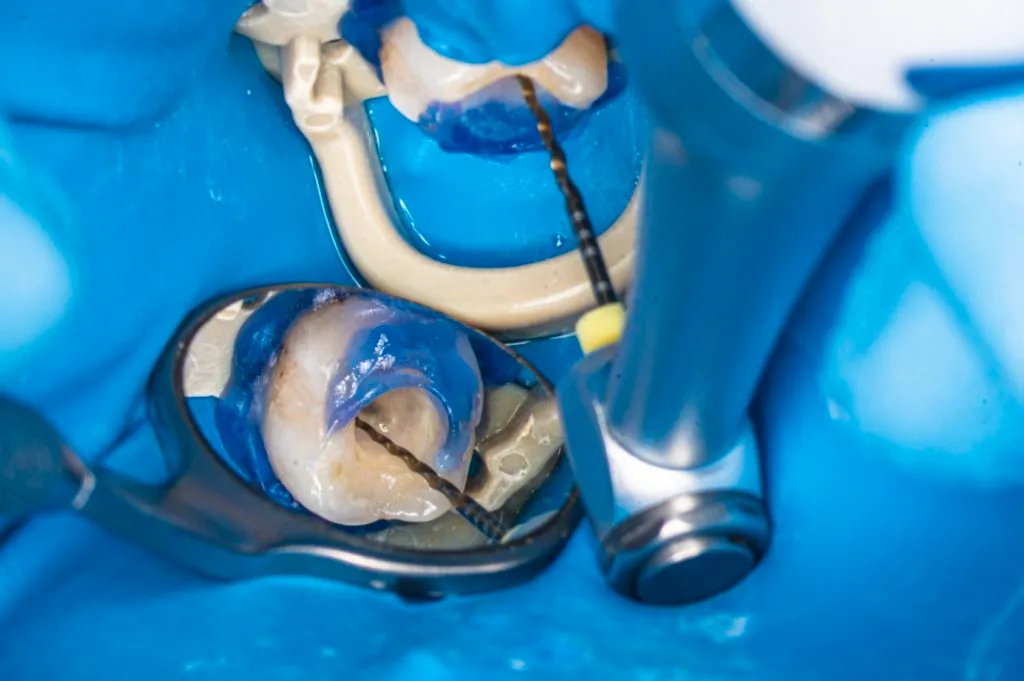
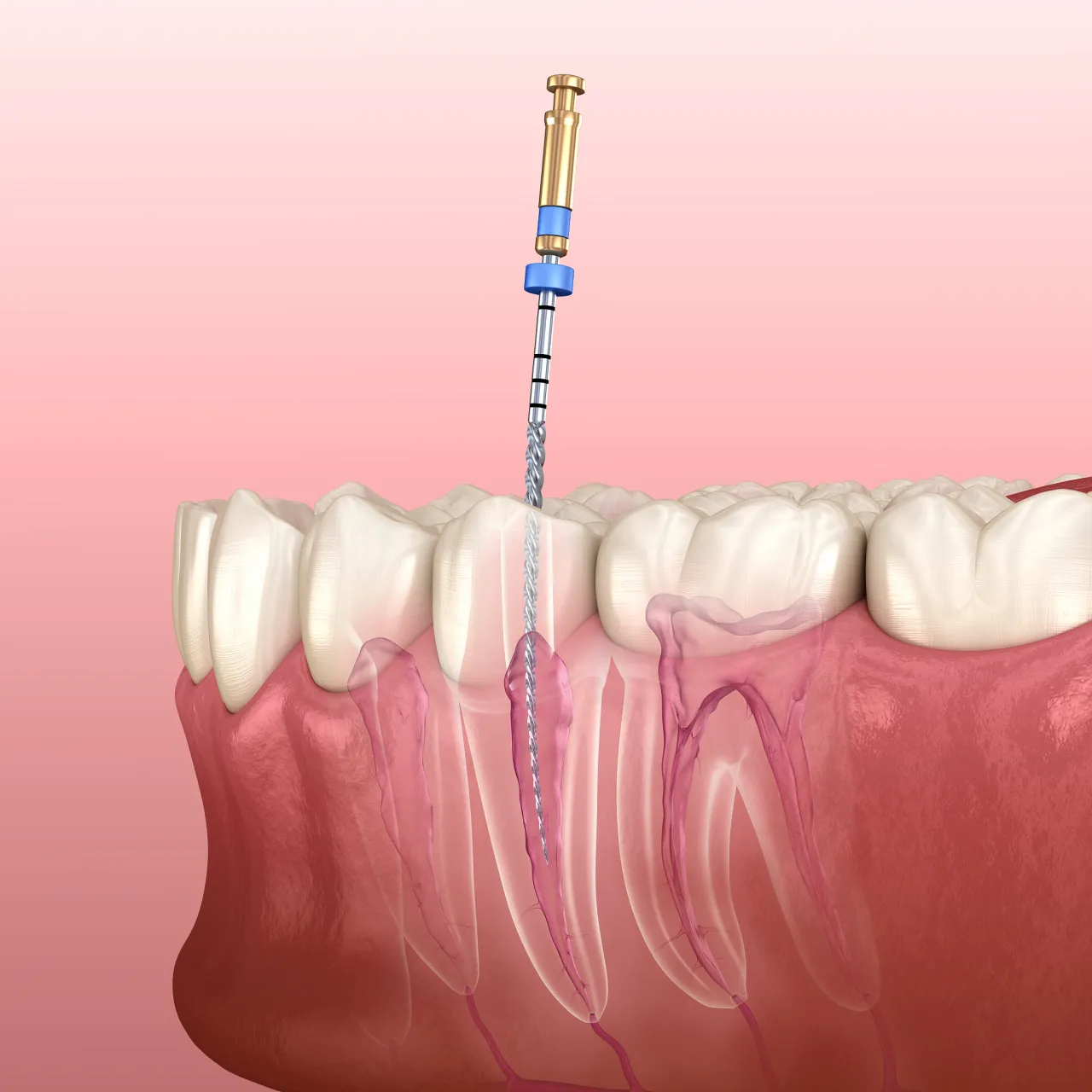
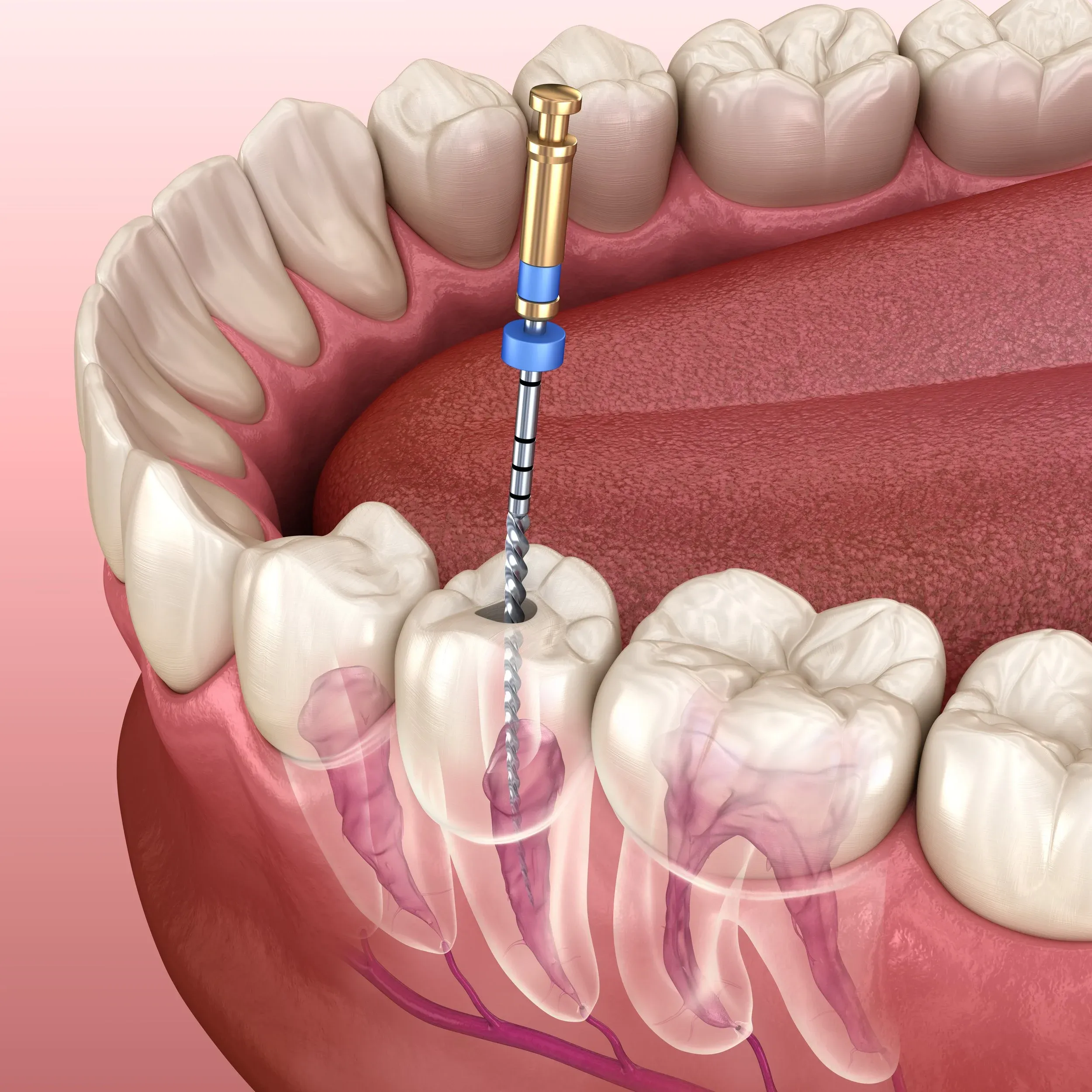
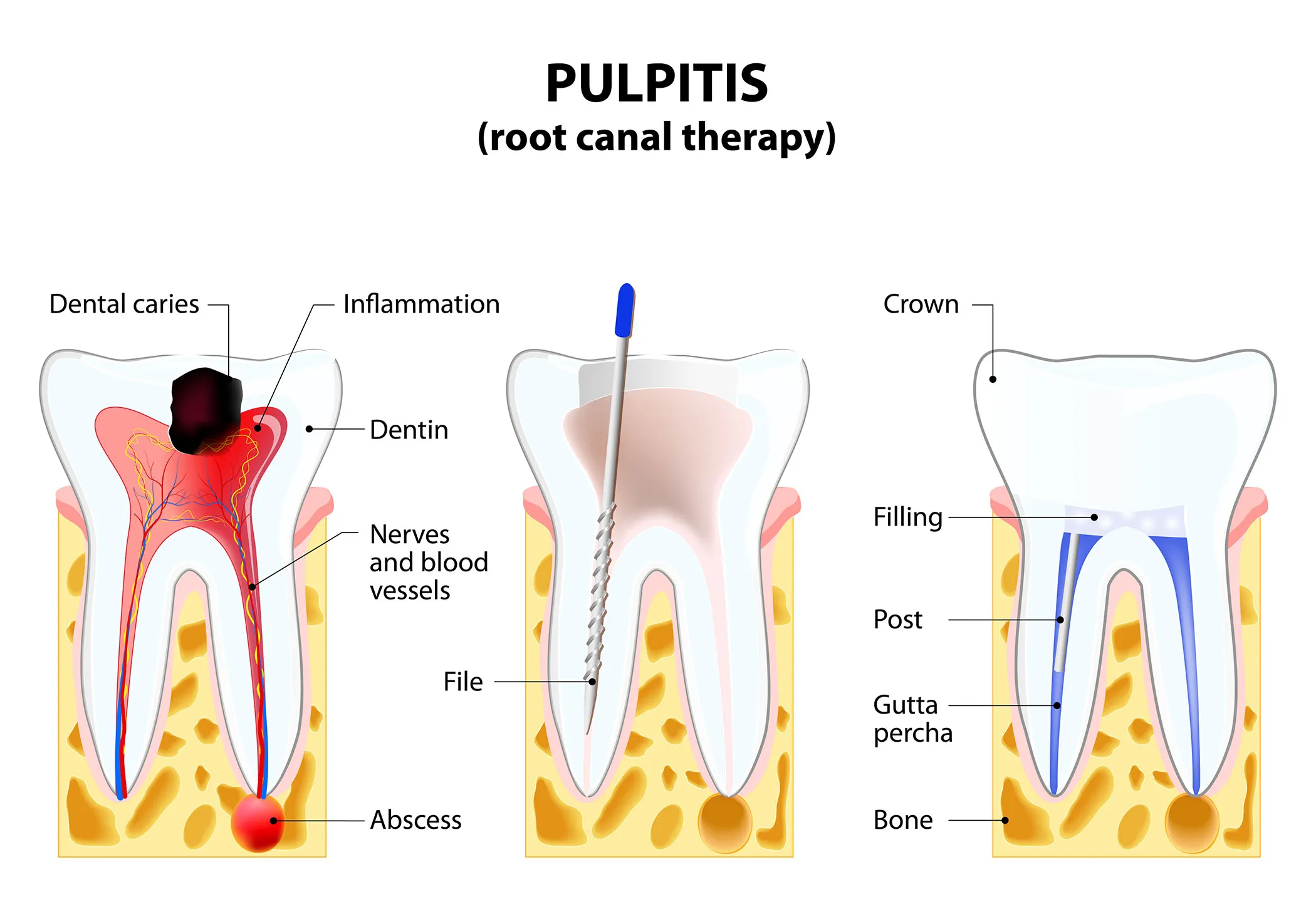
A root canal is a dental procedure that removes infected pulp from inside the tooth. The pulp contains nerves and blood vessels, and when it becomes inflamed or infected, it can cause intense pain, swelling, and sensitivity. In Thailand, dentists perform root canals using advanced techniques to reduce discomfort and ensure long-term results. The goal is to save your natural tooth rather than extract it, keeping your bite and smile intact.
The process usually involves:
1. **Diagnosis** – The dentist will check X-rays to determine the extent of infection.
2. **Cleaning** – The infected pulp is carefully removed.
3. **Shaping and filling** – The inside of the tooth is shaped and filled with a safe material.
4. **Sealing** – Finally, the tooth is sealed, often with a crown to provide strength and protection.
---
### Role of Antibiotics in Root Canal Treatment
Antibiotics are not always required for every root canal procedure. In fact, most healthy patients do not need them unless the infection has spread beyond the tooth or there is significant swelling. In Thailand, dentists follow clear clinical guidelines – antibiotics may be prescribed if the infection is severe, if you have systemic symptoms like fever, or if there’s a risk of spreading to other areas.
Commonly prescribed antibiotics in Thailand for dental infections include amoxicillin, clindamycin, or metronidazole. The choice depends on your medical history, allergy status, and the nature of the bacteria involved. Dentists here generally explain the reasons before prescribing, so you’ll have peace of mind about what you’re taking.
---
### What Makes Thailand Popular for Dental Care
Thailand’s dental industry attracts patients from across Asia, Europe, and Australia because of several key advantages:
- **Affordable Prices** – Costs for root canal treatments can be significantly lower than in Western countries, even when antibiotics are included.
- **Well-Trained Dentists** – Many Thai dentists have international training and speak English, making communication easier for foreign visitors.
- **Modern Facilities** – Clinics in Bangkok, Chiang Mai, and Phuket are equipped with digital X-rays, UV sterilisation, and comfortable patient areas.
- **Hospitality Culture** – Thai service cult
ure is warm and respectful, helping patients feel relaxed during treatment.
---
### For Locals and Expats Alike
In Bangkok and other big cities, dental clinics cater to both Thai residents and expatriates. If you live in Thailand and need urgent dental care, you’ll find plenty of options that combine convenience with professional service. Even smaller towns have competent dentists, although high-tech facilities are more concentrated in urban areas.
Many expats choose Thailand for treatment because dentists here understand the importance of explaining procedures clearly. Antibiotic use, for example, will be discussed so you know how long to take the medication, what dosage is appropriate, and whether any follow-up is needed.
---
### Recovery and Aftercare
After a root canal treatment, especially if antibiotics are involved, following aftercare advice is important:
- **Complete your antibiotic course** – Stopping early may cause the infection to return.
- **Avoid hard or sticky foods** – At least for a few days, to protect your treated tooth.
- **Keep the area clean** – Brush gently and use a mouth rinse if recommended.
- **Attend follow-up visits** – The dentist may want to check the healing progress and ensure no new infection develops.
In Thailand, dental clinics are usually very responsive if you experience post-treatment issues. You can call or return for quick check-ups without heavy additional costs.
---
### Choosing the Right Clinic
When selecting a clinic for root canal treatment with antibiotics in Thailand, look for:
- **Clear communication** – Does the dentist explain the need for antibiotics and outline the process?
- **Sterile environment** – Proper hygienic standards are crucial.
- **Transparent pricing** – Ask for a detailed quote before starting treatment.
- **Positive reviews** – Online reviews from other patients can be a helpful guide.
Bangkok offers a wide range of high-quality clinics, while cities like Chiang Mai and Phuket also have internationally recognised dental centres. If you are already in Thailand, you can often get same-day appointments for urgent cases.
---
### Final Thoughts
Root canal treatment is often the best way to save an infected tooth and prevent more serious health problems. In Thailand, you’ll find skilled dentists, modern equipment, and a treatment approach that puts patient comfort and safety first. Antibiotics can play a vital role in ensuring complete healing, but they’re prescribed only when truly necessary. Whether you are a local or visiting Thailand for dental tourism, you can expect a balance of affordability, professionalism, and personalised care.
If you are experiencing persistent tooth pain or swelling, don’t delay seeking advice. With Thailand’s advanced dental services, a root canal treatment – with or without antibiotics – could be the step that brings back your smile and protects your health for years to come.
 collect
Hospitals included



Products included
Suggested reads