Thailand Root Canal Treatment Explained for Beginners
**Thailand Root Canal Treatment Explained for Beginners**
If you’ve ever had a stubborn toothache that just won’t go away, you may have heard your dentist mention a “root canal.” In Thailand, root canal treatment is a common dental procedure, and while it sounds a little intimidating, it’s actually one of the best ways to save a tooth from being removed. For beginners, understanding what it is, why it’s needed, and how the process works in Thailand can make the experience much less stressful. Let’s walk through it step by step, using simple, clear language so you can feel confident before heading to the clinic.
---
### What Is a Root Canal and Why Do You Need It?
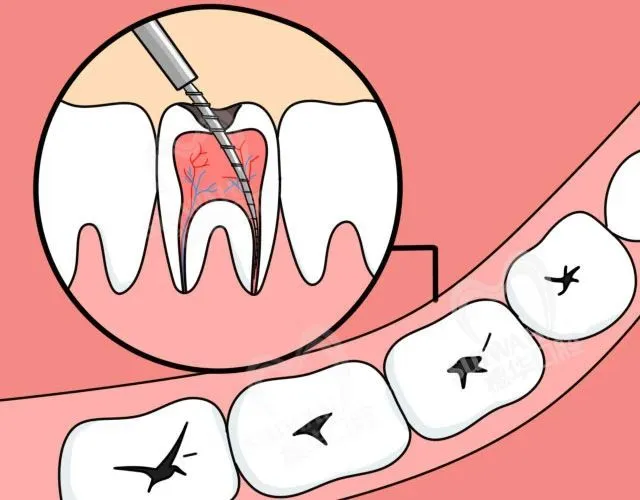
A tooth isn’t just a solid piece of bone — inside it, there’s a soft tissue called the “pulp” that contains nerves and blood vessels. When this pulp becomes infected or inflamed, usually from deep decay, cracks, or previous dental injuries, it can cause severe pain. In Thailand, dentists call root canal treatment “รักษารากฟัน,” which literally means “treatment of the tooth root.”
Instead of pulling the tooth out, the dentist cleans out the harmful bacteria and damaged pulp, then seals the inside to protect it. This way, your natural tooth stays in place, and you can continue chewing normally. Many Thai dentists will advise a root canal if they believe your tooth can be saved, because keeping your own tooth is almost always better than replacing it.
---
### Common Signs You Might Need a Root Canal
Here are some telltale symptoms that often lead people in Thailand to visit the dentist for root canal treatment:
- A sharp, lingering pain when eating or drinking something hot or cold.
- Swelling or tenderness in the gums near the affected tooth.
- Discomfort when biting or chewing.
- A darkening or discoloration of the tooth.
- Persistent toothache, especially at night.
If you notice these signs, it’s best not to delay — Thai dentists often say, “ยิ่งมาช้า ยิ่งเจ็บนาน,” meaning “the later you come, the longer you suffer.” Quick action can help prevent further damage.
---
### How Root Canal Treatment Works in Thailand
Root canal treatment in Thailand generally follows a series of steps over one to three visits, depending on the complexity of the case and the clinic’s schedule:
1. **Initial Check-Up**
The dentist will take an X-ray to see the inside of the tooth and determine the extent of the infection. In modern Thai dental clinics, digital X-rays are common, making this process fast and accurate.
2. **Local Anaesthesia**
The tooth and surrounding area are numbed so you won’t feel pain during the procedure. If you’re nervous, tell your dentist — Thai clinics are often skilled at calming anxious patients with reassurance and a friendly approach.
3. **Cleaning the Root Canals**
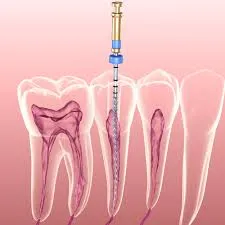
The dentist uses fine instruments to remove the infected pulp. This can be meticulous work because Thai dentists aim to completely clean out bacteria, ensuring there’s no risk of future infection.
4. **Shaping and Filling**
The canals inside the tooth are shaped and then filled with a safe, sterile material. This seals the tooth from inside, preventing further decay.
5. **Crown Placement**
O
ften, a crown (protective cover) is placed over the treated tooth to restore its strength. In Thailand, ceramics or porcelain crowns are popular for their natural look that blends with your other teeth.
---
### Cost of Root Canal Treatment in Thailand
One reason Thailand is a popular destination for dental care is its reasonable pricing compared to many Western countries. For a regular tooth, root canal treatment in Thailand can cost around 4,000–8,000 THB per tooth. Molars, which have more canals, may be on the higher side. Crowns, if needed, are an extra cost, usually between 8,000–15,000 THB depending on the material.
Many dental clinics in Bangkok, Chiang Mai, and Phuket offer clear price lists and English-speaking staff. This transparency helps both locals and foreigners feel comfortable about budgeting.
---
### Tips for a Smooth Root Canal Experience in Thailand
- **Choose a Reputable Clinic** – Look for clinics with licensed dentists who have experience in endodontics (root canal work).
- **Ask About Technology** – Modern equipment such as rotary instruments and digital imaging improves results.
- **Plan for Multiple Visits** – Some cases require more than one appointment, especially if the infection is severe.
- **Follow Aftercare Instructions** – Your dentist will recommend ways to protect your tooth and avoid chewing hard food until the crown is placed.
- **Don’t Skip Dental Check-Ups** – Regular visits can prevent the need for more root canals in the future.
---
### Myths and Truths About Root Canal Treatment
Many beginners worry that root canal treatment will be very painful. In reality, with modern anaesthesia, most people feel little to no discomfort during the procedure. Another common myth is that removing the tooth is easier — while this might be true in the short term, losing a tooth can cause problems for chewing, jaw alignment, and your smile’s appearance. In Thailand, dentists often emphasize long-term oral health over quick fixes.
---
### Why Choose Thailand for Your Root Canal?
Thailand’s dental industry is well known for combining high-quality care with affordability. Many clinics cater to international patients while maintaining service standards for locals. Whether you’re in Bangkok’s bustling Sukhumvit area or visiting the beaches in Phuket, you can usually find a skilled dentist with modern facilities. And because Thai hospitality extends even to medical care, you’re likely to feel welcome and respected during the process.
---
### Final Thoughts
For beginners, understanding root canal treatment can take away much of the fear or confusion. In Thailand, this procedure is not only common but also performed using updated techniques and patient-friendly approaches. Remember, a root canal is about keeping your natural tooth healthy and functional, preventing unnecessary extractions, and maintaining your smile for years to come.
If you notice symptoms or your dentist advises root canal treatment, trust the process. With the right clinic and proper care, you’ll walk away relieved, pain-free, and still able to enjoy your favourite Thai dishes — whether it’s spicy tom yum soup or crispy pad thai — without worrying about tooth pain.
 collect
Hospitals included




Products included


Suggested reads