Thailand Endodontic Consultation Process
Thailand Endodontic Consultation Process
**Thailand Endodontic Consultation Process**
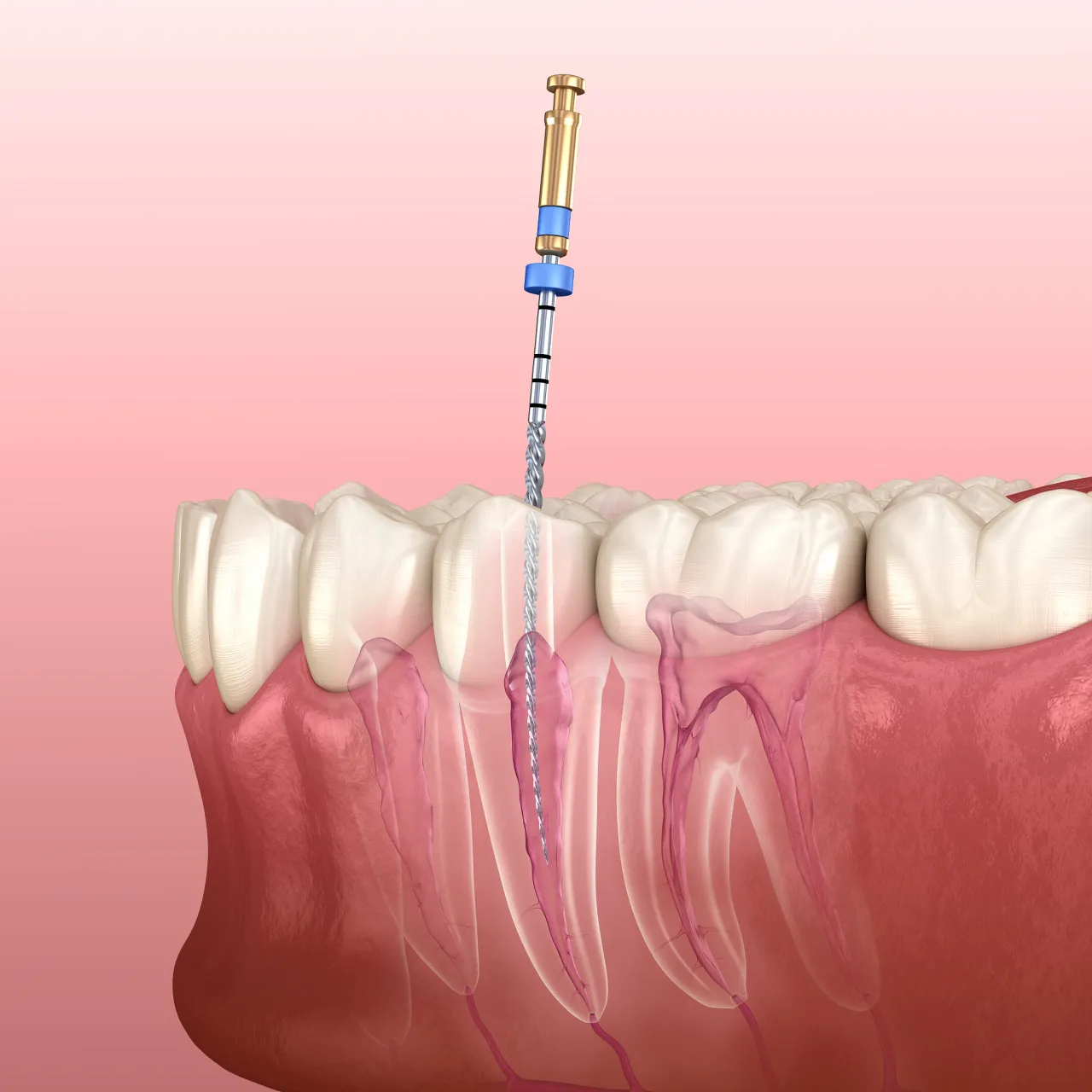
When it comes to dental health, many people in Thailand understand the importance of regular check-ups and cleanings. However, when tooth pain becomes persistent or worsens, a more specialized approach may be necessary. One common treatment is **endodontic therapy**, more widely known as a root canal. For patients in Thailand, the process starts with a careful and well-structured endodontic consultation – a step that ensures the treatment is both accurate and comfortable.
This article will walk you through the **Thailand endodontic consultation process**, from the moment you book the appointment to the follow-up advice you receive afterward. Understanding these steps can help patients feel more prepared and confident when seeking care from a local dental clinic or specialized endodontist.
---
### 1. Making the Appointment
In Thailand, most dental clinics allow you to book appointments by phone, through their official website, or even via popular messaging apps such as **LINE**. To schedule an endodontic consultation, reception staff will usually ask about your symptoms, your medical history, and any previous dental procedures you have had. Many clinics offer flexible hours, including evenings and weekends, to cater to busy lifestyles, which is common in cities like Bangkok, Chiang Mai, and Phuket.
---
### 2. Initial Reception and Registration
Upon arrival, patients are greeted by friendly staff and guided through the registration process. You may be asked to fill out a form detailing your dental history, allergies, medications, and lifestyle habits such as smoking or betel nut chewing. In Thailand, dental clinics often prioritize this information to ensure the treatment plan matches your individual needs. Registration is generally quick, allowing you to relax before the consultation begins.
---
### 3. Pre-Consultation Examination
Before meeting the endodontist, you will usually undergo a **basic oral examination**, which may include:
- Checking visible signs of tooth decay, gum inflammation, or infection.
- Taking preliminary X-rays to assess inner tooth structures.
- Identifying any swelling or tenderness around the affected area.
In Thai clinics, dentists and support staff aim to create a warm and reassuring environment. Communication is a key part of the process — many specialists take the time to explain what they’re doing, often using both English and Thai to ensure clarity for international patients.
---
### 4. Meeting the Endodontist
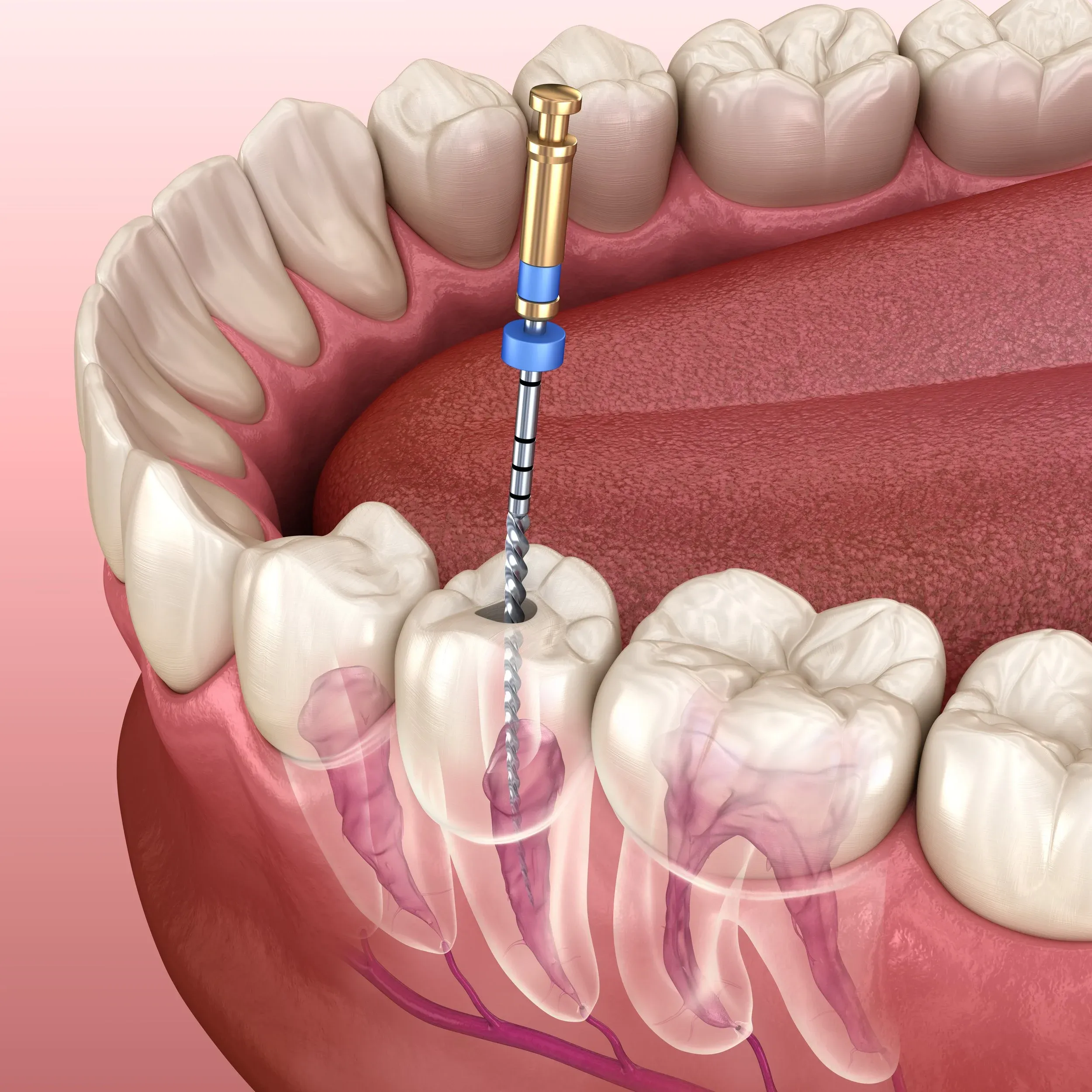
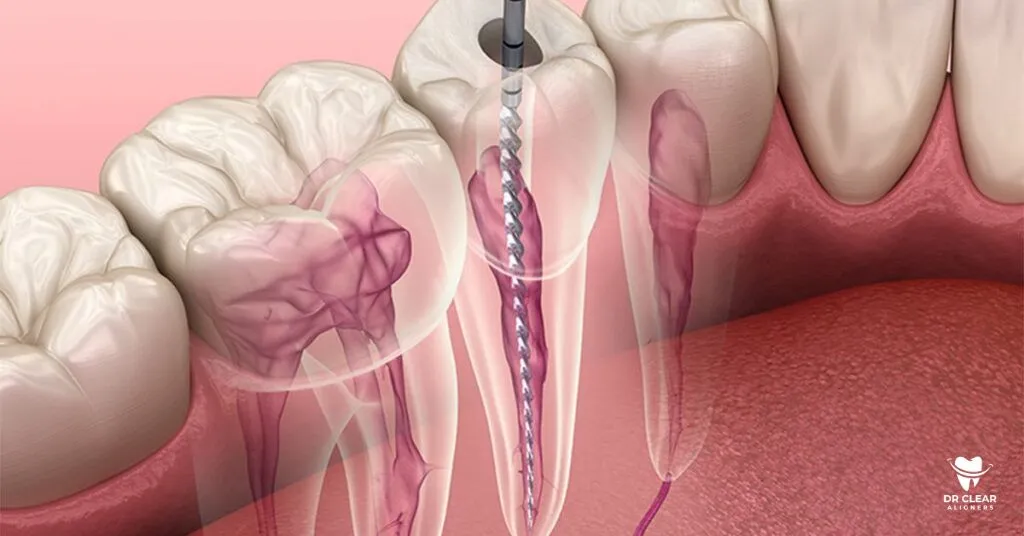
The core of the process is the direct consultation with the endodontist — a dentist who specializes in saving teeth by treating the tooth pulp and surrounding tissues. During this meeting, several important things happen:
- **Symptom Discussion:** You will describe your pain — when it began, whether it worsens at night, and if hot or cold drinks trigger discomfort.
- **Review of Medical Records:** The specialist will look at your X-rays, prior dental work details, and any related health concerns such as diabetes or heart disease, which can influence treatment choices.
- **Diagnosis:** Using advanced diagnostic tools, the dentist will determine whether root canal therapy is necessary, or if another dental procedure would be more suitable.
In Thailand, it’s common for endodontists to patiently answer questions and outline all possible options, so patients feel informed rather than rushed into a decision.
---
### 5. Explanation of the Treatment Plan
If root canal therapy is recommended, the dentist will walk you through:
- The number of visits required.
- Estimated costs, often presented in a transparent breakdown.
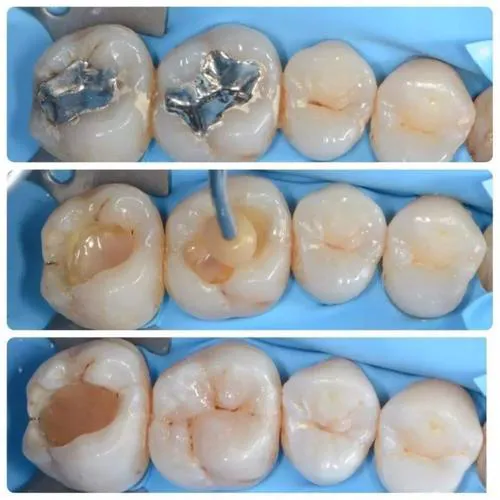
- An overview of the procedure, from anesthetic administration to final restoration.
- Possible risks and how they are minimized.
Many Thai dental clinics emphasize value and quality — combining modern technology with a gentle approach. Clinics serving international clients may also provide cost comparisons or package options, especially in tourist-friendly areas.
---
### 6. Scheduling and Preparation
Once you agree to the treatment plan, the clinic will schedule your procedure and give you preparation instructions. These may include eating a light meal before the appointment, arranging transportation home if sedation is used, and taking or avoiding certain medications. In Thailand, staff often call or message patients via LINE or WhatsApp to remind them of appointments and preparation details.
---
### 7. Cultural Touchpoints in Thai Dental Care
An endodontic consultation in Thailand often reflects local values of kindness and hospitality. A small but appreciated custom in many clinics is offering drinking water or a comfortable seating area while you wait. For expatriates or dental tourists, clinics in Bangkok, Pattaya, and Phuket frequently have English-speaking staff, and some even assist with travel arrangements, making the process seamless from start to finish.
---
### 8. Follow-Up and Aftercare Advice
After the consultation, the dentist may prescribe medication to manage pain or infection before the procedure. You’ll receive aftercare guidelines, such as avoiding hard foods, keeping the affected area clean, and monitoring for signs of increased pain or swelling. In Thailand, follow-up communication is common; clinics often check in a few days later to ensure you’re comfortable.
---
### 9. Why the Consultation Matters
Many people think of root canals as simply sitting in a dentist’s chair while the tooth is treated. However, the consultation stage is vital in creating a personalized plan and avoiding complications. It’s the moment where trust is built between doctor and patient. Given the emphasis on thoroughness, the **Thailand endodontic consultation process** ensures better long-term results and a more comfortable overall experience.
---
### 10. Tips for Patients in Thailand
If you’re planning an endodontic consultation in Thailand, consider these tips:
1. Bring a list of medications you’re taking.
2. Prepare to explain symptoms clearly; photos or notes can help.
3. Don’t hesitate to ask about alternative treatments or cost options.
4. Choose a clinic with modern equipment, especially if you’re in urban centers like Bangkok.
5. Check if your dental insurance or health plan covers the procedure locally.
---
**Conclusion**
Whether you’re a local resident or visiting Thailand for dental tourism, understanding the endodontic consultation process can make a world of difference in your treatment journey. From the friendly first greeting to the clear explanation of your care plan, Thai dental clinics combine professional expertise with cultural warmth. By knowing what to expect, you can approach your consultation with confidence, knowing you’re in capable hands. For anyone experiencing persistent tooth discomfort, taking that first step to book an endodontic consultation in Thailand is a smart move toward restoring both oral health and quality of life.