Thailand Root Canal for Teeth With Old Fillings
**Thailand Root Canal for Teeth With Old Fillings**
If you are living in Thailand or visiting for a holiday and suddenly get tooth pain in a tooth that has already been filled years ago, you are not alone. Many people in Thailand experience dental discomfort in teeth with old fillings, and quite often, the recommended treatment is a root canal. With modern dental techniques and skilled dentists in Thailand, root canal therapy can be a smooth process that restores your oral health and relieves pain. This article will walk you through what a root canal is, why it is sometimes necessary for teeth with old fillings, and what you can expect when getting this treatment in Thailand.
### Why Old Fillings May Lead to a Root Canal
Dental fillings are meant to repair cavities and protect the tooth, but they do not last forever. Over time, due to chewing, grinding, and temperature changes from hot and cold food or drinks, fillings can wear down. In Thailand’s tropical climate, people enjoy a variety of foods — from steaming hot tom yum soup to ice-cold Thai iced tea — and this regular shift in temperature inside the mouth can make fillings expand and contract, creating tiny gaps.
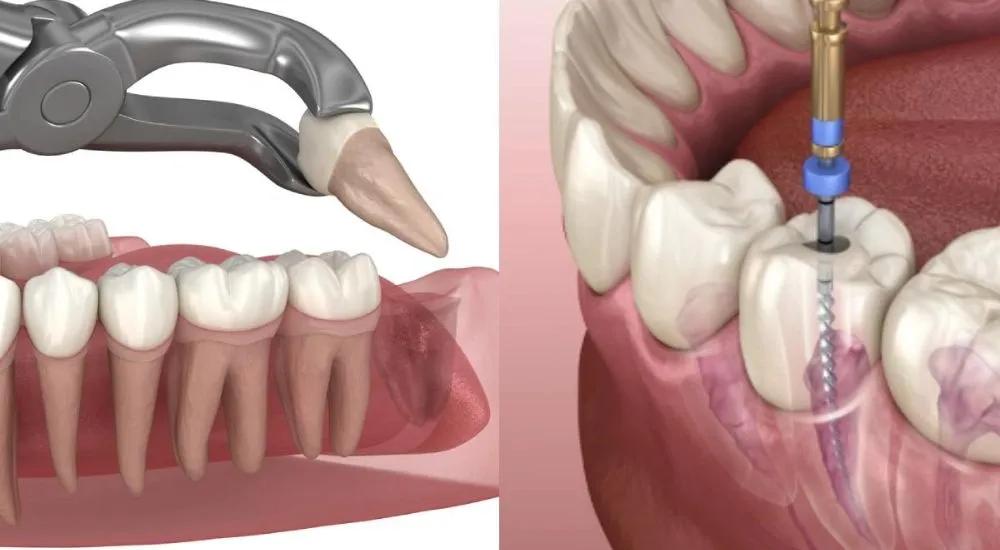
Once a filling becomes loose, chipped, or cracked, bacteria can enter through these gaps and reach the inner layer of the tooth, known as the pulp. The pulp contains nerves and blood vessels. When bacteria infect the pulp, it can cause inflammation, pain, and swelling. In such situations, a root canal becomes necessary to remove the infected tissue and save the tooth.
### Signs You May Need a Root Canal in Thailand
If you have an old filling and you experience one or more of the following symptoms, it’s wise to visit a dentist:
- Persistent toothache, especially when chewing or applying pressure
- Sensitivity to hot or cold drinks that lingers even after the source is removed
- Swelling or tenderness in nearby gums
- Darkening or discoloration of the tooth
- A small pimple-like bump on the gums near the tooth
Because dental issues can worsen quickly in a humid climate, getting timely treatment in Thailand is essential.
### How Root Canal Treatment Works in Thailand
Thailand is known for high-quality dental care, especially in cities like Bangkok, Chiang Mai, and Phuket. Many clinics cater to both locals and international patients, offering advanced technology and English-speaking staff.
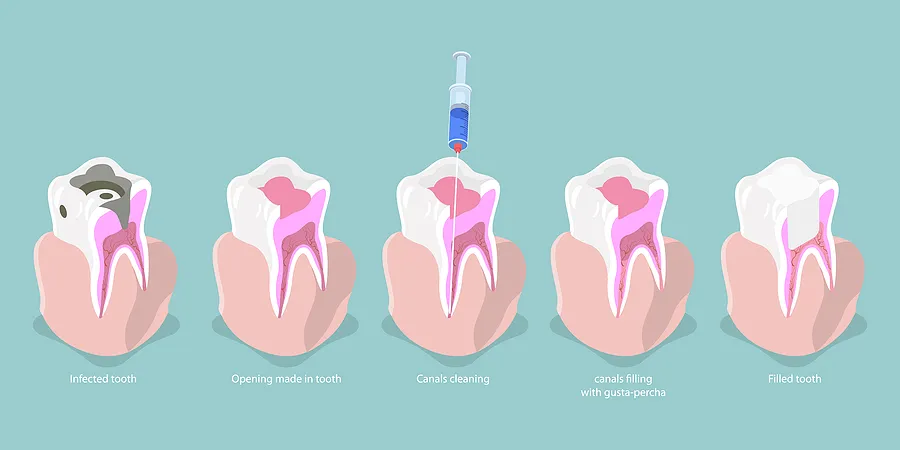
When you go in for a root canal for a tooth with an old filling, the process usually follows these steps:
1. **Diagnosis and X-ray** – The dentist will take an X-ray to check the extent of the infection around the tooth.
2. **Local Anesthesia** – A numbing injection will be given so you remain comfortable during the procedure.
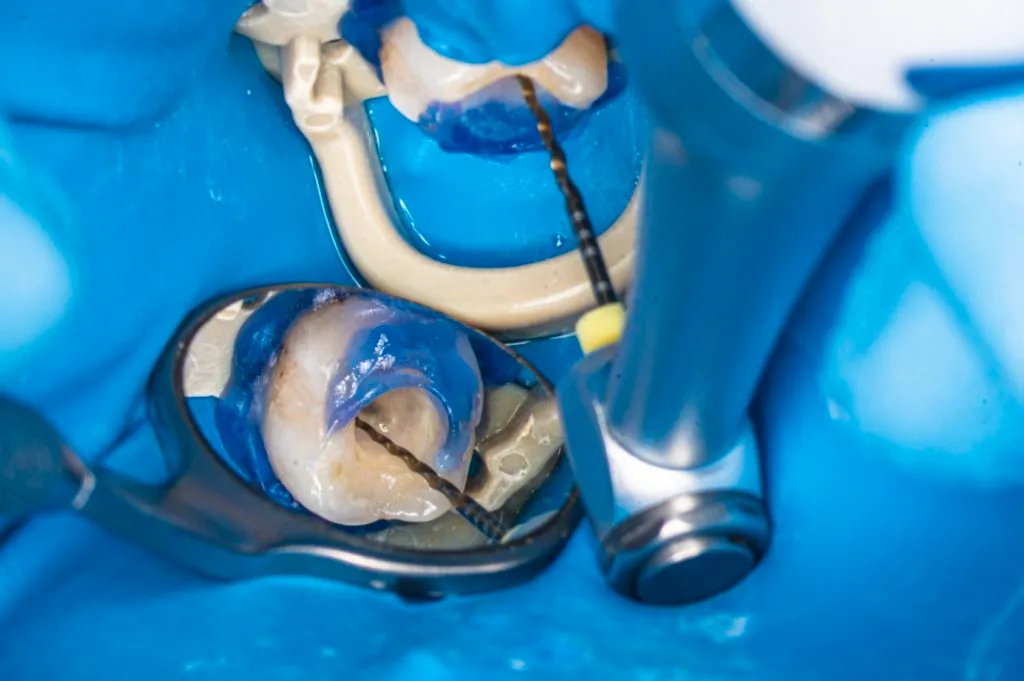
3. **Access Opening** – T
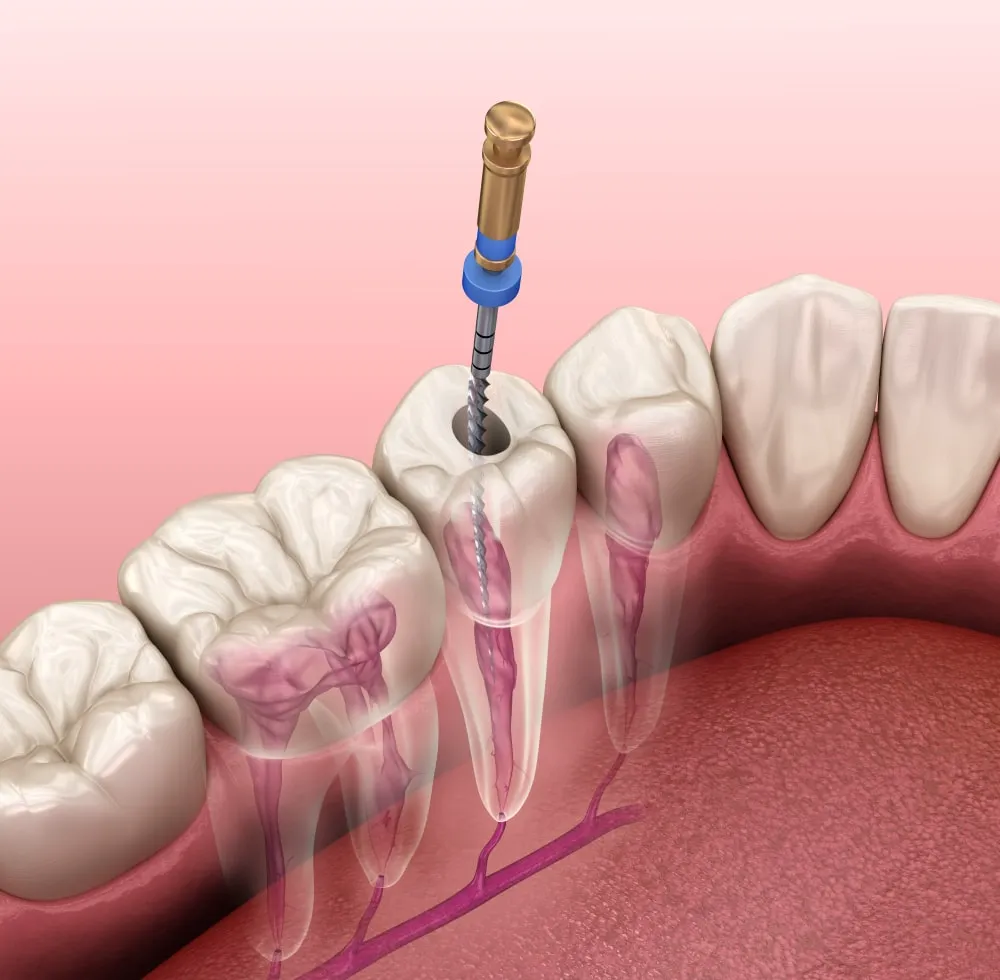
he dentist will remove the old filling and drill a small opening to reach the pulp chamber.
4. **Cleaning and Shaping** – Infected pulp tissue is removed, and the inside of the tooth is cleaned and shaped for sealing.
5. **Filling the Canals** – The canals are filled with a special material to prevent future infection.
6. **Restoration** – The tooth is restored with a new filling or a dental crown for extra strength.
Most root canals in Thailand can be completed in one or two visits, depending on the case.
### Benefits of Choosing Root Canal in Thailand
There are several advantages to having root canal treatment in Thailand, especially for teeth with old fillings:
- **Professional Expertise** – Thai dentists often have international training and experience.
- **Modern Facilities** – Many clinics use digital imaging, rotary tools, and advanced sterilization methods.
- **Affordable Prices** – Costs are generally lower than in Western countries, making Thailand a popular dental tourism destination.
- **Welcoming Environment** – Clinics often provide friendly service with cultural sensitivity, helping you feel relaxed.
### Caring for Your Tooth After the Root Canal
After the procedure, your tooth may feel sensitive for a few days, especially when chewing. Following your dentist’s instructions is important. Here are some tips:
- Avoid chewing on hard or sticky food with the treated tooth until fully restored.
- Maintain good oral hygiene by brushing twice a day and flossing daily.
- Schedule follow-up visits in Thailand if you are staying for an extended period, or arrange care when you return home.
- If you receive a temporary filling, make sure to return for your permanent restoration promptly.
### Preventing Future Problems With Fillings
To avoid another root canal in the future, it’s best to care for your fillings properly:
- Visit a dentist in Thailand for routine check-ups every six months.
- Replace fillings when they show signs of wear or damage.
- Limit sugary foods and drinks, as they increase the risk of decay.
- Wear a mouthguard if you grind your teeth at night.
### Conclusion
A tooth with an old filling is not immune to problems, and in Thailand’s vibrant food culture and tropical climate, wear and tear can happen faster than you expect. If painful symptoms appear, a root canal may be the solution to save your tooth, avoid extraction, and restore comfort. Thanks to Thailand’s skilled dentists, modern clinics, and reasonable prices, the process can be straightforward and stress-free. Whether you are a local resident or a visitor, don’t ignore tooth pain — with timely root canal treatment, you can get back to enjoying Thailand’s delicious dishes and warm smiles without discomfort.
 collect
Hospitals included




Products included




Suggested reads