Thailand Tooth Nerve Removal Explained

Thailand Tooth Nerve Removal Explained
**Thailand Tooth Nerve Removal Explained**
For many people living in or visiting Thailand, dental care is more accessible and more affordable than in many Western countries. One treatment that often raises questions is tooth nerve removal — more formally known as root canal therapy. This procedure might sound intimidating, but understanding what it involves, why it’s done, and how it’s handled in Thailand can go a long way in easing concerns. Let’s walk through the process step-by-step so you can feel confident about your decision.
---
### **What Is Tooth Nerve Removal?**
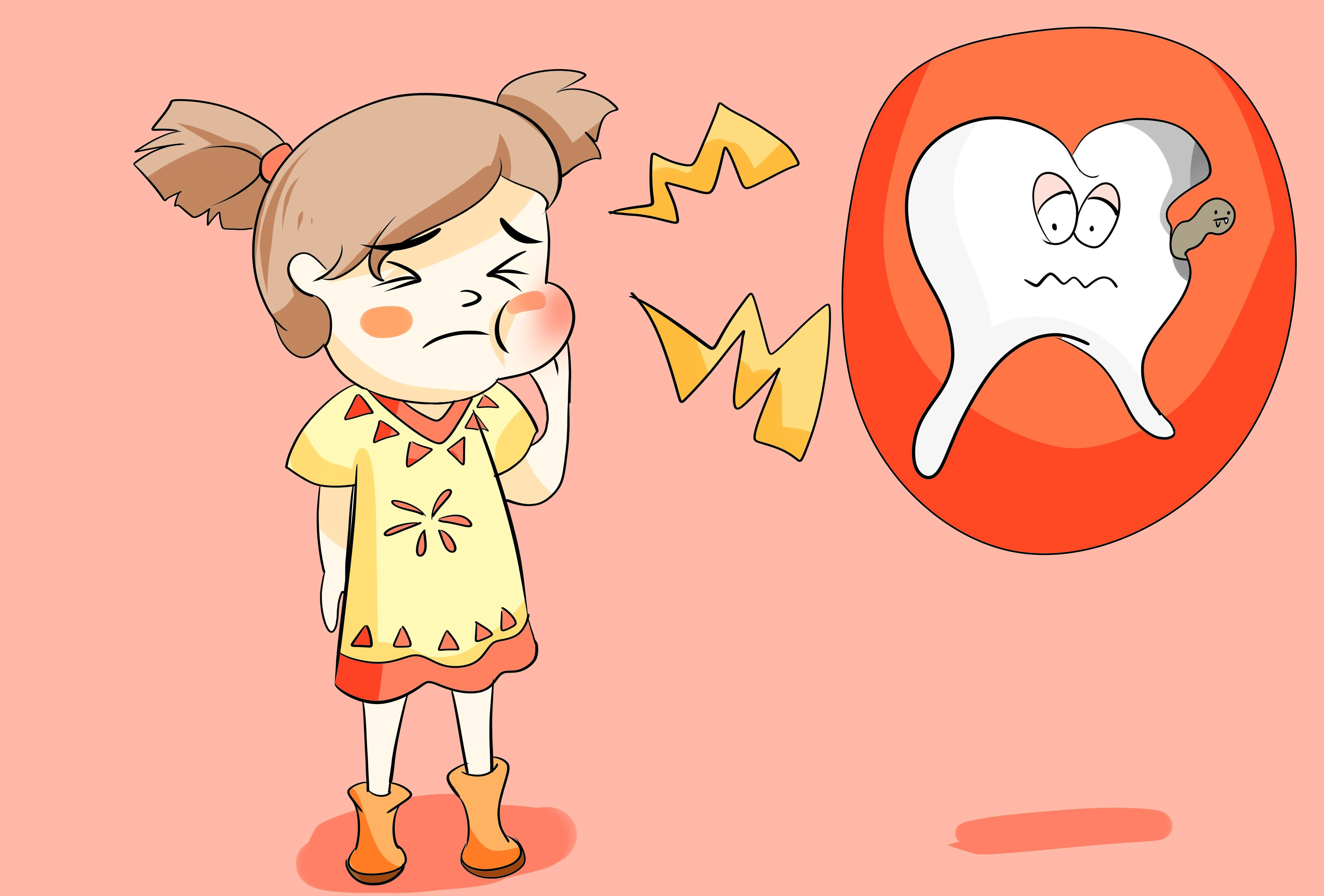
Tooth nerve removal is the process of eliminating the infected or damaged pulp — the soft tissue inside your tooth that contains blood vessels and nerves. When this pulp becomes inflamed or infected, usually due to deep decay, cracks, or trauma, it can lead to severe pain or swelling.
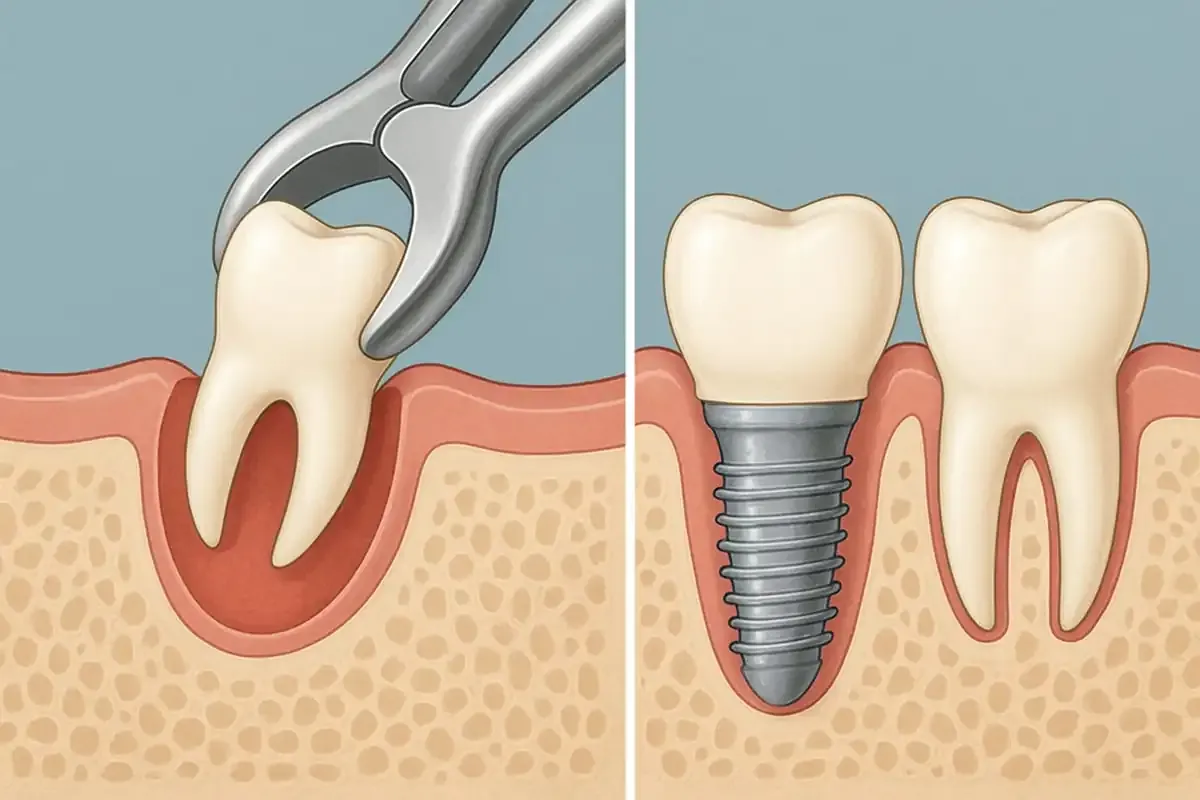
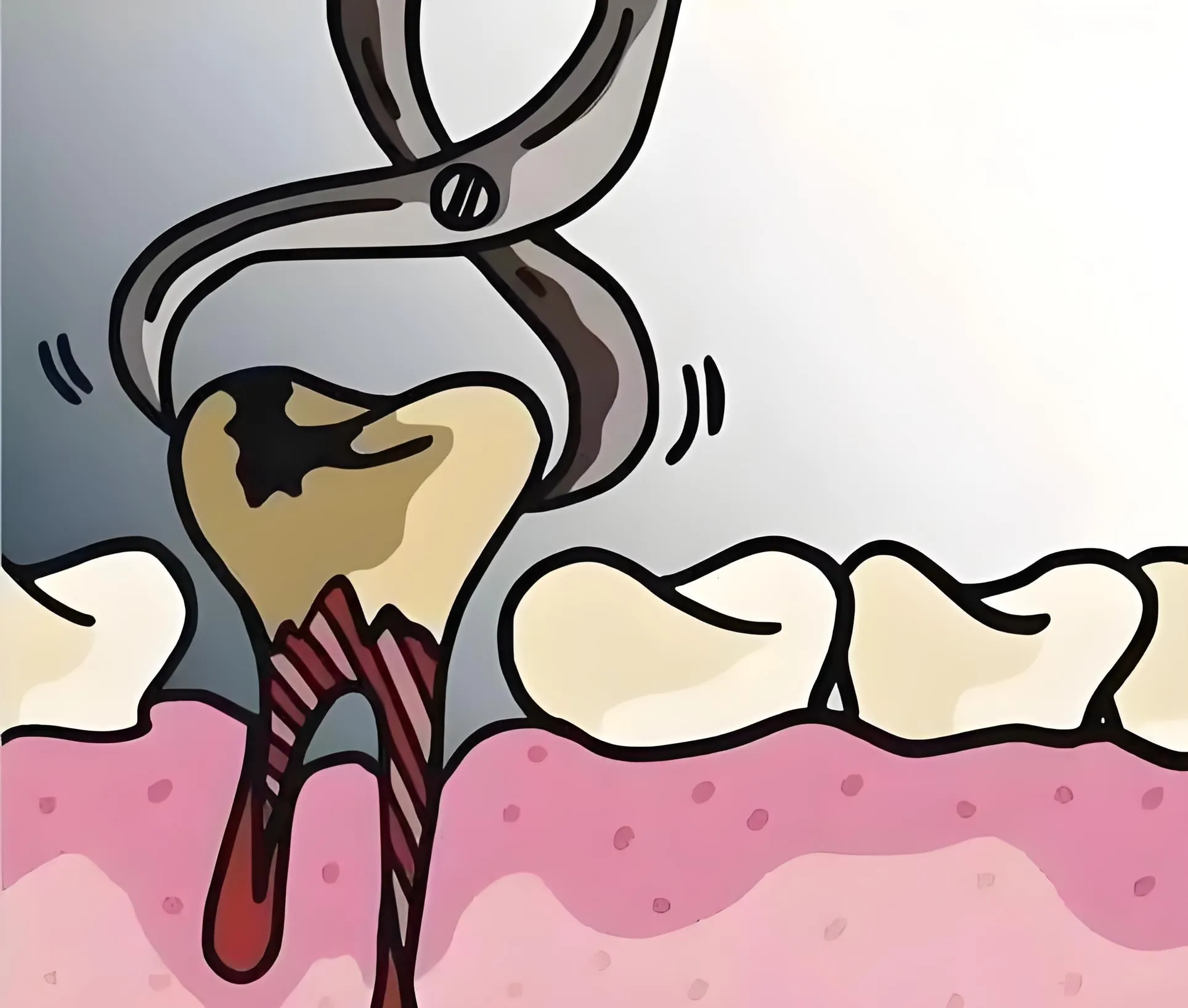
A qualified dentist or endodontist in Thailand will perform the procedure to save the natural tooth and relieve discomfort, instead of removing the tooth altogether. That’s why locals often see it as a way to “keep your own tooth” rather than relying on artificial replacements.
---
### **Why You May Need This Treatment**
In Thailand, dentists often advise tooth nerve removal when:
- You have a deep cavity that has reached the nerve.
- An old filling has failed and allowed bacteria to enter.
- You’ve had a strong impact or injury that damages the pulp.
- You’re experiencing ongoing tooth sensitivity to hot or cold.
- Swelling, gum pimples, or facial discomfort point to an underlying infection.
Ignoring these symptoms might cause the infection to spread, which not only increases pain but also risks affecting other parts of the mouth or even your overall health.
---
### **How It’s Done in Thailand**
Dentistry in Thailand is known for being patient-friendly and thorough. In most modern clinics, here’s what you can expect:
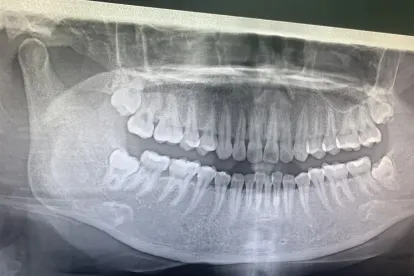
1. **Consultation and X-ray** – The dentist will check your tooth visually and take an X-ray to understand the extent of the damage and locate the infection.
2. **Anesthesia** – Don’t worry about pain; local anesthesia will numb the area completely before the procedure starts. Many Thai dentists take extra care to ensure patients are comfortable and calm.
3. **Opening the Tooth** – A small opening is made to access the pulp chamber.
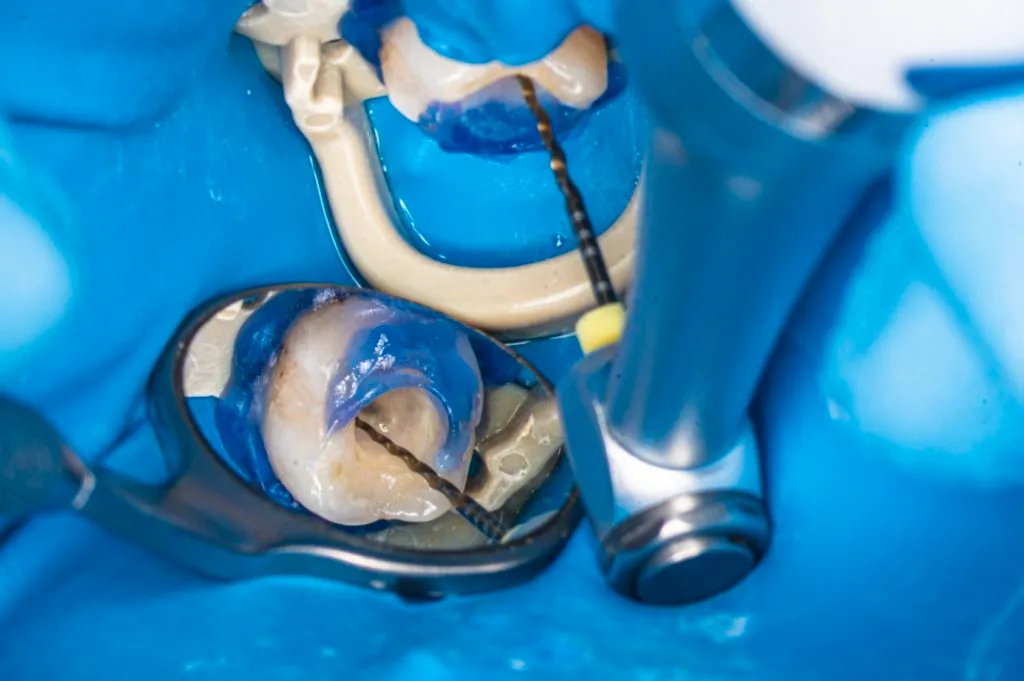
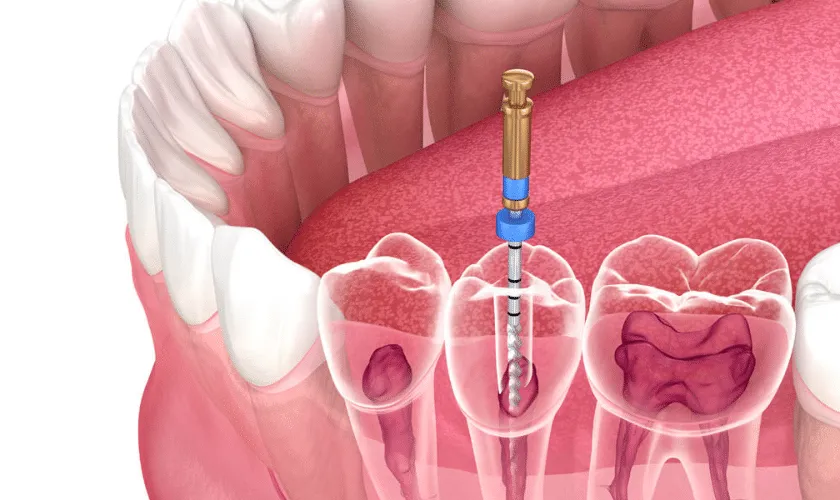
4. **Removing the Nerve** – Using precise dental tools, the infected pulp and nerve tissue are removed.
5. **Cleaning and Shaping** – The inside of the tooth is cleaned to remove bacteria, then shaped to prepare for filling.
6. **Filling the Canal** – The cleaned canal is filled with a special dental material to seal it off from future infection.
7. **Temporary or Permanent Crown** – Often, a crown is recommended to protect the tooth. In Thailand, many clinics can prepare a temporary crown quickly and later replace it with a permanent one.
---
### **Pain and Recovery Concer
ns**
A common question from both locals and international patients is whether tooth nerve removal hurts. In Thailand, dentists emphasize gentle techniques and effective anesthesia, so most patients feel only mild pressure during the procedure.
After the treatment, some tenderness or slight discomfort when chewing is normal for a few days. Dentists may prescribe pain-relief medication or suggest over-the-counter options. Warm saltwater rinses, which are a popular home remedy here, can also help soothe the gums. Avoid biting hard foods until the tooth is fully restored with a crown.
---
### **Costs and Insurance**
Compared to many countries, Thailand offers high-quality dental care at more affordable prices. Costs can vary depending on the clinic, location, and complexity of the case, but a typical tooth nerve removal might range from THB 4,000 to THB 12,000.
Many clinics in Bangkok, Chiang Mai, Phuket, and Pattaya provide clear price lists and explain exactly what’s included — from X-rays to follow-up visits. If you have private dental insurance that covers treatments in Thailand, it’s worth asking for a pre-approval to avoid surprises.
---
### **Choosing the Right Clinic**
When selecting a clinic in Thailand for tooth nerve removal:
- **Check Qualifications** – Look for dentists registered with the Dental Council of Thailand.
- **Modern Equipment** – Digital X-rays, rotary instruments, and sterile techniques can make the process safer and faster.
- **Patient Reviews** – Online platforms and local communities often share honest feedback about their experiences.
- **Language Support** – Many clinics catering to international patients have English-speaking staff, making communication smooth.
Locals often recommend visiting dental schools in major cities; they offer quality care supervised by experienced professionals, sometimes at lower rates.
---
### **Prevention for the Future**
In Thailand, there’s a strong emphasis on prevention to avoid repeat treatments:
- Brush twice a day with fluoride toothpaste.
- Floss daily to remove plaque between teeth.
- Visit your dentist every 6 months for cleaning and check-ups.
- Reduce sugary snacks — Thai sweets are delicious, but too much can lead to cavities.
- Wear a mouthguard when playing sports to protect teeth from injury.
---
### **Final Thoughts**
Tooth nerve removal in Thailand isn’t something to fear. Thanks to advanced technology, skilled dentists, and patient-centered care, the procedure is straightforward and effective. Whether you’re a local resident or a visitor seeking affordable and professional dental services, you can expect thorough explanations, gentle handling, and clear follow-up instructions.
By understanding what tooth nerve removal involves and taking preventive steps afterward, you can keep your smile healthy and strong — and enjoy Thailand’s vibrant lifestyle without dental pain holding you back.
---