Thailand Root Canal Care Before Crown Placement
Thailand Root Canal Care Before Crown Placement
**Thailand Root Canal Care Before Crown Placement**
When you think of dental treatment in Thailand, the first thing that often comes to mind is the country’s reputation for skilled dentists, modern clinics, and warm hospitality. For many locals and expats living in the Land of Smiles, dental care has become a comfortable and affordable part of life. One of the most important procedures you might experience here is a root canal, often followed by the placement of a dental crown. Understanding how to care for your tooth after a root canal but before the crown is placed is essential to make sure your smile stays healthy and strong.
---
### **Why Root Canal Treatment Is Common in Thailand**
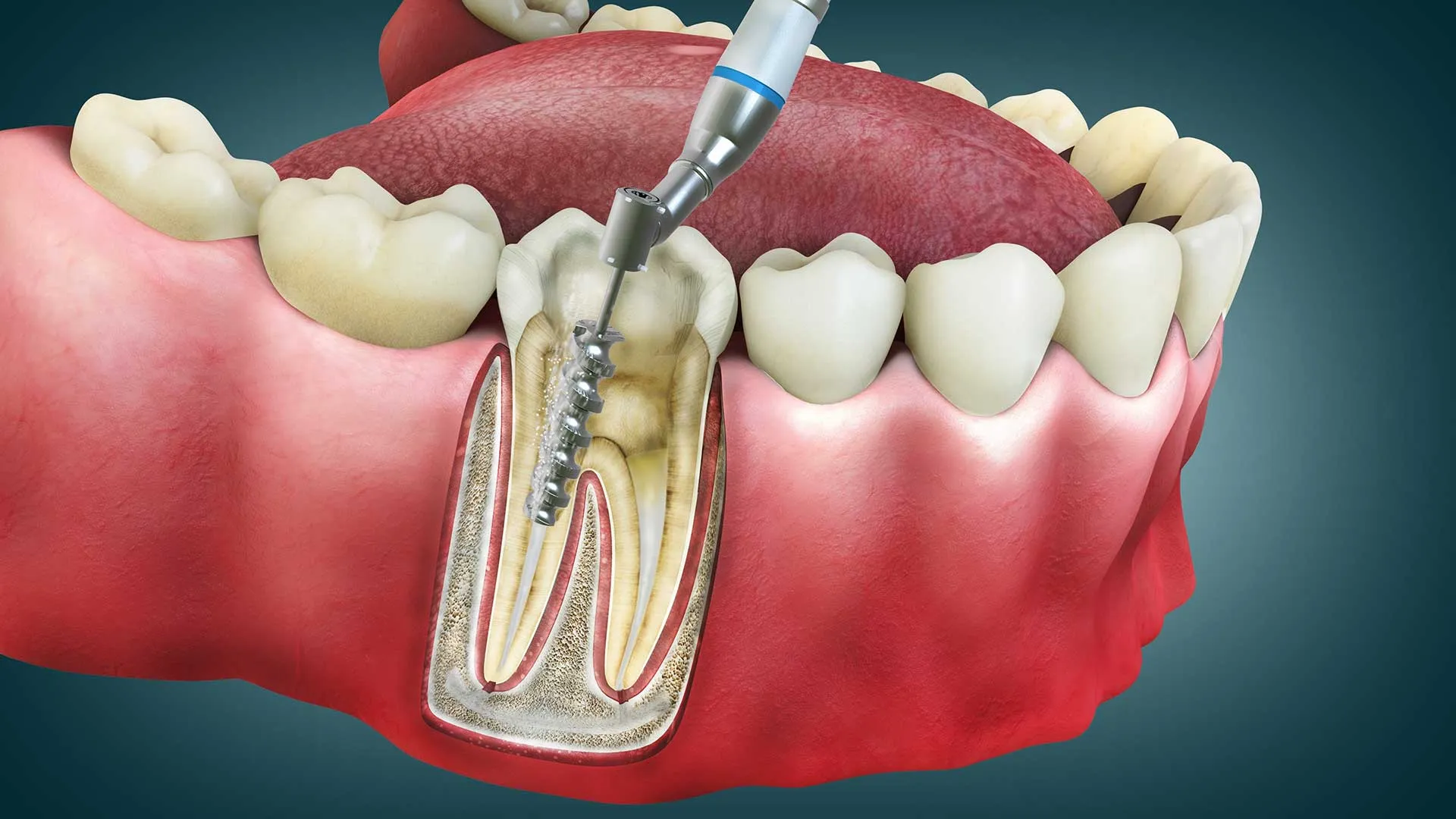
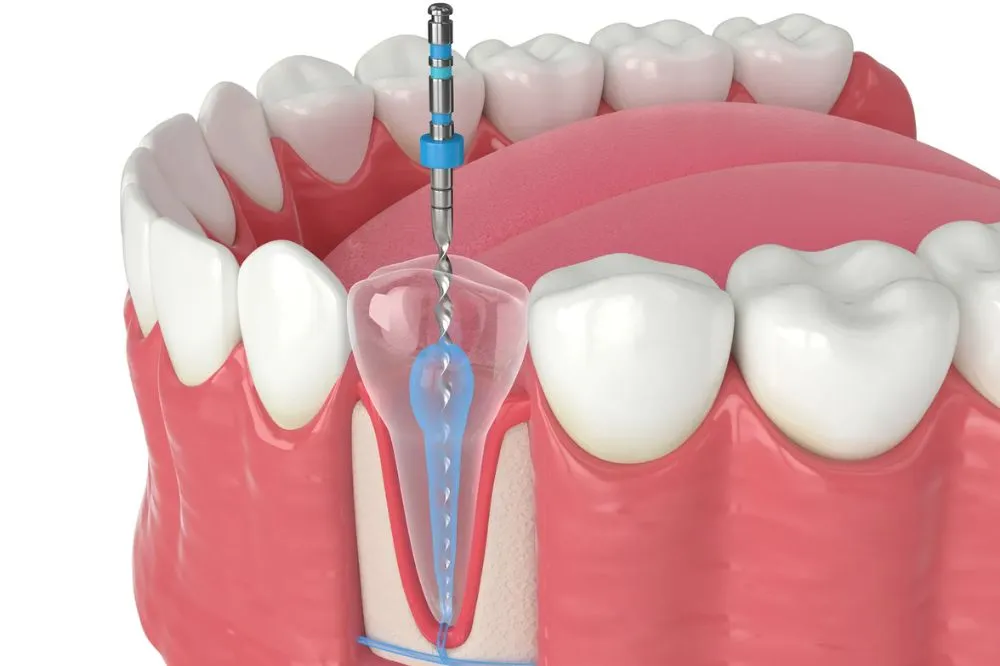
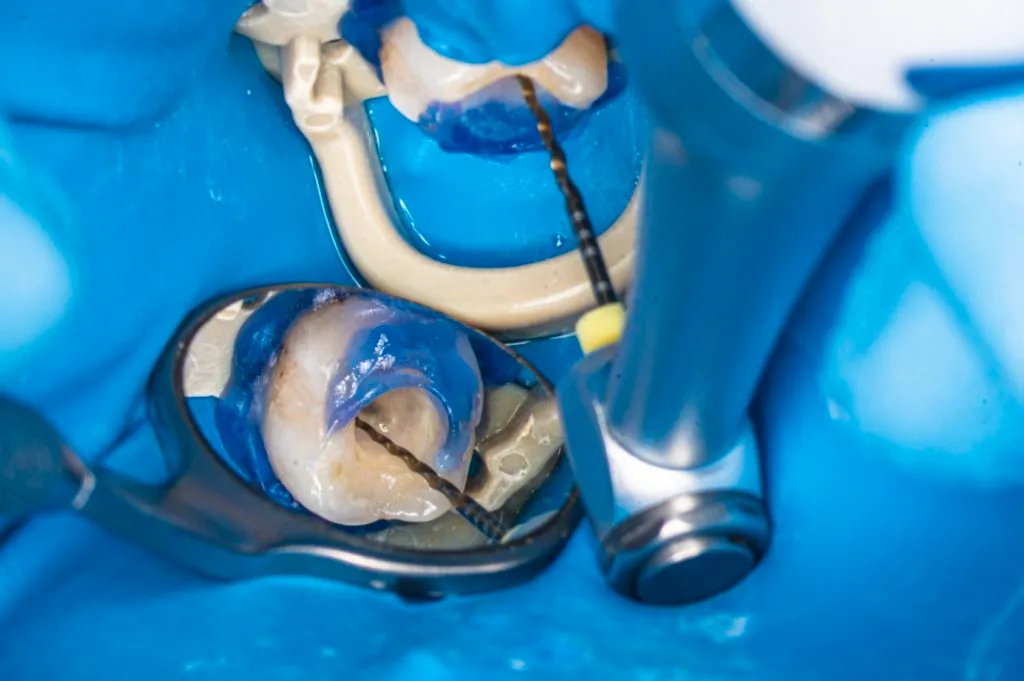
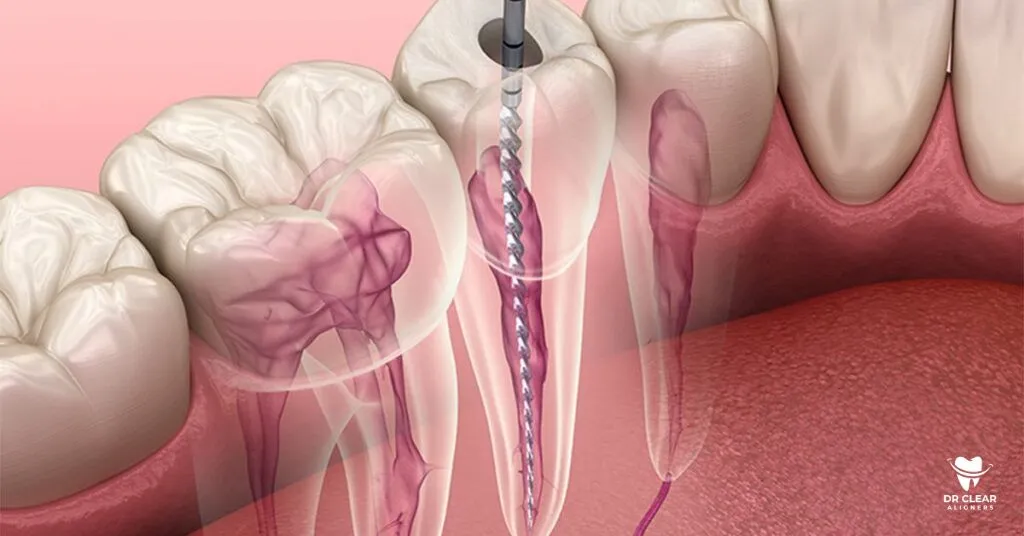
A root canal is performed when the inner pulp of the tooth becomes infected or damaged. This can happen due to decay, cracks, or trauma. In Thailand, dentists in both big cities like Bangkok and Chiang Mai, as well as smaller towns, are well-trained in modern root canal techniques. Clinics often use advanced equipment and sterilization standards, giving patients peace of mind.
Because dental tourism is popular, many clinics cater to both Thai locals and foreigners, offering clear explanations, transparent pricing, and even English-speaking support. Whether you’re visiting for holiday or living long-term, you’ll find that root canal treatment here is handled with both efficiency and care.
---
### **Why a Crown Is Needed After a Root Canal**
After a root canal, the tooth is no longer “alive” because the pulp has been removed. While it can still function, it becomes more brittle and prone to cracking. Placing a dental crown over the treated tooth helps restore full strength and protects it from damage.
In Thailand, dentists usually recommend placing a crown within a few weeks after the root canal. This timing ensures the tooth is well-protected before any major chewing impacts affect it. However, sometimes a temporary gap occurs — for example, waiting for a custom crown to be made or fitting your schedule around the clinic’s appointment availability.
During this waiting period, your tooth still needs special attention. Proper care can prevent issues that could delay crown placement or even compromise your root canal results.
---
### **Immediate Care After the Root Canal**
The first 24 to 48 hours after a root canal in Thailand — like anywhere else — are crucial for recovery. You may experience mild discomfort or sensitivity, which is normal. Here are some tips Thai dentists often recommend:
1. **Follow Medication Instructions** – If your dentist prescribes antibiotics or pain relief tablets, take them exactly as advised. Even if you start to feel better quickly, completing the course is important for preventing infection.
2. **Avoid Chewing on the Treated Side** – Many Thais are used to enjoying dishes like som tum (papaya salad) or crispy fried snacks, but hard or crunchy foods could damage the temporary filling. Chew on the opposite side until your crown is in place.
3. **Keep the Area Clean but Gentle** – Brush your teeth as usual, but be gentle around the treated area. A soft-bristled toothbrush is preferable, and rinsing with mild saline water can help soothe the gums.
---
### **Between Root Canal and Crown: Extra Precautions**
In Thailand, it’s co
mmon to have a short waiting period between your root canal and crown appointment, especially if the crown requires custom fitting. During this time, dentists often place a temporary restoration over the tooth. This is not as durable as a permanent crown, so a bit of extra caution is needed:
- **Skip Sticky or Chewy Foods** – Local favourites like sticky rice or chewy desserts such as kanom chan might pull at the temporary filling. Choosing soft rice or easy-to-chew curries is safer.
- **Minimise Hard Bites** – Be careful with nuts, ice cubes, or crispy pork. These can crack the temporary surface or damage the tooth.
- **Watch for Signs of Trouble** – If you notice swelling, persistent pain, or the temporary filling feels loose, contact your dentist immediately. In Thailand, most clinics can arrange quick follow-up visits, even on short notice.
---
### **Maintaining Oral Hygiene During the Waiting Period**
Just because your tooth has been treated doesn’t mean oral hygiene can be relaxed. In fact, keeping the mouth clean is even more important now:
- **Brush Twice Daily** with fluoride toothpaste to strengthen surrounding enamel.
- **Floss Carefully** around other teeth, but avoid pulling too hard near the temporary restoration.
- **Consider Antibacterial Mouthwash** for additional protection against plaque and bacteria buildup.
Some Thai dentists also recommend herbal rinses as supplementary care. While traditional remedies are popular here, always confirm with your dentist before using anything new, just to ensure it won’t interfere with healing.
---
### **Preparing for Crown Placement in Thailand**
When it’s time for your crown appointment, your dentist will remove the temporary restoration and check the tooth’s condition. If everything looks healthy and strong, the permanent crown will be fitted. Thai dental clinics often offer options like porcelain-fused-to-metal crowns, full ceramic crowns, or even zirconia crowns, depending on your needs and budget.
It’s worth discussing longevity, aesthetics, and cost with your dentist before you decide. Many patients in Thailand appreciate how dentists take time to explain the benefits and downsides in simple, understandable terms.
---
### **Long-Term Benefits of Good Root Canal Care**
Root canal treatment followed by crown placement can restore full functionality, allowing you to enjoy Thailand’s diverse cuisine without worry. With proper aftercare, a crowned tooth can last for many years.
Moreover, prioritising care between these two steps reduces the risk of complications, saves money on possible repair work, and ensures your final crown fits perfectly.
---
### **Final Thoughts**
In Thailand, dental care blends modern technology with a friendly, patient-centred approach. If you’ve had a root canal, taking just a little extra precaution before your crown is placed makes a big difference. Avoid hard and sticky foods, keep your mouth clean, follow your dentist’s advice, and book your crown appointment as soon as possible.
Whether you’re a local enjoying street food in Bangkok or a visitor exploring Chiang Mai’s night market, your smile deserves protection. With proper care, your post-root canal tooth will be ready for a crown — and you’ll be free to enjoy every bite Thailand has to offer.