Thailand Root Canal for Molar Nerve Exposure
**Thailand Root Canal for Molar Nerve Exposure**
When you’re enjoying spicy som tam or biting into crispy fried chicken, the last thing you want is a sudden, sharp pain shooting through your molar. In Thailand, many people experience molar nerve exposure due to deep tooth decay, cracks, or prolonged neglect of dental issues. One of the most reliable solutions is a root canal treatment — a procedure that preserves your natural tooth and restores comfortable chewing. Whether you’re a local or an expat living in Bangkok, Chiang Mai, or Phuket, understanding how root canal therapy works and what to expect can ease your worries and help you prepare for dental care.
---
### **What is Molar Nerve Exposure?**
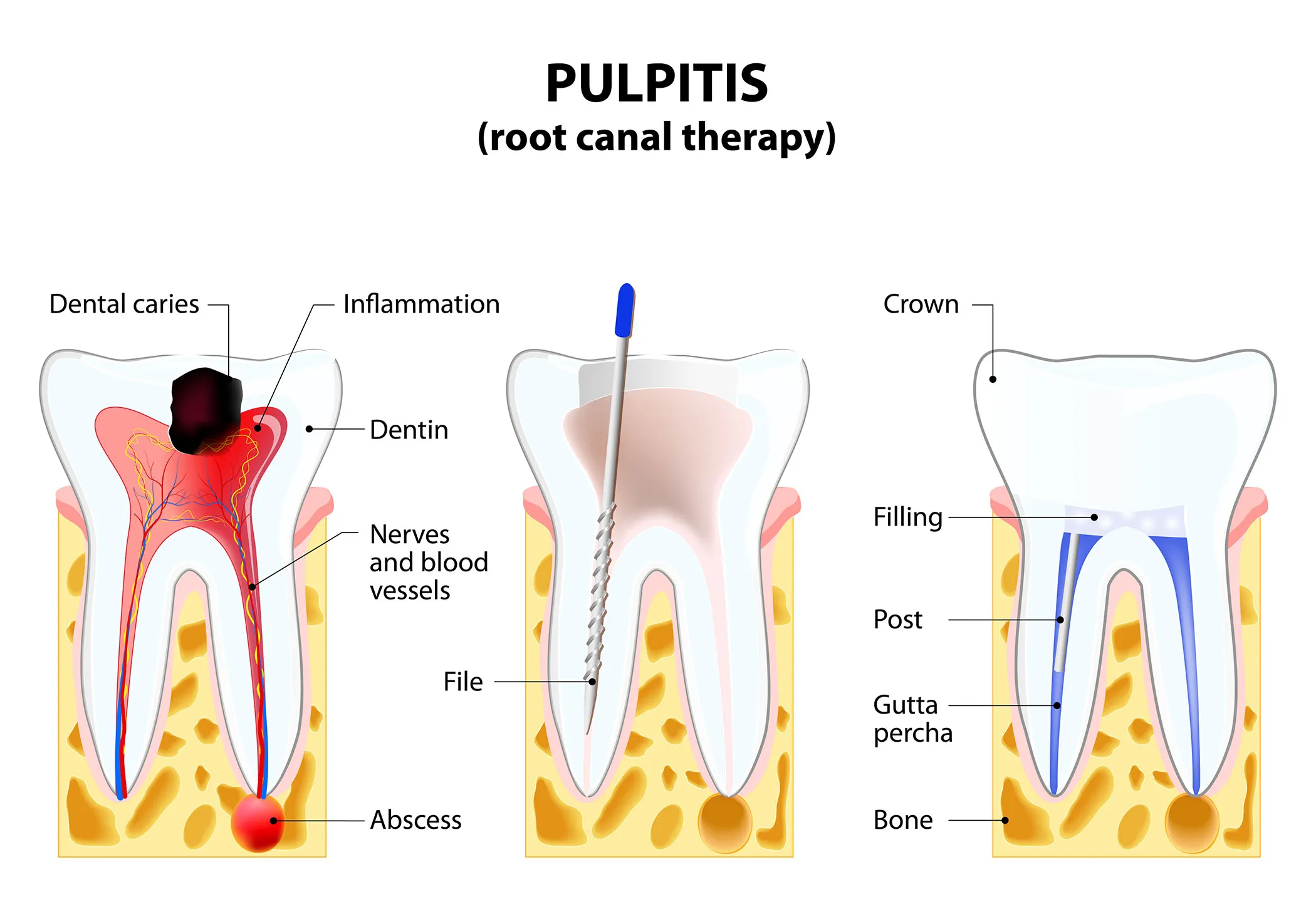
Molar nerve exposure happens when the inner pulp of the tooth — where the nerves and blood vessels are — becomes visible or affected, usually caused by severe decay, trauma, or large fillings wearing down. Thais often describe the sensation as “tooth pain shooting to the head,” especially when eating hot, cold, or sweet foods. Once the nerve is exposed, pain can be constant or triggered by simple actions like sipping iced coffee.
If left untreated, nerve exposure can lead to infections, swelling of the gums, and even damage to surrounding teeth. That’s why many dentists in Thailand recommend timely root canal therapy to save the tooth and prevent further complications.
---
### **Root Canal Treatment in Thailand**
In Thailand, root canal therapy for molars is performed by general dentists or endodontists (specialists in tooth roots). The procedure follows international dental standards and is widely available in urban clinics and hospitals. Cities such as Bangkok, Pattaya, and Chiang Mai have modern facilities equipped with digital X-rays, rotary instruments, and microscopic tools for precision.
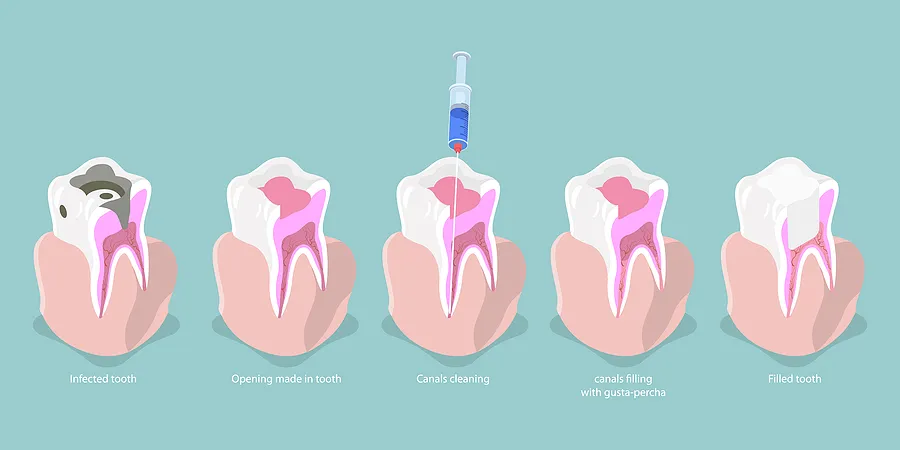
The process typically involves:
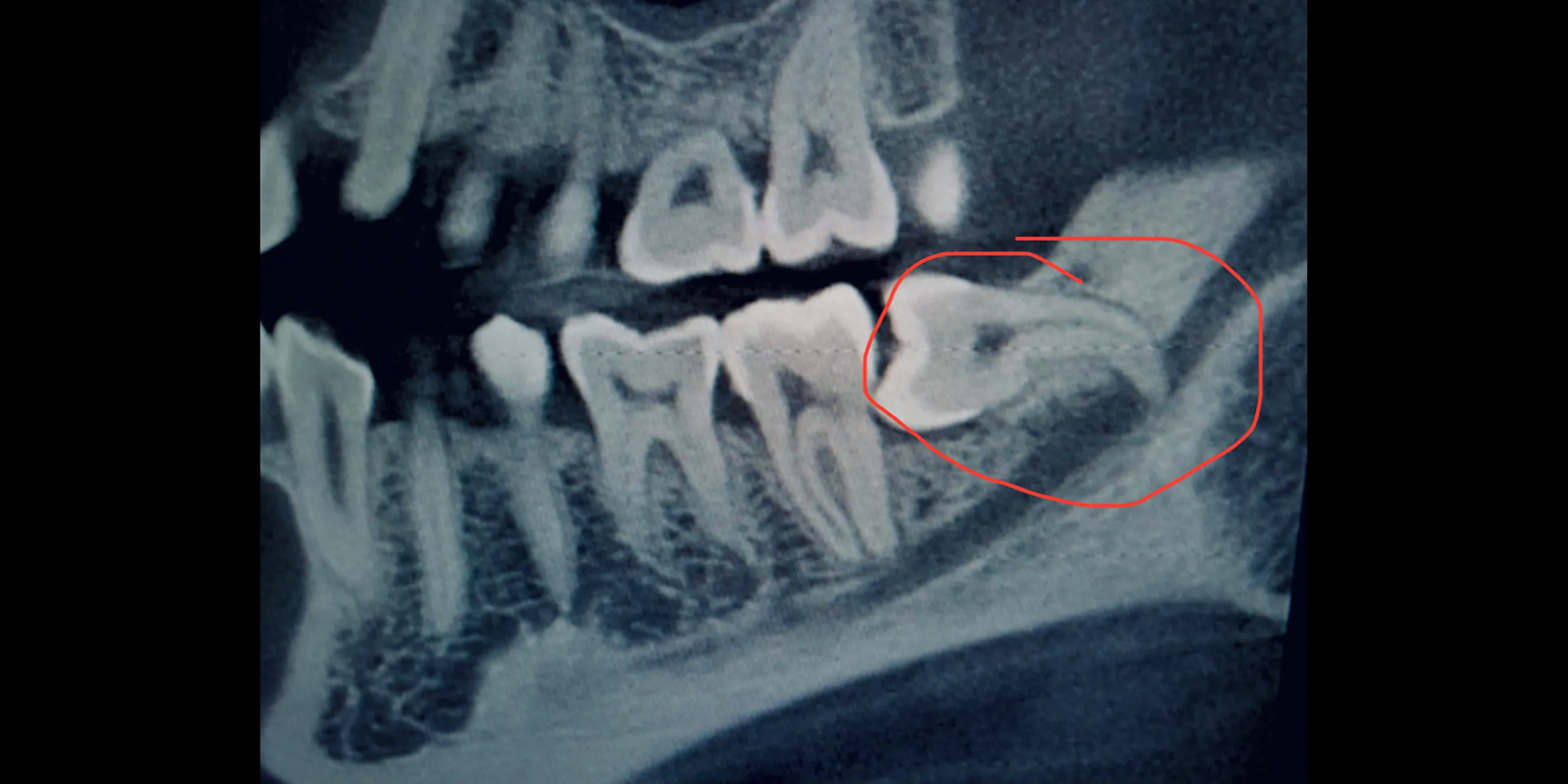
1. **Diagnosis and X-ray** – The dentist examines the tooth and takes an X-ray to confirm the extent of nerve damage.
2. **Local Anesthesia** – Contrary to popular fear, the procedure is virtually painless due to effective anesthesia.
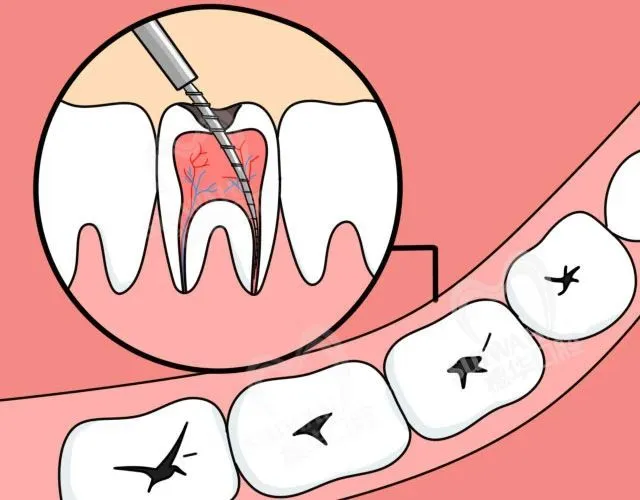
3. **Cleaning the Root Canals** – The dentist removes infected pulp and bacteria from inside the roots.
4. **Shaping and Filling** – Channels are shaped and sealed with a biocompatible material.
5. **Crown Placement** – A crown is often advised to protect the molar from fractures after treatment.
---
### **Why Choose Thailand for Root Canal Treatment?**
**1. Skilled Dentists**
Thailand has a reputation for producing highly trained dental professionals, many of whom have studied abroad or attended international conferences. Their experience in dealing with diverse patients, including tourists, helps ensure professional and approachable service.
**2. Modern Equipment**
From LED curing lights to advanced rotary tools, dental clinics here often invest in up-to-date technology, enhancing accuracy and reducing treatment time.
**3. Affordable Costs**
Compared to Western countries, ro
ot canal treatments in Thailand — even for molars, which usually require more work — are significantly more affordable. For example, a molar root canal plus crown might cost 8,000–15,000 baht depending on complexity and materials used.
**4. Accessible Locations**
Whether you live near Sukhumvit in Bangkok or by the beach in Hua Hin, dental clinics are easy to find, and many offer same-day appointments for emergency cases.
---
### **Common Signs You Might Need a Root Canal**
If you notice these symptoms, it’s time to book a dental consultation:
- Persistent toothache that doesn’t go away after painkillers
- Sensitivity to hot or cold that lingers
- Swelling or tenderness around the gums
- Darkening of the affected tooth
- Pain when chewing, even soft foods
Ignoring these warning signs can worsen nerve exposure and lead to tooth loss.
---
### **Recovery and Aftercare**
After your root canal in Thailand, you’ll likely resume normal activities in a day or two. Dentists often recommend avoiding hard or sticky foods until a permanent crown is fitted. Good oral hygiene — brushing twice daily, flossing, and routine check-ups — prevents reinfection.
Many Thai dentists also advise rinsing with salt water for minor gum irritation, a common household tip here. If you experience new swelling or pain after the procedure, don’t delay in contacting your clinic, as early intervention can prevent further damage.
---
### **Tips for a Smooth Experience**
- **Ask for a Cost Estimate** – Thai clinics usually provide transparent pricing before treatment begins.
- **Check English Communication** – If you’re an expat or tourist, choose a clinic where staff can explain procedures clearly in English.
- **Consider Travel Time** – Some treatments require multiple visits; choose a location that’s easy to access.
- **Inquire About Crown Options** – Porcelain or zirconia crowns last longer and look more natural.
---
### **Preventing Future Nerve Exposure**
While root canals are effective, prevention is always better. In Thailand’s warm and humid climate, sugary drinks, frequent snacks, and acidic foods can accelerate decay. Here’s how to protect your molars:
- Visit your dentist every 6 months for cleaning and check-ups.
- Limit sugary street snacks like khanom wan (Thai desserts) to occasional treats.
- Use fluoride toothpaste to strengthen enamel.
- Wear a mouthguard if you play contact sports.
---
### **Final Thoughts**
Dealing with molar nerve exposure can be stressful, but in Thailand, root canal treatment offers a safe, effective, and affordable solution. Thanks to skilled dentists, advanced technology, and accessible clinics, both locals and visitors can restore their dental health without excessive cost or discomfort. Whether your pain started while enjoying hot tom yum soup or after a bite of mango sticky rice, knowing the root canal process will help you move forward with confidence — and keep your smile strong for years to come.
 collect
Hospitals included




Products included

Suggested reads