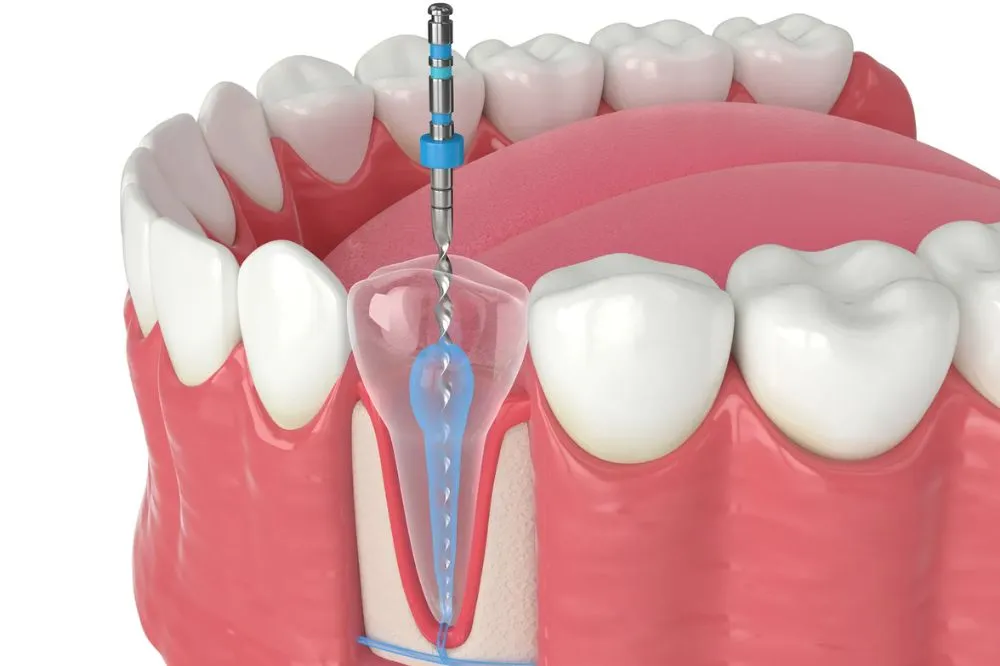
Thailand Root Canal for Infected Pulp Tissue
**Thailand Root Canal for Infected Pulp Tissue**
If you are living in Thailand or visiting for a holiday and suddenly experience severe tooth pain, you might be dealing with an infected pulp tissue. In many cases, the solution is a root canal treatment. While it may sound intimidating, modern dentistry in Thailand offers safe, comfortable, and effective root canal procedures that can save your tooth and help you get back to enjoying your pad thai or mango sticky rice without pain.
### Understanding Infected Pulp Tissue
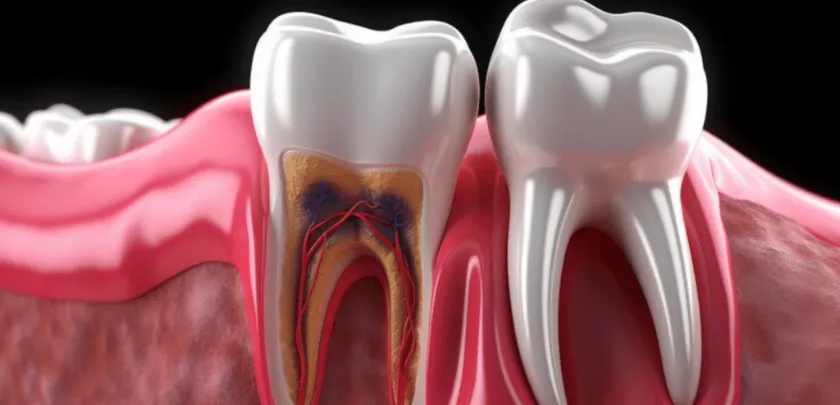
Inside every tooth, beneath the hard enamel and dentin layers, lies a soft center called the pulp. This pulp contains blood vessels, nerves, and connective tissue that keep the tooth healthy while it develops. When bacteria enter the pulp—often through deep decay, repeated dental procedures, or cracks in the tooth—it becomes infected. Symptoms may include:
- Continuous or sharp toothache
- Pain when chewing or touching the tooth
- Sensitivity to hot or cold that lingers
- Swelling in nearby gums or face
- Discoloration of the affected tooth
In Thailand, where many people enjoy flavorful street food and iced drinks daily, untreated dental decay is a common reason pulp infections occur.
### Why Root Canal Treatment is Needed
When pulp tissue becomes infected, it cannot heal on its own. If left untreated, the infection can spread to surrounding areas, causing more serious health issues such as abscesses or bone loss around the tooth root. A root canal treatment removes the infected pulp, cleans the inside of the tooth, and seals it to prevent future bacteria from getting in.
The main goal is to save your natural tooth rather than extracting it. This helps maintain proper chewing function, preserves your smile, and avoids the need for expensive replacements like implants or bridges.
### How Root Canal is Done in Thailand
Thai dental clinics, especially in Bangkok, Chiang Mai, and Phuket, are well-known for their modern equipment and high-quality care. The root canal process generally follows these steps:
1. **Consultation and X-ray**
Your dentist will examine your tooth and take an X-ray to see the exact location and severity of the infection.
2. **Local Anaesthesia**
Modern clinics in Thailand use effective anaesthesia so you won’t feel pain during the procedure.
3. **Pulp Removal**
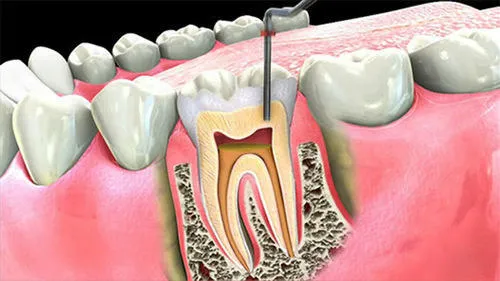
The dentist makes a small opening in the crown of the tooth, carefully removing the infected pulp and cleaning the root canals.
4. **Shaping and Cleaning**
Using precise dental instruments, the canals are shaped and cleaned thoroughly to remove all bacteria.
5. **Filling the Canals**
A biocompatible material, often gutta-percha, is placed into the canals to seal them.
6. **Restoration**
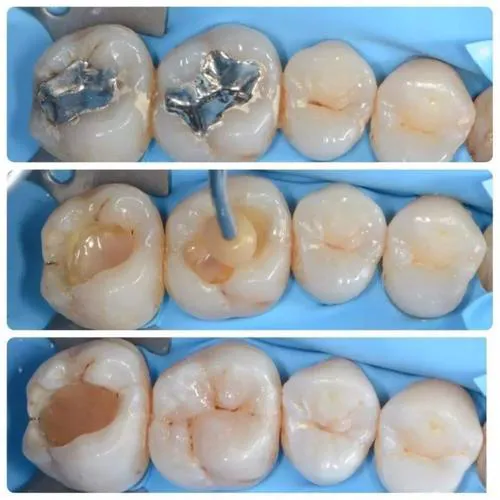
Finally, the tooth is r
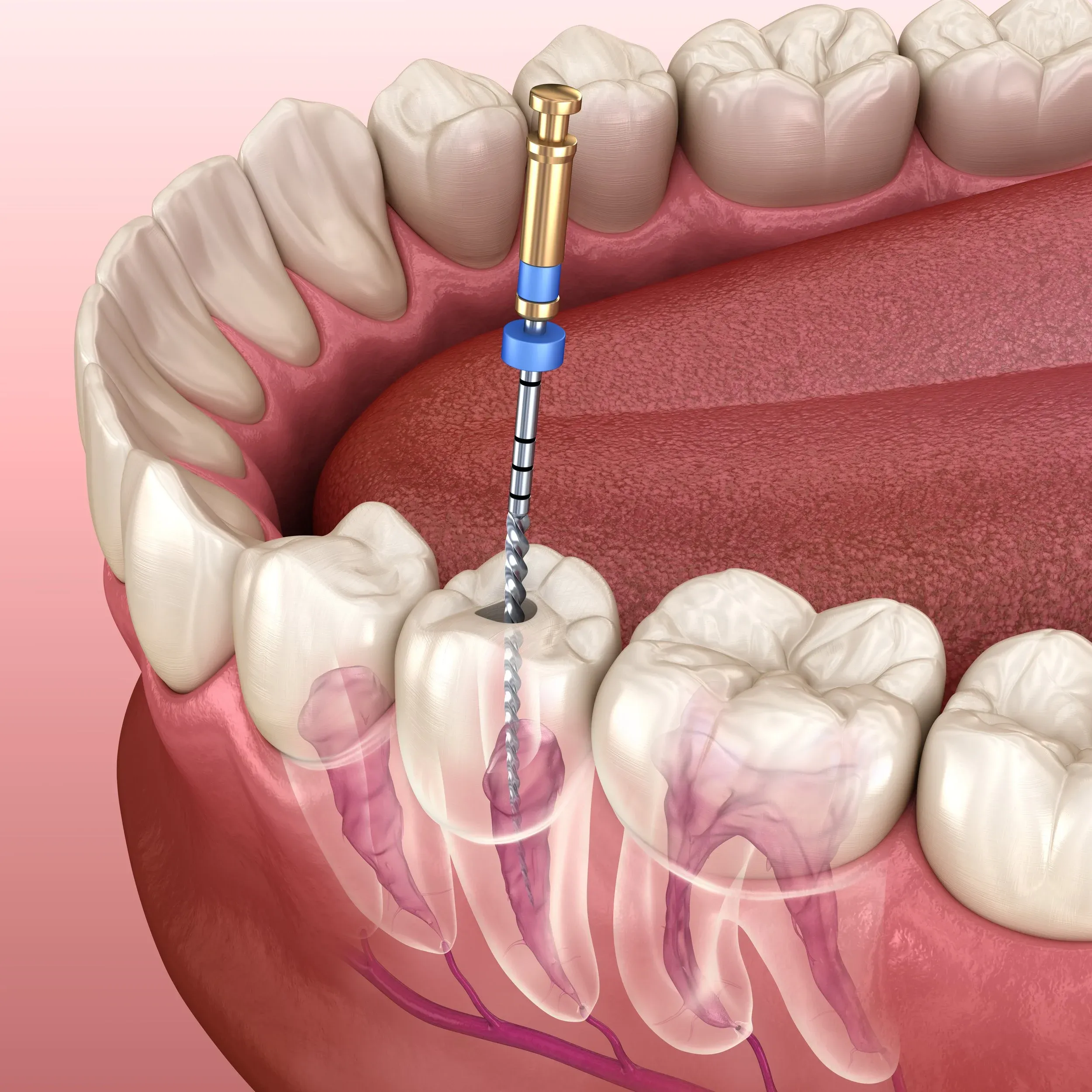
estored with a filling or crown to strengthen it and provide long-lasting protection.
### Benefits of Getting a Root Canal in Thailand
Thailand is not only famous for its beaches and temples, but also for its dental tourism. Many international visitors choose root canal treatment here because:
- **Affordable Costs** – The price can be significantly lower compared to Western countries, without compromising quality.
- **High Standards** – Dentists in Thailand are often trained internationally, and use advanced technology.
- **Convenient Scheduling** – Clinics cater to both locals and tourists, often with flexible appointment times.
- **Comfortable Experience** – Warm Thai hospitality helps patients feel at ease during treatment.
### Aftercare Tips for Root Canal Patients
Even though your tooth has been treated, proper care is still important to ensure a successful result:
- Avoid chewing hard food on the treated tooth until your permanent crown or filling is placed.
- Keep up good oral hygiene with brushing twice daily and flossing.
- Visit your dentist for follow-up checks.
- Reduce sugary snacks and drinks, which can lead to further decay.
Thai dentists often remind patients, “Better to prevent than to treat later,” so keeping your teeth healthy is always the best plan.
### Preventing Pulp Infections in the Future
While root canals are an effective solution, prevention will save you time, money, and discomfort. To reduce the risk of infected pulp tissue:
- Get regular dental check-ups every six months.
- Maintain a balanced diet with less sugar.
- Wear a mouthguard if you play contact sports.
- Address cavities early before they reach the pulp.
### Cost Considerations in Thailand
Prices for root canal procedures in Thailand vary depending on the tooth’s position (front teeth are usually less complex than molars), severity of infection, and the clinic’s location. On average, you may expect to pay between 5,000–12,000 THB for the root canal itself, and an additional fee for a crown if required.
Many clinics in Thailand offer packages, and for visitors, combining dental care with a trip to enjoy the country’s sights can be cost-effective.
### The Bottom Line
A root canal for infected pulp tissue is a reliable way to save your natural tooth, relieve pain, and restore oral health. In Thailand, the combination of skilled dentists, competitive pricing, and modern facilities makes it an excellent choice for both locals and foreigners needing this treatment.
If you suspect you have pulp infection symptoms, do not wait for the pain to worsen. Make an appointment with a trusted dental clinic in Thailand and take advantage of the country’s reputation for professional, patient-friendly care. Your tooth—and your smile—will thank you.
 collect
Hospitals included




Products included




Suggested reads