Thailand Root Canal Procedure Safety Explained
**Thailand Root Canal Procedure Safety Explained**
When people think about dental care in Thailand, they often picture affordable treatment, friendly service, and modern facilities. One procedure that many local residents and international visitors ask about is the root canal. There are myths, fears, and questions surrounding it, especially when it comes to safety. If you’ve been considering a root canal in Thailand, this guide will help you understand the process, safety standards, and what to expect from start to finish.
### Understanding the Root Canal Procedure
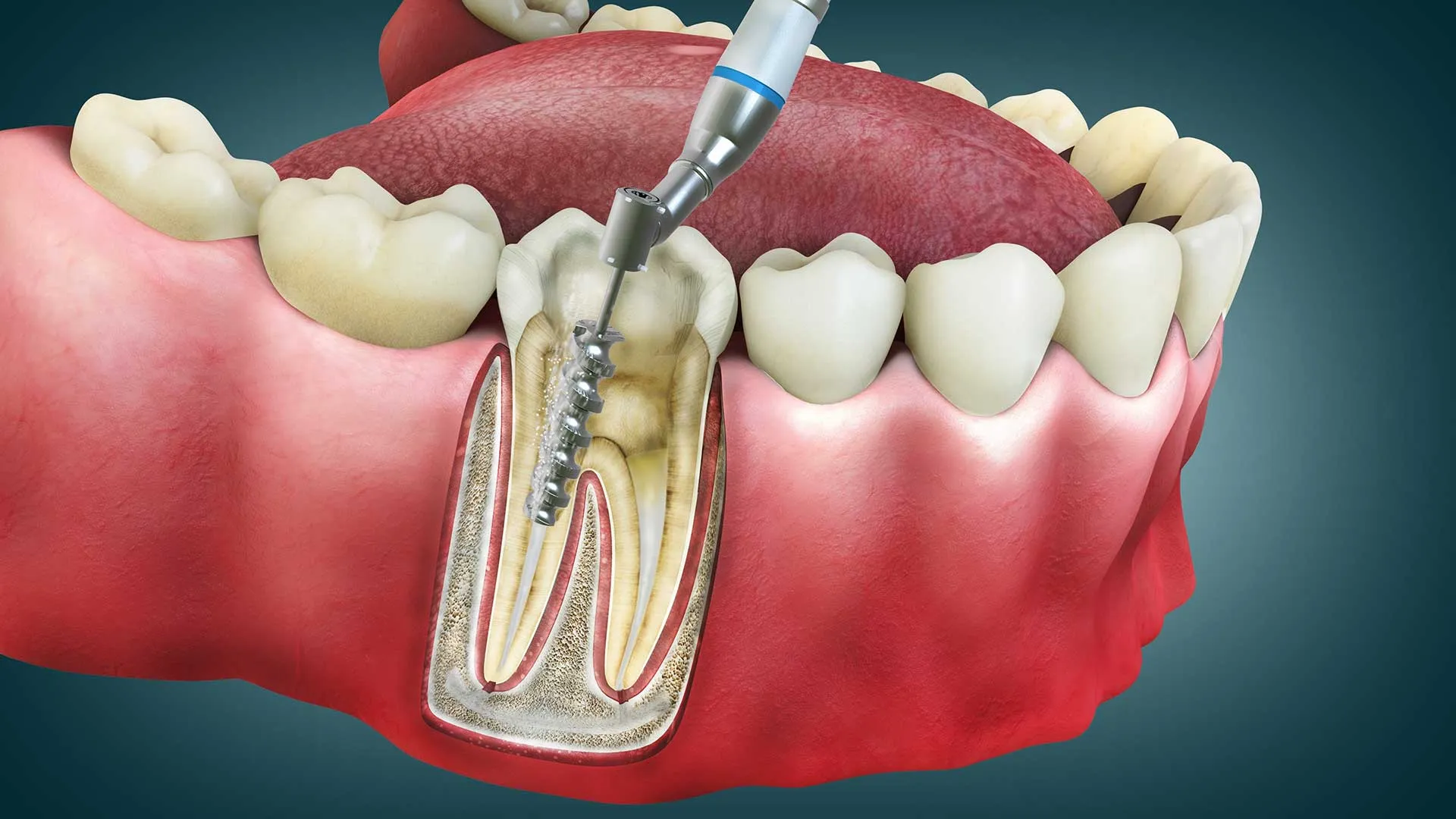
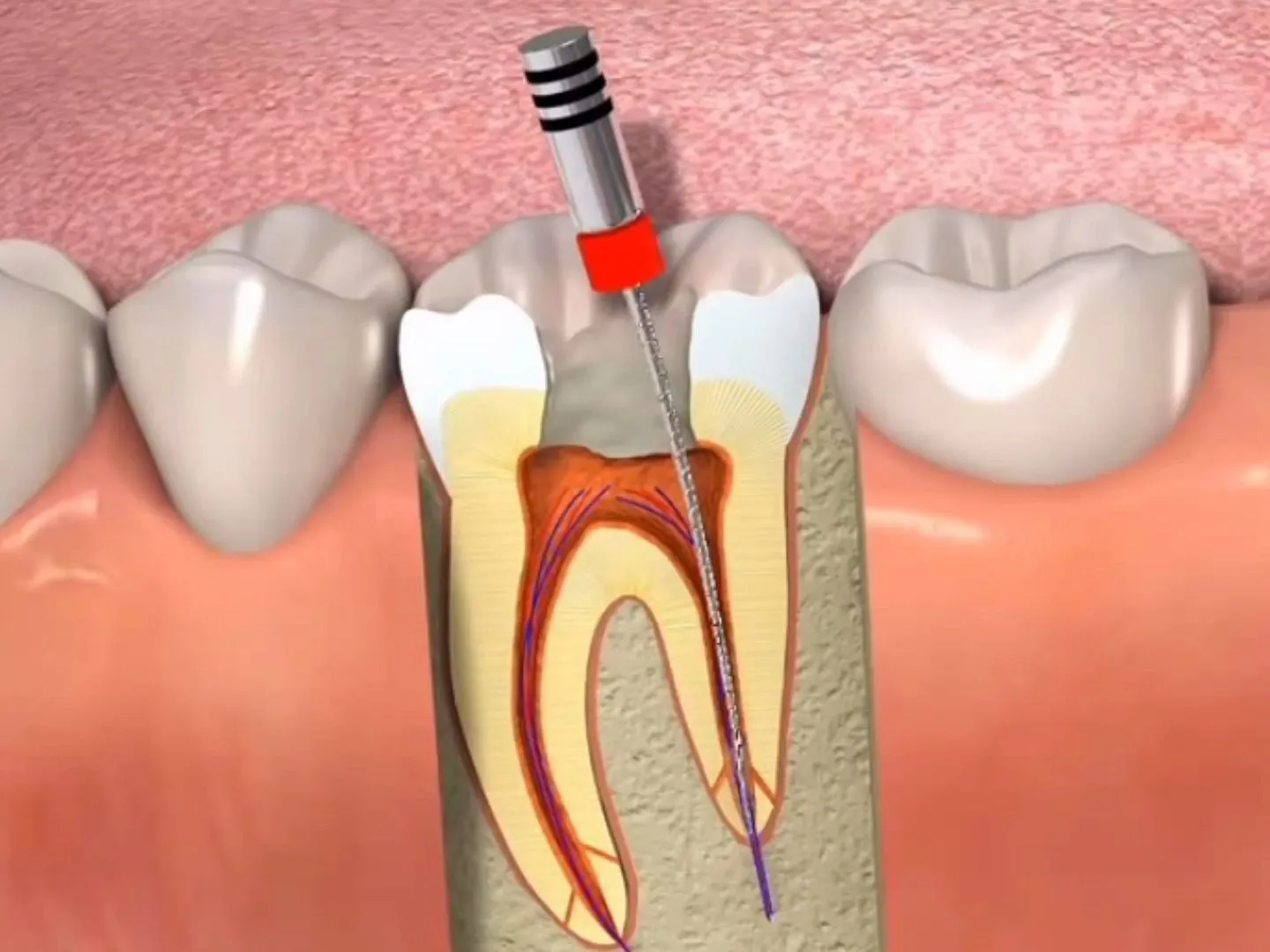
A root canal is a dental treatment designed to save a tooth that has been damaged by deep decay, infection, or injury. Your dentist will remove the infected pulp inside your tooth, clean and disinfect the canals, and then fill and seal them. In Thailand, dentists usually perform this procedure using modern equipment and advanced techniques, which makes the process more comfortable and predictable than many people imagine.
While the name “root canal” has a reputation for being painful, in reality most patients here describe it as more manageable than expected. Local dentists often use gentle anaesthetic methods and take time to explain what’s happening, which helps reduce anxiety.
### Safety Standards in Thai Dental Clinics
Thailand is well known in Southeast Asia for its strong healthcare infrastructure, and dental care is no exception. In reputable clinics, root canal procedures follow strict safety protocols. This includes:
- **Sterilization of Equipment**: Dental instruments are cleaned and sterilised after every use, often following international guidelines such as ISO standards.
- **Protective Gear**: Dentists and assistants wear gloves, masks, and sometimes face shields to prevent cross-contamination.
- **High-Quality Materials**: Filling and sealing compounds are sourced from trusted suppliers, often imported from countries with rigorous quality checks.
Many dental clinics, especially in Bangkok, Chiang Mai, and Phuket, advertise their compliance with the Ministry of Public Health regulations. Some larger dental centres are also accredited by international organisations, giving patients extra reassurance.
### Why Root Canals in Thailand Feel Safer for Many
Dental care in Thailand has gained global popularity for several reasons. First, most dentists trained in Thailand have undergone internationally recognised education—many also pursue advanced courses in Japan, the US, or Europe. Second, dental tourism has pushed clinics to maintain high standards because overseas patients expect quality care similar to back home.
Communication also plays a big role. English-speaking dentists are common in city centres, and they tend to explain the treatment plan step-by-step. This transparency makes patients feel more in control and relaxed.
### The Step-by-Step Experience
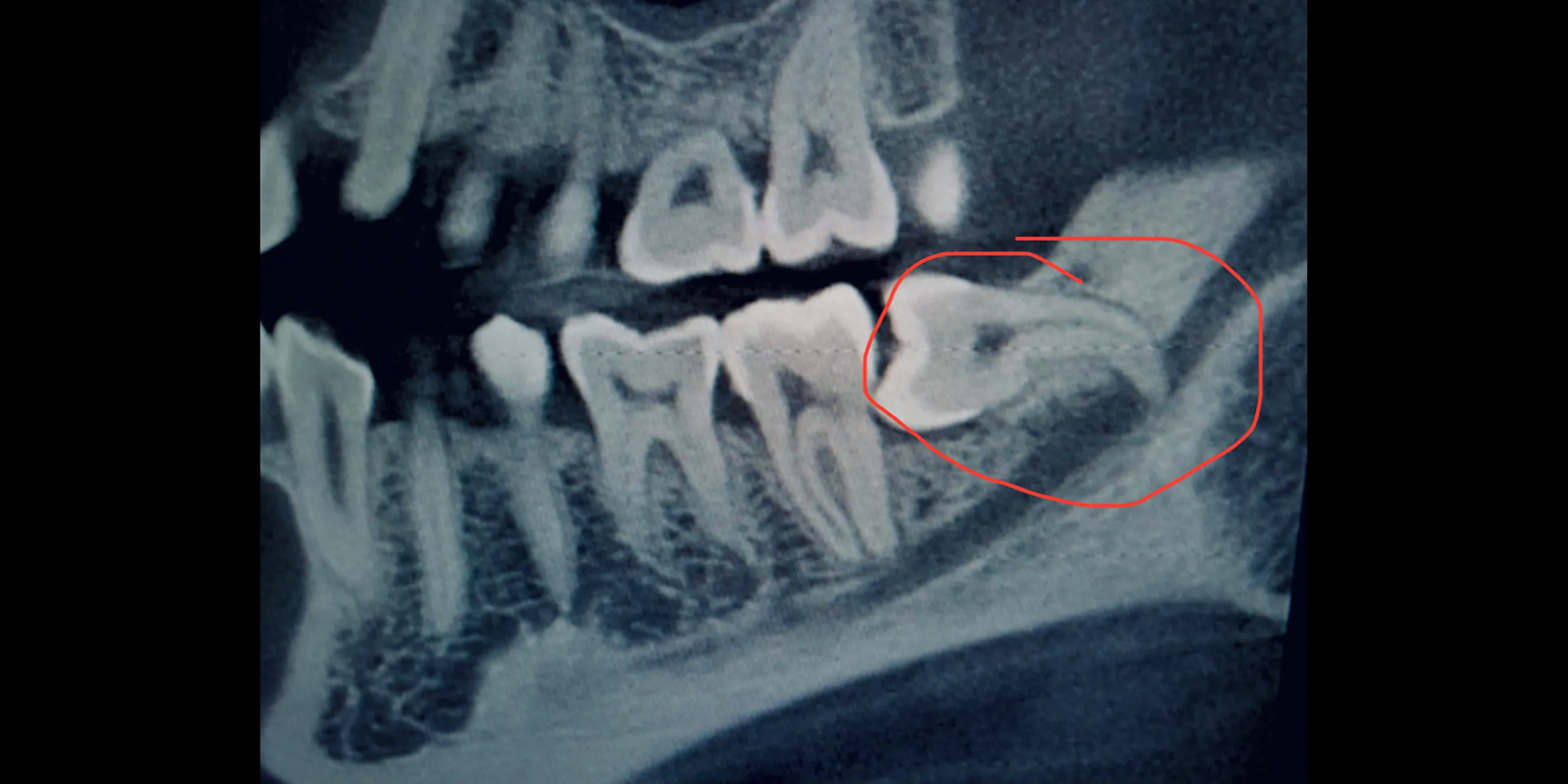
For most patients, a root canal procedure in Thailand begins with a consultation. You’ll meet the dentist, who will review X-rays to understand the extent of the damage. Once it’s confirmed that a root canal is necessary, they’ll schedule a session or start immediately if you’re in pain.
Here’s how it usually goes:
1. **Anaesthesia** – The dentist numbs the area so you won’t feel sharp pain.
2. **Ac
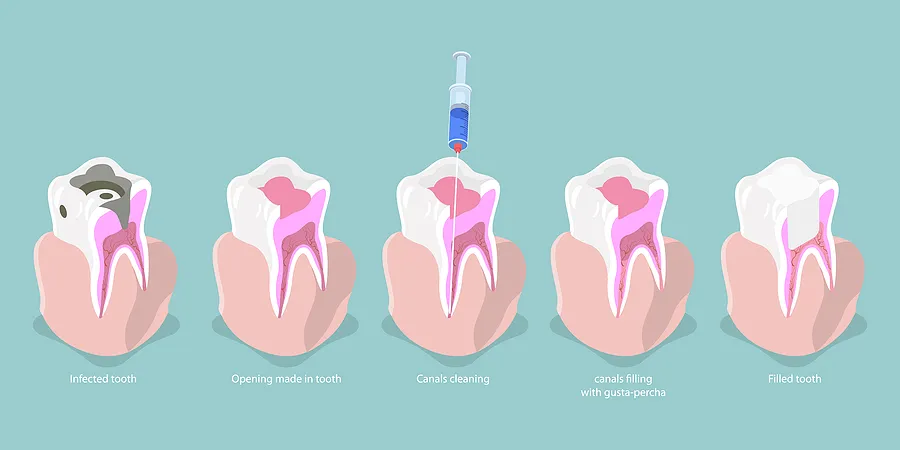
cessing the Tooth** – A small opening is made to reach the pulp chamber.
3. **Cleaning and Shaping** – The infected tissue is removed, and the canals are shaped for filling.
4. **Sealing the Canals** – The dentist fills them to prevent future infection.
5. **Final Restoration** – In your next visit, a crown or other protective covering is placed to strengthen the tooth.
The whole process can take one to three visits depending on the tooth’s condition and the clinic’s schedule.
### Addressing the Safety Concerns
Some patients worry about infection risk, re-treatment needs, or pain after the procedure. In Thailand, these worries are addressed with proactive follow-up care. Dentists usually ask patients to return for check-ups and provide clear instructions for at-home care, such as avoiding very hard foods or monitoring any swelling.
The materials used—like gutta-percha for filling—are biocompatible, meaning they won’t harm your body. Disposable items like needles and gauze are single-use to eliminate cross-infection risks.
For patients travelling from abroad, clinics often provide digital copies of treatment records, so your dentist at home can see exactly what was done. This is especially reassuring if you’re concerned about continuity of care.
### Costs and Transparency
Affordability is another reason patients feel confident about getting a root canal in Thailand. Prices are generally lower than in Western countries, but without compromising safety. Clinics may offer detailed written quotes before the procedure, listing costs for anaesthesia, X-rays, the root canal itself, and any crowns. This level of clarity reduces misunderstandings and builds trust.
### Tips for Choosing a Safe Clinic
To ensure you get the safest root canal experience in Thailand, consider:
- **Checking Credentials** – Look for dentists registered with the Thai Dental Council.
- **Reading Reviews** – Many patients share honest feedback on social media or dental tourism sites.
- **Visiting the Clinic First** – If possible, have a quick look at the environment and speak with the staff.
- **Asking About Equipment** – Don’t hesitate to request information on sterilisation practices and materials used.
### Recovery and Aftercare
Most patients recover well after a root canal, with only mild sensitivity for a few days. Thai dentists often recommend simple measures like rinsing with warm salt water and taking prescribed medicine if needed. Because many clinics operate in central areas, it’s easy to return for follow-ups or emergency adjustments.
### Final Thoughts
Choosing to have a root canal in Thailand can be a safe, affordable, and comfortable decision. With modern dental facilities, experienced professionals, and strict safety protocols, the country offers reliable care for both local and international patients. Understanding the process and knowing what to expect can remove much of the fear, allowing you to focus on restoring your oral health with confidence.
Whether you live in Bangkok or are visiting Phuket on holiday, a well-chosen Thai dental clinic can deliver a root canal treatment that’s both safe and successful. By asking the right questions and trusting your dentist’s expertise, you can walk away with a healthier smile and peace of mind.
 collect
Hospitals included




Products included


Suggested reads