Thailand Root Canal for Teeth With Root Curvature
**Thailand Root Canal for Teeth With Root Curvature**
When it comes to dental care in Thailand, one of the more complex treatments that patients sometimes need is a root canal for teeth with root curvature. In simple terms, root curvature means the tooth’s root is not straight but has a bend, making treatment more challenging. Yet, thanks to advanced dental technology and skilled Thai dentists, handling even tricky cases like this has become routine in many clinics across the country.
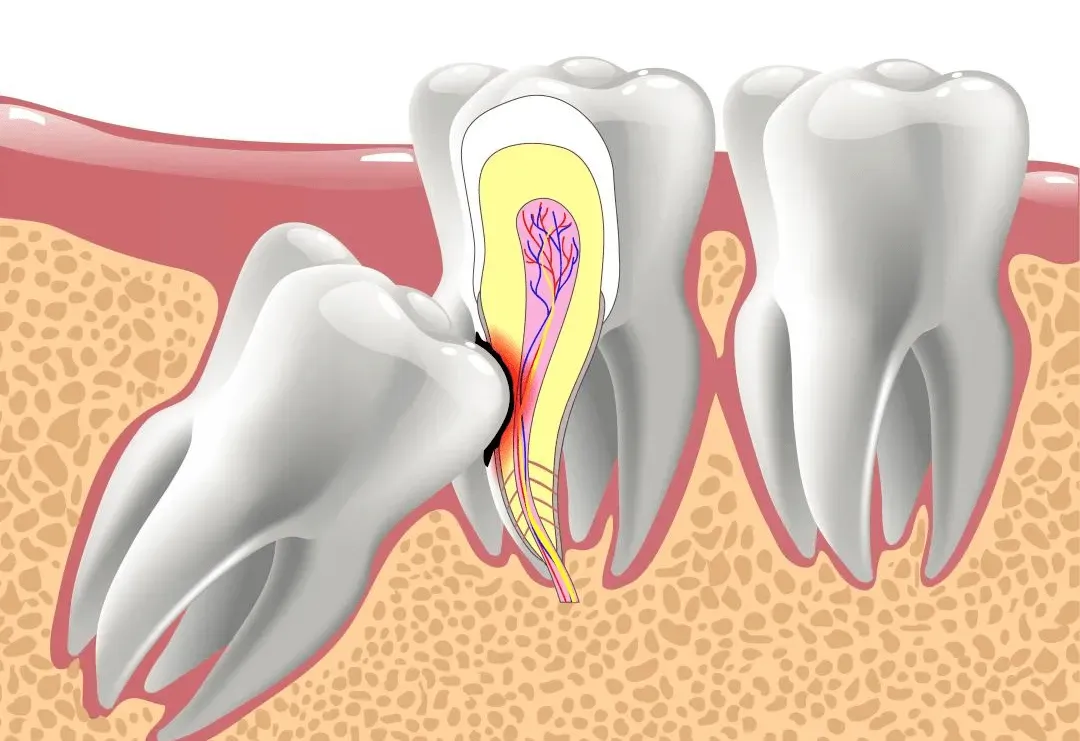
If you’ve ever heard someone say, “My dentist found my root canal wasn’t straight,” they are talking about root curvature. This condition can happen to any tooth, but it’s more common in molars because they often have multiple roots with different shapes. When infection or decay reaches deep into these roots, a well-performed root canal is crucial to save the tooth and restore function.
### Why Root Curvature Matters in Root Canal Treatment
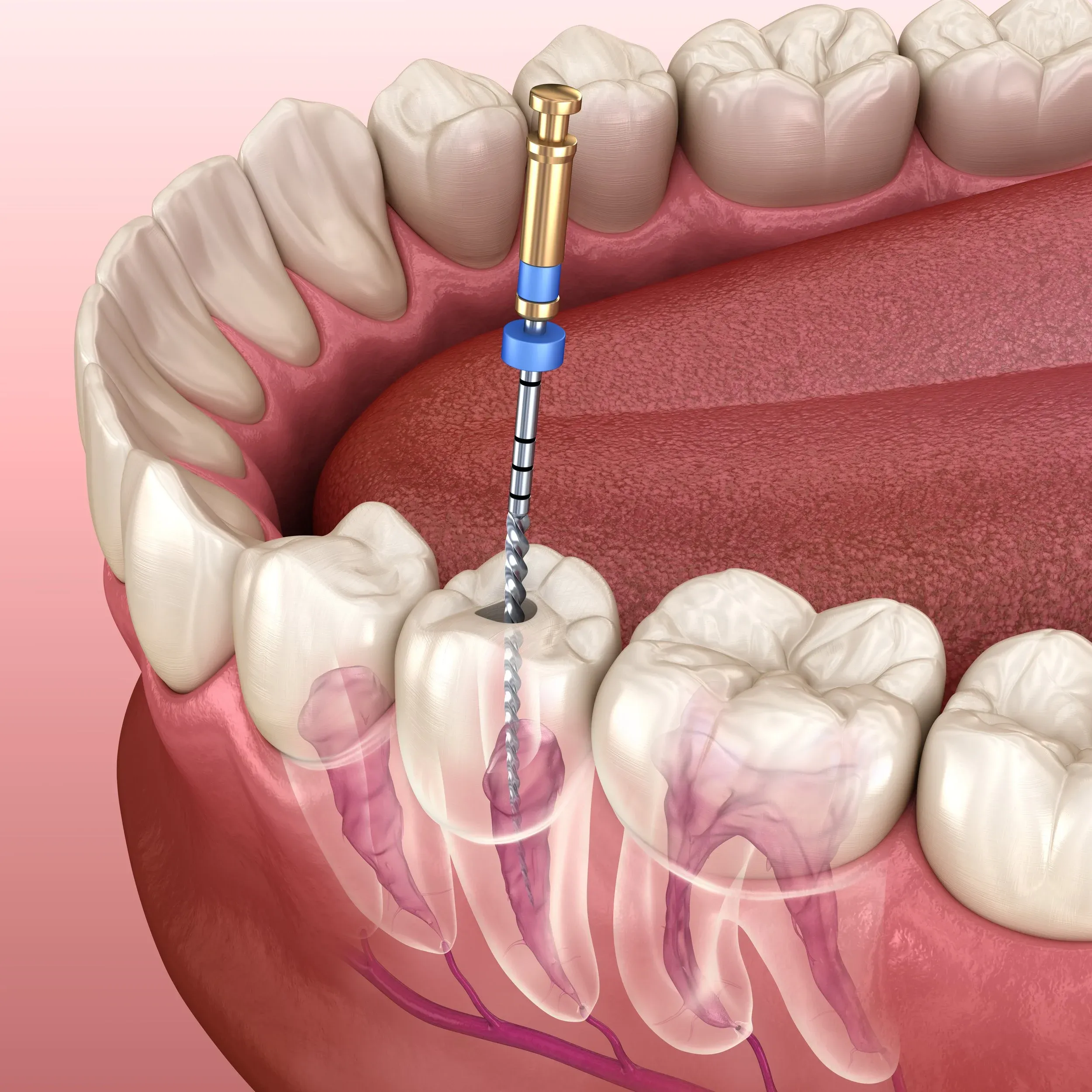
Root canal therapy involves cleaning out the infected pulp, shaping the canal, and then filling it to seal against further bacteria. For a straight root, the process is relatively straightforward. However, when the root curves like a banana or has multiple bends, the dentist must use more advanced techniques and tools. The risk of missing part of the canal or damaging the tooth increases if not handled properly.
In Thailand, many dental professionals are trained to deal with complex root anatomy. Clinics in Bangkok, Chiang Mai, Phuket, and other major cities often have equipment such as rotary endodontic systems, digital microscopes, and 3D imaging. These tools help dentists locate and treat even the smallest curved canals with precision.
### Common Causes of Root Curvature
Root curvature can be a natural anatomical feature you are born with. In other cases, it might result from past injuries or long-term wear. Here are a few factors often identified by Thai dentists:
- **Genetic variation** – Some people naturally develop curved roots due to the shape of their jaw and tooth formation.
- **Past trauma** – If your tooth was hit or damaged when you were younger, the root might develop abnormally during healing.
- **Age-related changes** – Over time, deposits inside the canal can cause narrowing and slight curvature.
Understanding the cause helps in planning the right approach, especially if you’re considering treatment in Thailand where dentists tend to explain the process clearly before starting.
### Signs You Might Need a Root Canal for a Curved Tooth
Whether your tooth is straight or curved, the symptoms of pulp infection are similar. It’s important not to ignore these signs:
- Persistent toothache that doesn’t go away
- Sensitivity to hot or cold drinks, common in Thai daily life with iced coffee or hot tea
- Swelling or tenderness in the gums
- Darkening of the tooth’s natural color
If you’re living in Thailand or visiting, most dental clinics can provide a thorough examination, including X-rays, to check if root curva

ture is present.
### How Dentists in Thailand Handle Curved Root Canals
Treatment for curved roots requires patience and skill. Here’s what typically happens:
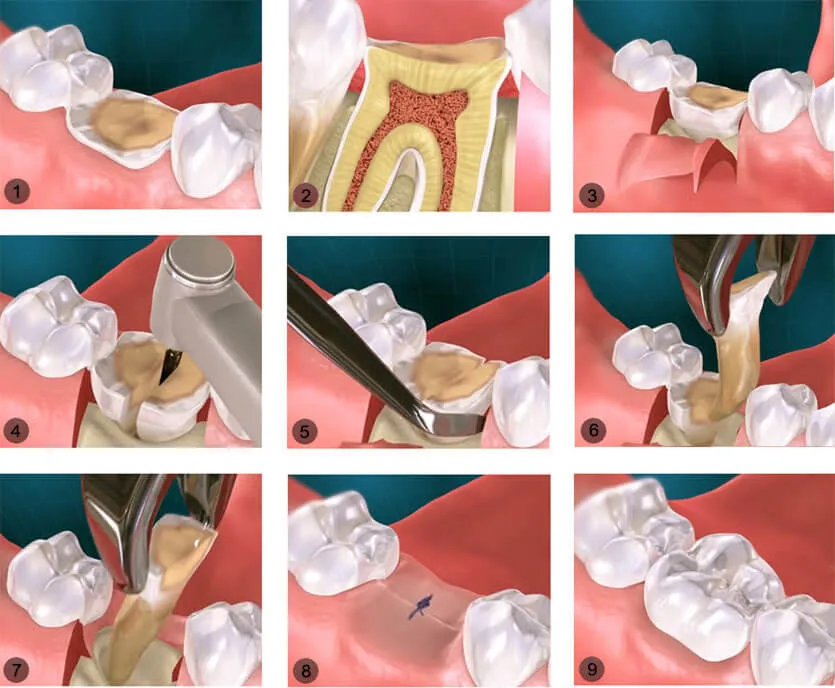
1. **Detailed imaging** – Before treatment begins, the dentist uses X-rays or cone beam CT scans to map the exact shape of your root canals.
2. **Gentle access** – The dentist makes a small opening in the tooth to reach the pulp chamber without causing cracks or unnecessary stress.
3. **Flexible instruments** – Special files designed to bend slightly are used to clean curved canals without breaking them.
4. **Irrigation and disinfection** – Solutions are flushed through the canal to remove debris and bacteria.
5. **Filling and sealing** – A soft material called gutta-percha is heated and gently placed, filling every part of the curved canal before the tooth is sealed with a crown or filling.
Most Thai dental clinics emphasize comfort during this process, using local anesthesia and explaining each step so the patient feels relaxed.
### Advantages of Doing Root Canal Treatment in Thailand
Apart from the high quality of dental expertise, Thailand offers several benefits for patients needing special treatments:
- **Cost-effectiveness** – Even complex root canal treatments often cost less than in Europe or the United States, while still meeting international standards.
- **Tourism-friendly services** – Many clinics cater to foreign patients, offering English-speaking staff and appointment flexibility.
- **Advanced technology** – Clinics invest in the latest endodontic tools, which make curved canal treatment safer and more accurate.
- **Comfortable atmosphere** – Dental visits in Thailand tend to be friendly and reassuring, some even offering spa-like environments to help patients feel at ease.
### Tips for Caring for a Tooth After a Curved Root Canal
Once your root canal is completed, aftercare is crucial. In Thailand, dentists often recommend:
- Avoid biting hard foods with the treated tooth until a crown is fitted
- Maintain excellent oral hygiene with proper brushing and flossing
- Schedule regular check-ups to ensure the tooth stays healthy
- Use mouthwash or saltwater rinses if instructed by your dentist
This is especially important because curved roots may remain more delicate than straight ones, even after treatment.
### Final Thoughts
A root canal for teeth with root curvature is more complicated than a standard procedure, but in Thailand, it is a treatment you can trust to be done professionally and with care. Whether you live here or are visiting for dental tourism, you’ll find experienced dentists, modern technology, and a supportive environment that makes the process as smooth as possible.
So, if you’ve been putting off that nagging toothache or you’ve been told your tooth has a curved root, consider booking an appointment at a reputable Thai dental clinic. With the right expertise, your smile can be restored and your oral health protected for many years to come.
 collect
Hospitals included



Products included


Suggested reads