Thailand Root Canal for Tooth Nerve Death

Thailand Root Canal for Tooth Nerve Death
**Thailand Root Canal for Tooth Nerve Death**
When you think about dental treatments in Thailand, you might imagine routine cleanings, whitening, or fillings. But one procedure that many locals and expats find themselves needing is a root canal, especially when faced with tooth nerve death. Understanding what this means, why it happens, and how Thailand’s dental clinics approach it can make the process less intimidating and more straightforward.
**What is Tooth Nerve Death?**
The nerve inside a tooth, known as the pulp, is living tissue made of blood vessels and sensory nerves. When this pulp becomes severely infected or damaged, blood flow can stop, leading to what dentists call pulp necrosis — in everyday terms, tooth nerve death. This can happen due to untreated cavities, cracked teeth from biting something hard, or and injury from accidents, which are not uncommon in daily life in Thailand’s bustling cities and busy streets.
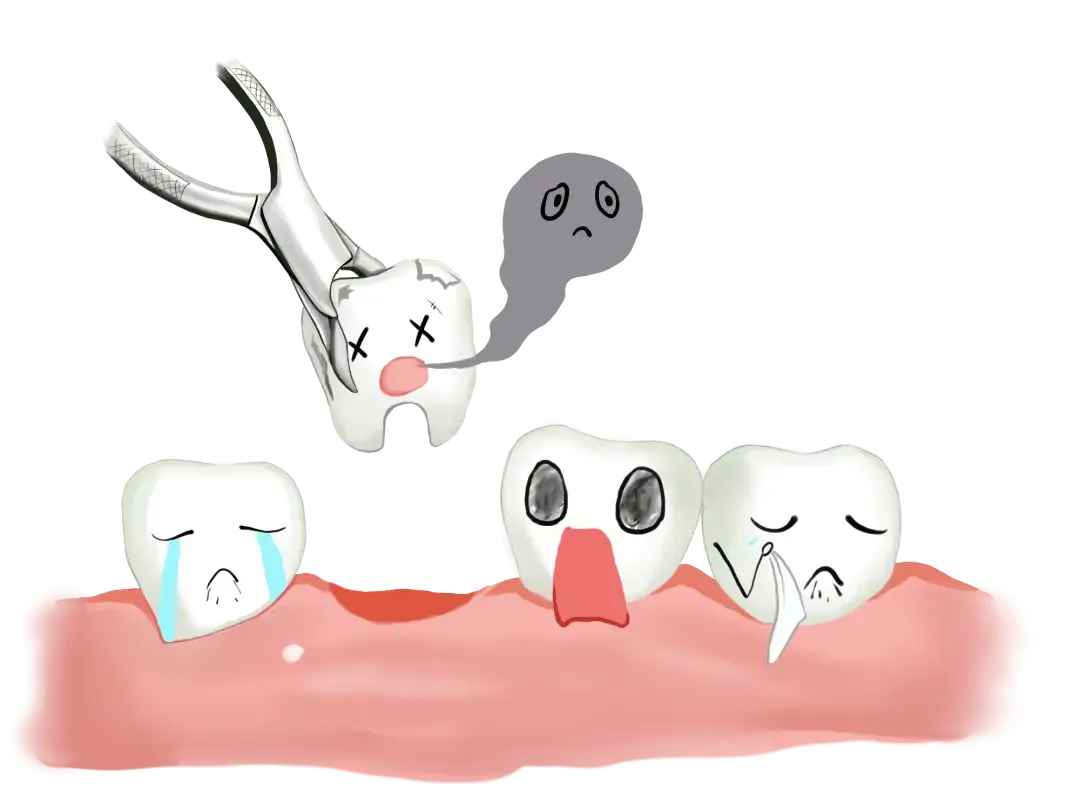
Once the nerve dies, the tooth loses its ability to sense stimuli. While that may sound like a relief from toothache, the real problem is that bacterial infection can spread deeper, potentially leading to abscesses and swelling that affect your overall health.
**Common Signs You Might Have Tooth Nerve Death**
People in Thailand often delay dental care until pain becomes unbearable — but nerve death symptoms are not always obvious. Common warning signs include:
- Pain that comes in waves or feels deep inside the tooth
- Swelling in the gums near the affected tooth
- A foul taste or bad smell that doesn’t go away
- Tooth discoloration, turning dark grey or brown
- Sensitivity that suddenly stops (because the nerve is no longer functioning)
If you experience any of these symptoms, visiting a Thai dentist sooner rather than later can save you from bigger issues.
**Root Canal Treatment in Thailand**
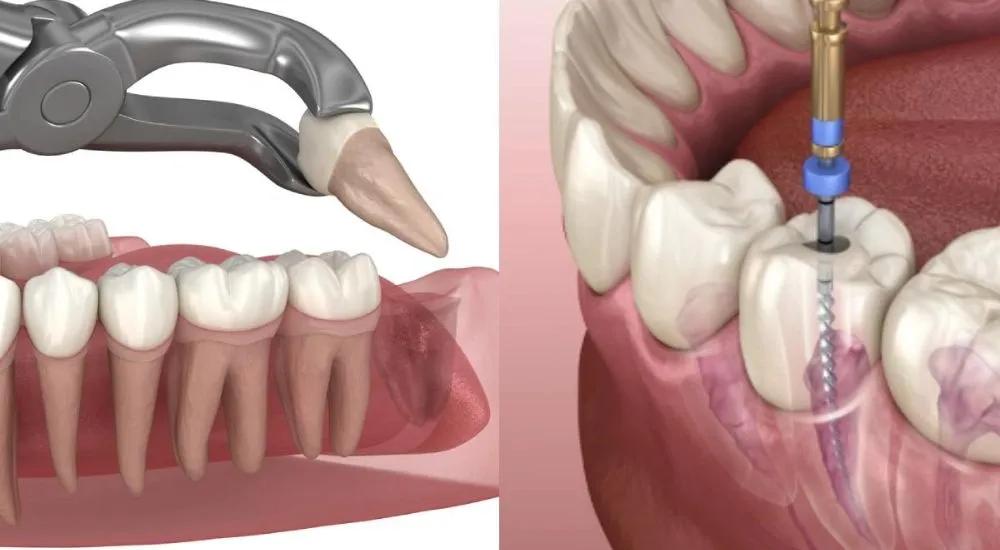
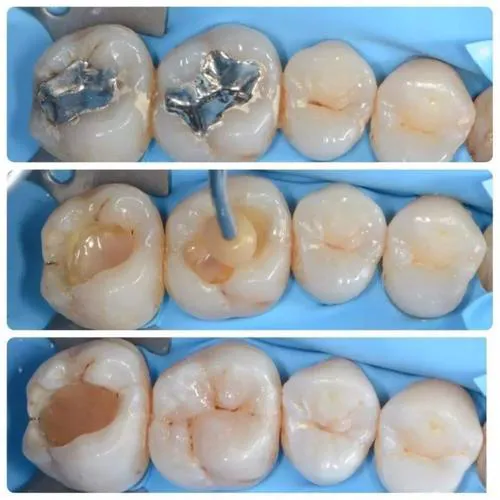
Thailand has built a strong reputation for offering high-quality dental care at reasonable prices. A root canal here is a common procedure performed in both local clinics and internationally accredited dental hospitals. The treatment’s goal is simple: remove the dead or infected pulp, clean out the inner tooth, and seal it to prevent future problems.
In most Thai dental clinics, the process typically follows these steps:
1. **Diagnosis and X-Ray** – The dentist will take an X-ray to see the extent of the damage, often using modern digital imaging equipment.
2. **Local Anaesthesia** – Despite myths, root canal treatment is done under local anaesthetic, meaning you won’t feel pain during the procedure.
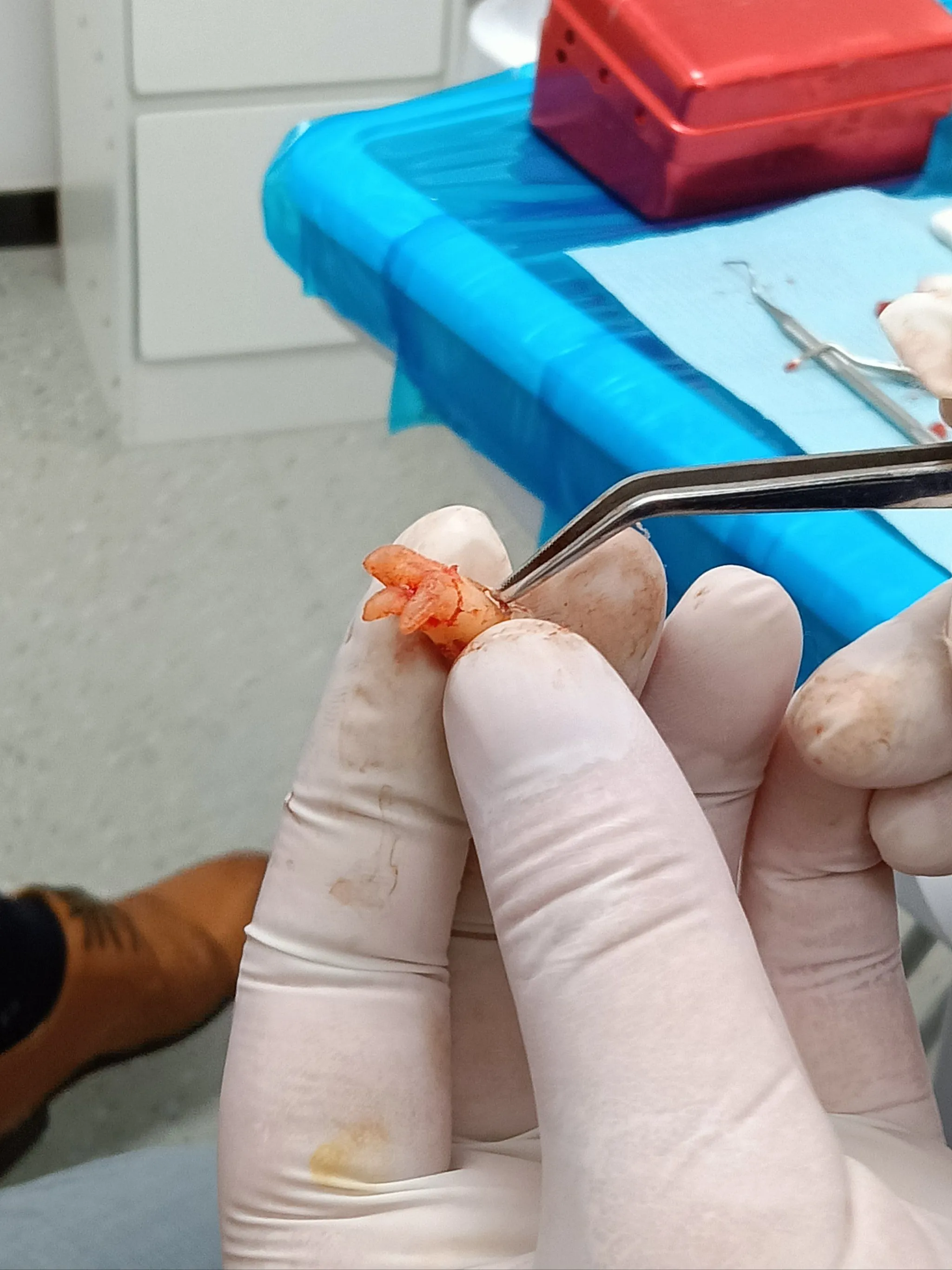
3. **Pulp Removal** – Using special dental tools, the dentist carefully removes the dead nerve and any infected tissue.
4. **Cleaning and Shaping** – The canals inside the tooth are thorou
ghly cleaned and shaped to receive the filling.
5. **Sealing the Tooth** – The canals are sealed with a safe, biocompatible material to prevent bacteria from re-entering.
6. **Restoration** – In many cases, a crown is placed on top to strengthen the tooth, especially if it is a molar used for chewing.
**Why Choose Thailand for a Root Canal?**
There are several reasons why both residents and dental tourists pick Thailand for root canal treatment:
- **Cost-Effective** – Prices can be significantly lower than in Western countries, without compromising on quality.
- **Advanced Technology** – Many clinics in Bangkok, Chiang Mai, and Phuket use state-of-the-art equipment.
- **Experienced Dentists** – Thai dentists often receive international training and have many years of experience.
- **Convenient Scheduling** – Clinics often accommodate walk-in patients and offer extended hours, which suits busy lifestyles.
- **Tourism Appeal** – You can combine treatment with enjoying Thailand’s beaches, culture, and cuisine.
**Aftercare Tips Following a Root Canal in Thailand**
Good aftercare ensures your tooth stays healthy long-term. Dentists in Thailand usually advise:
- Avoid chewing hard or sticky foods on the treated tooth until the crown is placed
- Keep up regular brushing and flossing, using fluoride toothpaste
- Attend follow-up visits as recommended, especially if you experience unusual discomfort
- Monitor for swelling or persistent pain, and return to the clinic quickly if symptoms reappear
**Preventing Tooth Nerve Death**
Of course, the best scenario is avoiding nerve death altogether. In Thailand, where sugary drinks, iced coffee, and street desserts are part of daily life, dental decay can happen faster than expected. Prevention tips include:
- Regular dental check-ups — many clinics offer affordable packages for twice-yearly visits
- Balanced diet — limit excessive sugar and acidic foods that damage enamel
- Using a mouthguard if you play sports or ride motorbikes frequently
- Promptly treating cavities before they reach the pulp
**Final Thoughts**
Tooth nerve death can be alarming, but in Thailand, the root canal procedure offers an effective, painless solution. With skilled dentists, modern equipment, and a culture that blends respect for healthcare with a warm, welcoming environment, getting dental care here can be far less stressful than you might expect.
If you suspect your tooth nerve may be affected, don’t delay. Thailand’s dental clinics are well-prepared to restore your oral health, whether you live here or are visiting from overseas. And remember — a root canal not only saves your tooth but also protects your overall well-being, helping you keep smiling through Thailand’s sunny days.