Thailand Root Canal Retreatment Explained
Thailand Root Canal Retreatment Explained
**Thailand Root Canal Retreatment Explained**
When it comes to dental care in Thailand, root canal treatment is a common procedure for saving teeth that are badly decayed or infected. But what happens if a root canal done years ago starts giving trouble again? This is where **root canal retreatment** comes in. Many patients in Thailand discover that retreatment can be the best option to preserve their natural teeth and avoid extraction, especially with the advanced dental technology now available in Bangkok, Chiang Mai, and other major cities.
### What is Root Canal Retreatment?
A root canal retreatment simply means redoing a previous root canal procedure. In the first treatment, the dentist removes the infected pulp inside the tooth, cleans the inner space, and then seals it to prevent further infection. However, sometimes the tooth may not heal properly, or new problems arise later. In Thailand, dentists often see retreatment needs due to hidden canals, persistent bacteria, or cracked fillings that allow infection to return.
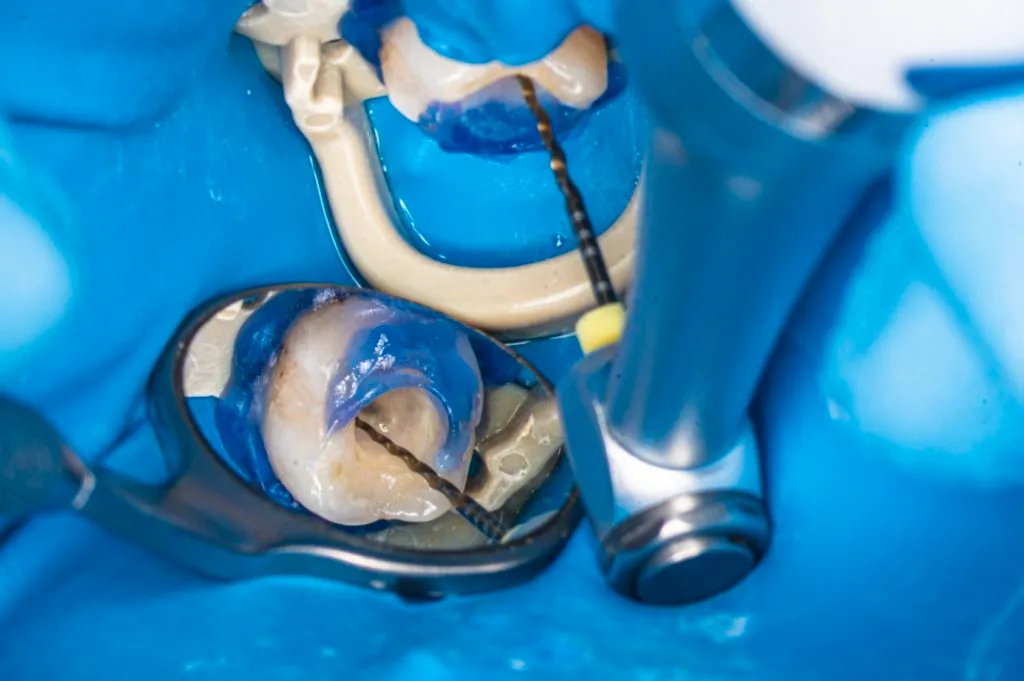
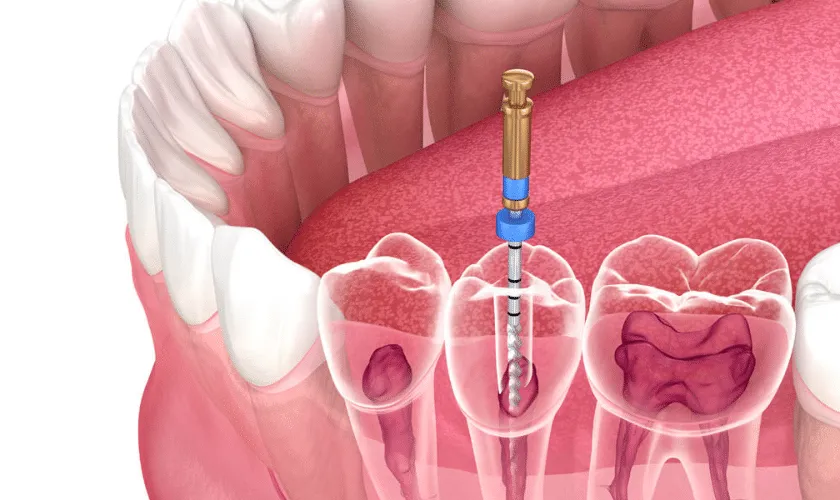
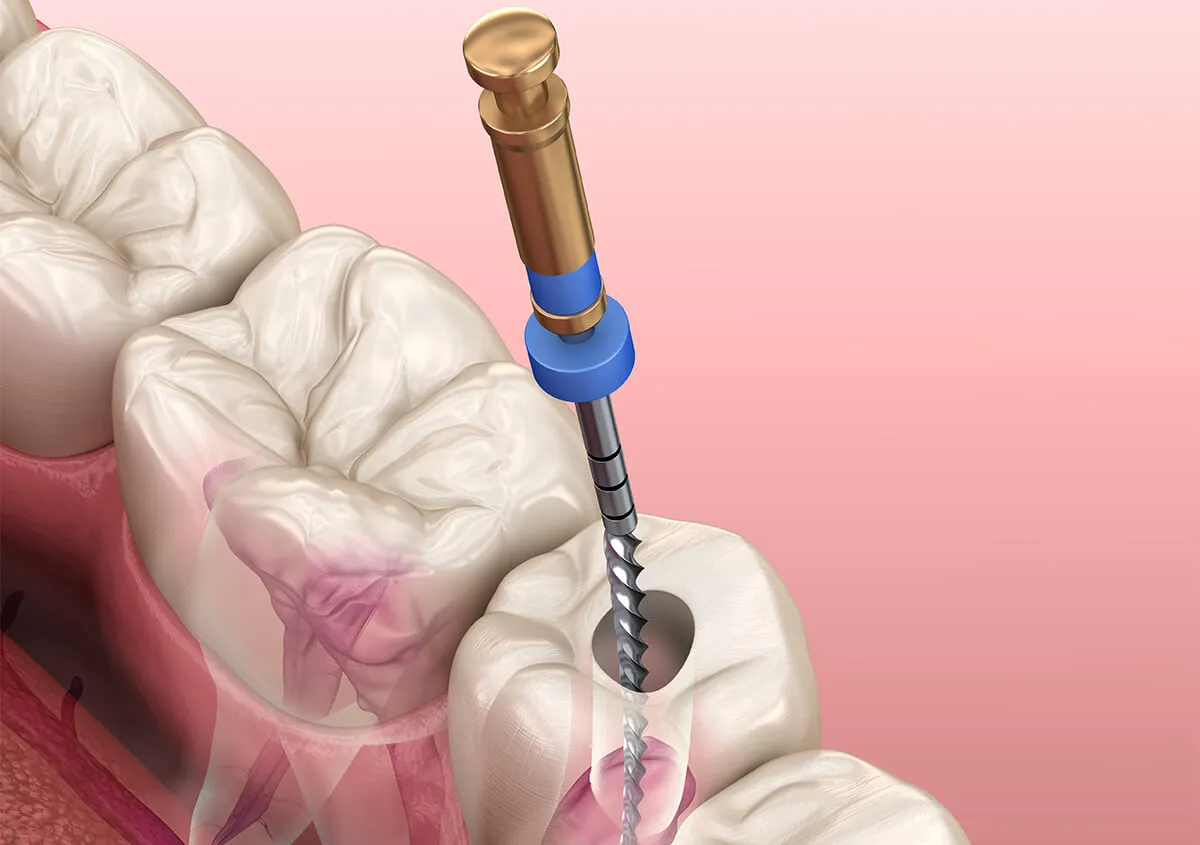
During retreatment, your dentist will reopen the tooth, remove the old filling material, clean out any remaining infection, and seal it again. Thanks to modern dental microscopes and precise rotary instruments, the process is now more comfortable and more effective than before.
### When Do You Need Retreatment?
It’s not always easy to know whether you need root canal retreatment, but there are common signs you should be aware of:
- Persistent pain or discomfort in the treated tooth
- Swelling of the gums around the tooth
- Sensitivity when biting or chewing
- Discoloration of the tooth
- Recurring pimples or boils on the gum
In Thailand’s humid climate, dental infections can progress quickly if not treated, so it’s wise to visit a dentist promptly when symptoms appear.
### Common Causes for Root Canal Retreatment
Even with skilled dentists in Thailand, several factors can cause root canal failure:
1. **Complex Tooth Anatomy** – Some teeth have unusual root shapes or extra canals that were missed in the first treatment.
2. **Delayed Crown Placement** – If a protective crown is placed too late after the root canal, bacteria can re-enter the tooth.
3. **Cracks or Chips** – Physical injury, even a small crack, can expose the tooth to infection again.
4. **Deep Decay Near the Filling** – Without proper oral hygiene, decay can develop under the crown or filling, leading to reinfection.
5. **New Decay Around Old Fillings** – This is common among patients who do not regularly visit the dentist for check-ups.
### The Retreatment Process in Thailand
If your Thai dentist recommends retreatment, here’s what typically happens:
1. **Consultation and Examination** – The dentist will check the tooth using digital X-rays and sometimes 3D CBCT scans to detect hidden problems.
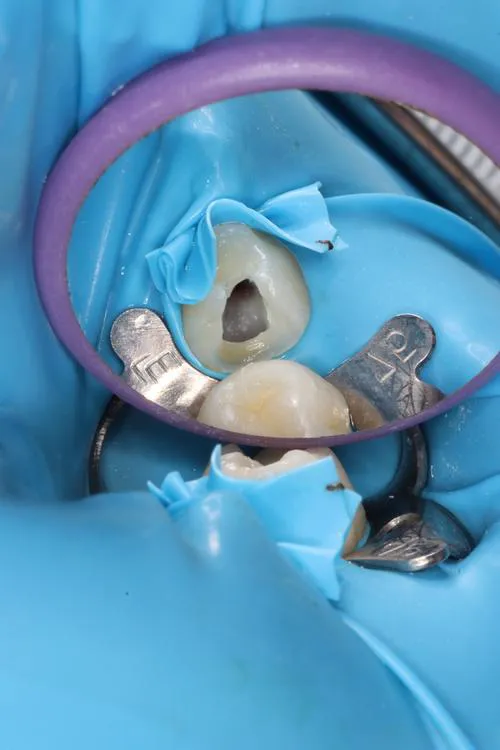
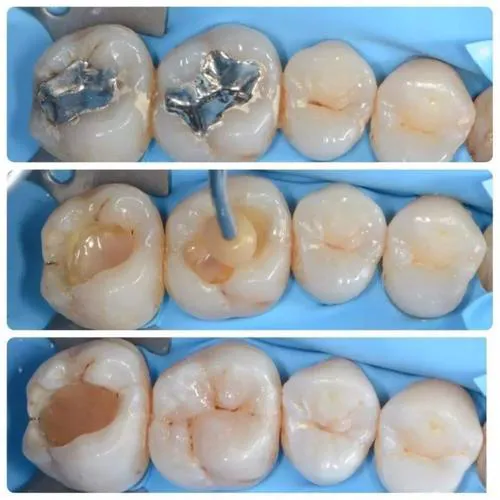
2. **Reopening the Tooth** – The filling or crown is carefully removed to access the canal space.
3. **Cleaning and Disinfecting** – Using flexible files and disinfectant solutions, th
e dentist thoroughly cleans the canals.
4. **Sealing the Tooth** – The canals are filled again to prevent bacteria from entering.
5. **Restoration** – A new crown or filling is placed to restore strength and appearance.
Thailand’s modern dental clinics often use high-quality materials from Japan or Europe, ensuring long-lasting results after retreatment.
### How Much Does It Cost in Thailand?
The cost of root canal retreatment in Thailand depends on the tooth type, the clinic location, and whether special equipment is needed. On average, prices may range from:
- Incisor or canine: **5,000–8,000 THB**
- Premolar: **7,000–10,000 THB**
- Molar: **9,000–15,000 THB**
Private hospitals and international dental centers in Bangkok can be slightly more expensive, but many residents and expats find the service worth it due to the comfort, English-speaking staff, and modern facilities.
### Why Choose Retreatment Over Extraction?
In Thailand, dental professionals often encourage saving the natural tooth whenever possible. Extracting a tooth may seem easier, but it can lead to shifting teeth, biting problems, and the need for implants or bridges, which are usually more costly. Retreatment offers a second chance for your natural tooth to last many more years without discomfort.
### Recovery and Aftercare
After root canal retreatment, it’s normal to feel mild discomfort for a few days. Dentists in Thailand usually recommend:
- Avoid chewing hard foods on the treated tooth until the crown is placed.
- Maintain strict oral hygiene with brushing twice a day and flossing daily.
- Use a mouthwash if your dentist advises, especially in hot and humid Bangkok conditions that encourage bacterial growth.
- Attend follow-up appointments to ensure full healing.
Most patients can resume normal activities quickly, and with proper care, the retreated tooth can remain healthy for a long time.
### Finding the Right Dentist in Thailand
For root canal retreatment, it’s important to choose a dentist experienced in endodontics (root canal specialties). Thailand’s top dental clinics often list their specialists on websites, along with treatment procedures and patient reviews. In tourist areas like Phuket and Pattaya, many dentists have international training, making communication easier for foreign patients.
### Final Thoughts
Root canal retreatment in Thailand is a trusted, effective dental solution for saving teeth that have had previous root canal issues. With the country’s advanced dental technology, specialist expertise, and relatively affordable costs compared to Western countries, patients have a high chance of successfully preserving their natural smile.
Whether you live here or are visiting for dental tourism, knowing the signs, causes, and process of retreatment will help you make confident decisions about your oral health. Maintaining regular check-ups, following your dentist’s advice, and acting quickly when symptoms appear can save you time, money, and dental discomfort in the long run.