Thailand Root Canal Treatment Without Crown Explained
**Thailand Root Canal Treatment Without Crown Explained**
When people think of dental care in Thailand, they usually imagine routine check-ups, whitening sessions, or cosmetic veneers. However, root canal treatment — often simply called “RCT” — is also a common procedure here and plays a key role in saving damaged or infected teeth. One question many patients, both locals and foreigners, often ask is: *Do I always need a crown after a root canal?* The answer is, “Not necessarily.” Let’s explore what root canal treatment without a crown means in Thailand, when it might be suitable, and what you need to know before making a decision.
### Understanding Root Canal Treatment in Thailand
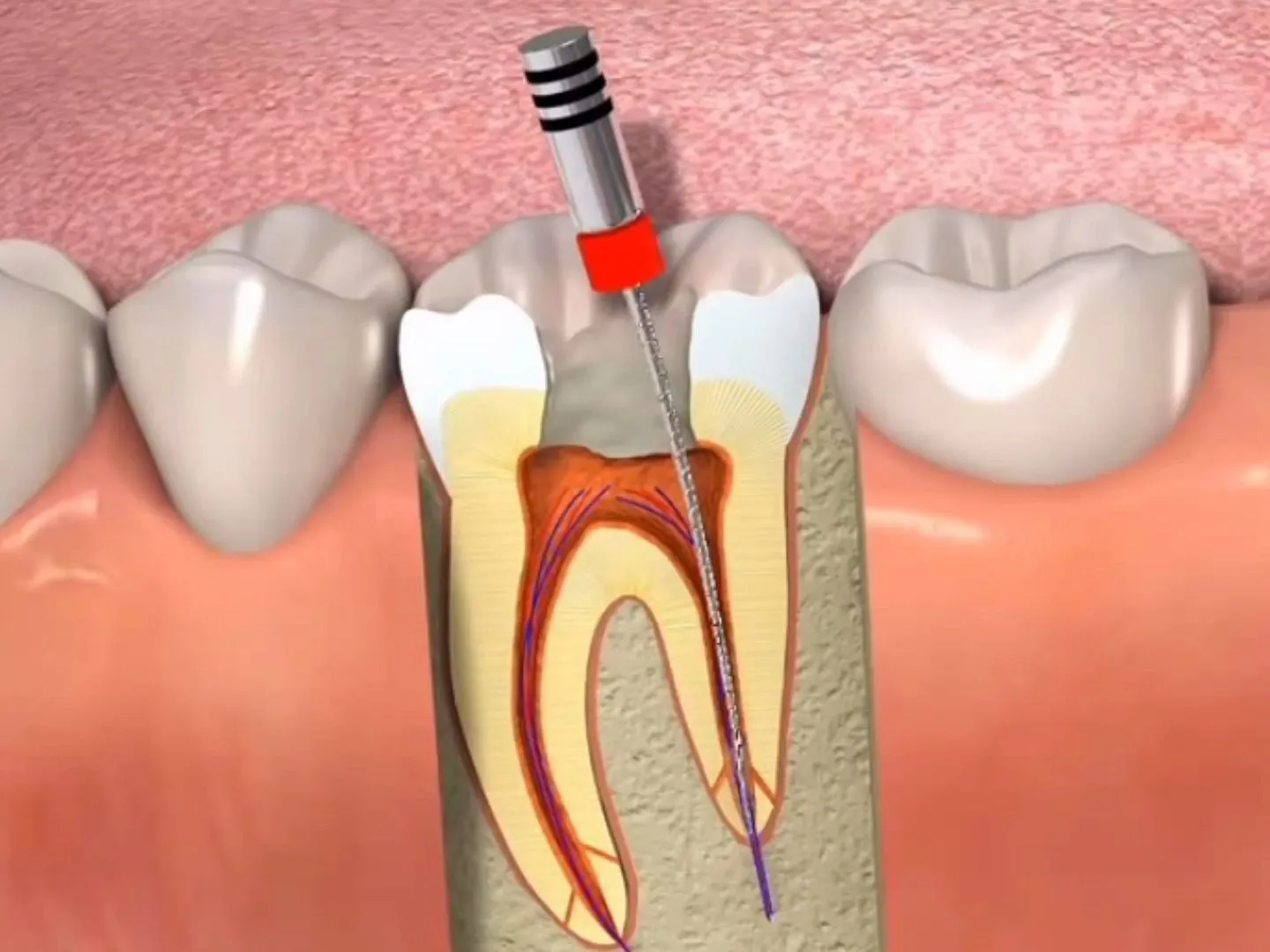
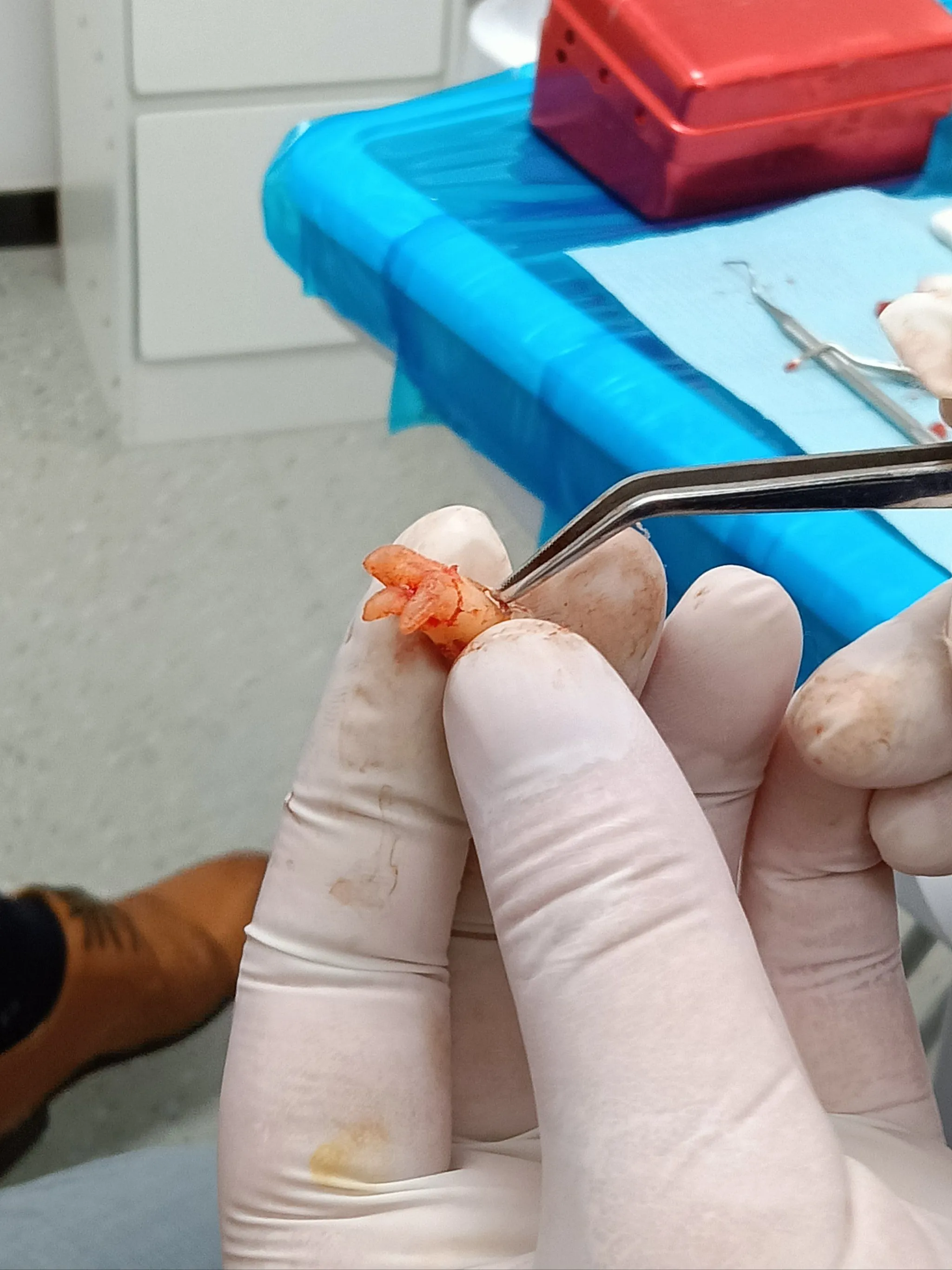
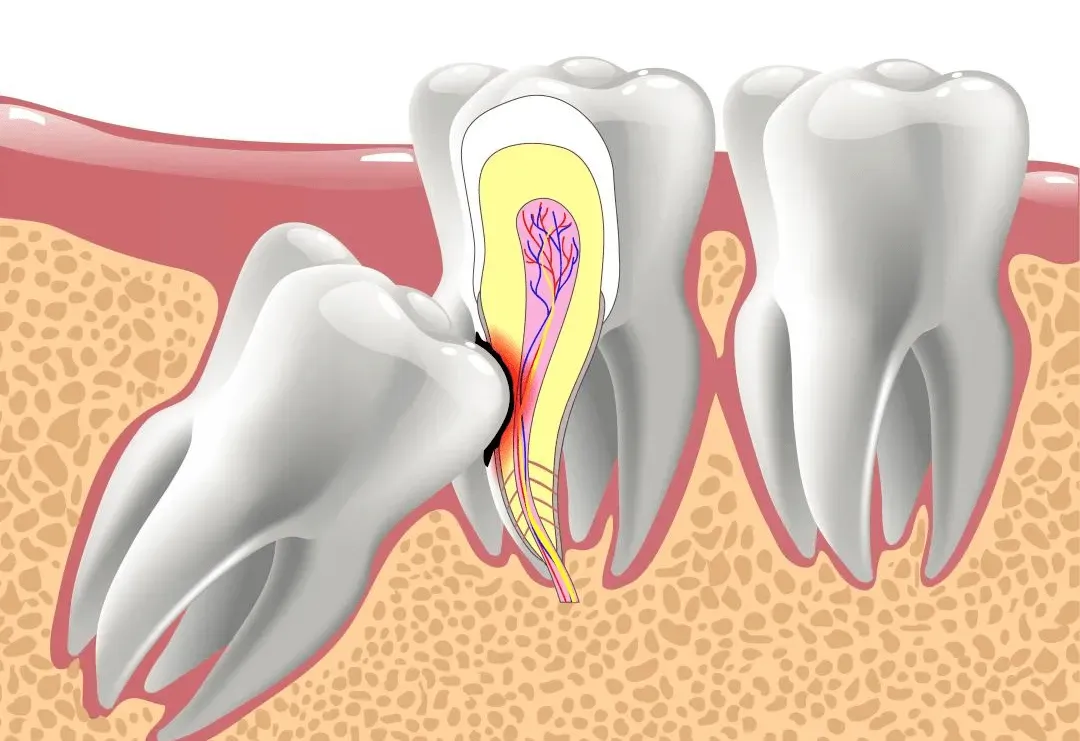
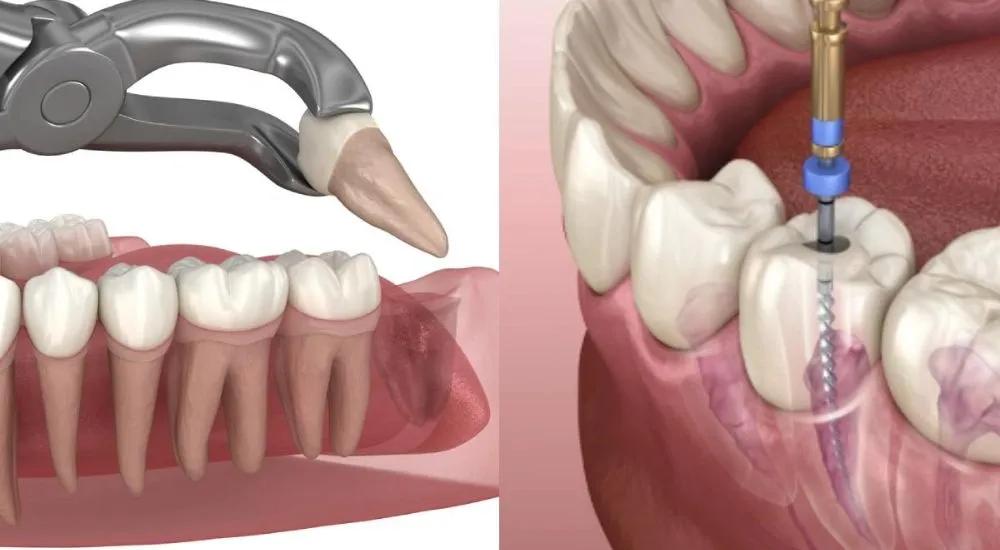
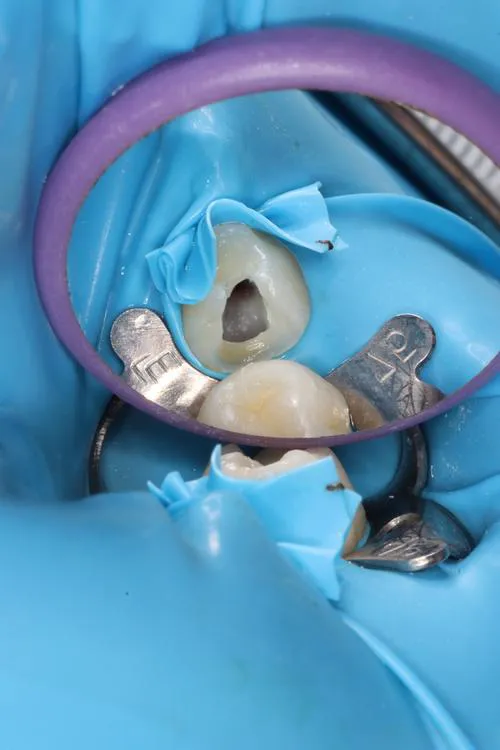
In simple terms, root canal treatment is a dental procedure that removes infected or damaged pulp inside a tooth. Once the pulp is removed, the inside of the tooth is carefully cleaned, disinfected, and then sealed with a filling material. The main goal is to save your natural tooth rather than having it extracted.
In Thailand, this treatment is performed by general dentists with root canal experience or by endodontists — specialists who focus on dental pulp and root canal problems. Modern dental clinics in Bangkok, Chiang Mai, Phuket, and other cities are equipped with digital X-rays, rotary tools, and sterilization systems to ensure precision and comfort.
### Why Crowns Are Often Recommended After Root Canal
Many dentists recommend placing a crown after root canal treatment because the tooth becomes more fragile without the pulp’s natural moisture and nutrients. A crown, usually made of porcelain or metal-ceramic, acts as a durable “cap” to protect the tooth from cracking under biting forces.
However, this is not a universal rule. Some teeth — especially front teeth — can remain strong enough without a crown if the structure is still in good shape after the root canal. In Thailand, dentists consider both clinical needs and patient budgets when making recommendations.
### When Root Canal Treatment Without a Crown Makes Sense
1. **Front Teeth Restoration**
Front teeth are used less for heavy chewing and more for biting food and aesthetics. If the tooth has sufficient healthy structure after a root canal, a strong composite filling may be enough to restore its function and appearance. This avoids the higher cost and extra visit for crown placement.
2. **Minimal Tooth Damage**
If the decay or trauma was limited and most of the original tooth is intact, the dentist might suggest a high-quality filling instead of a crown. The key is maintaining good oral hygiene and avoiding excessive pressure on the treated tooth.
3. **Temporary or Transitional Solution**
Some patients in Thailand choose to postpone a crown for budget reasons or because they are travelling. In such cases, the dentist may restore the tooth without a crown initially and schedule a follow-up for more permanent work later.
### Advantages of No-Crown Approach
- **Lower Cost** – Skipping a crown significantly reduces the total expense. This is worth noting because, while dental care in Thailand is generally affordable compared to Western countries, crowns still add a noticeable amount.
- **Less Invasive** – The dentist pres
erves more natural tooth structure without the need to reshape the tooth for crown fitting.
- **Faster Completion** – Root canal without crown often requires fewer visits, which is especially convenient for tourists with limited time in the country.
### Risks and Considerations
While a no-crown approach can work well in selected cases, it carries certain risks:
- **Higher Fracture Risk** – Back teeth, especially molars, take heavy chewing forces. Without crown protection, the tooth is more likely to crack.
- **Possible Retreatment** – If the filling wears down or the tooth breaks, further work — including a crown — may eventually be required.
- **Aesthetic Limitations** – Fillings may stain or wear faster than crowns, particularly for people who drink coffee or tea often (common daily habits in Thailand).
In Thai dental practice, dentists usually explain these points in plain language, often mixing in some local phrases or analogies to ensure patients fully understand the implications.
### Typical Root Canal Process in Thai Clinics
1. **Initial Examination and X-Ray**
The dentist checks the tooth and supporting tissues, then takes an X-ray to assess the infection or damage.
2. **Local Anaesthesia**
An injection is given to keep the procedure comfortable. In Thailand, patients also have the option to use additional sedation in specialised clinics.
3. **Cleaning and Shaping**
The infected pulp is removed, and the canals are shaped to prepare for filling. Rotary instruments are common in modern clinics here.
4. **Filling and Sealing**
The cleaned canals are filled with gutta-percha, a rubber-like material, and sealed to prevent reinfection.
5. **Final Restoration**
This could be a composite filling if no crown is chosen, or preparation for a crown if the patient agrees.
### Cost Range in Thailand
The cost for root canal treatment in Thailand varies depending on the tooth location, clinic, and city. In general:
- Front tooth RCT without crown: approximately 4,000–8,000 THB
- Molar tooth RCT without crown: approximately 7,000–12,000 THB
If a crown is added, expect an extra 9,000–15,000 THB depending on material and clinic reputation.
### Post-Treatment Tips for Longevity
If you decide on root canal without a crown, follow these care recommendations:
- Avoid biting hard foods with the treated tooth, especially in the first weeks
- Brush twice daily and floss at least once
- Visit your dentist every 6 months for check-ups and X-rays if needed
- Consider a crown later if you notice wear, fractures, or sensitivity
### Final Thoughts
Root canal treatment without a crown can be a practical choice in Thailand for certain cases, especially when the tooth structure is still strong or budget and time are considerations. However, it’s important to follow your dentist’s advice, understand the potential risks, and schedule regular monitoring.
With modern techniques, transparent pricing, and patient-friendly services, Thailand remains one of the best places in Asia for quality dental care — whether you need a crown or not. Thoughtful decision-making and good aftercare can help ensure your treated tooth lasts for many years without problems.
 collect
Hospitals included




Products included
Suggested reads