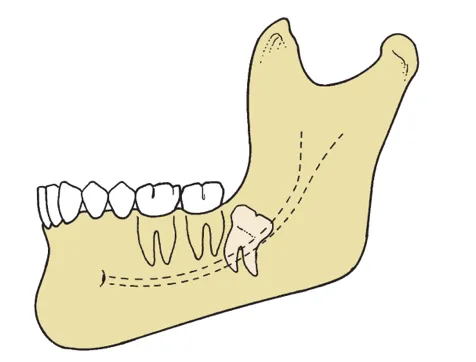
Thailand Root Canal for Electric-Shock Tooth Pain
**Thailand Root Canal for Electric-Shock Tooth Pain**
When you feel a sudden “electric shock” in your tooth, it can be more than just a minor discomfort. This sharp, shooting pain often means that the inner part of your tooth—known as the pulp—may be damaged or infected. In Thailand, one of the most reliable treatments for this problem is a root canal. With affordable costs, skilled dentists, and modern dental clinics, Thailand has become a sought-after destination for both locals and visitors seeking relief from severe tooth pain.
### Understanding Electric-Shock Tooth Pain
Many people describe the sensation as a sudden jolt that shoots through the tooth when biting down, eating something sweet, or drinking something hot or cold. In Thai everyday conversation, people sometimes say their tooth feels like it’s “tingling with pain” or “เจ็บจี๊ดๆ” (jep jid-jid) to express the intense, momentary discomfort.
Common causes include:
- Deep tooth decay reaching the nerve
- Cracked or fractured teeth
- Worn fillings
- Previous trauma to the tooth
- Infection inside the pulp
If left untreated, the pain usually worsens—sometimes becoming constant or spreading to the jaw and even the ear.
### Why a Root Canal is Often the Best Solution
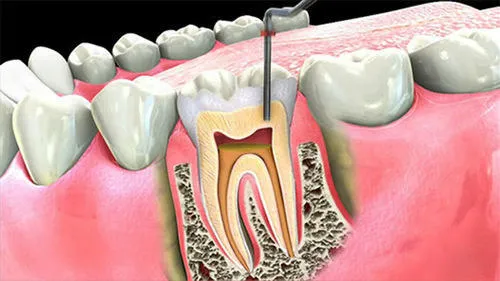
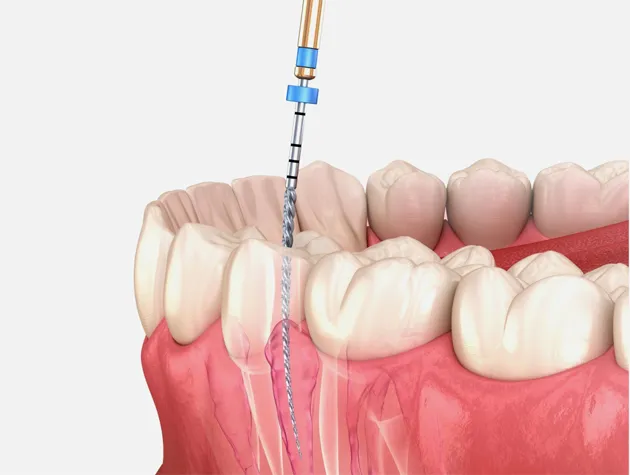
A root canal is a dental procedure that removes the infected or damaged pulp from inside the tooth, cleans and shapes the canals, and seals them to prevent further infection. In Thailand, dentists often recommend this treatment when the nerve is irritated beyond natural recovery.
By saving the tooth structure and eliminating the infection, a root canal helps relieve electric-shock pain almost instantly after recovery. You keep your natural tooth, avoid extraction, and preserve your ability to chew without discomfort.
### The Thai Dental Experience
Thailand is known for its warm hospitality in healthcare, and dentistry is no exception. Whether you’re visiting Bangkok, Chiang Mai, Phuket, or Pattaya, you can find dental clinics equipped with modern technology such as digital X-rays, rotary endodontic systems, and sterile work environments.
**Friendly atmosphere:** Thai dentists tend to communicate in a calm, reassuring tone. You may hear:
“Don’t worry, we’ll take good care of you” or “We’ll fix this so you can eat without pain.”
**Affordable cost:** Compared to many Western countries, Thailand offers root canal treatment at a fraction of the price. On average, a root canal for a front tooth may cost around 4,000–8,000 THB, while molars are higher due to complexity. For visitors, this can still be far less than what they’d pay back home.
**High skill level:** Many Thai dentists have trained internationally and continue updating their techniques through global dental conferences. Patients often feel confident in both their professional skills and gentle approach.
### Step-by-Step: What Happens in a Thai Root Canal
1.
**Diagnosis:** The dentist examines your tooth, listens to your description of the “electric shock” symptom, and takes X-rays to see if the pulp is infected.
2. **Local anesthesia:** A numbing injection ensures you won’t feel pain during the procedure.
3. **Pulp removal:** The dentist creates a small opening and carefully removes the damaged pulp tissue.
4. **Cleaning and shaping:** Fine instruments clean the canal walls and shape them for filling.
5. **Filling:** Using a biocompatible material, the canal is sealed.
6. **Restoration:** Usually, the tooth is restored with a crown or permanent filling to protect it.
In Thailand, appointments are often scheduled so that the entire procedure can be completed in one or two visits, depending on the severity of infection.
### Recovery and Aftercare
After the root canal, you may feel mild tenderness for a few days. Thai dentists commonly recommend pain relievers, avoidance of hard chewing on the treated tooth for a short time, and proper oral hygiene to prevent future problems.
You might hear friendly local advice like: “Ya kin kra-pao gap khao sak krang” (“Don’t bite basil leaves with rice for now”) meaning to avoid foods that require extra chewing effort.
### Prevention Tips in Thai Lifestyle Context
Many Thais enjoy sweet desserts such as mango sticky rice, Thai tea, and coconut ice cream. While these are delicious, too much sugar can lead to tooth decay and nerve irritation. Try to:
- Brush twice daily with fluoride toothpaste
- Floss or use an interdental brush
- Rinse with clean water after eating sweets
- Schedule a dental check-up every six months
These habits reduce the risk of electric-shock pain and the need for a root canal later.
### Choosing the Right Clinic in Thailand
For both locals and international patients, research is important. Look for:
- Licensed dentists (check certifications with the Dental Council of Thailand)
- Modern equipment and sterilization standards
- Clear communication about treatment plans and costs
- Positive patient reviews
In tourist areas, many dental clinics also offer English-speaking staff, making communication much easier.
### Final Thoughts: Relief is Within Reach
Electric-shock tooth pain is not something to ignore. In the Thai context, quick action means you can avoid sleepless nights and keep enjoying your favorite foods like som tum and pad Thai without discomfort. Root canal treatment in Thailand combines professional skill, reasonable cost, and gentle care—helping you get back to smiling confidently.
Whether you live here or are visiting, the moment you feel that “jep jid-jid” shock in your tooth, see a dentist. With timely treatment, your tooth can be saved, your pain relieved, and your overall dental health restored. In Thailand, a root canal isn’t just a procedure—it’s a pathway to eating, speaking, and living comfortably again.
 collect
Hospitals included




Products included

Suggested reads