Thailand Root Canal Treatment With Sedation Options
**Thailand Root Canal Treatment With Sedation Options**
If you are dealing with persistent tooth pain or sensitivity, chances are your dentist may recommend a root canal treatment. In Thailand, root canal therapy has become more advanced, comfortable, and accessible, offering patients modern sedation options to ease anxiety and ensure a smoother experience. For both locals and foreigners living or traveling in Thailand, understanding what the procedure involves, how sedation works, and what to expect can help you make an informed decision.
---
### Understanding Root Canal Treatment in Thailand
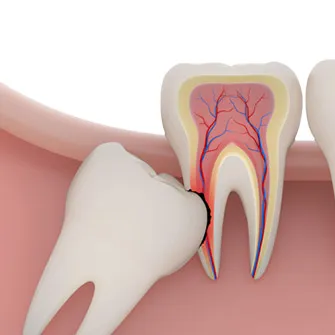
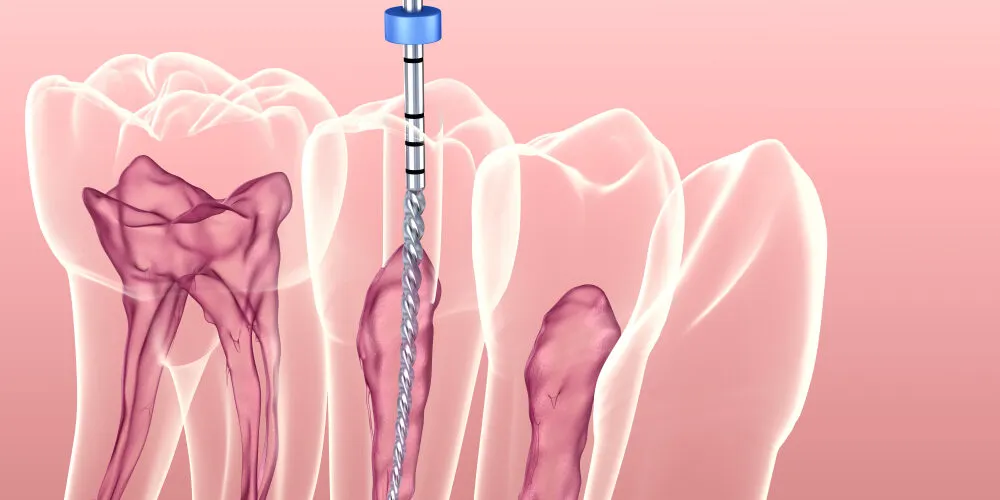
A root canal treatment is a dental procedure designed to save a damaged or infected tooth rather than removing it. Inside every tooth, there’s a soft tissue called the pulp, containing nerves and blood vessels. When the pulp becomes inflamed or infected due to deep decay, cracks, or repeated dental work, it can cause sharp pain and swelling.
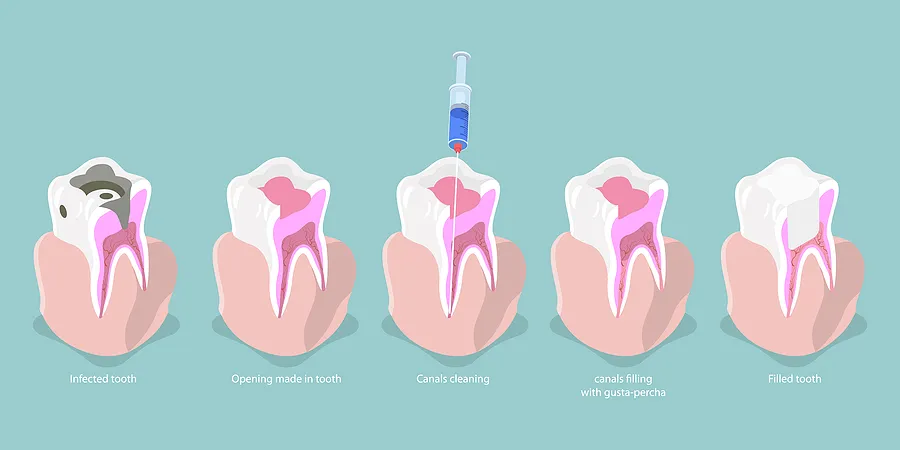
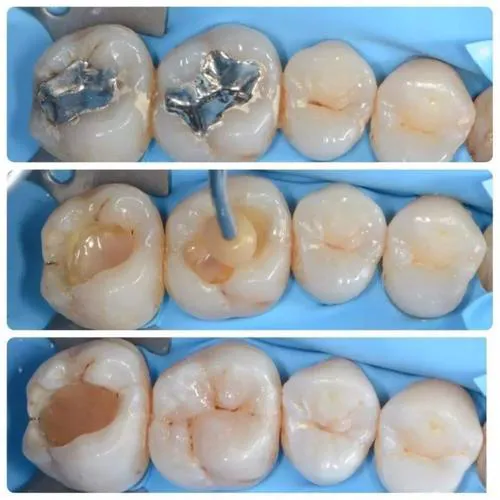
In Thailand, dentists follow internationally recognized protocols for root canal therapy. The process involves removing the infected pulp, carefully cleaning and shaping the canals inside the tooth, and then sealing them to prevent future infection. Modern techniques and advanced equipment mean the treatment can often be completed in one or two visits, depending on the tooth’s condition.
---
### Why Sedation Makes a Difference
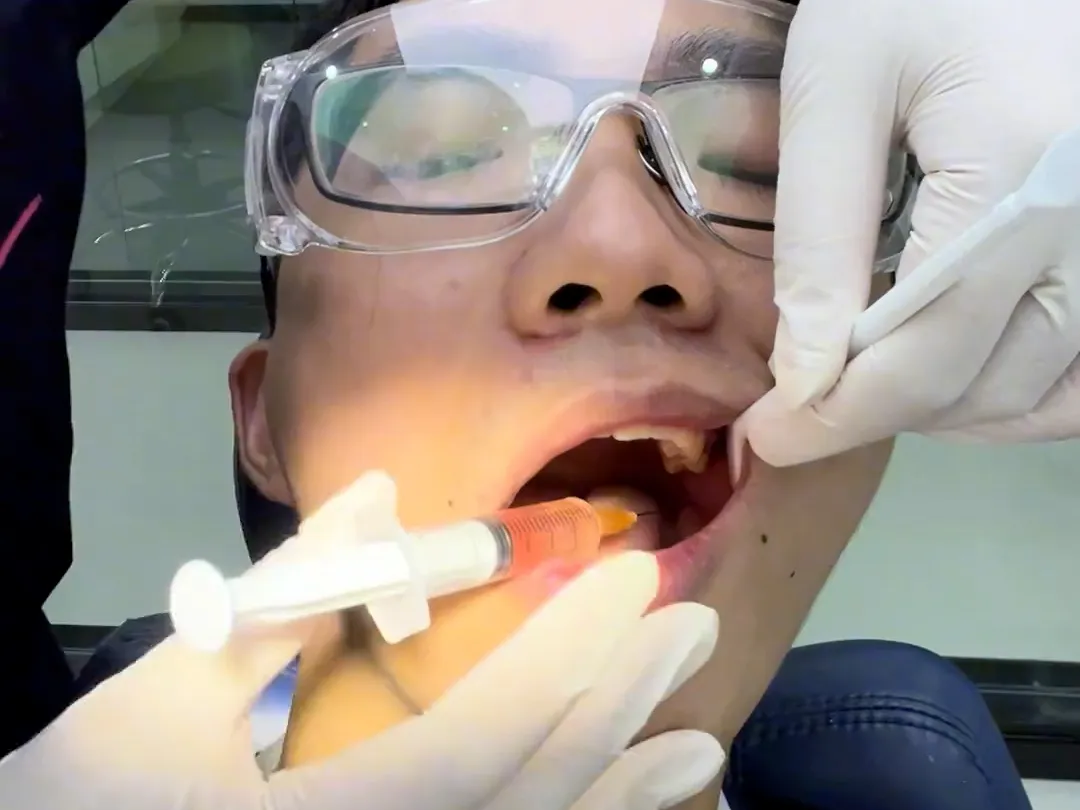
Many people shy away from dental treatments because of fear or anxiety, especially when they hear the term “root canal.” Although root canal therapy is generally painless thanks to local anesthesia, some patients still feel nervous before or during the procedure. This is where sedation dentistry comes in.
Sedation options available in Thailand help patients relax physically and mentally throughout the treatment. They do not replace local anesthesia (which numbs the tooth), but work alongside it to create a calm, stress-free environment. For people traveling from overseas who may be unfamiliar with Thai dental clinics, sedation can be a comforting choice.
---
### Common Sedation Options in Thai Dental Clinics
1. **Nitrous Oxide (Laughing Gas)**
Nitrous oxide is a gentle sedation method inhaled through a mask. It works quickly to reduce anxiety and creates a light, floating sensation. Once the mask is removed, the effects wear off rapidly, meaning you can drive or return to normal activities soon after treatment.
2. **Oral Sedation**
Taken in pill form before the procedure, oral sedation helps you feel relaxed and less aware of the sounds or sensations during the treatment. You may feel drowsy, so it’s best to have someone accompany you to and from the clinic.
3. **IV Sedation**
Intravenous sedation is delivered directly into the bloodstream, allowing the dentist to adjust the level of sedation during the procedure. This option is often chosen for more complex cases or for patients with high dental anxiety. Under IV sedation, you remain conscious but deeply relaxed, and many people remember very little afterward.
---
### Choosing the Right Option for You
Your dentist will discuss your medical history, anxiety level, and the complexity of your root canal treatment before recommending a sedation method. In Thailand, reputable dental clinics always perform a thorough check to ensure sedation is safe for you. If you are travelling from abroad, sharing your health records in advance is
highly advised.
---
### Quality of Care in Thailand
One reason dental tourism is thriving in Thailand is the combination of high-quality treatment, modern facilities, and reasonable costs compared to many Western countries. Major cities such as Bangkok, Chiang Mai, and Phuket have internationally trained endodontists (root canal specialists), many of whom speak fluent English and are experienced in treating foreign patients.
Clinics often use digital X-rays, rotary instruments, and advanced filling materials to enhance precision and shorten appointment times. With sedation options available, dental care in Thailand aims to combine effectiveness with comfort.
---
### What to Expect Before, During, and After
Before the procedure, your dentist will conduct an examination, sometimes including X-rays, to see the extent of the infection. If sedation is planned, you’ll receive instructions such as fasting for a number of hours or adjusting any current medications.
During the root canal, local anesthesia will completely numb the tooth, while sedation will keep you relaxed. The dentist will work methodically to remove the infection, clean the canals, and place a temporary or permanent filling. If the tooth needs extra protection, a crown may be fitted afterward.
After the procedure, most patients experience only mild discomfort that can be managed with regular pain relief. If sedation was used, recovery times can vary depending on the method chosen. Your dentist will provide aftercare tips, which may include avoiding hard foods for a short period and returning for a follow-up appointment.
---
### Costs and Insurance
Root canal treatment costs in Thailand can vary depending on the clinic location, specialist expertise, type of tooth treated, and sedation method used. For example, molars are more complex to treat and may cost more than front teeth. Sedation adds an additional fee on top of the standard treatment.
Many expatriates and dental tourists pay out of pocket, but some international insurance plans cover such procedures if performed by licensed dentists. Always confirm coverage in advance if you plan to claim reimbursement.
---
### Tips for a Smooth Experience
- **Choose a reputable clinic** with certified dentists and clear communication.
- **Ask about sedation options** early so you can prepare mentally and physically.
- **Share your full medical history** including allergies and medications.
- **Plan your schedule** to allow some rest after treatment, especially with sedation.
- **Follow aftercare instructions** closely to ensure a successful recovery.
---
### Final Thoughts
Root canal treatment can sound intimidating, but in Thailand, patients have access to skilled specialists, modern technology, and flexible sedation options that make the process far more comfortable. Whether you live in Thailand or are visiting for dental tourism, the combination of professional care and a calming environment means you can preserve your natural tooth without unnecessary stress.
By understanding the sedation choices available—from gentle laughing gas to deeper IV sedation—you can work with your dentist to create a treatment plan that suits your needs and ensures the most positive experience possible. Dentistry in Thailand is not just about fixing teeth—it’s about caring for the patient as a whole, with comfort and quality taking top priority.
 collect
Hospitals included




Products included