Thailand Root Canal for Long-Standing Toothache
**Thailand Root Canal for Long-Standing Toothache**
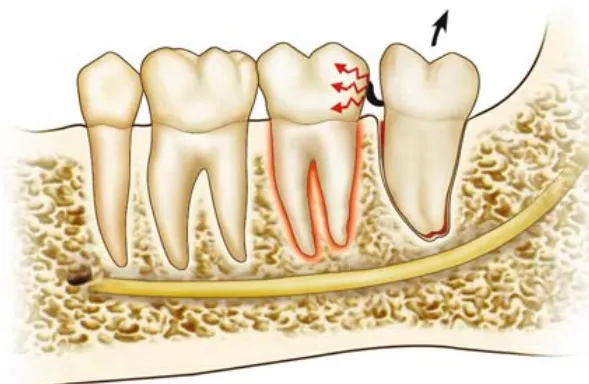
If you’ve been dealing with that same dull, nagging tooth pain for weeks or even months, chances are it’s more than just a little sensitivity. Many people in Thailand experience long-standing toothaches due to untreated cavities, cracked teeth, or infections deep within the tooth. When the nerve of your tooth is damaged or infected, a simple filling may not be enough — and that’s when a root canal treatment becomes the recommended solution.
In Thailand, a root canal is a common dental procedure performed in both private clinics and well-equipped hospital dental departments. While some may shy away because of misconceptions, modern root canal therapy is safe, effective, and far more comfortable than most people expect.
---
**Understanding Why Toothaches Persist**
A toothache that lingers for days or weeks usually involves the pulp — the soft tissue inside the tooth that contains nerves and blood vessels. In Thailand’s warm and humid climate, many people enjoy sweet iced drinks, sticky desserts like mango sticky rice, and other foods that can increase the risk of tooth decay. If cavities are left untreated, bacteria can spread deeper until they reach the pulp, causing inflammation and severe discomfort.
Other common causes include:
- Cracked or chipped teeth from chewing ice or hard snacks
- Previous dental work that has failed over time
- Injury to the tooth from accidents or sports activities
Once the pulp is damaged, it cannot heal naturally. This is where root canal therapy comes in — to remove the infected tissue, clean the root canals, and protect the tooth from future problems.
---
**What Happens During a Root Canal in Thailand**
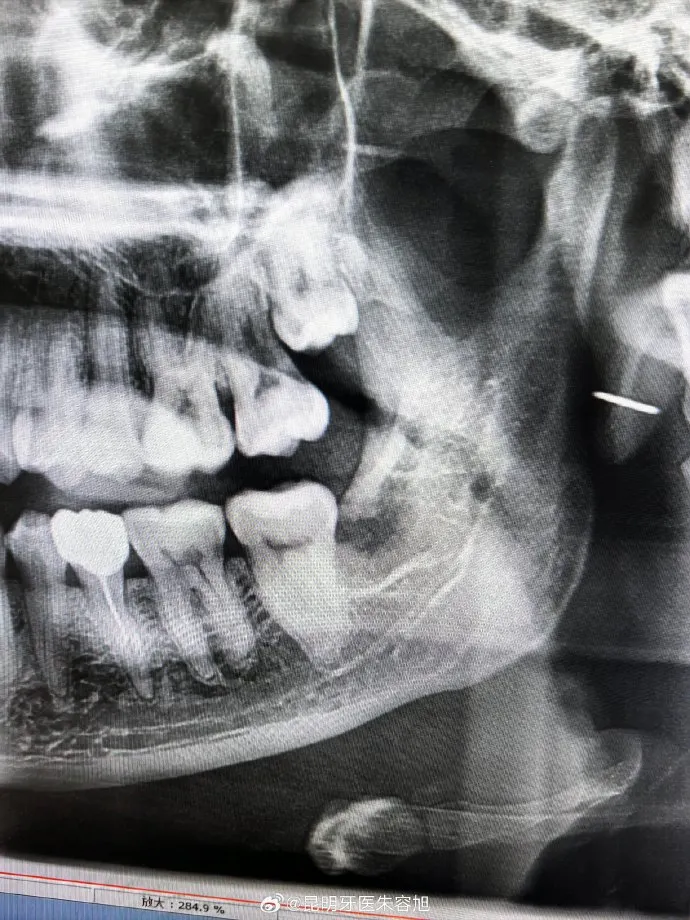
If you visit a Thai dentist with a long-standing toothache, the first step is diagnosis. Many clinics, especially in Bangkok, Chiang Mai, and Phuket, use digital X-rays to check the extent of damage. If the pulp is affected, your dentist may recommend a root canal.
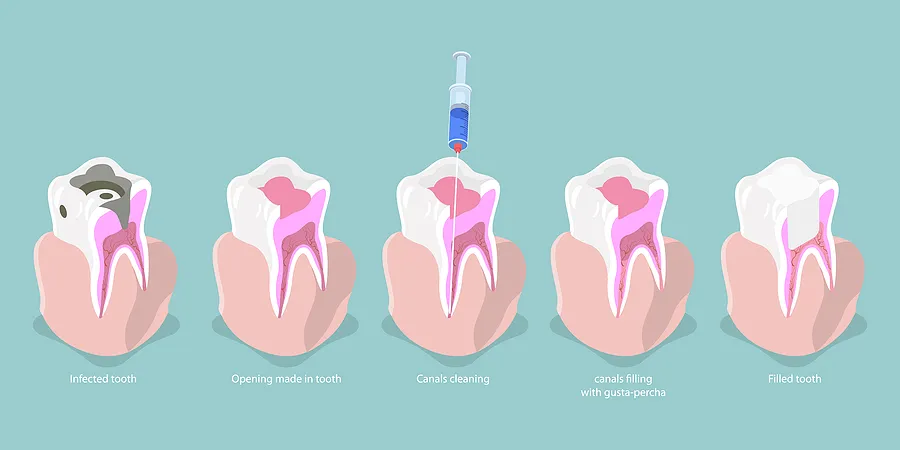
The process generally involves:
1. **Numbing the tooth** – Local anesthesia ensures you feel comfortable throughout.
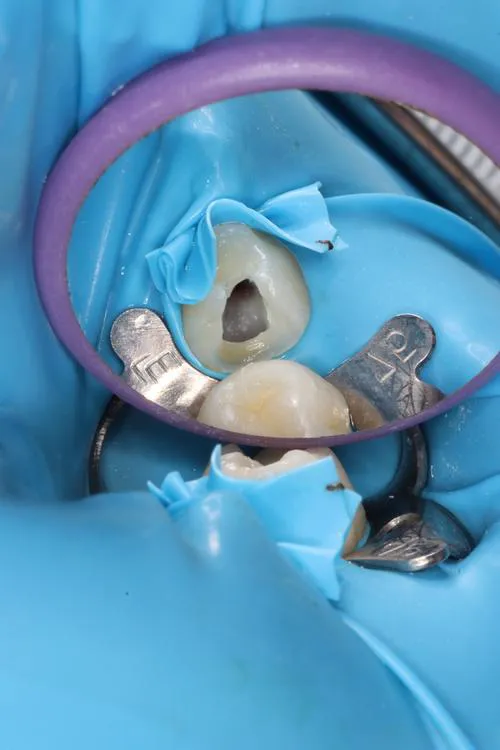
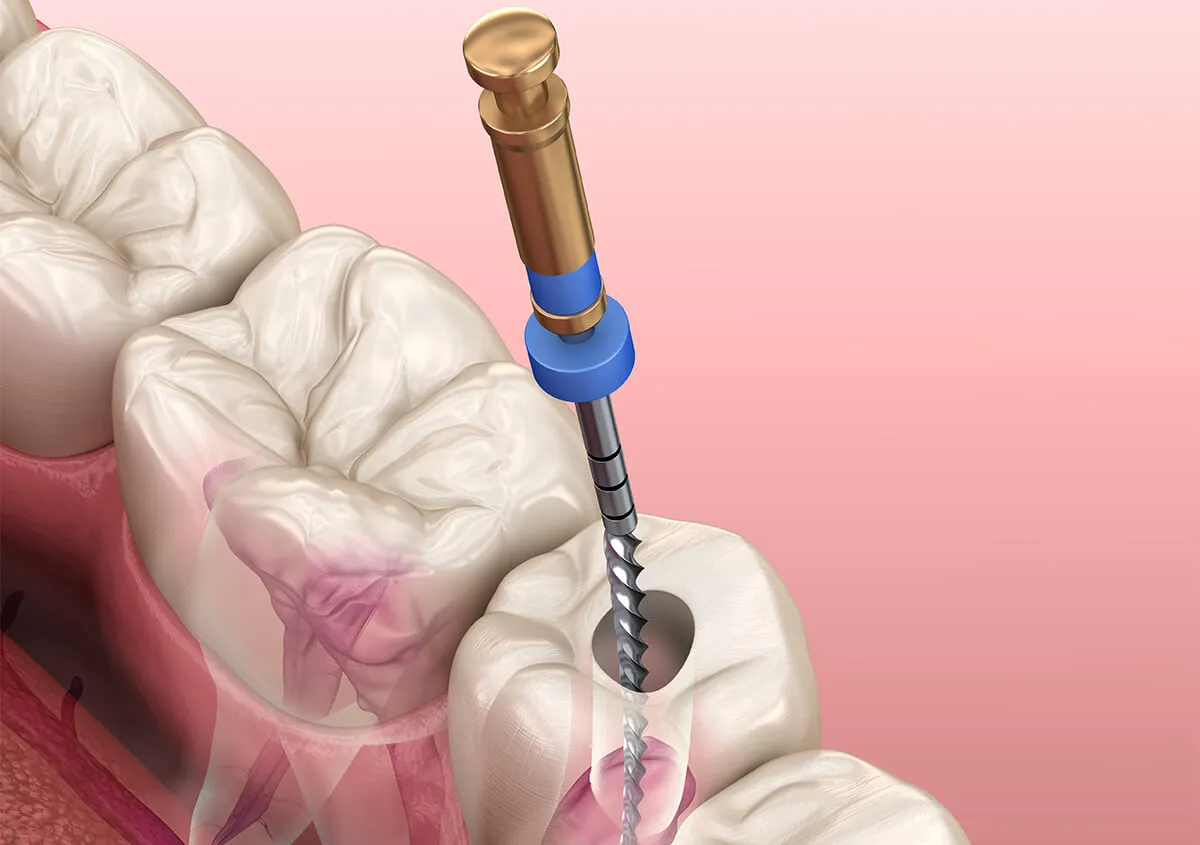
2. **Opening the tooth** – The dentist accesses the pulp chamber to remove infected tissue.
3. **Cleaning and shaping the canals** – Special instruments are used to thoroughly clean inside the roots.
4. **Filling and sealing** – The empty canals are filled with a safe, rubber-like material to prevent reinfection.
5. **Placing a crown** – To restore strength, a dental crown is often fitted after the root canal, especially for molars.
Many patients in Thailand are surprised at how painless the experience is compared to what they had imagined. Modern techniques, gentle hands, and high-quality anesthetics make it a smooth process.
---
**Costs of Root Canal Treatment in Thailand**
Compared to Western countries, dental care in Thailand is known for its affordability. In Bangkok, prices for a root canal can start from around 3,000–8,000 THB for single-root teeth, and 8,000–15,000 THB for molars, depending on the cl
inic and complexity. This is why Thailand attracts many dental tourists from Australia, Europe, and the Middle East — it’s possible to combine treatment with a relaxing holiday.
Local residents also benefit from competitive pricing and the availability of dentists trained both locally and abroad.
---
**Benefits Beyond Pain Relief**
A successful root canal not only removes the source of pain but also saves your natural tooth — something that is always better than extraction. Keeping your own tooth helps maintain proper chewing, jaw alignment, and the natural appearance of your smile.
In Thailand, where a bright smile is considered part of friendly social interactions, preserving your teeth can also boost confidence in both personal and professional life.
---
**Aftercare and Recovery**
After a root canal, it’s normal to feel mild soreness for a day or two, which can be managed with over-the-counter pain relief. Dentists in Thailand often give advice such as:
- Avoid chewing hard foods on the treated tooth until the crown is placed
- Maintain good oral hygiene with gentle brushing and flossing
- Come back for follow-up visits to ensure the tooth is healing well
Because many Thai dentists have flexible scheduling, it’s easy to arrange check-ups or crown placement without long waits.
---
**Finding the Right Dentist in Thailand**
When it comes to root canal treatment, skill and experience matter. Look for clinics that:
- Have registered dentists certified by the Dental Council of Thailand
- Use modern sterilization practices and equipment
- Offer transparent pricing before treatment begins
- Communicate clearly in Thai or English
Popular dental areas in Bangkok include Sukhumvit and Silom, where expat-friendly clinics operate alongside local practices. In tourist cities like Chiang Mai, Patong, and Hua Hin, many dentists cater to both locals and international patients.
---
**Preventing Future Toothaches**
Once your root canal is done, you’ll want to avoid ever needing another one. Thai dentists often recommend:
- Reducing sugary drinks like cha yen (Thai iced tea)
- Rinsing your mouth with water after eating sweet or sticky snacks
- Scheduling dental cleanings twice a year
- Wearing a mouthguard if you play sports or grind your teeth at night
Being proactive with oral care can help you enjoy Thailand’s delicious food and vibrant lifestyle without worrying about dental emergencies.
---
**The Takeaway**
A long-standing toothache isn’t something you should just “put up with” — it’s a signal that something deeper may be wrong. In Thailand, root canal treatment offers a reliable way to stop the pain, save your tooth, and restore your comfort. With skilled dentists, modern facilities, and reasonable costs, you can get the care you need while enjoying everything the Land of Smiles has to offer.
If you’ve been living with tooth pain for too long, consider making an appointment at a trusted Thai dental clinic. Your smile — and your quality of life — will thank you.
 collect
Hospitals included




Products included



Suggested reads