Thailand Root Canal for Deep Tooth Decay
**Thailand Root Canal for Deep Tooth Decay**
For many people living in or visiting Thailand, dental care often comes up when dealing with sudden pain or unexpected tooth problems. One of the most common yet feared dental treatments is the root canal. In Thailand, root canal therapy is a trusted solution for saving a tooth that is suffering from deep decay or severe infection. Understanding what it involves, why it’s needed, and how it’s handled here can help you feel more confident about getting treatment.
### Understanding Deep Tooth Decay
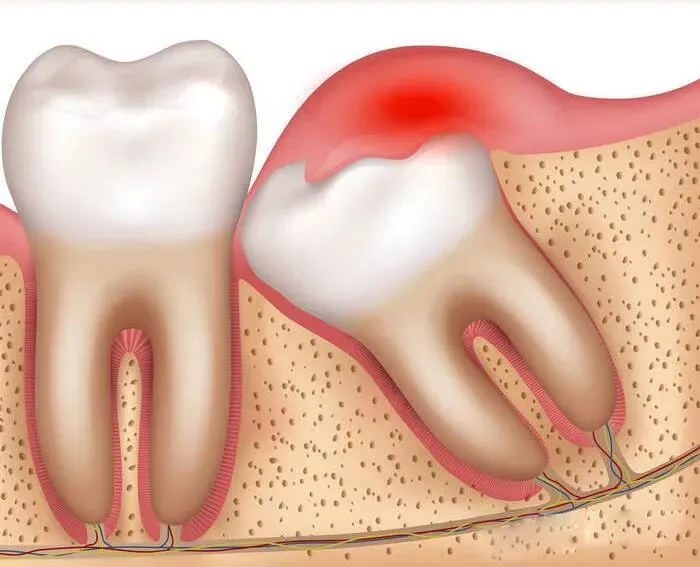
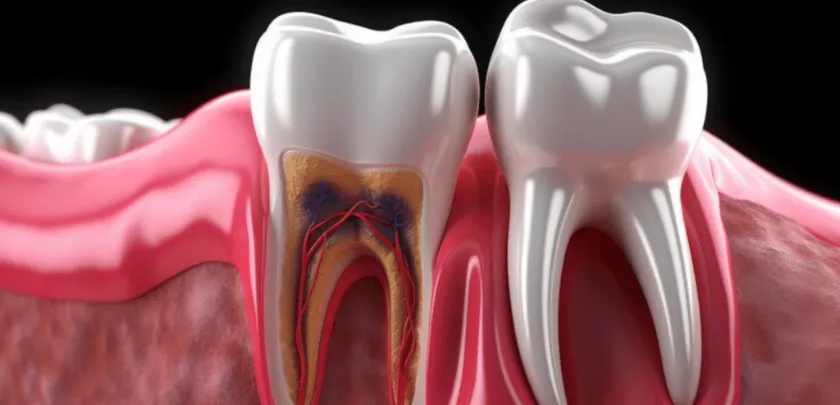
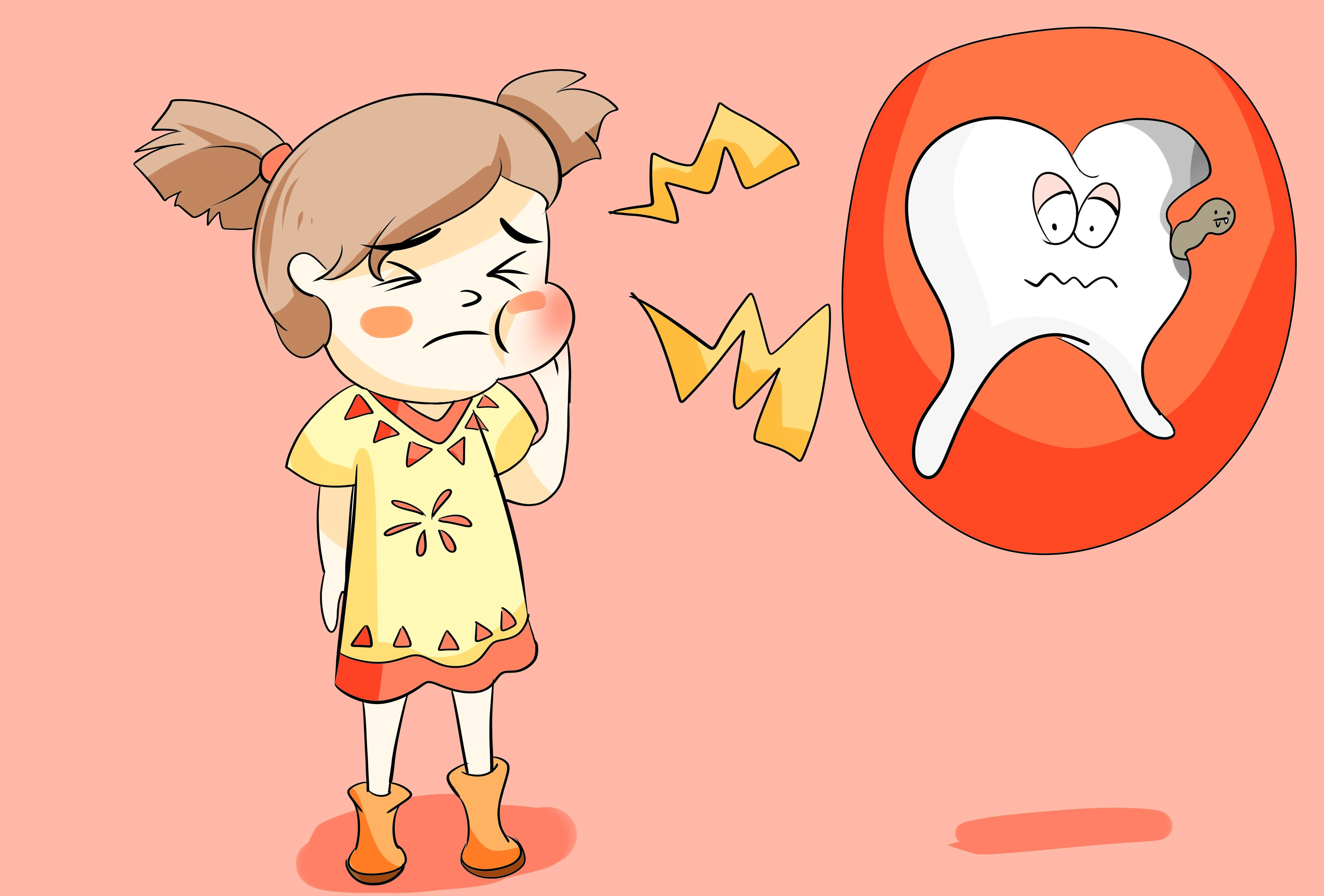
Tooth decay can start small, often as a tiny cavity that may not seem like a big deal. But if left untreated, decay progresses deeper into the tooth, reaching the pulp — the inner part containing nerves and blood vessels. Once the pulp is infected, pain becomes more intense. People often describe it as a throbbing ache that doesn’t go away, sometimes spreading to the jaw or ear.
Deep tooth decay is not something to ignore. Apart from the pain, the infection can spread further, affecting surrounding teeth or even leading to swelling in the face. At this stage, a root canal is often the only way to keep the tooth instead of removing it.
### Why Choose Root Canal Treatment in Thailand
Thailand’s dental services are well-known for being both professional and affordable compared to many other countries. Whether you are in Bangkok, Chiang Mai, Phuket, or a smaller city, you can find experienced dentists who are trained in modern techniques. Many clinics here use advanced equipment like digital X-rays and rotary instruments, which make treatment faster and more comfortable.
In addition, Thailand has a strong reputation for dental tourism. Patients from Australia, the UK, Europe, and even the US visit Thai dental clinics for high-quality care at reasonable prices. Root canal therapy, in particular, tends to be more affordable here without compromising on standards.
### Step-by-Step Root Canal Process
When you go to a dentist in Thailand with deep tooth decay, the first step is a thorough examination. The dentist will often take an X-ray to assess the extent of the damage and check whether the infection has reached the surrounding bone.
If a root canal is recommended, here’s the process you can expect:
1. **Local Anesthesia** – Your dentist will numb the area so you don’t feel pain during the procedure.
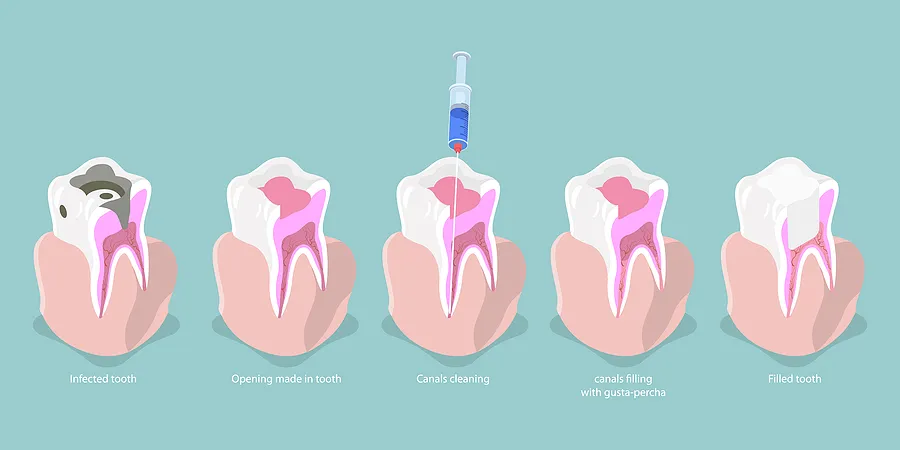
2. **Accessing the Pulp** – A small opening is made in the tooth, giving the dentist access to the infected pulp.
3. **Cleaning the Canals** – Using fine tools, the dentist removes the infected tissue and carefully cleans the inside of the root canals.
4. **Shaping and Filling** – The canals are shaped to prepare them for filling, then sealed with a special material to prevent further infection.
5. **Restoring the Tooth** – A filling or crown is placed to protect the tooth and restore its function. In many cases, a crown is recommended for strength and longevity.
### Pain and Recovery
Many people worry that root canal treatment will be painful. In reality, modern root canal therapy in Thailand is straightforward and relatively painless thanks to effec
tive anesthetics. Discomfort is usually mild and temporary, often lasting only a couple of days after treatment. Dentists will advise you on care, which might include avoiding chewing on hard foods until the tooth is fully restored.
### Costs in Thailand
Root canal treatment costs can vary depending on the tooth involved and the complexity of the case. Front teeth generally have a single canal, making them easier and cheaper to treat, while molars may have multiple canals and require more time. On average, root canal treatment in Thailand ranges from about 5,000 to 12,000 THB per tooth, with an additional fee if a crown is needed.
For visitors from countries where dental treatment is expensive, these rates are often significantly lower, even when factoring in travel expenses. This affordability, paired with skilled care, makes Thailand an attractive destination for dental work.
### Finding the Right Dentist
When choosing a clinic in Thailand, look for dentists who have postgraduate training or specialisation in endodontics — the branch of dentistry dealing with root canals. Many Thai dentists study abroad and speak English fluently, which can make communication much easier for foreign patients.
Reading online reviews or asking for recommendations can help you find a reputable clinic. Also, check whether the clinic follows proper sterilisation procedures and uses up-to-date equipment.
### Caring for Your Tooth After a Root Canal
After a successful root canal, good oral hygiene is essential to prevent future problems. Brushing twice daily with fluoride toothpaste, flossing, and regular dental check-ups should become a habit. If you receive a crown, remember it needs the same care as natural teeth.
Dentists in Thailand often recommend a follow-up visit after a few months to ensure the treated tooth is healing well. Attending this appointment is important, especially if you live abroad, as it gives the dentist a chance to address any concerns before they become serious.
### The Benefits of Acting Early
While Thailand is an excellent place to get root canal treatment, prevention is always better than cure. Addressing cavities early can often prevent the need for major treatment. Routine check-ups at a trusted Thai dental clinic can catch decay before it becomes deep and painful.
In cases where deep decay does occur, timely root canal therapy can save the tooth and avoid the complications of extraction. Keeping your natural teeth where possible is always a healthier option, both for chewing function and maintaining a natural smile.
### Final Thoughts
Living with deep tooth decay is not only painful but can also affect your overall health. In Thailand, patients have access to modern, skilled, and affordable root canal treatments that can restore comfort and preserve natural teeth. Whether you are a local resident or an international visitor, getting prompt care from a qualified dentist can make all the difference.
By understanding the process, costs, and quality of care available, you can make confident decisions about your dental health — and smile knowing your teeth are in good hands.
 collect
Hospitals included



Products included
Suggested reads