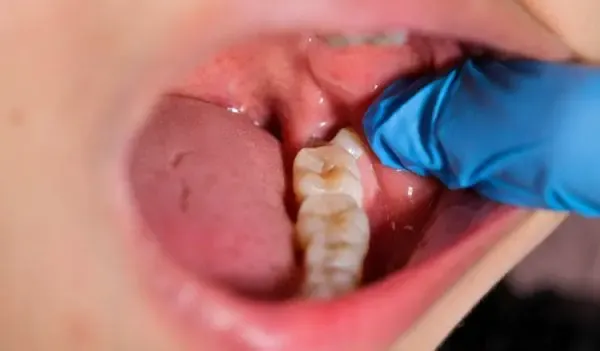
Thailand Root Canal Treatment for Narrow Canals
**Thailand Root Canal Treatment for Narrow Canals**
When you think of dental care in Thailand, you might imagine bright smiles, modern clinics, and warm hospitality. Dental tourism has grown rapidly here, especially for those seeking high-quality treatments at affordable prices. Among these treatments, **root canal therapy** is one of the most common and crucial procedures – particularly when dealing with **narrow or curved root canals**, which require precision, skill, and advanced technology.
### Understanding Root Canal Treatment
A root canal treatment is performed to save a tooth that is badly decayed or infected. Inside every tooth, there is a soft tissue called the pulp, which contains nerves and blood vessels. When this pulp becomes infected due to deep decay, cracks, or trauma, it can cause severe pain and swelling. Instead of removing the tooth, a dentist or endodontist removes the infected pulp, cleans the canal, and seals it to prevent further infection.
### The Challenge of Narrow Canals
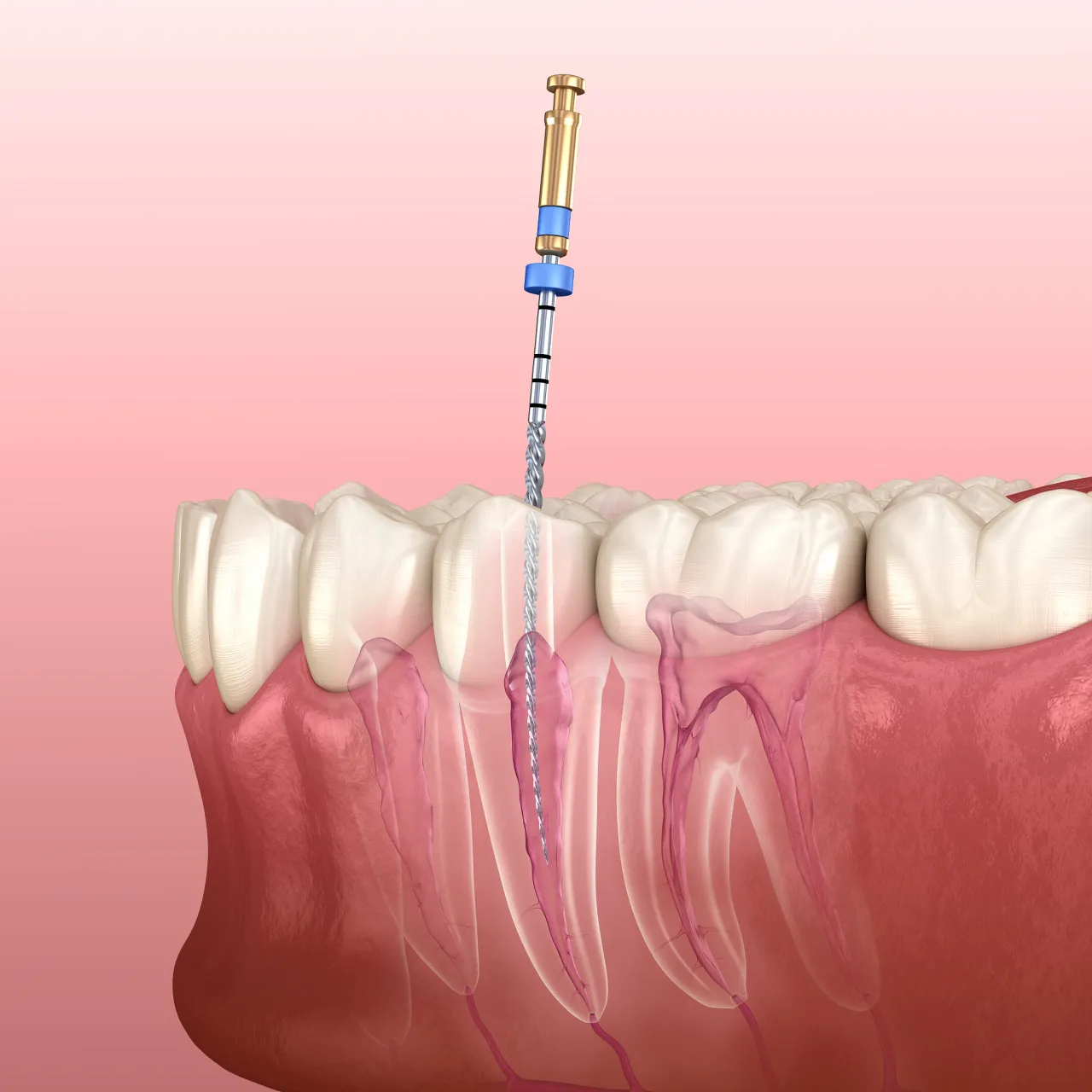
Not all root canals are straightforward. Some teeth, especially premolars and molars, may have **very narrow or curved canals** that make cleaning and shaping more complicated. Narrow canals can hide small bacterial pockets or debris that are difficult to remove with traditional methods. If left untreated or inadequately cleaned, the infection could persist or return, leading to more discomfort or the need for retreatment.
This is why it’s important to find a dental clinic in Thailand that has experience and the right tools to handle narrow canals effectively. Modern dental practices across the country, especially in Bangkok, Chiang Mai, and Phuket, are equipped with cutting-edge technology to make these complex procedures smoother and more comfortable.
### Advanced Equipment Used for Narrow Canals in Thailand
Many top dental clinics in Thailand invest in **digital imaging and advanced endodontic systems** to manage even the most complicated cases. Tools and techniques commonly used include:
- **Dental Operating Microscope (DOM):** This magnifies the inside of the tooth, allowing the dentist to see narrow or hidden canals clearly.
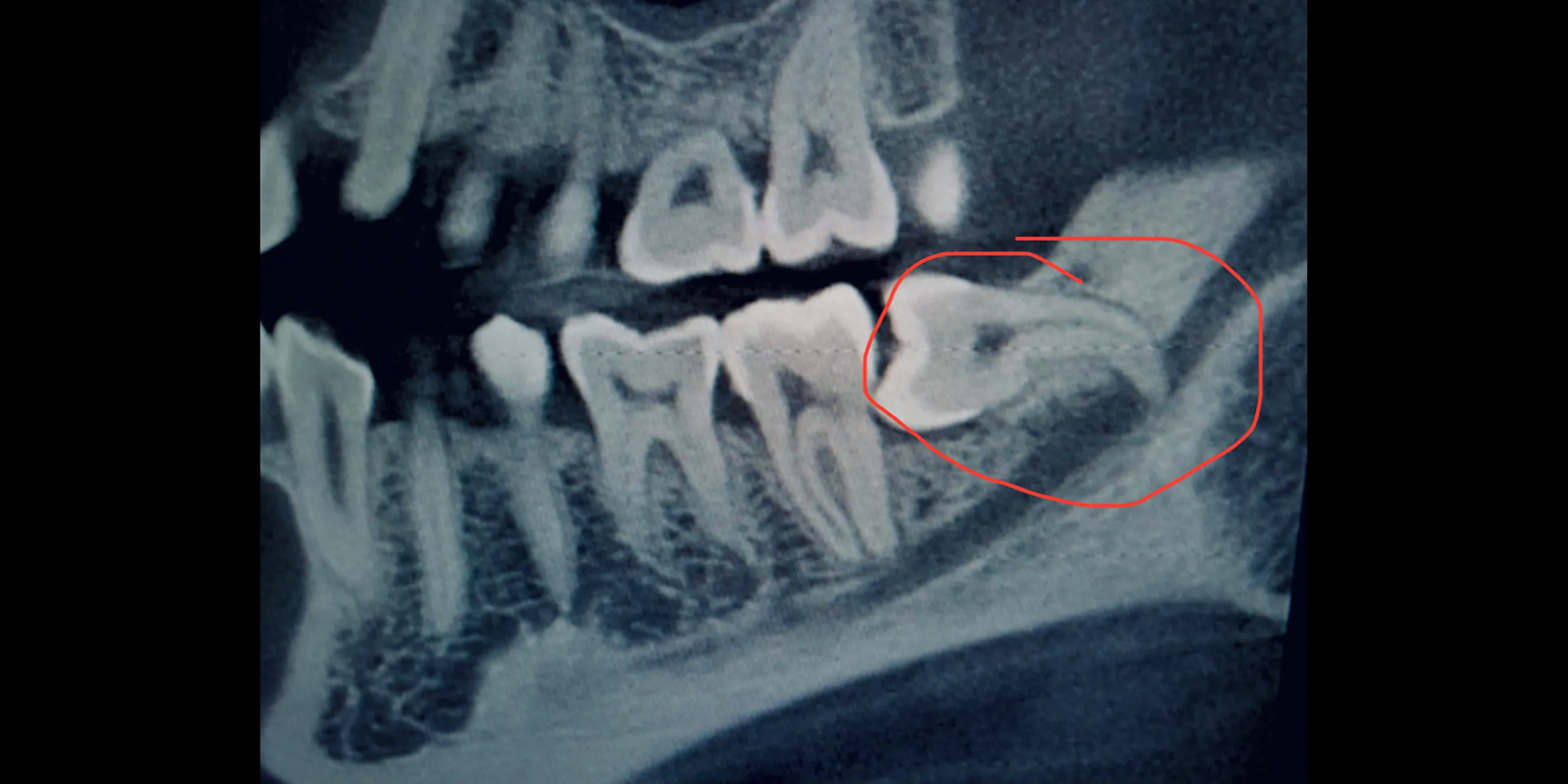
- **CBCT (Cone Beam CT) Scans:** 3D imaging helps map out the tooths internal structure before the procedure for precise planning.
- **Rotary Endodontic Instruments:** These flexible, high-speed tools make cleaning and shaping narrow canals more efficient than manual files.
- **Ultrasonic Activation:** Helps in disinfecting and irrigating the canals thoroughly, ensuring that bacteria are completely removed.
The combination of these tools allows Thai endodontists to work with greater accuracy and speed while improving patient comfort and treatment success rates.
### Why Choose Thailand for Root Canal Treatment
Thailand’s reputation as a dental hub is well-earned. The blend of **internationally trained dentists**, **modern dental facilities**, and **reasonable costs** attracts patients from all over the world. Whether you are a local resident or an international visitor, you can expect standards comparable to those in Western countries — often at a fraction of the p

rice.
Some of the main reasons people choose Thailand for root canal therapy include:
1. **Expertise in Complicated Cases:** Many Thai endodontists have postgraduate training abroad and handle diverse cases daily.
2. **Affordable Treatment Costs:** The cost of a root canal in Thailand can be significantly lower than in the U.S., Australia, or Europe, even with the same materials and techniques.
3. **Comfortable Dental Experience:** With Thai hospitality and attention to detail, patients often feel less anxious during treatment.
4. **Dental Tourism Convenience:** Patients can combine treatment with a relaxing holiday, enjoying beaches, spas, and cultural attractions during recovery.
### What to Expect During the Procedure
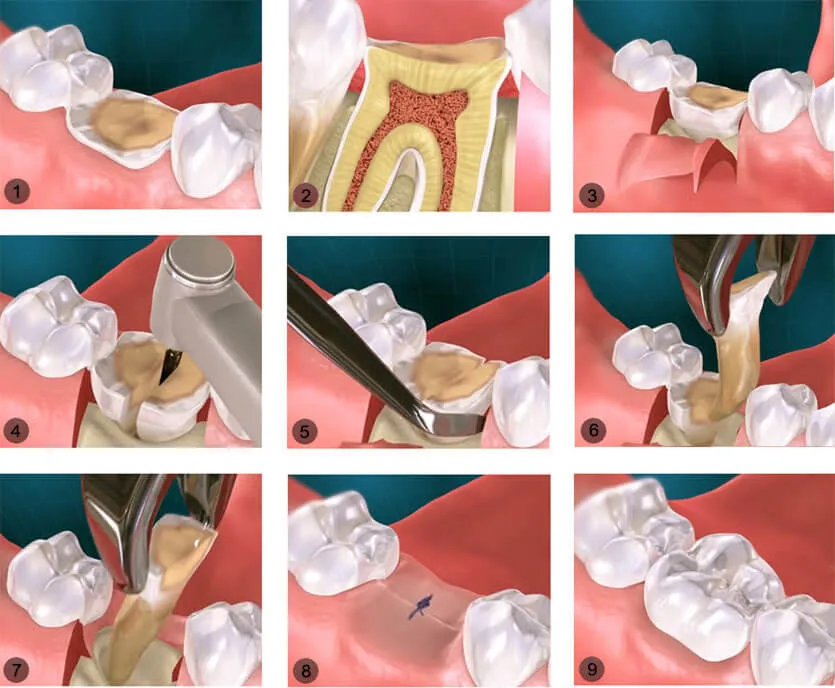
If you’re scheduled for root canal treatment in Thailand, here’s a step-by-step overview of what usually happens:
1. **Diagnosis and Imaging:** The dentist takes X-rays or an advanced scan to evaluate the tooth’s condition.
2. **Local Anesthesia:** The area is numbed to ensure the procedure is pain-free.
3. **Cleaning the Canals:** The dentist removes the infected pulp and disinfects the canals thoroughly. For narrow canals, this phase may take longer and require specialized tools.
4. **Filling and Sealing:** After cleaning, the canals are filled with a biocompatible material (usually gutta-percha) and sealed.
5. **Crown Placement:** In most cases, a crown is placed on the treated tooth to protect it from future damage.
Most treatments are completed in one or two visits, depending on the tooth’s complexity. Modern anesthesia and advanced instruments ensure the process is as comfortable as possible.
### Aftercare and Recovery
After a root canal, mild sensitivity is normal for a few days. Thai dentists often recommend over-the-counter pain relief and advise avoiding hard or sticky foods until the final crown is placed. Maintaining good oral hygiene — brushing twice a day and flossing gently — helps prevent further issues. Regular dental check-ups every six months are also encouraged to keep your restored tooth healthy for years.
### Choosing the Right Clinic
When selecting a dental clinic in Thailand for narrow canal treatment, look for:
- Certified endodontists with advanced training
- Clinics offering digital imaging and microscope-assisted treatment
- Transparent cost estimates and treatment plans
- Positive reviews from local and international patients
Some well-known dental centers in Bangkok and Chiang Mai even provide airport transfers and hotel assistance for international patients, making the whole experience seamless and stress-free.
### Final Thoughts
Narrow canals can make root canal treatment technically demanding, but with Thailand’s specialized dental professionals and advanced technology, it’s no longer something to worry about. Whether you live in Thailand or are traveling here for dental care, you can enjoy world-class treatment with the friendly, caring approach that Thai dentistry is known for.
A healthy smile begins with the right care — and in Thailand, that care often comes with both skill and a touch of traditional Thai warmth.
 collect
Hospitals included



Products included
Suggested reads