Thailand Root Canal for Swollen Gums
Thailand Root Canal for Swollen Gums
**Thailand Root Canal for Swollen Gums: What You Need to Know**
When you think of dental care in Thailand, you might imagine bright smiles, friendly dentists, and affordable treatment. But if you’re dealing with swollen gums and tooth pain, you might be wondering whether a root canal could be the answer. In Thailand, this procedure is widely available, and it’s often the recommended solution when gum swelling is linked to serious tooth problems. Let’s take a closer look at what causes swollen gums, how root canals work here, and what you can expect from the process.
---
### Understanding Swollen Gums in Thailand’s Context
Swollen gums are common for both locals and expats living in Thailand. Warm weather, spicy food, and a love of sweet treats can sometimes contribute to gum irritation if proper dental care is overlooked. In many cases, swollen gums are caused by gingivitis, poor oral hygiene, or even food particles trapped around the teeth.
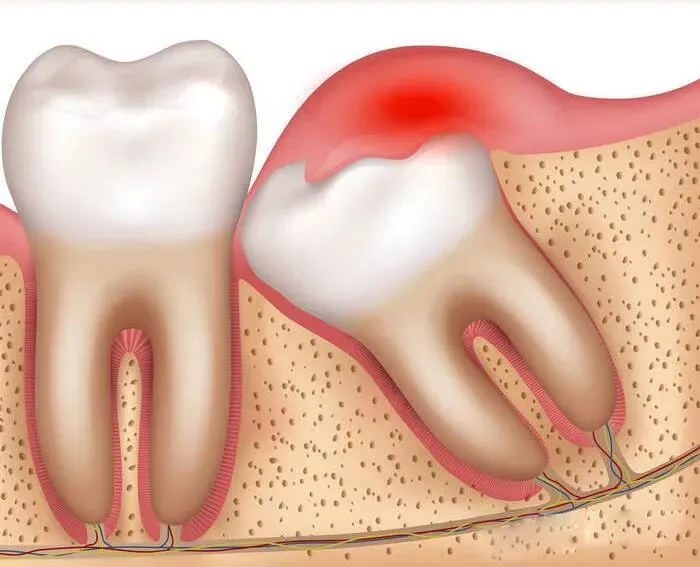
However, gum swelling can also be a sign of deeper problems. If the swelling is accompanied by intense tooth pain, sensitivity to hot or cold drinks, or swelling that does not go away within a few days, it’s possible that the nerve inside the tooth has become infected. This is where a root canal treatment often comes in as the best solution.
---
### Why a Root Canal Is Recommended
In Thailand, dentists recommend a root canal if the infection has reached the pulp – the soft tissue inside your tooth containing nerves and blood vessels. When the pulp becomes inflamed or infected, swollen gums may develop around the affected tooth.
A root canal will clean out the infected tissue, relieve pain, and prevent the spread of infection. Without it, the tooth may need to be extracted, which can affect your bite and overall oral health. Thai dental clinics usually aim to preserve natural teeth through this procedure rather than removing them.
---
### The Root Canal Procedure in Thailand
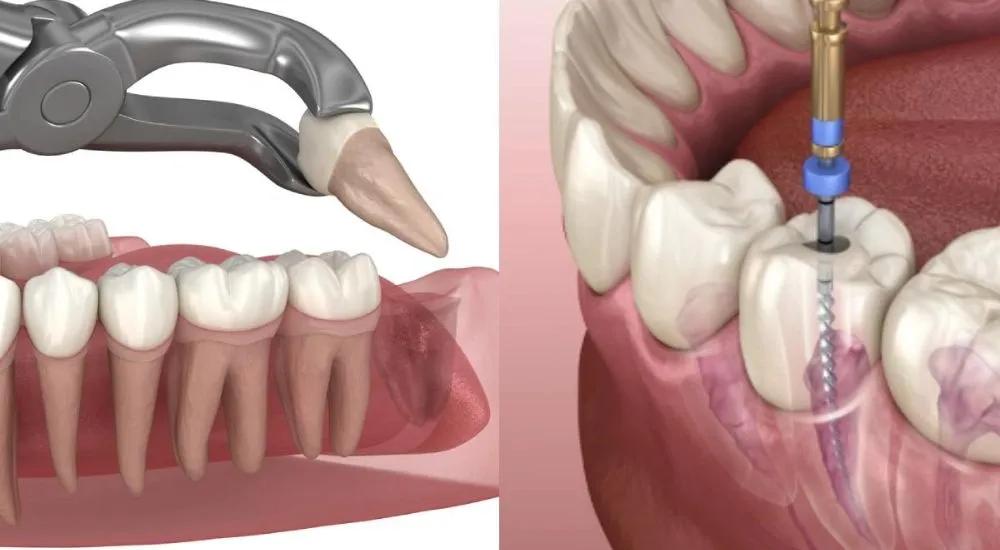
Root canal treatments in Thailand follow international dental standards. Here’s what you can expect:
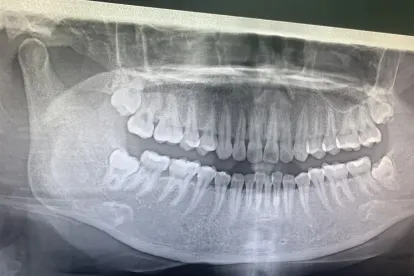
1. **Consultation and X-ray** – The dentist will check your symptoms and use X-rays to see the infection clearly. In many Thai clinics, this step is done quickly, often within minutes.
2. **Local Anaesthesia** – You’ll receive anaesthesia to numb the area. Dentists here are known for being gentle, and many patients report minimal discomfort during the procedure.
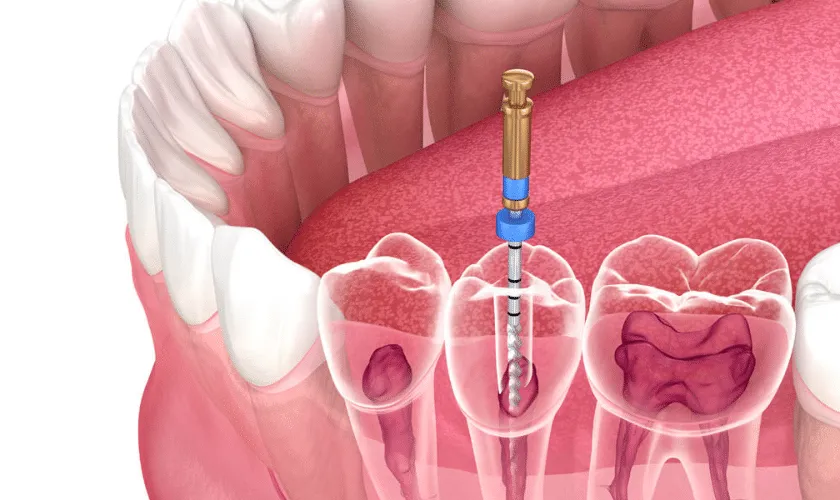
3. **Cleaning and Shaping** – The dentist will access the pulp, remove infected tissue, and clean the inside of the tooth thoroughly.
4. **Filling and Sealing** – Once clean, the tooth canal is filled with safe, biocompatible material, preventing future infections.
5. **Crown Placement** – In most cases, especially for back teeth, a crown is placed to restore strength and function.
The whole process might require one to three visits, depending on the complexity of your case.
---
### Costs and Accessibility
One of the reasons many people choose Thailand for dental work is affordability combined with
quality care. Root canal costs here vary depending on the clinic’s location and reputation. In Bangkok or Chiang Mai, you can expect to pay between 5,000–12,000 THB per tooth, while in smaller towns the price can be lower.
Dental tourism is also popular – visitors from other countries often schedule dental work during their holiday. Thailand’s clinics are experienced in serving international patients, and English-speaking dentists are common in urban areas.
---
### Recovery and Aftercare
After a root canal, mild gum swelling may continue for a day or two, but the pain usually reduces quickly. Thai dentists often recommend a soft food diet for several days – rice porridge (jok), steamed fish, or soft tropical fruits like ripe papaya are gentle choices that are easy on the teeth.
It’s also important to maintain good oral hygiene. Brush twice a day, floss gently, and use mouthwash without alcohol to avoid irritation. Regular dental check-ups every six months are the norm in Thailand, and clinics make it easy to book follow-ups.
---
### Preventing Gum Problems in the Future
Living in Thailand offers access to top-quality fresh fruit and herbal remedies, which can help maintain gum health naturally. Eating foods rich in vitamin C, such as guava and pineapple, supports healing and strengthens gums. Drinking plenty of water also keeps your mouth hydrated in the tropical climate, reducing bacterial growth.
Daily flossing is key because small seeds from spicy papaya salad or bits of sticky rice can easily get trapped between teeth, leading to gum irritation. Combine this with yearly professional cleaning at a local dental clinic, and you’ll significantly reduce the risk of needing future root canals.
---
### Choosing the Right Clinic
If you suspect your swollen gums are linked to tooth infection, don’t delay visiting a dentist. Thailand’s dental clinics range from small family practices to large modern hospitals. For root canal treatment, it’s best to choose a clinic with:
- **Experienced endodontists** (specialists in root canal care)
- **Modern equipment** like digital X-rays and rotary tools
- **Clear communication** in English or your preferred language
- **Strong reviews** from both local and international patients
Many reputable clinics in Thailand will also provide transparent cost breakdowns before starting treatment, so you can plan accordingly.
---
### Final Thoughts
Swollen gums can be more than just a minor irritation – they may be a sign of infection that threatens your tooth’s health. In Thailand, root canal treatment is a safe, effective, and affordable way to address this problem while preserving your natural teeth. With skilled dentists, modern techniques, and a caring approach, you can feel confident about seeking treatment here.
If you’re experiencing persistent gum swelling, don’t wait until the pain becomes unbearable. Whether you live in Thailand or are visiting, booking an appointment at a trusted local clinic could save your tooth – and your smile.