Thailand Root Canal for Tooth Trauma Patients
**Thailand Root Canal for Tooth Trauma Patients**
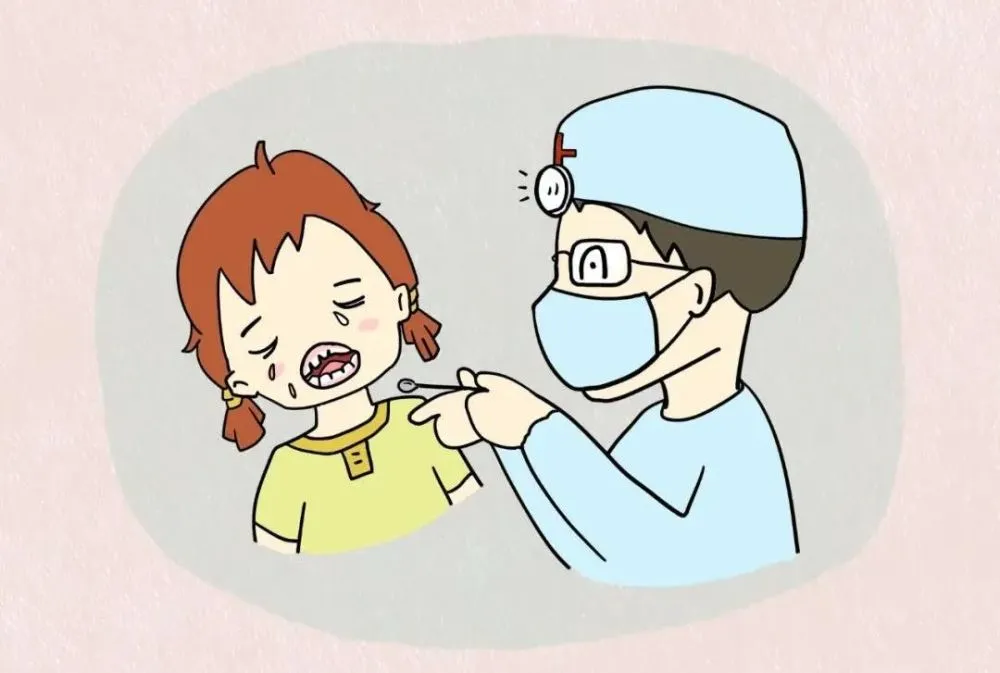
When you live in or visit Thailand, tooth injuries can happen unexpectedly. Whether it’s a motorbike accident, a sports injury, or simply biting down on something hard, dental trauma is more common than many people realise. In these situations, one of the most effective treatments for saving your natural tooth is a root canal procedure. Thailand’s dental industry is well-known in Southeast Asia for offering high-quality care at reasonable costs, making it a reliable option for locals and foreigners alike.
### Understanding Tooth Trauma in the Thai Context
Tooth trauma refers to any injury to the teeth, gums, or surrounding mouth structures. In Thailand, it’s not unusual to see cases caused by traffic accidents, especially involving motorbikes, or workplace incidents in factories and construction sites. Even holiday activities like scuba diving or adventurous street food tasting can result in accidental damage to teeth.
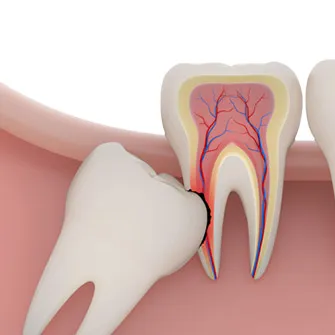
The severity of trauma can range from minor chips to deep cracks and nerve damage. When trauma affects the pulp—the inner part of the tooth containing nerves and blood vessels—the pain can be intense, and the infection risk rises sharply. That’s where a root canal treatment becomes essential.
### Why a Root Canal is Often the Best Choice
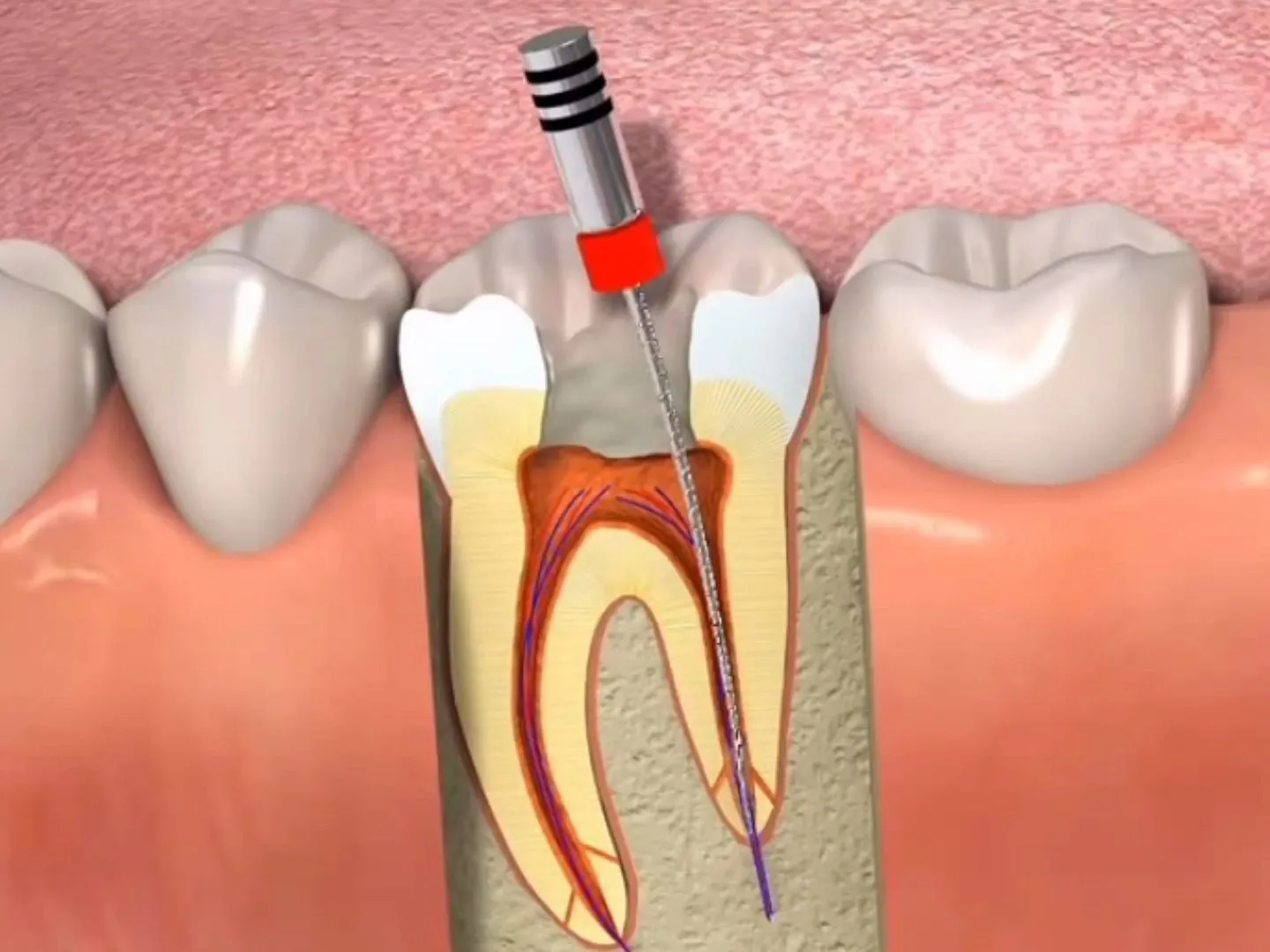
In Thailand, dental professionals will try to preserve your natural tooth whenever possible. Extraction is only considered when the damage is beyond repair. A root canal offers a way to clean and disinfect the damaged pulp chamber, remove bacteria, and seal the tooth so you can keep using it normally.
For trauma patients, choosing a root canal rather than extraction is important for maintaining proper chewing function, preventing other teeth from shifting, and keeping your natural smile intact. Thai dentists often highlight that preserving the original tooth helps avoid the extra costs of implants or bridges later.
### The Root Canal Process in Thailand
Dentists in Thailand typically follow an efficient and patient-friendly approach. Here’s what you can expect:
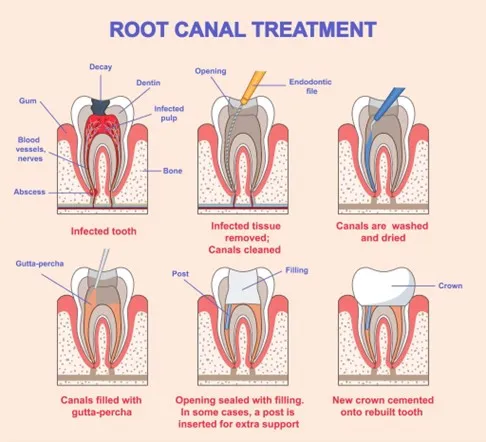
1. **Diagnosis and X-Ray** – After your initial check-up, the dentist will take an X-ray to assess the internal damage and plan the root canal.
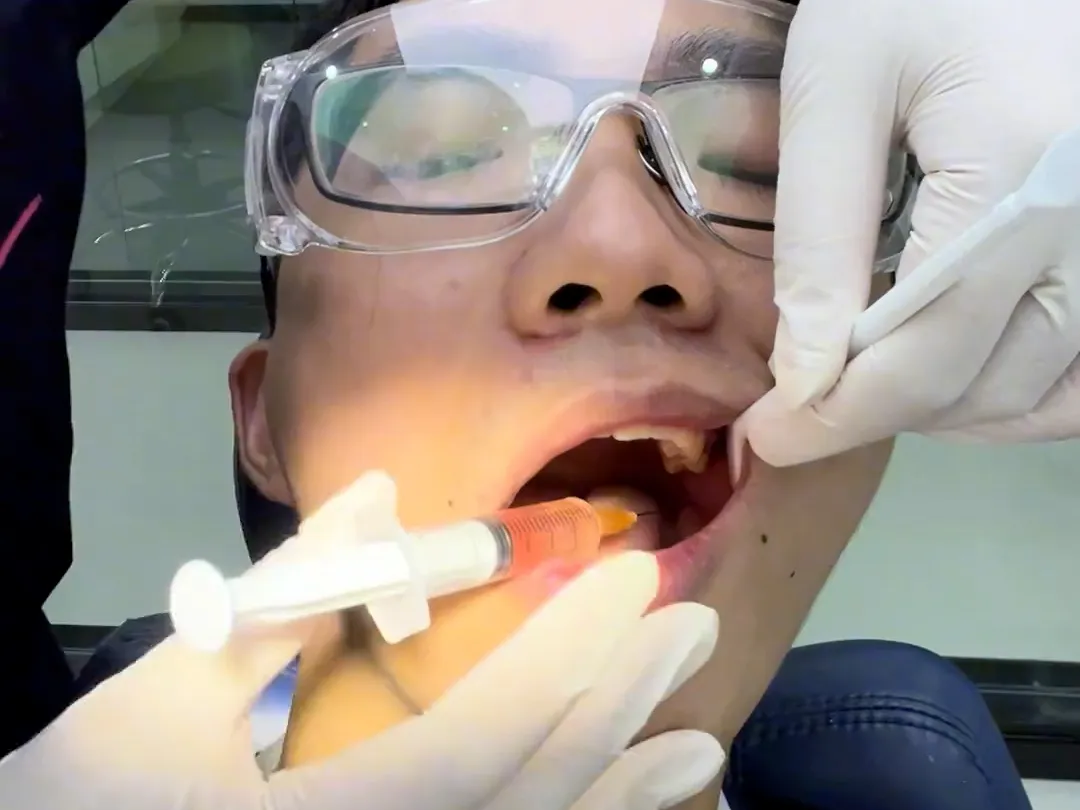
2. **Local Anaesthesia** – The tooth and surrounding area are numbed so you can remain comfortable and pain-free during the procedure.
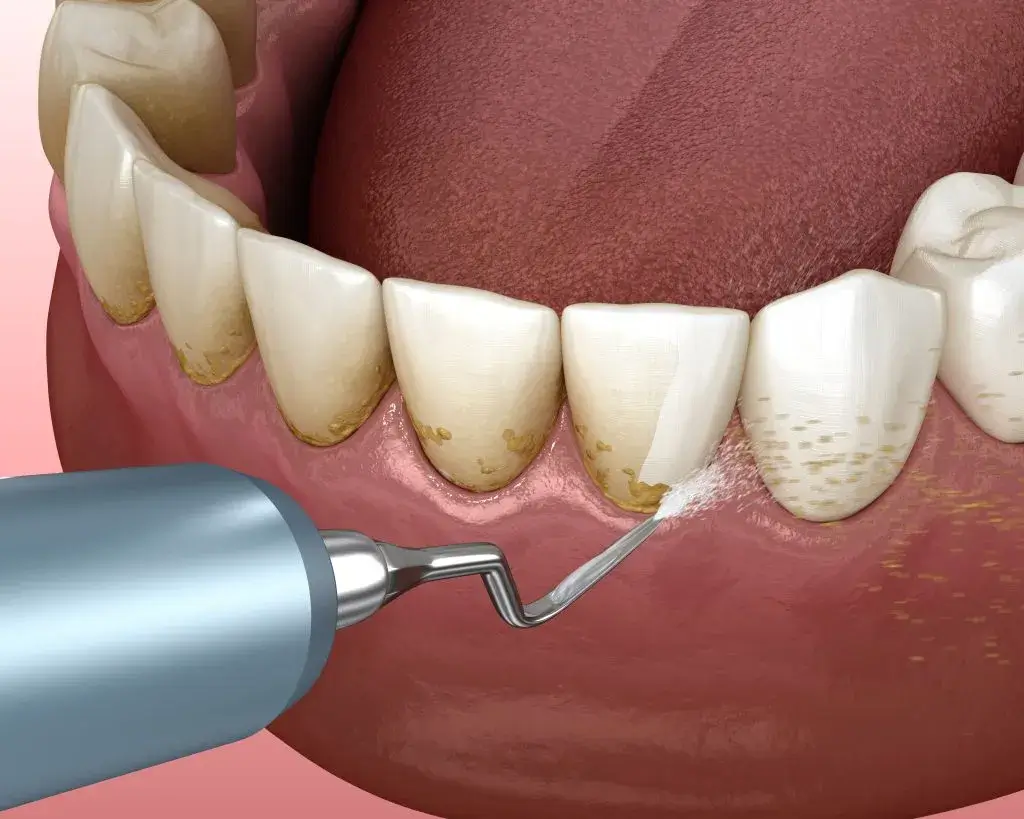
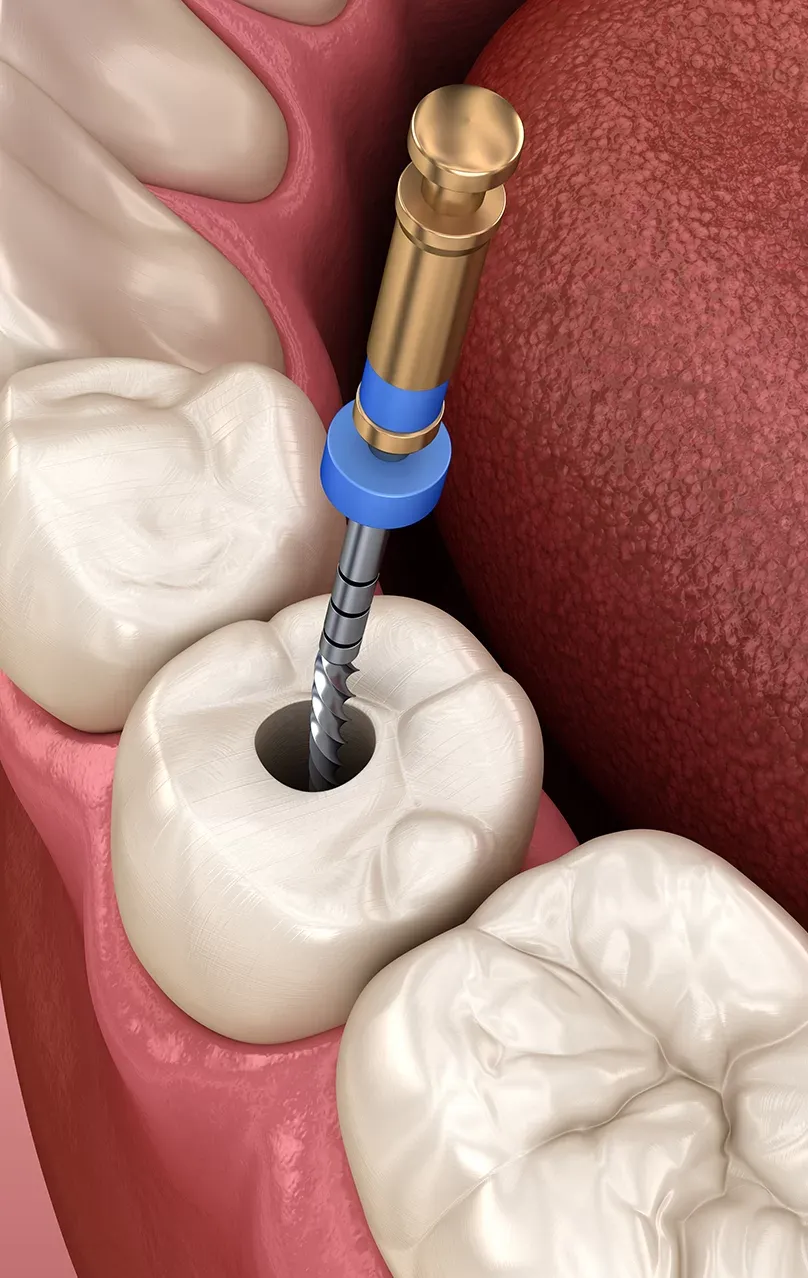
3. **Cleaning the Canal** – The pulp is carefully removed, and the inside is cleaned using specialised dental tools. Thai clinics often use modern rotary instruments for faster and more accurate cleaning.
4. **Filling and Sealing** – Once cleaned, the dental canal is filled with a biocompatible material and sealed to prevent future infection.
5. **Final Restoration** – In most trauma cases, a crown is fitted to strengthen the tooth and restore its natural appearance. This step is often completed in another visit.
### Quality and Standards in Thai Dentistry
Thailand’s dental clinics, particularly in Bangkok, Chiang Mai, Phuket, and Pattaya, follow strict hygiene and safety protocols. Many clinics meet international treatment standards, and several are certified by reputable global health organisations. Dentists
are highly trained, often with degrees from renowned universities overseas, and many speak English well, making communication smoother for foreign patients.
While local residents appreciate the affordability compared to Western countries, medical tourists find the prices significantly lower without compromising on quality.
### Costs and Accessibility
The cost of a root canal in Thailand depends on factors like the tooth’s location (front or molar), the severity of the trauma, and whether additional treatments like crowns are needed. On average, prices range from 4,000 to 8,000 THB, much lower than in the United States or Europe. Many Thai dental clinics offer transparent pricing, and some even publish cost lists online, so patients know exactly what to expect before treatment.
Accessibility is another strong point—Thailand has an extensive network of dental clinics, from high-end private centres to public hospital dental departments. In urban areas, you can often get same-day emergency appointments for trauma cases.
### Recovery and Aftercare
After your root canal, Thai dentists will provide clear aftercare instructions. This usually includes avoiding hard foods for a few days, maintaining good oral hygiene, and booking a follow-up appointment. Pain or discomfort generally fades within 24–48 hours.
In addition, patients are reminded to check for signs of infection or unusual swelling, and to return promptly if any issues arise. Root canals have a high success rate when aftercare guidelines are followed, and many patients in Thailand report having their treated tooth last for decades.
### Tips for Preventing Tooth Trauma
Although accidents can happen without warning, a few habits can lower your risk:
- Wear protective gear, such as mouthguards, when playing contact sports.
- Be cautious when riding motorbikes or bicycles, especially in busy Thai traffic.
- Avoid biting down on very hard foods, like certain street snacks or ice cubes.
- Maintain regular dental check-ups to catch and treat minor cracks before they worsen.
### Choosing the Right Clinic in Thailand
If you’re dealing with tooth trauma, it’s important to select a clinic with experience in endodontics (root canal treatment). Look for:
- Clear communication in English or your preferred language.
- Positive reviews from both locals and international patients.
- Modern equipment and sterilisation procedures.
- Transparent treatment plans and pricing.
Many dental clinics in Thailand offer free online consultations, which can help you shortlist your options before visiting in person.
### Conclusion
For tooth trauma patients in Thailand, a root canal is more than just a dental procedure—it’s a way to save a natural tooth, relieve pain, and restore confidence in your smile. With accessible clinics, experienced dentists, and affordable treatment costs, Thailand remains a trusted destination for both local residents and dental tourists seeking effective treatment.
If you find yourself facing a dental emergency in Thailand, don’t delay. Early intervention through root canal therapy can make all the difference in preserving your tooth and maintaining long-term oral health.
 collect
Hospitals included




Products included


Suggested reads