Thailand Root Canal for Lingering Cold Sensitivity
**Thailand Root Canal for Lingering Cold Sensitivity**
When you sip an iced coffee on a sunny afternoon in Thailand and feel a sharp, lingering pain in your tooth, it’s more than just a momentary discomfort. Cold sensitivity that stays for more than a few seconds can be a sign of an underlying dental problem. Many people brush it off, thinking it’s just a minor issue that will go away. But when the sensitivity lingers, it could mean that the inner tissue of your tooth—the pulp—has been damaged or infected. In Thailand, one of the most effective ways to treat this problem is through a root canal treatment.
### Understanding Lingering Cold Sensitivity
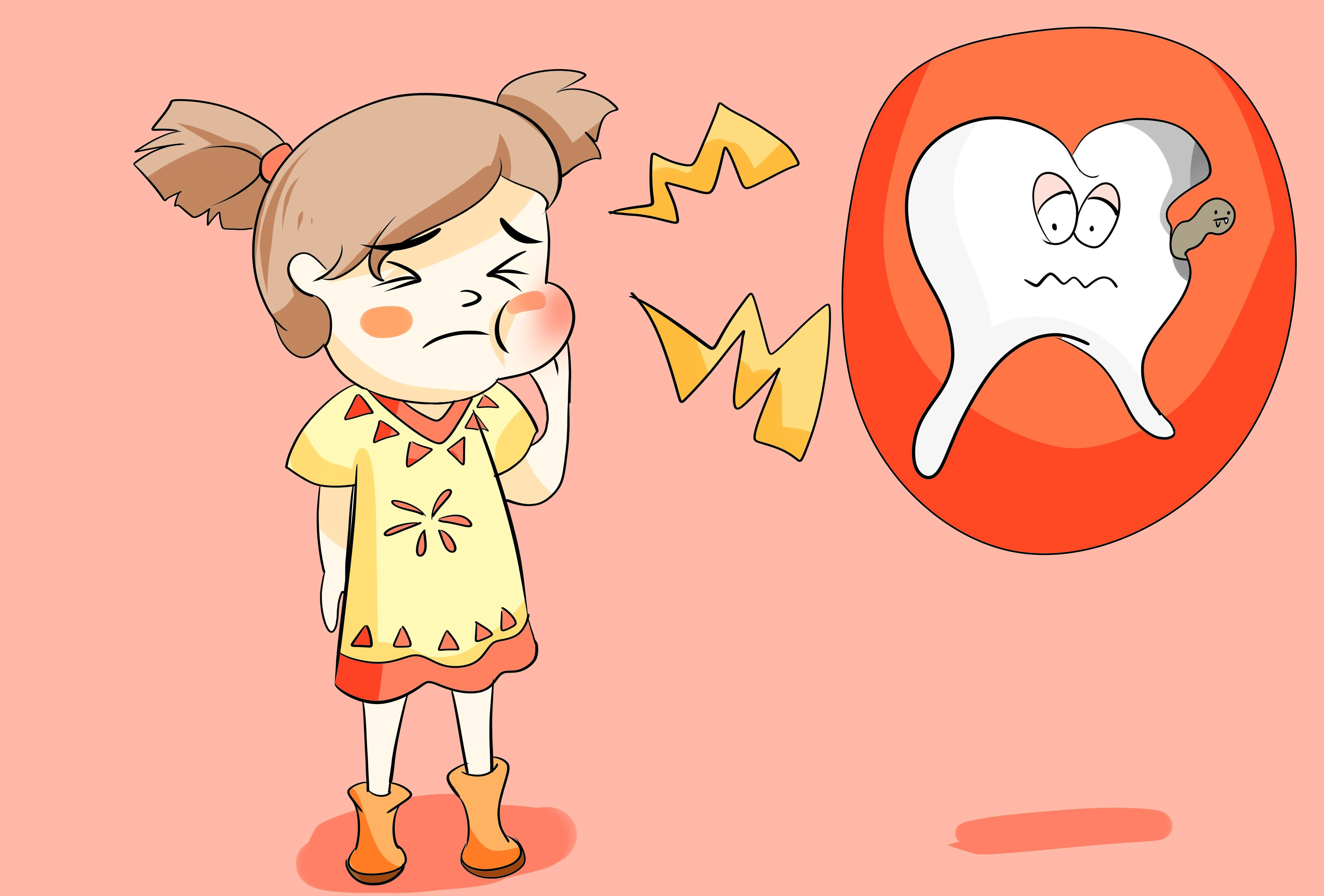
Unlike brief tooth sensitivity that occurs due to worn enamel or mild gum recession, lingering cold sensitivity is often a red flag. If you drink something cold and the discomfort lingers for several minutes, the problem may lie inside the tooth, in the nerve and pulp. Common causes can include deep decay, cracks in the tooth, or repeated dental procedures on the same tooth.
In Thailand, dentists often explain that when the pulp is inflamed or infected, the nerve becomes highly reactive. Pain from cold drinks or iced desserts can be more intense and long-lasting. Left untreated, the problem can worsen, eventually leading to swelling, severe pain, and even abscess formation.
### Why a Root Canal Is Recommended
The goal of a root canal is simple: remove the infected or damaged pulp, clean the inside of the tooth, and seal it to prevent further problems. In Thai dental clinics, this procedure is offered as a way to save the natural tooth while eliminating the pain. Compared to tooth extraction, a root canal allows you to keep your bite intact and avoid issues with chewing and appearance.
Many people in Thailand appreciate that root canal treatment enables them to enjoy cold drinks, spicy food, and even sugary desserts again without sensitivity. Modern techniques also make the experience much more comfortable than it used to be, with most procedures completed in one or two visits.
### What to Expect During a Root Canal in Thailand
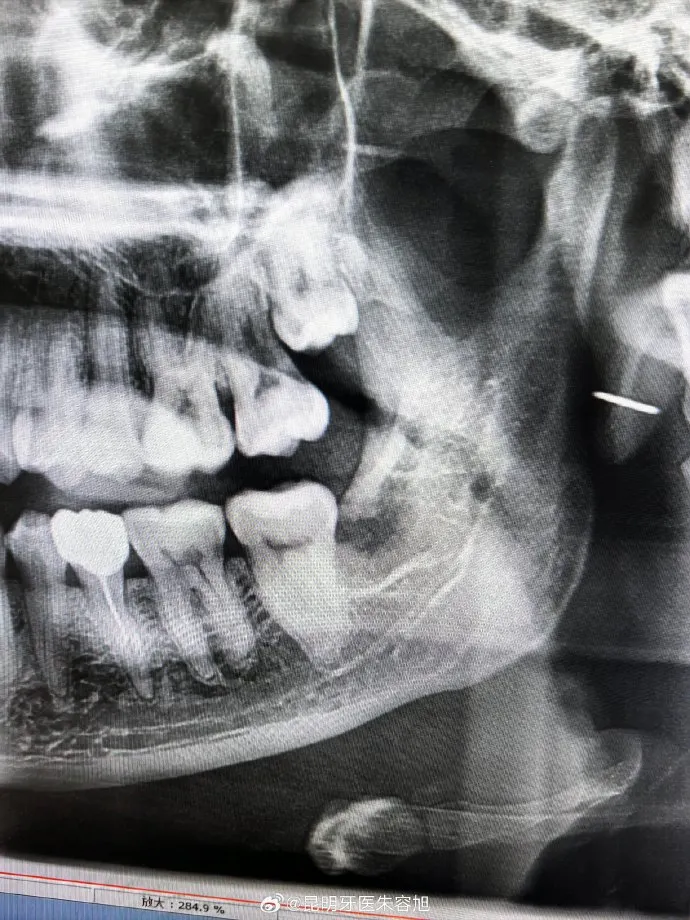
Visiting a dental clinic in Thailand for a root canal usually begins with a detailed examination and X-ray. These are essential to determine the extent of the infection and plan the treatment. Here’s what typically happens:
1. **Local Anaesthesia** – Thai dentists ensure patients are comfortable by numbing the area before starting the procedure.
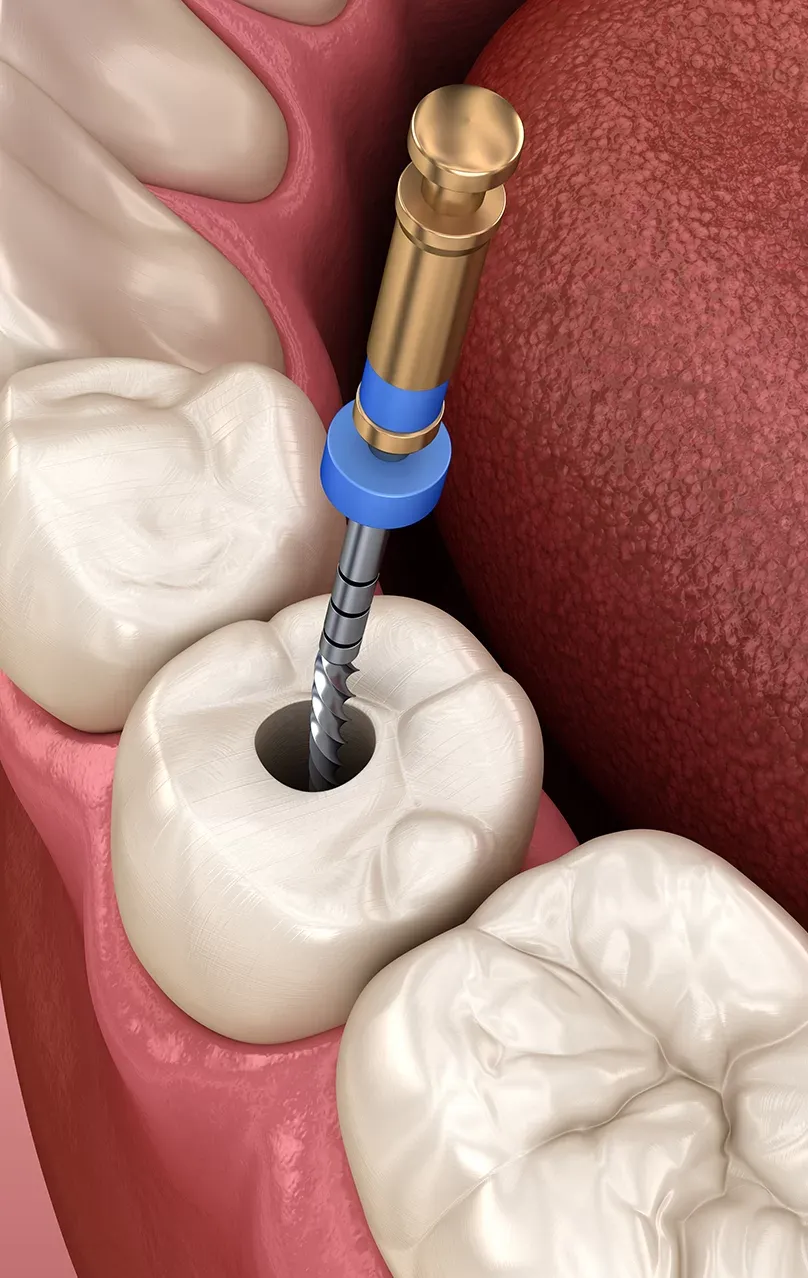
2. **Cleaning Out the Pulp** – The dentist carefully removes the damaged pulp using special instruments.
3. **Shaping and Disinfecting the Canals** – The root canals are shaped and thoroughly cleaned to eliminate bacteria.
4. **Sealing the Tooth** – The dentist fills the canals with a special material to prevent reinfection.
5. **Restoring the Tooth** – In many cases, a crown is placed to strengthen the tooth and protect it from future damage.
Thai dental professionals often explain each step
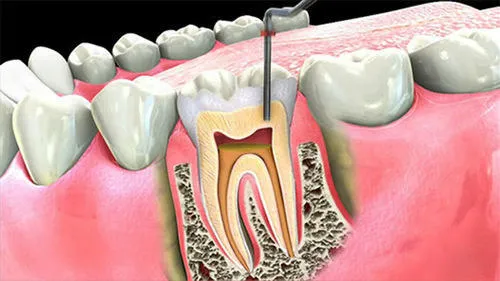
to patients, helping them feel more at ease during the process.
### Benefits of Choosing Root Canal Treatment in Thailand
Thailand is widely recognized for its high-quality and cost-friendly dental care. Many dental clinics in Bangkok, Chiang Mai, and Phuket offer root canal treatments that meet international standards. Patients benefit from:
- **Experienced Dentists** – Many Thai dentists are trained both locally and overseas, bringing global expertise to their work.
- **Modern Equipment** – From digital X-rays to advanced cleaning systems, clinics here keep up with the latest technology.
- **Affordable Prices** – Compared to many Western countries, root canals in Thailand are considerably more affordable without compromising on quality.
- **Comfort-Oriented Care** – Thai culture values polite and gentle service, which extends to patient care in dental settings.
This combination of quality, affordability, and hospitality attracts not just local residents but also visitors seeking dental treatment during their stay.
### Post-Treatment Care and Recovery
After a root canal, it’s common to feel mild tenderness for a few days, especially when biting down. Dentists in Thailand usually recommend over-the-counter pain relief and advise patients to avoid chewing hard food on the treated tooth until it is fully restored with a crown. Good oral hygiene—including regular brushing, flossing, and dental check-ups—is essential to keeping the tooth healthy in the long run.
Thai dentists also remind patients to maintain a balanced diet, staying mindful of sugary food and drinks. While you can go back to enjoying iced Thai tea or coconut water, it’s wise to moderate your intake to protect your teeth overall.
### Preventing Future Sensitivity
Prevention is always better than cure. To avoid the need for future root canals, consider these tips often suggested by dental professionals in Thailand:
- **Regular Dental Visits** – Getting a check-up every six months helps catch problems early.
- **Mind Your Diet** – Limit sweet snacks and acidic drinks that wear down enamel.
- **Protect Your Teeth** – If you grind your teeth at night, ask your dentist about a custom mouth guard.
- **Address Problems Promptly** – Don’t delay treatment if you notice cracks, chips, or sensitivity.
### Final Thoughts
Lingering cold sensitivity can make everyday pleasures—like enjoying a chilled dessert by the beach—feel uncomfortable. In Thailand, root canal treatment provides a reliable solution for removing the source of pain while saving your natural tooth. With skilled dentists, modern equipment, and patient-centered care, you can expect an experience that’s efficient, affordable, and surprisingly comfortable.
So, if that iced coffee still makes you wince long after the sip, it might be time to visit a dental clinic in Thailand. Addressing the problem early not only alleviates discomfort but also preserves your smile for years to come.
 collect
Hospitals included




Products included