Thailand Root Canal for Repeated Tooth Inflammation
**Thailand Root Canal for Repeated Tooth Inflammation**
If you’ve been suffering from repeated tooth inflammation, you know how frustrating and painful it can be. In Thailand, one of the most effective solutions for this issue is a root canal treatment, which many local dentists recommend because it focuses on saving your natural tooth instead of removing it. While some people might feel anxious when they hear the words “root canal,” the procedure is actually quite common here, and with modern dental techniques, it’s usually painless and highly successful.
### Understanding Repeated Tooth Inflammation
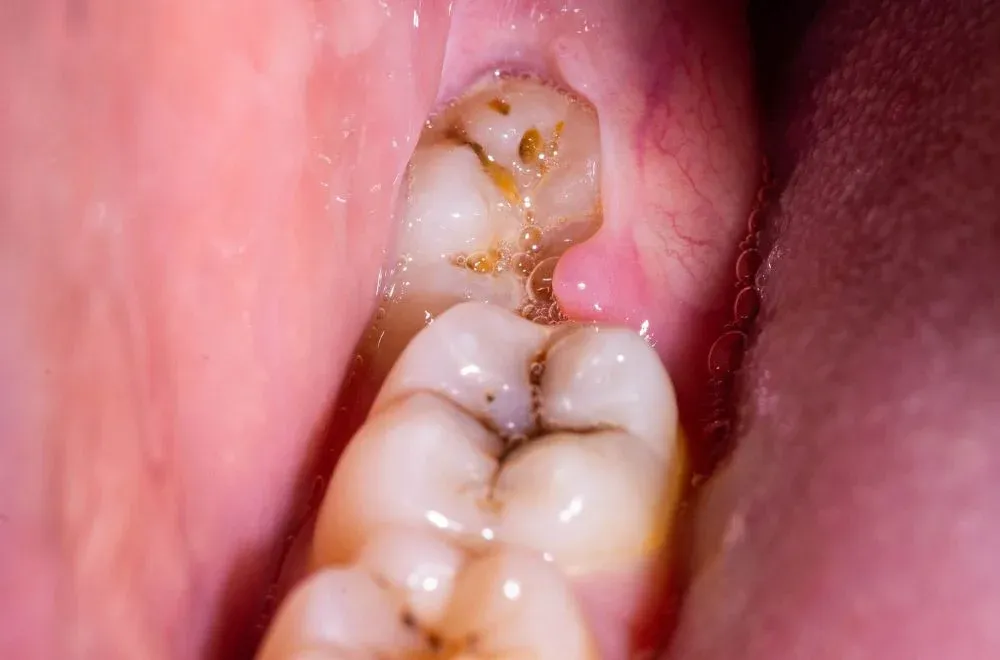
Repeated tooth inflammation often means there’s a deep issue inside the tooth. It can be caused by untreated cavities, cracked teeth, or old dental work that’s no longer protecting your tooth properly. In Thailand, it’s not unusual for people to wait until the pain gets worse before visiting a dentist, but recurring inflammation should be treated early to prevent more serious problems.
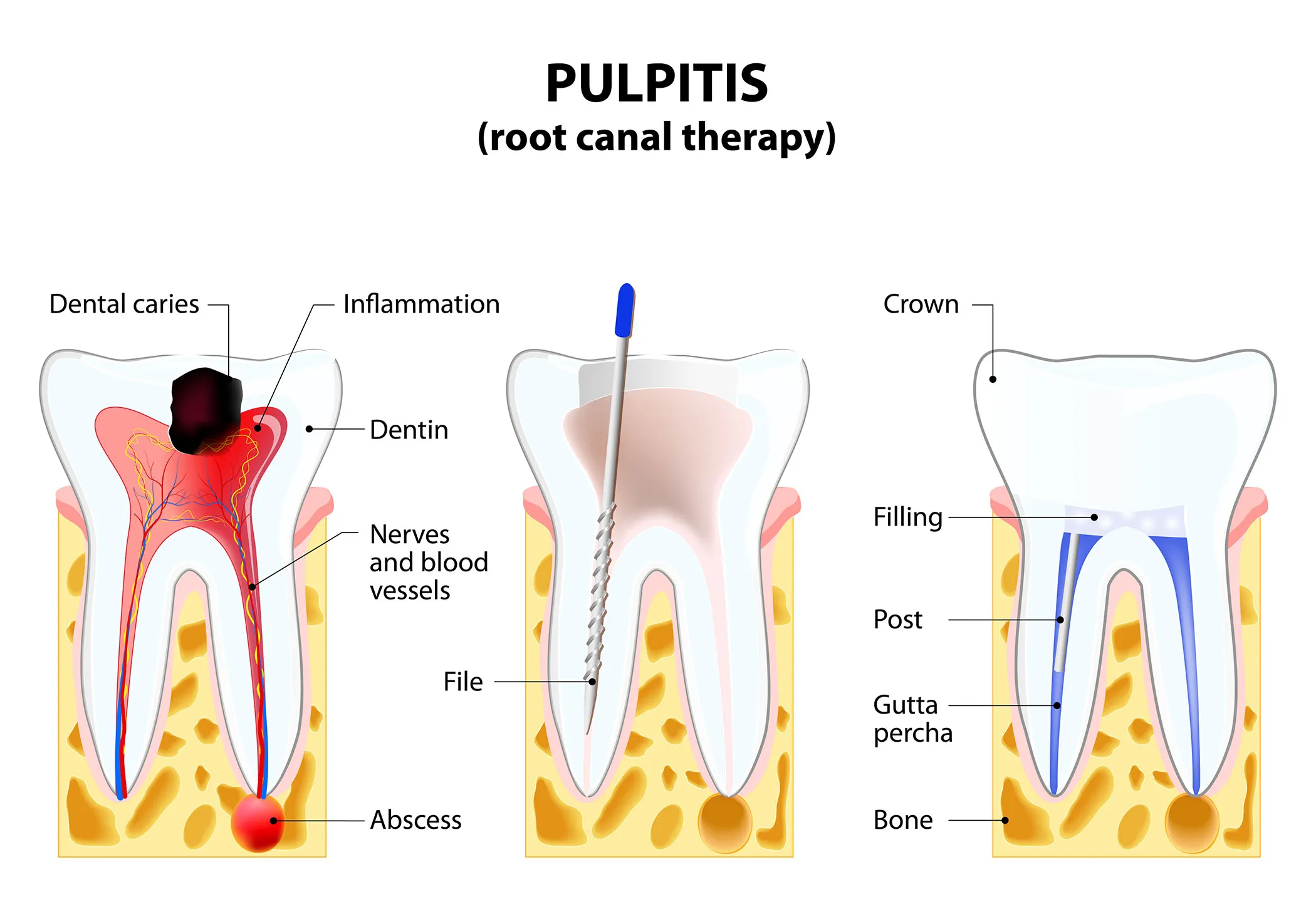
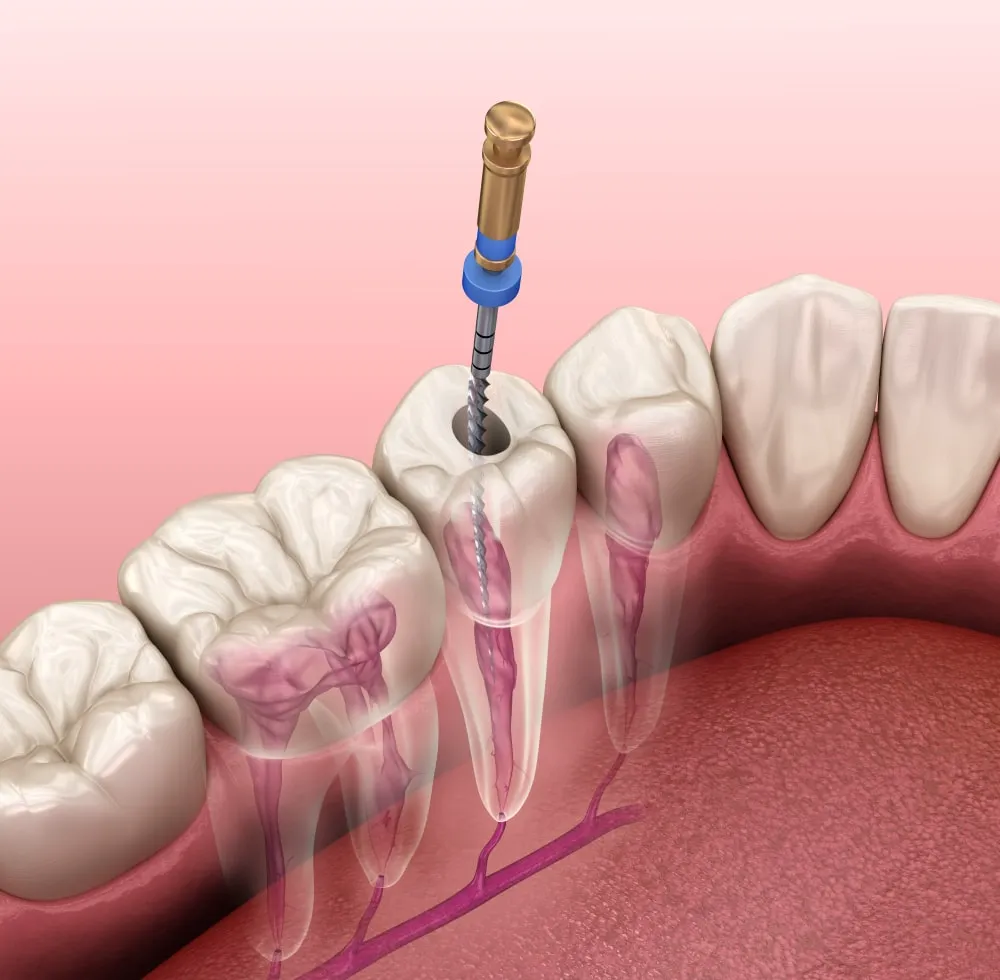
When inflammation keeps coming back, it could be a sign that the pulp — the soft tissue inside your tooth containing nerves and blood vessels — is infected. If bacteria reach the pulp, normal fillings aren’t enough to fix the problem. This is when root canal therapy becomes necessary.
### What a Root Canal Involves in Thailand
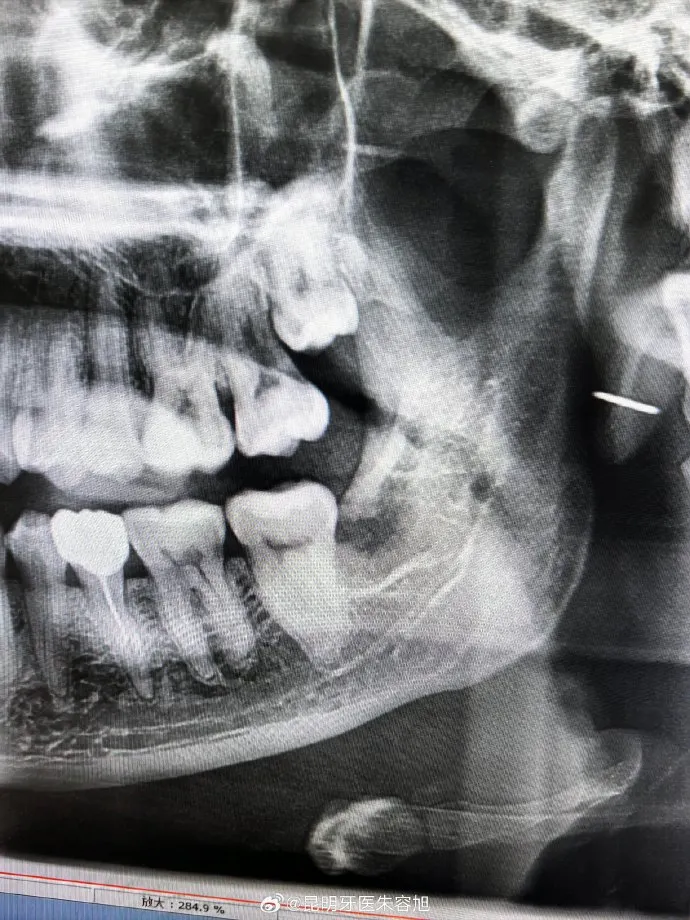
A root canal in Thailand generally starts with a consultation and X-ray to see the extent of the infection. Local dentists will explain the procedure clearly, often in easy-to-understand English if you’re not fluent in Thai. You’ll get a local anaesthetic to ensure you’re comfortable throughout the process.
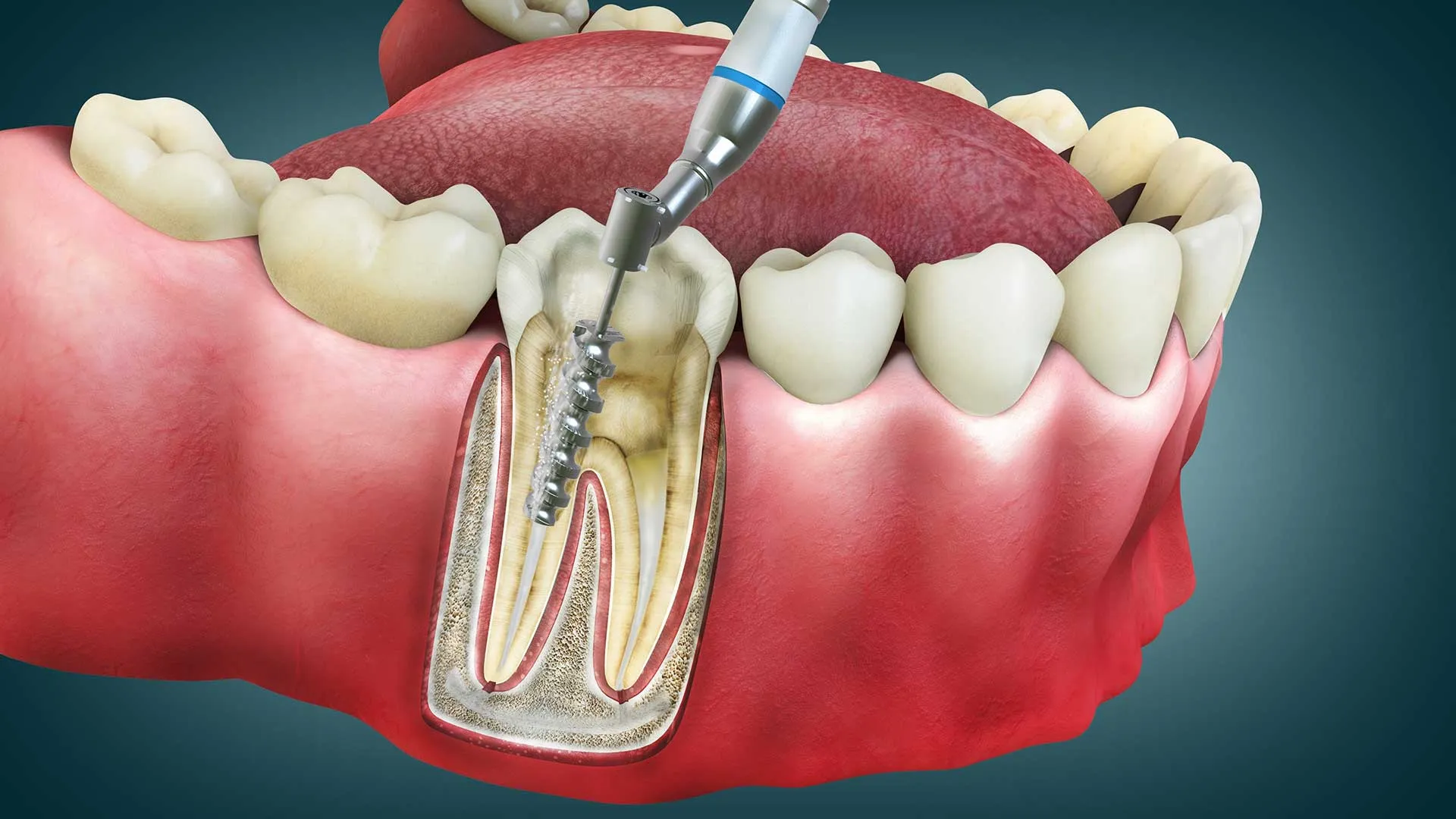
The dentist then removes the infected pulp, cleans the inside of the tooth, and shapes the canal for filling. After that, the empty space inside is sealed with a biocompatible material, usually gutta-percha. This prevents bacteria from re-entering the tooth. Finally, most patients will need a crown to protect the tooth, especially if it’s a molar used for chewing.
In many Thai dental clinics, the root canal process is done in one to three visits, depending on the severity of the infection. Clinics in Bangkok, Chiang Mai, and Phuket are known for combining modern equipment with a friendly, personalised approach.
### Why Choose Thailand for Root Canal Treatment
Thailand is one of Asia’s top destinations for dental care because of its high-quality service and competitive prices. Compared to countries like the US or Australia, you’ll find root canal treatment here to be more affordable — even when you factor in travel costs.
Another reason people choose Thailand is the level of patient care. Dentists here are known for being patient and approachable, taking the time to answer questions and make sure you’re at ease. You’ll often hear them say “chai, chai” (meaning “yes, yes”) in agreement, creating a warm and friendly atmosphere that helps reduce dental anxiety.
The country also offers a mix of traditional hospitality and modern facilities. It’s not uncommon to enjoy a relaxing coffee in the clinic’s waiting area while friendly s
taff advise you on aftercare or other dental services you might need.
### Root Canal vs. Tooth Extraction
Some patients ask whether it’s better to just remove a tooth instead of going through a root canal. In Thailand, dentists generally recommend saving the tooth whenever possible. Natural teeth are better for chewing and maintaining your jawbone structure.
When you extract a tooth, the space left behind can cause your teeth to shift over time, leading to bite problems and even changes in facial appearance. A root canal, on the other hand, allows you to keep your tooth and function normally without major changes to your dental alignment.
### Recovery and Aftercare in Thailand
After your root canal, Thai dentists will usually give you clear instructions on what foods to avoid while the tooth heals. For example, they might advise you to eat “soft foods” such as rice porridge or steamed fish for a few days. They might also recommend rinsing your mouth with warm salt water to reduce swelling and keep the area clean.
Pain after a root canal in Thailand is usually mild and manageable with over-the-counter pain relief. Most patients feel back to normal within a few days. However, regular follow-up visits are important to ensure the tooth is healing well and to check that your crown is secure.
### Preventing Future Inflammation
Once you’ve had a root canal, you’ll want to avoid needing another one. Thai dentists often emphasise the importance of good oral hygiene — brushing twice a day, flossing daily, and visiting the clinic every six months.
Diet also plays a role. In Thailand, sugary snacks and sweet iced drinks are popular, but excessive sugar can lead to new cavities and infections. Choosing herbal teas, fresh coconut water, or less sweetened versions of drinks can help reduce the risk of future problems.
### Cost of Root Canal in Thailand
Prices vary depending on the location and complexity of the case. In general, you can expect to pay less than half of what the same procedure would cost in Western countries. For example, in Bangkok, a single root canal for a molar might range from 6,000 to 12,000 THB, including X-rays and anaesthesia. In smaller cities, costs can be even lower.
Many dental clinics here also offer package deals for tourists, combining root canal treatment with teeth cleaning or whitening, making it a convenient option for those on holiday who also want to improve their oral health.
### Final Thoughts
If you’ve been dealing with repeated tooth inflammation, getting a root canal in Thailand could be the solution that saves your tooth and stops the pain for good. With skilled dentists, modern technology, and a welcoming atmosphere, you can expect both medical professionalism and genuine Thai hospitality.
Whether you’re a local resident or a visitor, don’t ignore recurring tooth pain. Early treatment can prevent serious infections, and in Thailand, you’ll find root canal therapy to be both accessible and affordable. Taking care of your teeth now means fewer problems in the future — and more reasons to smile.
 collect
Hospitals included




Products included
Suggested reads