Thailand Root Canal Procedure Explained Step by Step
**Thailand Root Canal Procedure Explained Step by Step**
For many people living in or visiting Thailand, dental care is surprisingly affordable compared to Western countries, yet the standard of service is impressively high. One common treatment foreigners and locals alike may need is a root canal. While the name might sound intimidating, understanding each step of the procedure in Thailand can make the experience much less stressful. This guide will walk you through the process using everyday English expressions familiar to Thailand-based patients, so you’ll know exactly what to expect when you sit in the dentist’s chair.
---
### **What Is a Root Canal?**
A root canal is a dental treatment that removes infection or damage from the inside of a tooth. Deep inside every tooth is an area called the “pulp,” which contains nerves and blood vessels. When this pulp becomes infected or inflamed—often due to decay, cracks, or injury—the dentist must clean it out to stop pain and prevent the problem from getting worse. In Thailand, dentists often explain it simply as “cleaning the inside nerve of the tooth so it can stay healthy.”
---
### **Step 1: Consultation and Examination**
Your root canal journey in Thailand begins with a dental consultation. Many clinics in Bangkok, Chiang Mai, Phuket, and other major cities are equipped with modern X-ray machines and digital imaging tools.
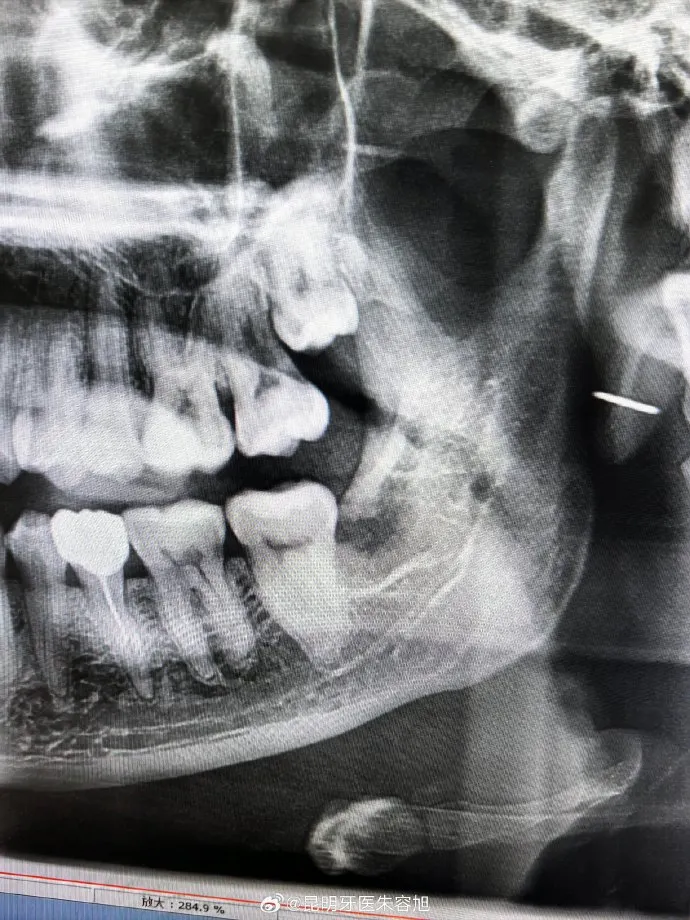
The dentist will check your tooth visually and take dental X-rays to see how far the infection has spread. In Thai dental offices, it’s common for the dentist to patiently explain the situation using diagrams or showing the X-ray right on a computer screen. They may say something like, “We will see the inside of your tooth first before we start treatment,” to reassure you.
---
### **Step 2: Numbing the Area**
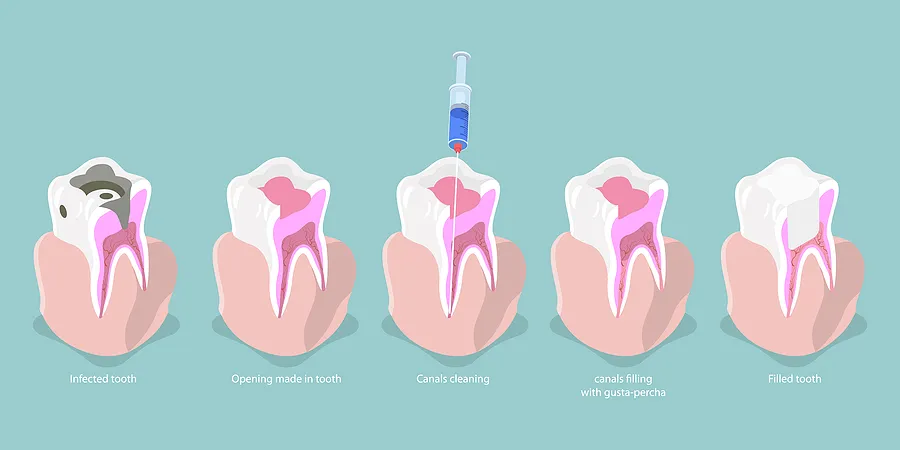
Once you decide to proceed, the dentist will numb the area around the tooth with local anesthesia. This is often the part patients worry about, but in Thailand, dentists are known for being gentle. You might hear them say, “You will feel a little sting, then it will be okay,” right before they give the injection. Within a few minutes, your tooth and surrounding gum will feel totally numb, and you won’t feel pain during the treatment.
---
### **Step 3: Accessing the Pulp**
When the area is fully numb, the dentist uses a small drill or another specialized tool to open the top of the tooth. This creates a path to the infected pulp. In Thai dental practice, they take care to work slowly and keep you informed, often checking if you’re comfortable with “Okay, still no pain?” The opening step is quick but very precise.
---
### **Step 4: Cleaning the Canals**
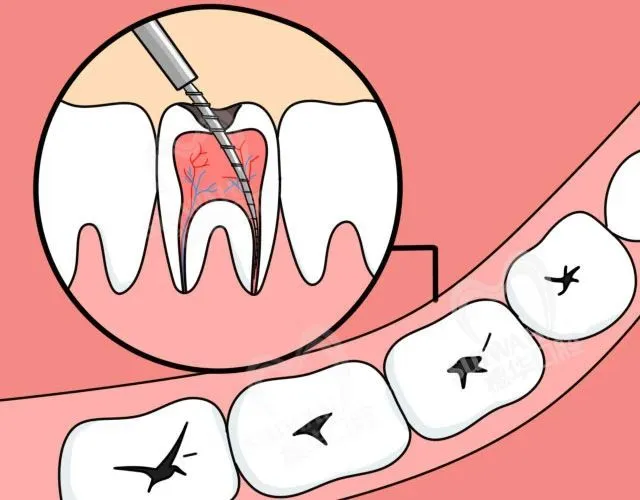
This is the core stage of the root canal procedure. The dentist uses thin, flexible files to carefully remove damaged pulp tissue from inside the tooth’s canals. It’s a bit like cleaning tiny pipes—making sure nothing harmful remains inside.
In Thailand, dentists often use advanced rotary systems, which make the process smoother and faster. They also rinse the canals with a cleaning solution to remove bacteria. You might hear words like “We will wash inside the tooth” as they perform this step.
---
### **Step 5: Shaping and Preparing for Filling**
After cleaning, the dentist shapes the canals so they can be sealed properly. This invol

ves smoothing and slightly enlarging the spaces to ensure the filling material will fit snugly. The dentist will take their time here, since proper shaping prevents reinfection.
In many Thai clinics, strict hygiene protocols are followed—dentists wear gloves, masks, and often use rubber dams to keep saliva away from the treated area. It’s all about keeping your tooth clean and safe during the process.
---
### **Step 6: Filling the Canals**
Once the canals are clean and ready, the dentist fills them with a special biocompatible material, usually gutta-percha. This seals the space and keeps bacteria out.
This step is important because it’s what allows your tooth to remain in place for years to come. In Thailand, dental specialists pride themselves on meticulous filling work, often checking with X-rays to make sure the seal is perfect before finishing.
---
### **Step 7: Temporary or Permanent Restoration**
Depending on the condition of your tooth, the dentist may place a temporary filling first, especially if they want to monitor healing for a short time. In some cases, they’ll move directly to a permanent filling or a crown.
Crowns are quite popular in Thai dental procedures, as they offer added protection for teeth that have undergone root canal treatment. You can choose different materials—from standard metal to porcelain or zirconia—based on your preference and budget. Dentists here often explain the pros and cons clearly before you decide.
---
### **Aftercare in Thailand**
After treatment, your dentist will give you clear instructions. They might say, “Take care of your tooth, avoid chewing hard food on this side for a while.” Mild tenderness is normal, especially if the tooth was badly infected before. Pain relievers or antibiotics may be prescribed in some cases.
Root canals in Thailand often require one to three visits, depending on complexity. If you’re a tourist, many clinics can arrange appointments close together so the treatment is finished before you leave. Modern record-keeping and clear communication make follow-up easy, even if you return to your home country.
---
### **Advantages of Getting a Root Canal in Thailand**
- **Cost-effective:** Compared to Western countries, Thailand offers significantly lower dental costs while maintaining high quality.
- **Advanced technology:** Many urban clinics use the latest equipment and techniques.
- **English-speaking dentists:** In popular destinations, you’ll often find dentists who speak fluent English and understand international patients’ concerns.
- **Comfort-focused care:** The Thai approach often emphasizes gentle treatment and patient comfort.
---
### **Final Thoughts**
Getting a root canal in Thailand doesn’t have to be scary. With friendly dentists, modern facilities, and clear communication, the process can be smooth and stress-free. Understanding the step-by-step procedure helps remove the mystery, so you can walk into the clinic knowing exactly what will happen.
Whether you live in Thailand or are visiting for medical tourism, you can expect professional service that blends technical skill with the warm, patient-focused culture Thailand is known for. If you suspect you need a root canal, don’t wait—book a consultation, get the facts, and take that first step toward a healthier smile.
 collect
Hospitals included



Products included




Suggested reads