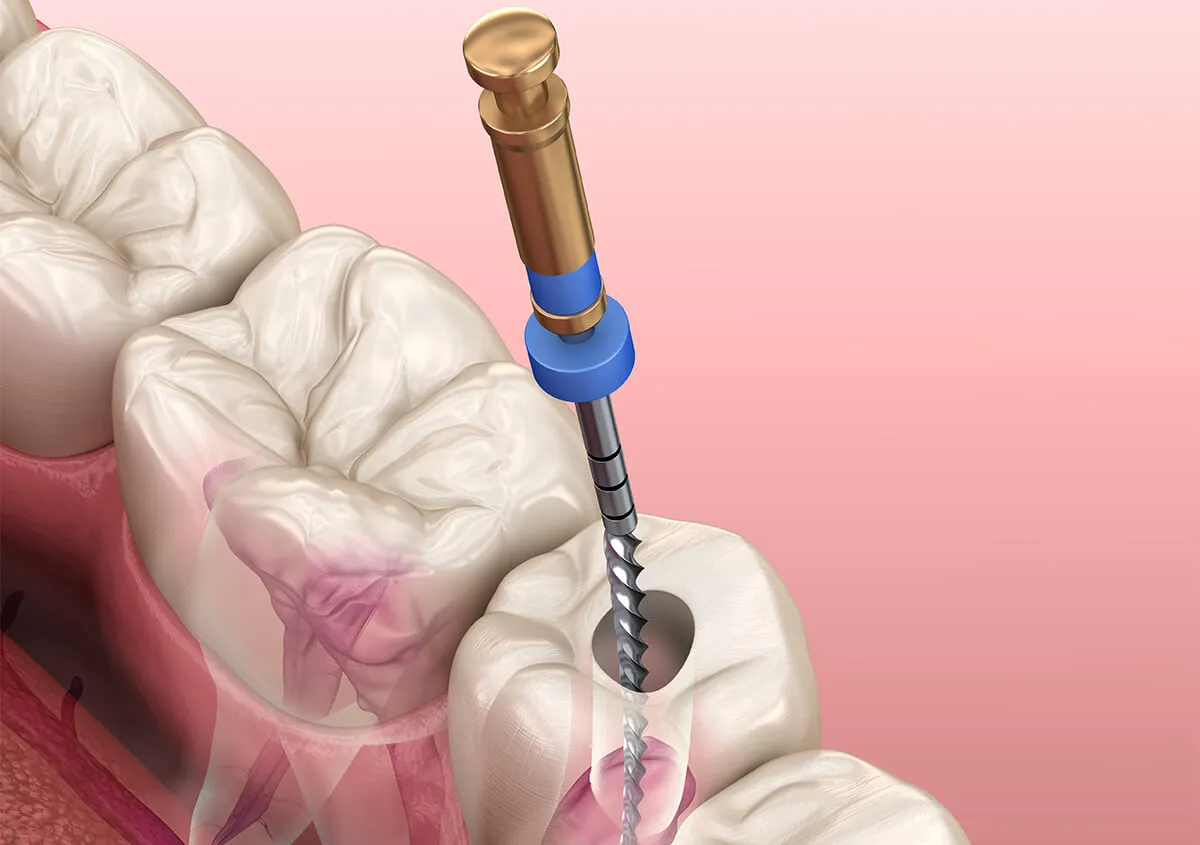
Thailand Root Canal Therapy for Recurring Tooth Pain
**Thailand Root Canal Therapy for Recurring Tooth Pain**
If you’ve ever experienced that sharp, lingering ache every time you sip hot coffee or chew something cold, you know how uncomfortable recurring tooth pain can be. In Thailand, where street food is a beloved part of everyday life, a painful tooth can quickly turn your favorite meal into a struggle. This is where **root canal therapy**, known locally as “tooth nerve treatment,” comes to the rescue. It’s one of the most effective ways to relieve persistent tooth pain and save your natural tooth from extraction.
### Understanding Root Canal Therapy
Root canal therapy is a dental procedure that removes infected or inflamed pulp—the soft tissue inside your tooth that contains blood vessels and nerves. When decay or injury reaches the pulp, it can cause severe toothache, sensitivity, or even swelling around the gums. Without treatment, the infection may spread and lead to an abscess, which can cause even more discomfort.
Many people used to think that root canal treatment was painful or complicated. However, modern techniques and equipment, especially in dental clinics across Thailand, have made the procedure much more comfortable and efficient. With proper anesthesia and advanced dental technology, most patients feel little to no pain during the treatment.
### Why Choose Root Canal Therapy in Thailand
Thailand has built a worldwide reputation for high-quality and affordable dental care, making it one of the top destinations for dental tourism. From Bangkok and Chiang Mai to Phuket and Pattaya, you’ll find modern clinics equipped with international-standard facilities and English-speaking dentists.
Here are a few reasons why root canal therapy in Thailand is a great choice:
1. **Affordable Treatment Costs**
Compared to Western countries, dental care in Thailand can cost 50–70% less. This makes it easier for both locals and foreigners to receive timely treatment without breaking the bank. For instance, a root canal procedure that might cost hundreds of dollars abroad can often be done at a fraction of the price in Thai clinics.
2. **Experienced Dentists and Specialists**
Many Thai dentists are internationally trained and certified. They attend global seminars and stay updated on the latest dental technologies. Whether you visit a small local clinic or a large dental center, you’ll likely be treated by professionals with extensive experience in endodontics—the dental specialty focusing on root canal treatments.
3. **Advanced Technology and Sterilization Standards**
Thai dental clinics are known for using digital X-rays, rotary endodontic instruments, and modern sterilization systems. These innovations help improve accuracy and shorten treatment time while ensuring patient safety.
4. **Warm Hospitality and Comfort**
Thai culture is renowned for its friendliness. Dental staff are attentive, gentle, and committed to making every patient
feel relaxed. Whether you’re a local or an international visitor, you’ll be treated with genuine care—something that makes the entire procedure less stressful.
### Signs You Might Need a Root Canal
If you’re unsure whether your recurring tooth pain needs a root canal, here are some common warning signs:
- Persistent pain when eating or touching the affected tooth
- Sensitivity to hot or cold even after the source is removed
- Swelling or tenderness in nearby gums
- Darkening or discoloration of the tooth
- Pus or small pimple-like bumps on the gums
These symptoms often indicate that the tooth pulp is infected or damaged. It’s best to see a dentist in Thailand as soon as possible for an examination. Early treatment can save your tooth and prevent further complications.
### What to Expect During the Procedure
A typical root canal treatment in Thailand usually involves two or three visits. Here’s what the process looks like:
1. **Examination and Diagnosis:**
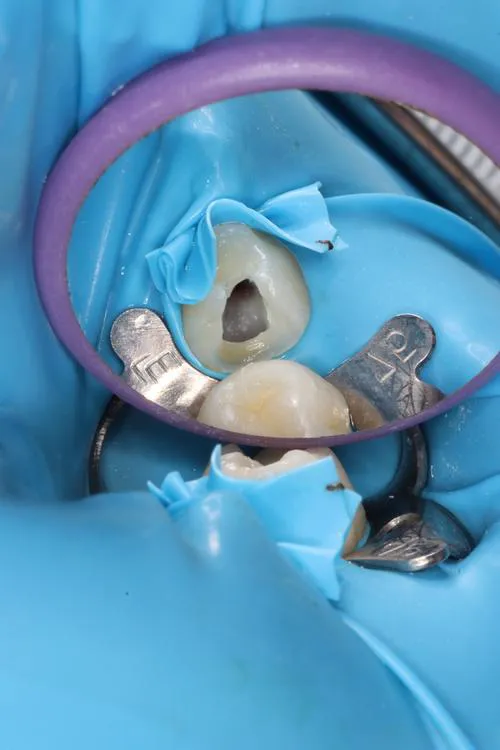
The dentist takes an X-ray to see the extent of infection. If needed, local anesthesia is administered to ensure comfort.
2. **Removal of Infected Pulp:**
The dentist carefully removes the affected tissue and cleans the inside of the root canal using fine instruments.
3. **Shaping and Filling the Canal:**
After disinfecting the canal, it’s filled and sealed to prevent reinfection.
4. **Restoration:**
The tooth is then restored with a dental crown or filling to strengthen its structure and restore its natural appearance.
After treatment, it’s normal to feel mild sensitivity or discomfort for a few days. Thai dentists usually recommend pain relievers and follow-up visits to ensure proper healing.
### Caring for Your Tooth After Treatment
Post-treatment care plays a big role in keeping your tooth healthy. You can maintain your results by following these tips:
- Brush with a soft toothbrush twice daily.
- Floss gently around the treated area.
- Avoid chewing hard foods on that side until the crown or filling is fully set.
- Attend regular dental checkups every six months.
A root canal-treated tooth can last for many years if properly maintained.
### Embracing a Healthier Smile in Thailand
Recurring tooth pain doesn’t have to disrupt your life—or your favorite Thai meals. With Thailand’s advanced dental care and experienced practitioners, root canal therapy is a safe and effective solution to restore your comfort and confidence. Whether you’re a resident in Bangkok or a visitor exploring Chiang Mai, getting your tooth treated by a professional can ensure long-term oral health.
Thailand’s combination of quality, affordability, and compassionate care makes it an ideal destination for anyone struggling with dental pain. So the next time you feel that persistent ache, don’t ignore it—schedule a consultation with a trusted Thai dentist. A healthy smile is worth every bite of your favorite som tam or pad Thai.
 collect
Hospitals included




Products included


Suggested reads